

State department of higher ed touts benefits of college affordability

The Colorado Department of Higher Education has determined that attending college or a trade school remains a beneficial investment not only for the individual, but the state as a whole, especially during the COVID-19 pandemic.
The annual “Road to Affordability: Reducing Cost and Maximizing Value” report put out by the CDHE addresses topics such as the pathways that students take with degrees and majors, the affordability of college and the overall return on investment.
But the loudest call in the report came on the importance of making postsecondary education more affordable and accessible.
“The impacts of coronavirus to the Colorado economy and workforce are only now beginning to surface,” said Angie Paccione, executive director of CDHE, in a release announcing the report. “College graduates serve Colorado communities through critical research, essential care, and innovations to technology. It is imperative during our recovery that residents contribute to the economy by entering the workforce skilled and with a credential.”
To attain this, however, the report outlines that affordability and accessibility need to be addressed, particularly for non-white students. That comes through a change in the way that institutions help students pay for the price of higher education, the report stated.
“Some areas of opportunity to cut costs are embracing Concurrent Enrollment and Prior Learning Assessments to shorten the time to credential completion,” the report stated. “Another opportunity lies in completing the FAFSA as the first step in accessing a variety of student financial aid. Further, in broadening awareness of existing social benefit programs, individuals may find supplemental support that allows them to finish what they have started.”
According to analysis done by the CDHE, this is an attainable goal. Debt among Colorado residents graduating from public institutions has been steadily dropping over the last five years, going from 64% in 2014 to 55% in 2019. Statewide at all institutional levels, 48% of students graduated with no debt at all.
The 52% of students who need financial aid are the ones this report is saying should be aided by public institutions, it said.
Another important factor of increasing the number of higher education students that the CDHE seeks to address is to closing equity gaps and reducing systemic inequities in higher education and the workplace.
The department’s plan calls for the hiring of a chief education and equity officer to focus on the strategies outlined in the roadmap as well as working with the Statewide Equity Coalition to identify additional opportunities to eliminate equity gaps.
The state hopes that addressing these issues will lead to higher numbers of students and eventual graduates. Outlined in the CDHE and Colorado Commission on Higher education master plan, “Colorado Rises: Advancing Education and Talent Development,” the statewide goal is to reach 66% postsecondary attainment among adults by 2025.
“By executing the short, medium and long-term action steps contained in the Roadmap, we’re on the path to making Colorado the best state for college success in the country,” Paccione said.



Lauren Boebert’s hard ‘no’ on Pentagon Iran funding request puts Mike Johnson in tough spot
Emily Hallas, Washington Examiner
emily.hallas.washington.examiner@gazetteedit.wpenginepowered.com
Updated 51 minutes ago
Colorado U.S. Rep. Lauren Boebert announced on Thursday that she will not support further funding for the United States’s war in Iran, marking an uphill battle for the Trump administration’s effort to secure additional financing from Congress. “I’ve already told...
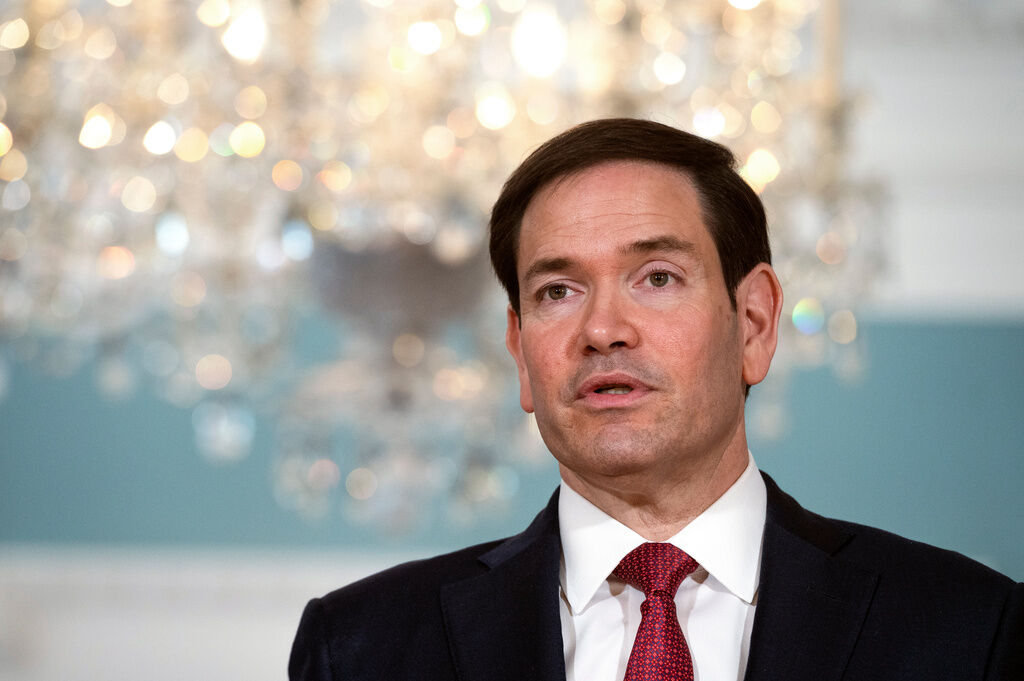
Rubio gains ground in 2028 jockeying as Iran war elevates his profile
Samantha-Jo Roth, Washington Examiner
samantha-jo.roth.washington.examiner@gazetteedit.wpenginepowered.com
Updated 1 hour ago
Secretary of State Marco Rubio’s high-profile role in the Trump administration’s response to the Iran war is boosting his standing in the early jockeying for the 2028 Republican presidential nomination — and positioning him as a possible rival to Vice...
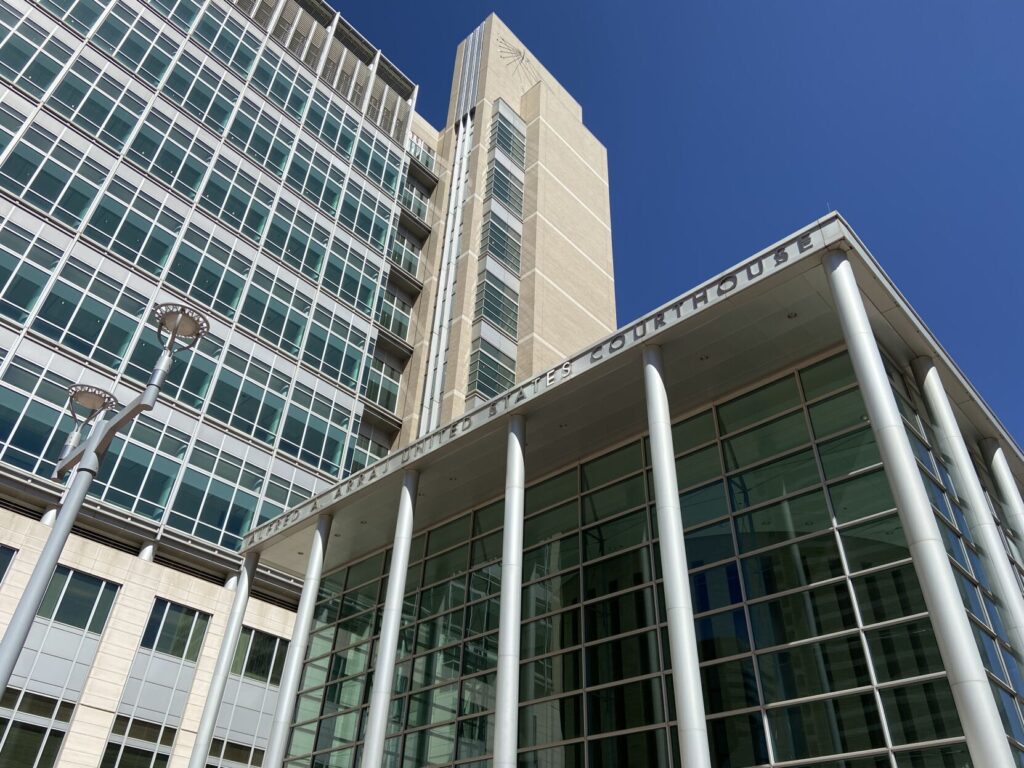
Federal judge dismisses claims against medical contractor for Eagle County jail suicide
Michael Karlik
michael.karlik@coloradopolitics.com
Updated 2 hours ago
A federal judge dismissed the claims against a medical contractor for the Eagle County jail and its employees earlier this month, concluding there were insufficient allegations that they violated the constitutional rights of a man who died by suicide in...

Colorado Senate committee advances bill increasing overtime threshold for farmworkers
Marianne Goodland
marianne.goodland@coloradopolitics.com
Updated 2 hours ago
The struggle to balance farmworker protections with the survival of Colorado’s family farms took center stage Thursday as senators debated two competing overtime bills. The Senate Business, Labor and Technology Committee held a rare double-bill hearing that led to a...

Colorado bill to fund mental health care with alcohol taxes defeated in House committee
Marissa Ventrelli
marissa.ventrelli@coloradopolitics.com
Updated 48 minutes ago
A second measure proposing that alcohol producers and wholesalers in Colorado help fund mental health care treatment in the state was narrowly defeated in the House Health and Human Services Committee on Wednesday. House Bill 1301, sponsored by Rep. Bob...
Lawsuit targets Gov. Polis, Colorado officials for holding juveniles after court‑ordered release
Marissa Ventrelli
marissa.ventrelli@coloradopolitics.com
Updated 48 minutes ago
Colorado officials are facing a lawsuit alleging the state has kept minors in juvenile detention for days or months after judges ordered them released, largely because appropriate foster or community placements were not available. Two minors involved in Colorado’s criminal...
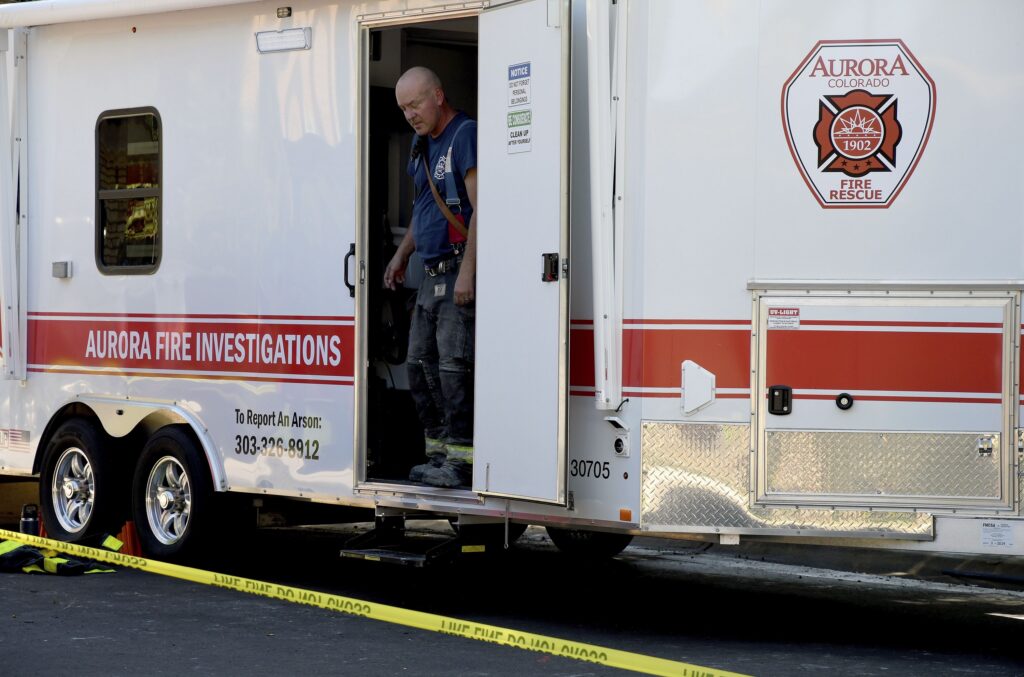
Federal judge advances lawsuit seeking overtime compensation for Aurora firefighter trainees
Michael Karlik
michael.karlik@coloradopolitics.com
Updated 5 hours ago
A federal judge gave preliminary approval earlier this month to a class of Aurora firefighter trainees who may sue the city over allegations that they were denied overtime pay in violation of federal law. Joseph Elias, who attended Aurora’s fire...
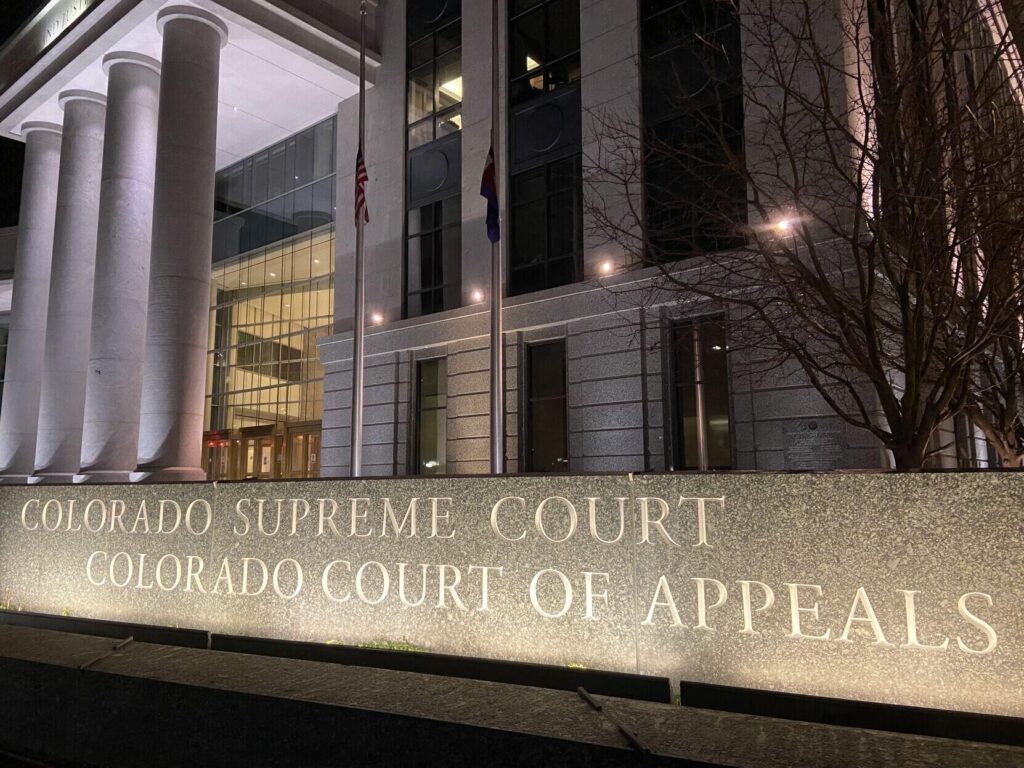
Appeals court says jury not obligated to apply discounts to determine value of stolen merch
Michael Karlik
michael.karlik@coloradopolitics.com
Updated 5 hours ago
Colorado’s second-highest court concluded on Thursday that it was up to a Douglas County jury to determine the value of stolen merchandise at a defendant’s theft trial, after both sides presented different estimates of the items’ value. Under state law,...

Trump switches endorsement back to Jeff Hurd, says Hope Scheppelman is ending run in Colorado’s 3rd CD
Ernest Luning
ernest.luning@coloradopolitics.com
Updated 5 minutes ago
In a surprise twist, President Donald Trump on Friday said he was again endorsing Republican U.S. Rep. Jeff Hurd after pulling his support from the Grand Junction Republican last month and instead backing Hurd’s primary challenger in Colorado’s 3rd Congressional...
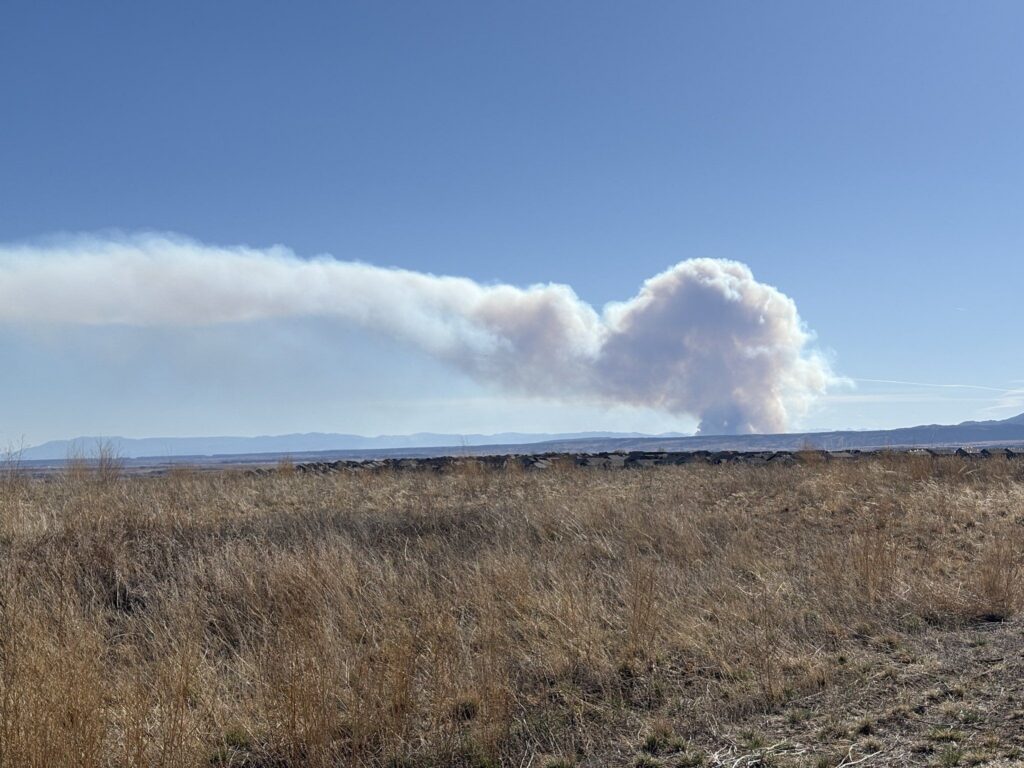
Highway 115 fire blows up, road closed south of Colorado Springs
Nick Smith
nick-smith@coloradopolitics.com
Updated 4 hours ago
A fast-moving fire burning along Colorado 115 south of Colorado Springs blew the containment line Thursday, spreading farther east onto Fort Carson and scorching nearly 700 acres, officials said. The blaze, known as the 24 fire, was fully uncontained as...
PREV
PREVIOUS
Q&A: What families should know about Denver Public Schools’ fall plans
Fall plans for Denver Public Schools have changed several times this summer, as coronavirus cases went down, then up again. We know it can be hard for families to keep track of it all, so we’ve compiled some questions and answers below. Do you have a question about what school will look like this fall? […]

Coronavirus reported among inmates at federal prison campus in Florence
Colorado state health officials say that two inmates transferred to a federal prison in Florence arrived with active COVID-19 infections. The new cases – along with a staff member who recently tested positive – were reported at Federal Correctional Institute Florence, which houses roughly 900 inmates under one roof and 300 more in an adjoining, minimum-security prison […]