

Colo. Supreme Court to decide parameters of governmental immunity in El Paso sheriff lawsuit

The Colorado Supreme Court will take up an age discrimination case arising from the El Paso County Sheriff’s Office, in which the justices will consider what compensation is available to the plaintiff under the state’s governmental immunity law and whether the lack of immunity from employee discrimination claims applies to local government entities or just to the state.
Timothy Williams, according to his lawsuit, worked for the sheriff’s office between 2002 and 2016. The Gazette reported that he clashed with Sheriff Bill Elder after he served on a conduct review board for a deputy and alleged that the office “conspired to cover up” the misbehavior. Williams alleged that Elder became enraged with him over the outcome of the disciplinary proceedings.
During Williams’ last year as an employee, the sheriff had all employees fill out a survey asking for their eligibility date of retirement. In November 2016, days after Elder purportedly berated Williams, Elder met with him and told Williams that if he “couldn’t cut it,” he needed to “get out.” Williams’s retirement date was less than two years away, leading him to believe that the remarks were age-oriented. The day after the meeting, Elder demoted Williams from his previous rank as lieutenant. Williams immediately resigned in order to avoid reductions in his retirement benefits.
Subsequently, Williams filed an age discrimination complaint with the Colorado Civil Rights Division and Equal Employment Opportunity Commission. The sheriff’s office alleged in return that Williams took departmental accreditation documents with him and he left, a charge that Williams considered retaliation.
At trial, the district court determined that Williams’ request for lost pay and monetary damages did not run afoul of the Colorado Governmental Immunity Act, which limits the liability of public employees and entities in order to safeguard the provision of taxpayer-funded services.
Judge Rebecca R. Freyre, writing for the Colorado Court of Appeals panel that reviewed the decision, concluded instead that the General Assembly intended to treat age-discrimination differently under the Colorado Anti-Discrimination Act. Under CADA, remedies for age claims specifically include reinstatement with back pay – which was unavailable to Williams because his position was filled – and front pay, which amounts to wages lost due to the separation. However, the court did not find that other compensatory damages were allowed under governmental immunity.
CADA claims are “not designed primarily to compensate individual claimants,” she pointed out, but rather to correct discriminatory behavior. Williams’ retaliation claim, however, was allowed to seek monetary damages under the governmental immunity act because such an award would be “incidental” to eradicating workplace discrimination.
“[W]e conclude that the General Assembly intended that compensatory damages awarded under the CADA be excluded from the immunity provisions of the CGIA,” Freyre wrote. Accordingly, the appellate court permitted Williams to seek front pay for his age discrimination claim and compensation for his retaliation claim. The judges determined that their interpretation of the governmental immunity law applied to both local governments and the state.
The case is Timothy Williams v. Bill Elder.



10th Circuit orders new unlawful arrest trial against Colorado Springs officers
Michael Karlik
michael.karlik@coloradopolitics.com
Updated 2 hours ago
The Denver-based federal appeals court concluded on Friday that a trial judge inappropriately allowed jurors to see several unflattering video clips of a plaintiff being belligerent toward police officers during a trial to determine whether police violated her constitutional rights....

Colorado redistricting limits measure heads to November ballot
Marissa Ventrelli
marissa.ventrelli@coloradopolitics.com
Updated 1 hour ago
A proposed constitutional amendment that would prohibit Colorado’s congressional maps from being redrawn outside of election cycles has qualified for the November ballot, according to the Secretary of State’s Office. Under Initiative No. 256, redistricting changes for the 2028 election...
Polis announces ‘Governor for a Day’ contest for Colorado students
Marissa Ventrelli
marissa.ventrelli@coloradopolitics.com
Updated 3 hours ago
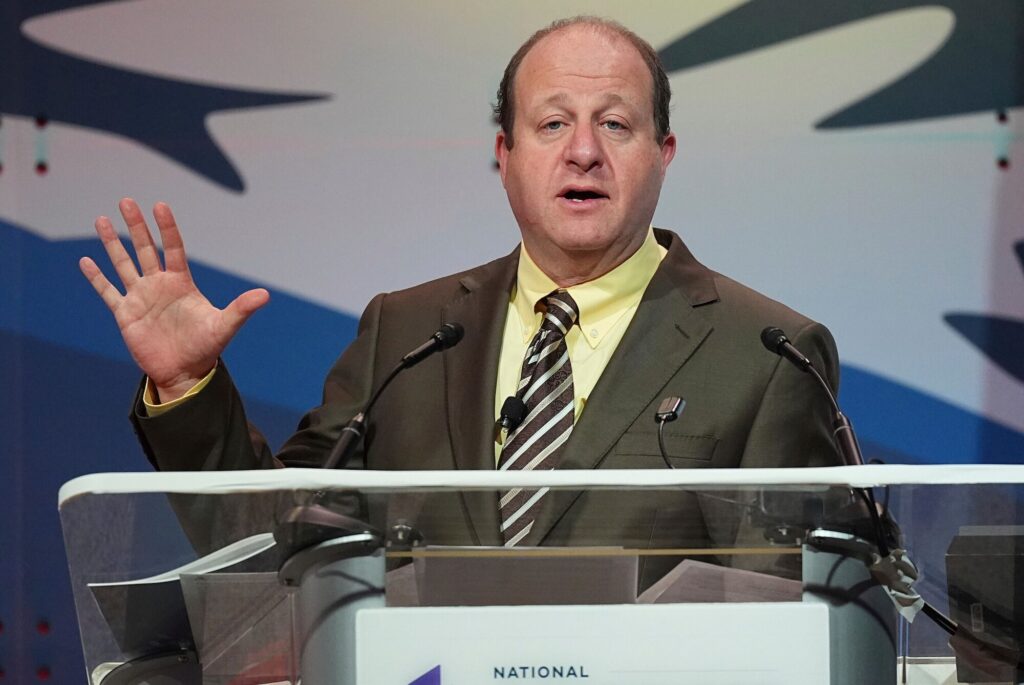
Colorado seventh and eighth graders have the chance to experience a day in the life of the governor through a new contest launched by Gov. Jared Polis. The “Governor for a Day” competition will give one student the chance to...
Federal judge to await SCOTUS decision before addressing Boulder County firearm ordinances
Michael Karlik
michael.karlik@coloradopolitics.com
Updated 3 hours ago
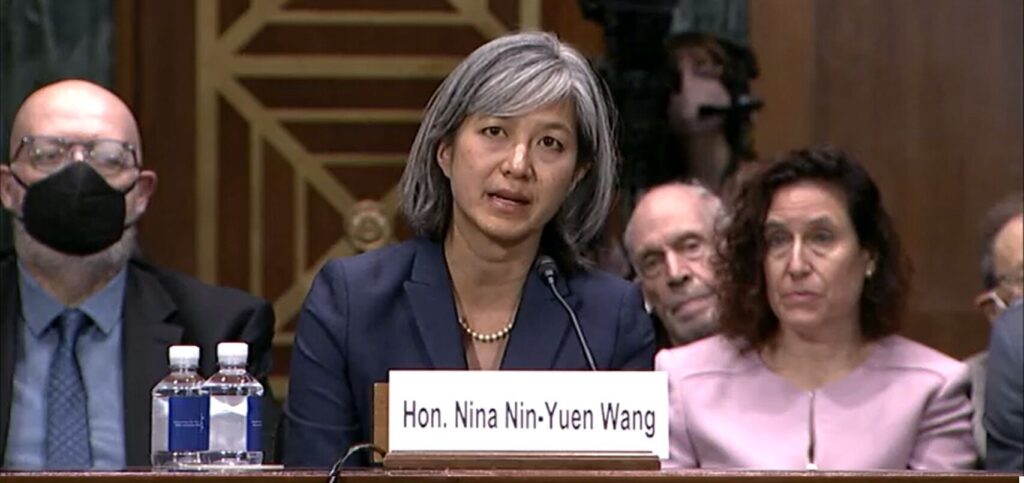
A federal judge agreed on Friday that she would await the U.S. Supreme Court’s decision in an upcoming Second Amendment case before she addresses the constitutionality of similar gun ordinances in multiple Boulder County jurisdictions. Rocky Mountain Gun Owners, the...

Colorado state House Democratic candidate arrested in Texas for public intoxication
Marianne Goodland
marianne.goodland@coloradopolitics.com
Updated 30 minutes ago
A Democrat from Lone Tree who is running for a House seat was arrested in Texas in May on charges of public intoxication and resisting arrest. Christian Schilder, the Democrat, is challenging Rep. Brandi Bradley, the Republican incumbent, in the...
Trump says communities that don’t build data centers will be ‘backwards and poor’
Christian Datoc
christian-datoc@coloradopolitics.com
Updated 2 hours ago
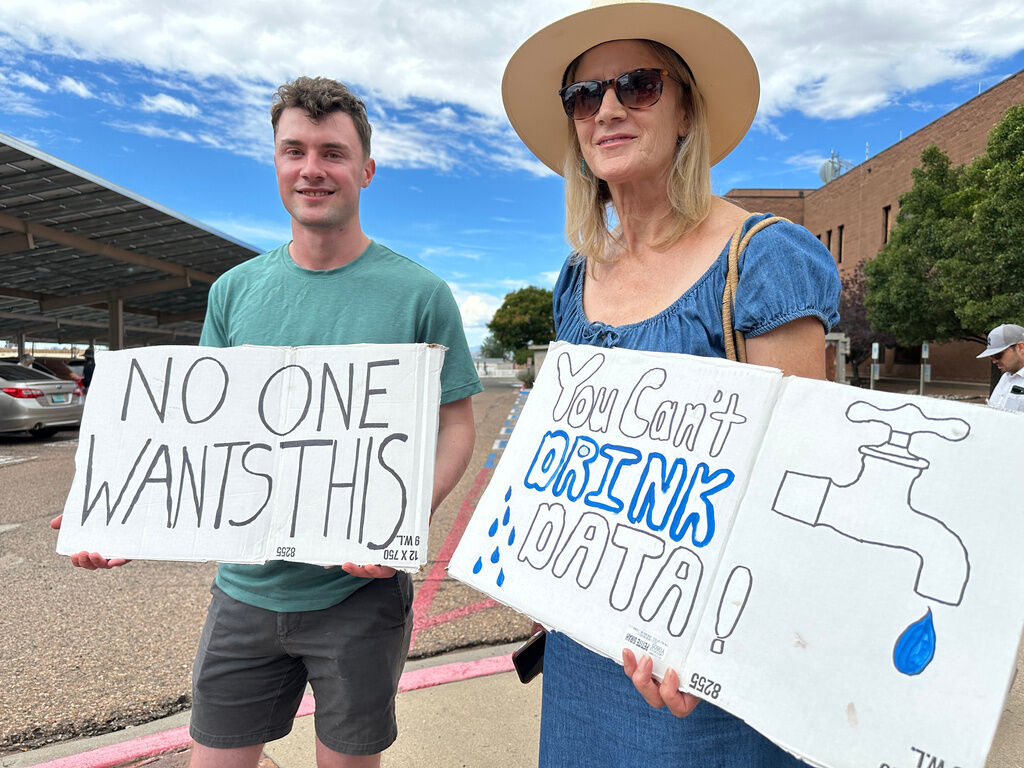
President Donald Trump criticized the rising wave of anti-data center sentiment, clashing with his administration’s aggressive efforts to build out the domestic artificial intelligence sector. Trump has placed a concerted focus on making the U.S. the global leader in AI,...

What happens when robotaxis meet motorcades in DC? The mother of all traffic jams, says AI expert
Rob Crilly
rob.crilly@washingtonexaminer.com
Updated 18 minutes ago
Waymo has Washington, D.C. on its list of targets for self-driving taxis. Just two problems: Can they cope with motorcades? And how would lawmakers feel if every time the vehicles grind to a halt in front of the flashing lights...

Trump promises retaliation for Iran attacks: ‘We’re going to hit them hard’
Rena Rowe
rena.rowe@washingtonexaminer.com
Updated 4 hours ago
President Donald Trump on Monday vowed to retaliate against Iran following the latest attack on a U.S. base in Jordan, marking a return to military action after weeks of relative calm. “We’re going to hit them hard. There will be...

State Supreme Court names next chief justice, 10th Circuit releases full-court decision | COURT CRAWL
Michael Karlik
michael.karlik@coloradopolitics.com
Updated 5 hours ago
Welcome to Court Crawl, Colorado Politics’ roundup of news from the third branch of government. The Colorado Supreme Court has named its next chief justice, and the Denver-based federal appeals court released a decision that overwhelmingly rejected one of its...
Initiative asks Colorado voters to approve 8th-grade reading standard for ballot measures
Marissa Ventrelli
marissa.ventrelli@coloradopolitics.com
Updated 58 minutes ago
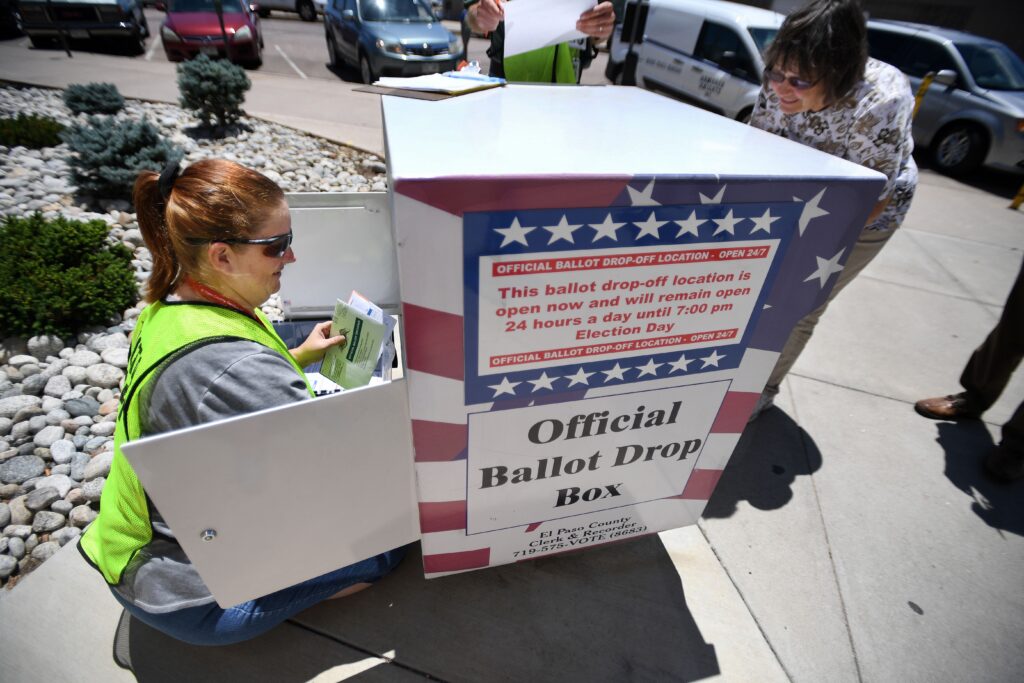
A ballot initiative that would require all ballot measures to be written at no higher than an eighth-grade reading level has qualified for the November ballot, according to the Colorado Secretary of State’s Office. The measure, backed by the group...
PREV
PREVIOUS

Weiser, AGs call for passage of marijuana banking legislation
Attorney General Phil Weiser is leading a coalition of attorneys general in 33 states and territories asking Congress to give marijuana businesses access to the federally-regulated banking system in any forthcoming coronavirus relief legislation. “[T]hreats to public safety caused by a cash-intensive business model, often the target of criminal activity, have intensified in the months […]

Joint Budget Committee suspends property tax exemption for seniors, veterans
The Joint Budget Committee ended a long Tuesday session with one last big budget cut: suspending the state’s popular homestead exemption, which saves seniors on property taxes, for the next three years. The Tuesday evening vote was not unanimous; the JBC’s Republicans, Rep. Kim Ransom of Littleton and Sen. Bob Rankin of Carbondale, both voted against. […]