

Denver City Council to establish Emergency Response Grant Fund to receive federal aid

Denver City Council on Monday night is expected to pass a bill that will create the Emergency Response Grant Fund to receive and expend federal relief dollars to help combat the coronavirus.
The bill was submitted by the Department of Finance, which is anticipating between $90 million and $115 million in financial aid either from the U.S. Federal Emergency Management Agency, the Colorado Division of Homeland Security and Emergency Management, or both.
The federal dollars won’t help soften the blow of the $180 million revenue loss the city currently projects, finance department spokesperson Julie Smith said, but will help “at least partially recoup” from expenditures associated with the response to the emergency, including overtime costs for personnel services, supplies and equipment, and security.
As of Monday, Denver’s spending and spend-commitments on its COVID-19 response efforts totaled more than $19 million, according to the city’s Emergency Operations Center.
The city “anticipates additional spending over the next several weeks on shelter costs, medical supplies, workplace safety supplies, and other items required for the City’s response,” city documents state.
The council is also expected to pass a bill that will authorize a cash transfer of more than $17 million from reserve funds created through the Taxpayer’s Bill of Rights, known as TABOR. Those dollars will be funneled into the city’s recently created COVID-19 emergency fund, comprised of $10 million in contingency funds to support coronavirus expenses.
TABOR laws require that the city only tap into reserves for “extreme disasters,” and that all borrowed money must be repaid by the end of the next fiscal year.
The city will leverage the 2021 budget process to replace the TABOR reserve requirement within the one-year deadline, according to city documents, and also will “continue to reevaluate the expenditure needs of this unprecedented emergency and seek additional funds to meet the demands of the response.”
Editor’s note: This article has been corrected to clarify that the Emergency Grant Relief Fund will not replace lost revenues.

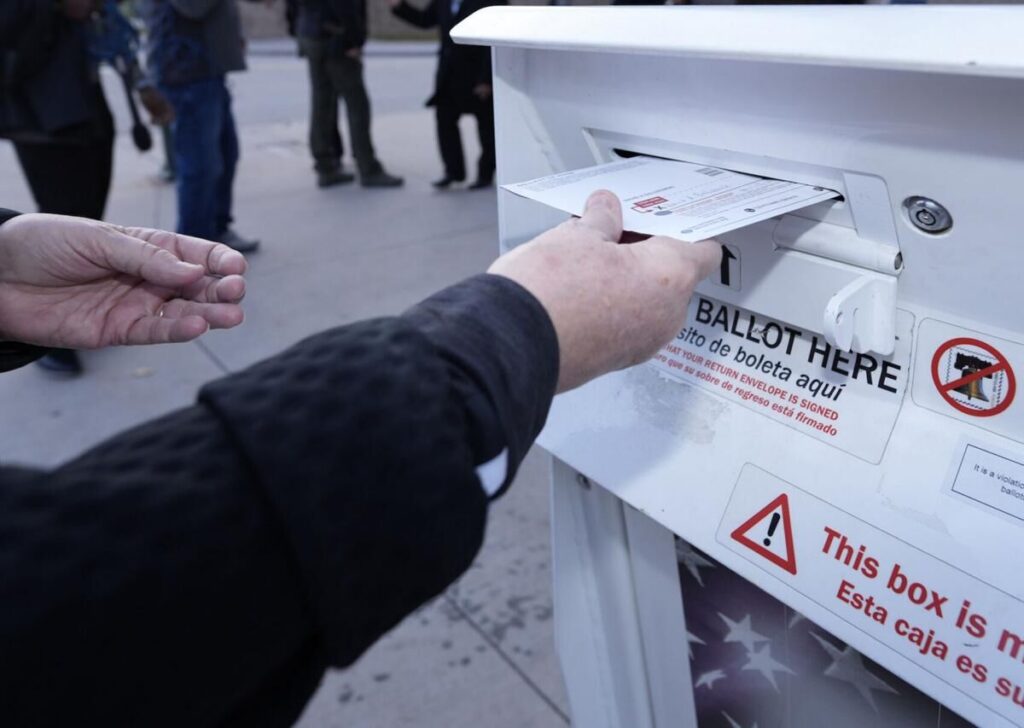
Colorado measure adding ID checks to mail-in voting qualifies for ballot
Marissa Ventrelli
marissa.ventrelli@coloradopolitics.com
Updated 6 hours ago
A ballot initiative that would require voters to include additional information on mail-in ballots has qualified for the November election, according to the Secretary of State’s Office. Backed by El Paso County Treasurer Chuck Broerman and former Deputy Secretary of...
Colorado election website error exposes personal data of confidential voters
Marissa Ventrelli
marissa.ventrelli@coloradopolitics.com
Updated 7 hours ago
A system update accidentally lifted protections on confidential records in Colorado, exposing dozens of voters’ personal information, according to the Secretary of State’s Office. The limit that normally blocks access to confidential voter profiles was inadvertently disabled during an update...

PUC adds weekly comment after killing private talks
Scott Weiser
scott.weiser@gazette.com
Updated 7 hours ago
The Colorado Public Utilities Commission will take public comment at the start of every commissioner’s weekly meeting beginning Sept. 9 as part of its new transparency mandate, the commission announced, expanding a slot previously limited to the second Wednesday of...
10th Circuit overturns framework for sentencing probation violators by 11-1
Michael Karlik
michael.karlik@coloradopolitics.com
Updated 8 hours ago
In a rare decision by all 12 of its full-time judges, the Denver-based federal appeals court ruled in a lopsided vote on Friday that one of its members created a sentencing process for probation violators that was out of step...

Federal judge dismisses excessive force lawsuit against Colorado Springs, officer
Michael Karlik
michael.karlik@coloradopolitics.com
Updated 7 hours ago
A federal judge concluded last week that a Colorado Springs police officer could not be held liable for shooting a suspect three times after the man menaced two victims with a gun and fled the scene. Al’morion Germany was involved...

DeFlock started from one man’s curiosity — now Flock cameras are a midterm issue
Claire Carter
claire.carter@washingtonexaminer.com
Updated 11 hours ago
Will Freeman wasn’t looking to start a national movement when he launched DeFlock after noticing Flock Safety’s automatic license plate readers along the side of the road. The software engineer was driving across the country in 2024 when the cameras...

Aurora student journalist cleared of disciplinary charges after ignoring ‘gag order’
Kyla Pearce
kyla.pearce@gazette.com
Updated 8 hours ago
A Community College of Aurora student who accused the college of putting an “unconstitutional gag order” on his student-run publication was cleared of disciplinary charges against him. CCA student Andrew Green tried to register his independent student publication, called “FoxTalk,”...
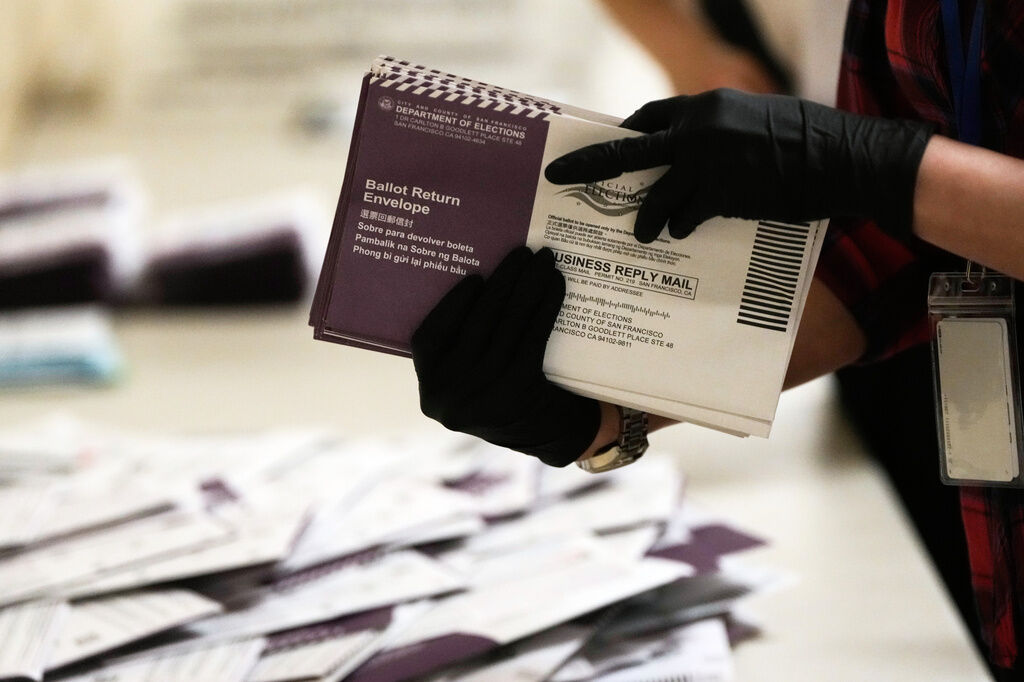
Colorado leaders cheer court decision to block Trump’s mail ballot order in a ruling that’s likely to be swiftly appealed
Thelma Grimes
thelma.grimes@coloradopolitics.com
Updated 9 hours ago
A federal judge on Thursday halted — at least for now — attempts to implement President Donald Trump’s executive order that seeks to restrict the mailing of ballots to American citizens on an eligible voters list. The move stalled the...

Healthcare Freefall: AI arms race hits rural healthcare as hospitals fight to keep up
Thelma Grimes
thelma.grimes@coloradopolitics.com
Updated 13 hours ago
Editor’s Note: Colorado’s healthcare system is entering a period of accelerating instability — a “tsunami,” as multiple leaders describe it — driven by collapsing hospital finances, shrinking Medicaid reimbursements, disappearing services and a political fight over who is responsible for...

House will vote to denounce socialism
Lauren Green
lauren-green@coloradopolitics.com
Updated 15 hours ago
The House of Representatives is set to vote next week when lawmakers return to condemn and denounce “socialism in all its forms,” specifically pointing to the growing Democratic Socialists of America organization. The House voted to condemn socialism last year,...
PREV
PREVIOUS

Why US oil prices fell below zero and what it means
Benchmark U.S. crude oil traded at a negative price for the first time ever Monday, a historic moment explained by a technical oddity and uncertainty about the recovery of oil demand amid the coronavirus pandemic. The West Texas Intermediate crude oil price, the main U.S. benchmark, tumbled to the lowest level since trading started nearly […]

A copycat 'Re-Open' protest? Honking horns for a different reason in Denver
One-and-a-half miles south of the state Capitol on Monday, history repeated itself as dozens of cars drove around the block bordered by 1st and 2nd avenues and North Washington and Emerson streets. It was a curious sight, considering that Sunday’s “Re-Open Colorado” protest drew hundreds of people to the state Capitol grounds railing against the […]