

Denver’s less affluent neighborhoods show lower response rates to 2020 Census
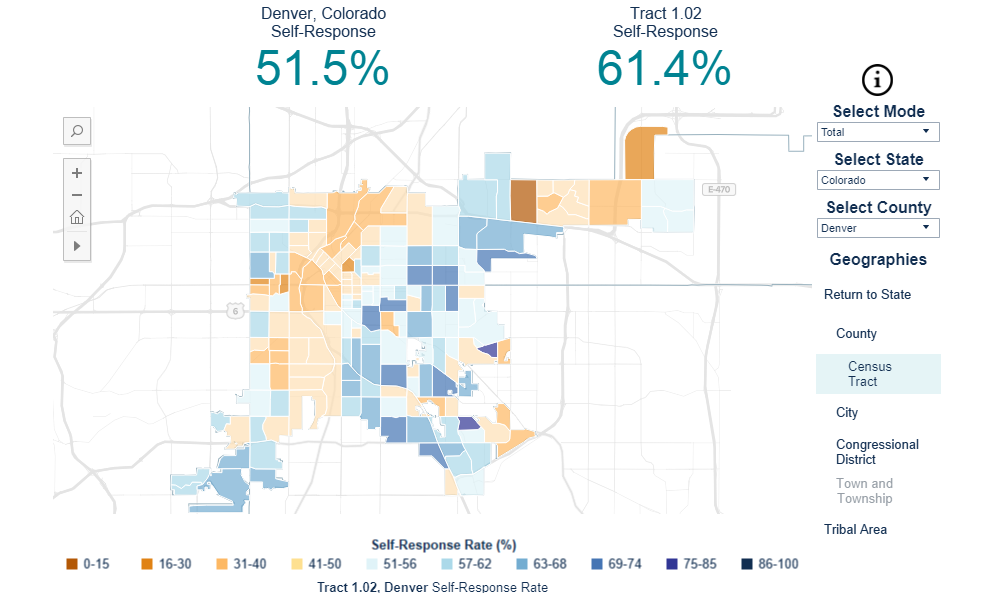
More than half of Denver residents have completed the 2020 Census, but disparities in response rates are clear between the city’s haves and have-nots.
According to the latest U.S. Census Bureau data, areas in Denver with the lowest response rates largely follow what’s known as the city’s “inverted L,” a shape that forms a boundary roughly aligned with Interstate Highways 70 and 25 and tends to illustrate where inequities are in the city.
Among some of Denver’s north and west neighborhoods – areas largely inhabited by lower-income and minority residents – response rates are as slight as zero to 15%.
The findings are hardly surprising: Certain demographic traits, including low education levels and being part of a minority, are typically associated with low response rates, according to the Bureau.
Denver County currently ranks 13th in the state for the highest response rate. Douglas County tops the list with a 64.5% response rate.
“We still have a way to go before getting close to our target of achieving a complete count,” Denver City Councilwoman Debbie Ortega wrote to fellow council members in an April 13 email obtained by Colorado Politics.
Across the country, Colorado sits in 11th place with a statewide self-response rate of 52.4%.
More than 70 million households have responded to date, according to the Bureau, representing nearly half of all households in the nation.
The Bureau, which has already adjusted its operations timeline due to the coronavirus outbreak, announced on Tuesday additional changes to its plans.
“In order to ensure the completeness and accuracy of the 2020 Census, the Census Bureau is seeking statutory relief from Congress of 120 additional calendar days to deliver final apportionment counts,” U.S. Department of Commerce Secretary Wilbur Ross and Steven Dillingham, the Bureau’s director, said in a joint statement.
Under the new plan, field data collection and self-response deadlines will be extended to October 31, allowing apportionment counts to be delivered to the president by April 30, 2021, and redistricting data to be delivered to the states by July 31, 2021.

Federal judge sides with Mesa County school district in ex-student’s First Amendment claims
Michael Karlik
michael.karlik@coloradopolitics.com
Updated 2 hours ago
A federal judge concluded last week that Mesa County Valley School District 51 and three of its administrators did not violate the First Amendment rights of a former student when they imposed minor discipline in response to disruptive behavior. In...

Colorado Supreme Court intervenes in 4 ongoing cases
Michael Karlik
michael.karlik@coloradopolitics.com
Updated 6 hours ago
The Colorado Supreme Court recently moved to intervene in four ongoing cases, including two criminal prosecutions, a civil lawsuit, and a child welfare proceeding. At least four of the court’s seven members must agree to hear a case outside of...
Colorado ski resorts announce early closures amid historic snowpack lows, high temperatures
Kyla Pearce
kyla.pearce@gazette.com
Updated 6 hours ago
Vail Resorts is the latest area to announce season closure Wednesday As Colorado’s historically low snowpack year comes to a close and spring conditions take over the mountains, the state’s major ski resorts are announcing closing dates — some of...

Kentucky Gov. Andy Beshear set to headline Colorado Democrats’ annual fundraising dinner
Ernest Luning
ernest.luning@coloradopolitics.com
Updated 6 hours ago
Kentucky Gov. Andy Beshear, one of the Democrats’ top 2028 presidential prospects, is scheduled to deliver the keynote address at the Colorado Democratic Party’s annual fundraising dinner in June in Denver, the party said Friday. Serving his second term as...
Gov. Polis names new leaders for Colorado health agencies in wake of Medicaid turmoil
Marianne Goodland
marianne.goodland@coloradopolitics.com
Updated 8 hours ago
Gov. Jared Polis, on Thursday, announced he was appointing Gretchen Hammer to serve as acting executive director of the Colorado Department of Health Care Policy and Financing, and deputy executive director Stephanie Beasley to become the next commissioner of the...
Federal judge releases man immediately as consequence for immigration judge disobeying orders
Michael Karlik
michael.karlik@coloradopolitics.com
Updated 6 hours ago
A federal judge ordered a man’s immediate release from immigration detention on Thursday after finding an immigration judge disregarded his prior orders requiring a bond hearing. For the past year, Colorado’s federal district court has faced a flood of “habeas corpus”...
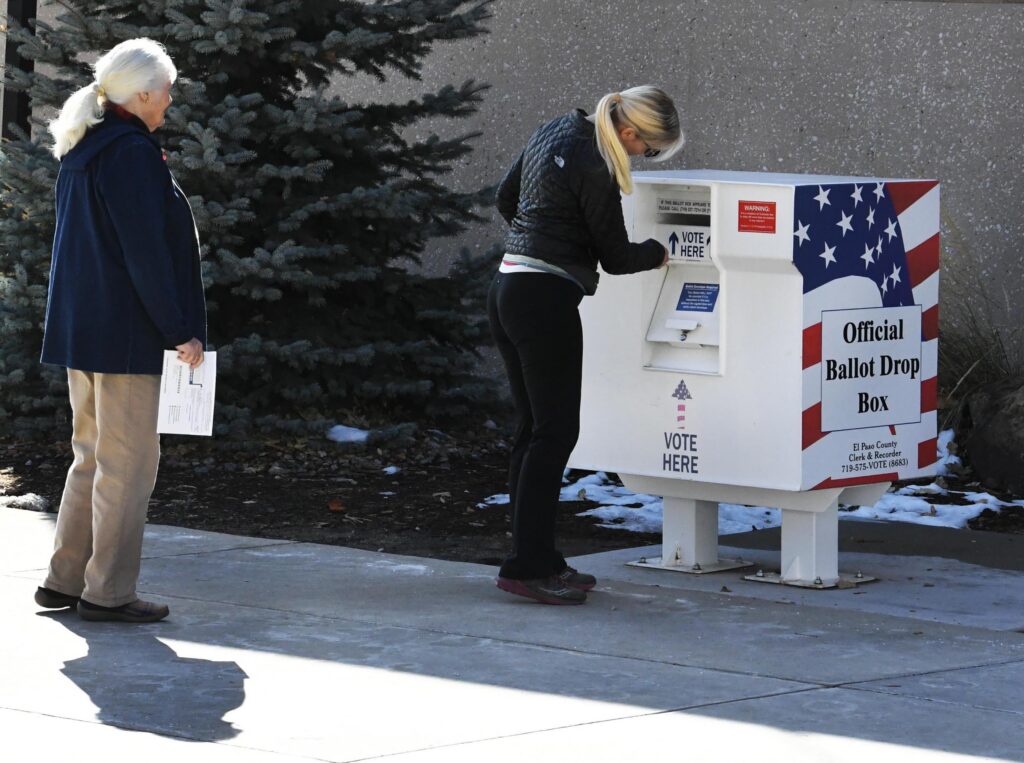
Colorado sues Trump administration, calling new election order ‘unconstitutional’
Marissa Ventrelli
marissa.ventrelli@coloradopolitics.com
Updated 9 hours ago
Colorado Attorney General Phil Weiser has joined a multistate coalition suing President Donald Trump over a new executive order on elections, arguing the directive unlawfully intrudes on states’ authority to run their own voting systems and threatens access to mail...

Why Colorado’s LGBTQ laws keep getting struck down by the Supreme Court
Jack Birle, Washington Examiner
jack.birle.washington.examiner@gazetteedit.wpenginepowered.com
Updated 9 hours ago
The Supreme Court has been a house of horrors for Colorado over the past decade, with the state facing a trio of major losses over laws it claims it has enacted to protect LGBT people but that the justices found...
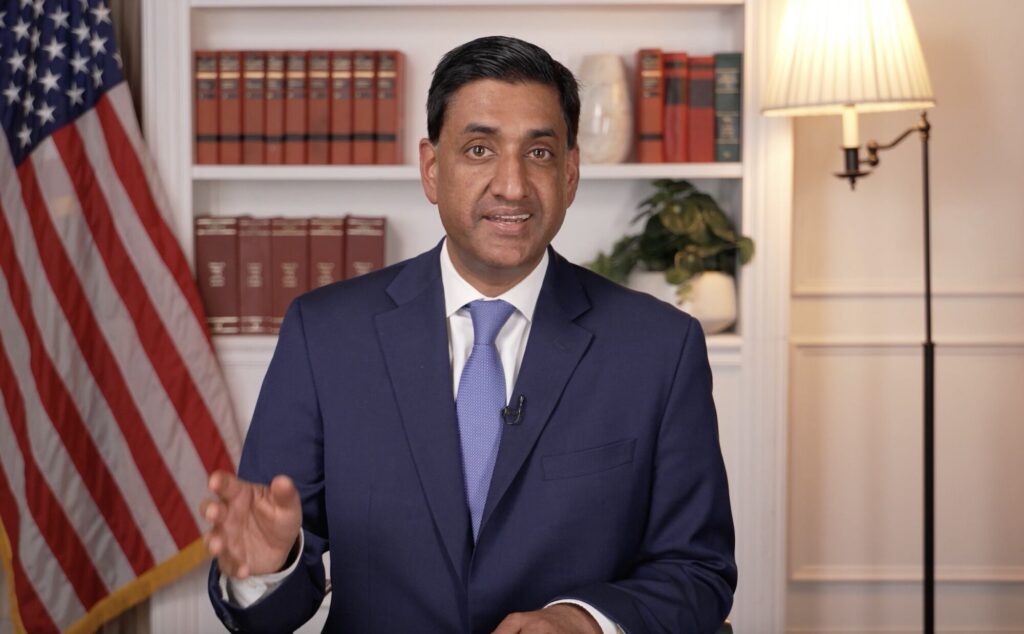
Denver Democrat Neal Walia lands endorsement from Ro Khanna in Colorado’s state House District 9
Ernest Luning
ernest.luning@coloradopolitics.com
Updated 6 hours ago
California Rep. Ro Khanna on Friday endorsed legislative candidate Neal Walia in the race for an open state House seat, praising the Denver Democrat’s commitment to public service and progressive goals. Walia, who mounted an unsuccessful challenge against U.S. Rep....
Denver judge denies Gov. Polis request to dismiss ICE-related records case
Marianne Goodland
marianne.goodland@coloradopolitics.com
Updated 7 hours ago
A year after blocking the release of state records to federal immigration agents, a Denver judge has now denied Gov. Jared Polis’ effort to end the lawsuit at the center of the dispute. The lawsuit filed against the governor in...
PREV
PREVIOUS

RTD union files grievance alleging forced work, as some call for lowered bus capacity
The union for bus and light rail operators at the Regional Transportation District has filed a grievance on behalf of 16th Street MallRide drivers, while others are calling out the agency for permitting too many riders on buses during the COVID-19 pandemic. “RTD decided on its own to cancel downtown free shuttle service and, more […]

Denver neighborhood group: Don't increase height limits
Calling a potential rezoning in Denver’s Golden Triangle neighborhood a “tragic” loss of mountain views, the board of Neighbors for Greater Capitol Hill is urging central Denver residents to oppose higher height limits that would affect the view plane. “Given where our city sits, at the foot of the mountains, these vistas are among the […]