

Gov. Jared Polis has preliminary good news on coronavirus actions

Update: 7 p.m. with statement from the state department of public health on testing protocols.
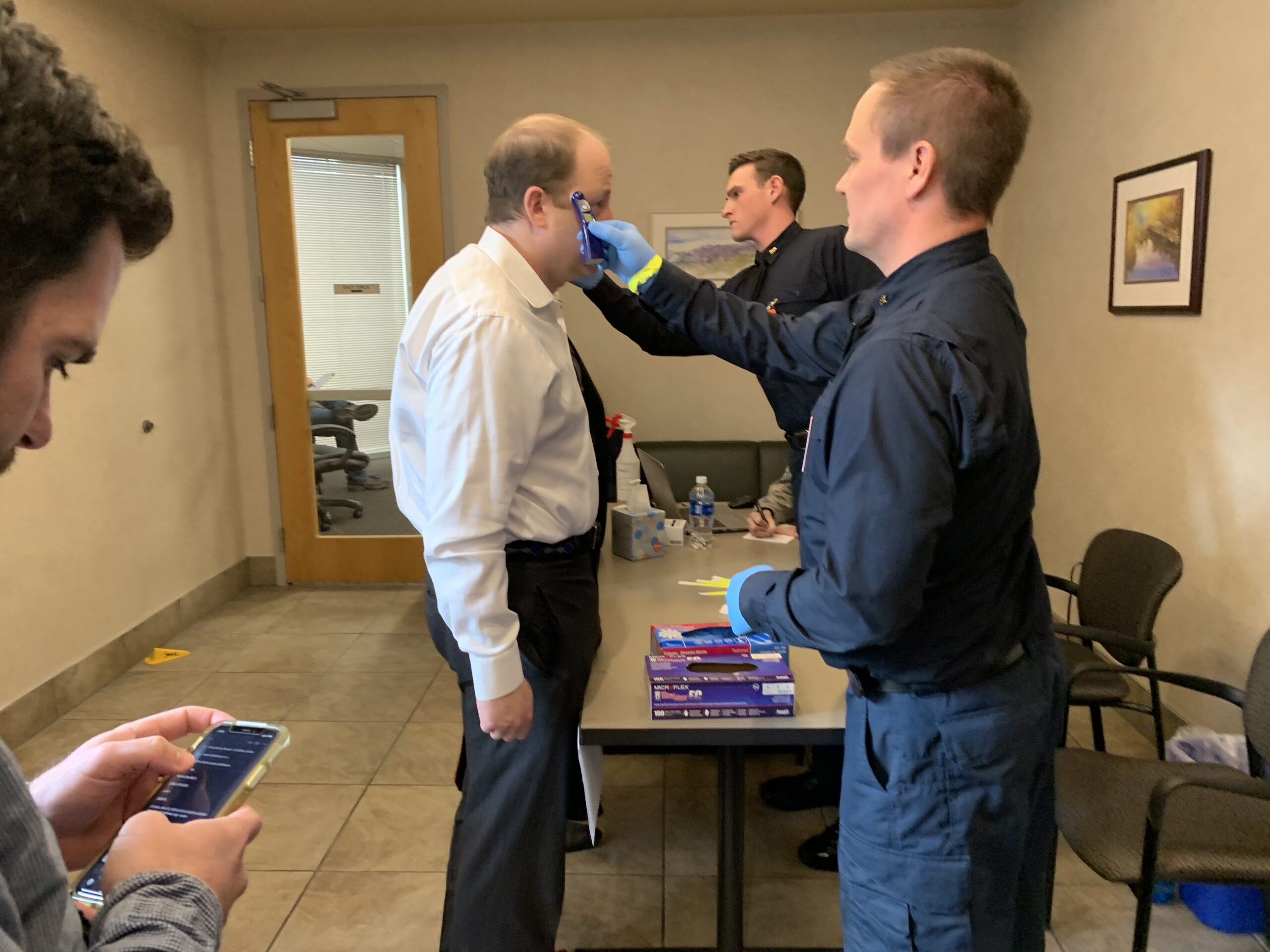
After days of grim news reports, Gov. Jared Polis has some preliminary good news on the effects of some of the actions he’s taken to slow the spread of the novel coronavirus, COVID-19.
Polis ordered dine-in restaurants and bars to close back on March 16, and at the same time limited gatherings to 250 people or less (that’s since come down to 10 people or less).
It takes about 12 to 15 days for the results of those efforts to show up, the governor said Friday. On Monday, in a news conference at the state emergency operations center in Centennial, he had the first results to those efforts: instead of the infections doubling every two days, he said, it’s now down to doubling every five days. The state should know in a week about the impact of the stay at home order and other efforts. “It’s still an extremely contagious virus,” Polis said. Just closing bars and restaurants was not enough.
Polis also reported that traffic volume on Colorado roads and highways has dropped some 60% in the past month, which he called a “proxy” for changes in behavior due to workday commuting and reductions in weekend recreation. But the governor also encouraged people to stay at home and to recreate close to home, rather than driving into the mountains. He especially asked people to stay out of Eagle County, which has the highest transmission rates in the entire country.
Polis also indicated that the protocols for testing those who suspect they’ve contracted COVID-19 have changed.
Three weeks ago, the governor said anyone with flu-like symptoms should be tested. In recent days, that’s led to complaints from people who believe they have been infected but yet have not been able to get tested.
Polis said Monday that if you’re exhibiting flu-like symptoms, self-isolate and stay home. Testing is being reserved more for health care workers and those sick enough to be admitted to hospitals, which are overwhelmed as it is, he said.
Late Monday, the Colorado Department of Public Health and Environment clarified that protocol. In a statement, the CDPHE said there are two routes for testing:
- Hospital staff, hospitalized patients, and vulnerable, symptomatic patients receiving care at health care facilities can get tested at those facilities.
- Critical health care workers and first responders who have symptoms can get tested at community testing sites being run by local public health agencies in various communities.
“Right now, due to limited supplies of testing kits and personal protective equipment, testing needs to be focused on the people who are the most at-risk from this disease and the people in charge of caring for and keeping the rest of us safe. It’s important to protect the most critical element of the health care system. We are working hard to get the supplies and capacity to move to broader public testing, but until then our message remains the same: if you have only mild symptoms, self-isolate and don’t wait for a test,” said Scott Bookman, CDPHE COVID-19 Incident Commander, in that Monday statement.
The state has distributed 4200 testing kits and PPE to local public health agencies in El Paso, Larimer and Mesa Counties. The counties will use these supplies to test healthcare workers and first responders across their regions. The CDPHE lab also sent 300 testing kits to the Ute Mountain Ute tribe. More testing kits will be provided to local public health agencies once those supplies are received from FEMA.
On Sunday, the CDPHE reported that the number of positive cases had reached 2,307, with 326 hospitalized and 47 deaths. The virus has now shown up in 46 of Colorado’s 64 counties. Denver has the most cases, more than 400; El Paso County has had the most deaths, at 11. As of mid-day Monday, the number of cases had climbed to 2,627, with 414 hospitalized and 51 deaths. About 15,364 people have been tested.
At least 14 non-hospital health care settings also now have outbreaks, also as of Monday. That’s up from 10 from last week.
Last week, the governor asked the federal government to declare Colorado a disaster area, and on Saturday Polis received word from President Trump that the request, backed by most of the state’s congressional delegation, had been granted. It will free up additional emergency resources for Colorado, Polis said Monday, such as paying for National Guard and other disaster needs.
The state, however, is still short 9,000 to 10,000 ventilators, he said.
Over the next three weeks, the state will need more than one million surgical masks, more than 200,000 N95 masks, and more than 200,000 face shields, in addition to other personal protective equipment needs, Polis said. After that, he’s hopeful that national supplies. “We’d rather acquire too many than too little,” he said.
Polis also said the state is now seeing cases of COVID-19 in younger people, those in their 30s, 40s and 50s. And over the weekend, two people in their 40s both died from the virus.
Polis was joined at the news conference by Dr. Mark Moss, head of pulmonology at the University of Colorado Hospital, who said they are seeing more cases of people in their 40s and 50s, some as young as 19, and who don’t appear to have pre-existing medical conditions.
“We’re only at the beginning of the crisis,” Moss said, noting that they have double the number of patients on ventilators and in intensive care. And those patients stay on ventilators for two weeks or more. New COVID-19 patients are being admitted faster than others are at recovering, he said, which puts more strain on hospital capacity and resources.
They’re also dealing with health care providers who are now coming down with the virus, which hampers their response at the time those professionals are most needed. “We cannot care for patients if we’re not healthy ourselves,” Moss said.
“If you have symptoms, stay at home and assume you have it. Seek medical attention if it’s necessary,” Polis said. But only about 20% of those being tested are showing as positive for COVID-19, he added.


Road-funding initiative clears signature threshold, qualifies for November ballot
Marissa Ventrelli
marissa.ventrelli@coloradopolitics.com
Updated 31 minutes ago
A measure that would dedicate all transportation-related revenue to Colorado’s roads and bridges has officially qualified for the November ballot after Initiative No. 175 cleared the state’s signature threshold, according to the Secretary of State’s Office. Backed by the coalition...

Judge blocks Colorado’s proposed ban on using SNAP benefits for soda
Marissa Ventrelli
marissa.ventrelli@coloradopolitics.com
Updated 54 minutes ago
A federal judge has temporarily blocked Colorado and several other states from enforcing a proposed “Healthy Choice Waiver” that would have barred SNAP recipients from using their benefits to buy soda and other sugary drinks. Under the waiver, SNAP users...
Boulder police overreached in interrogating suspect, Colorado Supreme Court finds
Michael Karlik
michael.karlik@coloradopolitics.com
Updated 3 hours ago
Two Boulder detectives violated a man’s constitutional rights by interrogating him at his home using a court order that solely authorized the collection of his DNA evidence, the Colorado Supreme Court concluded on Tuesday. The ruling curtailed the ability of...
Property owners may access evidence before eminent domain decisions, Colorado justices conclude
Michael Karlik
michael.karlik@coloradopolitics.com
Updated 4 hours ago
The Colorado Supreme Court ruled on Tuesday that a Douglas County judge incorrectly believed he lacked the authority to allow a property owner to pursue evidence challenging a government entity’s legal right to take its property through eminent domain. In...
Missy Woods accepts plea deal, avoids trial on 102 felony counts
Jenny Deam
jenny.deam@gazette.com
Updated 12 minutes ago
The former top Colorado Bureau of Investigation forensic scientist accused of altering and deleting DNA evidence in scores of criminal cases across the state for years pleaded guilty to four criminal counts Tuesday in Jefferson County. Yvonne “Missy” Woods, 65,...
ICE may deport illegal immigrants without judge approval, appeals court rules
Anna Giaritelli Washington Examiner
anna-giaritelli-washington-examiner@coloradopolitics.com
Updated 1 hour ago
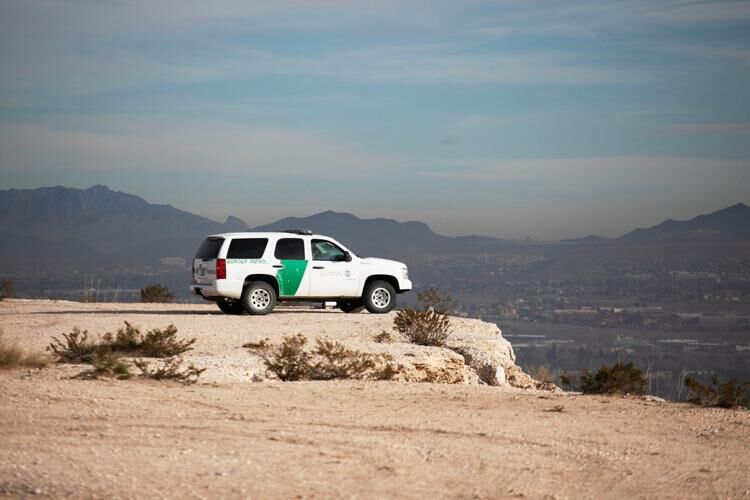
A federal appeals court has ruled in favor of expanding a fast-track deportation process to let the Trump administration expeditiously remove illegal immigrants who are living inside the United States, not just at the southern border. On Tuesday, the U.S....

Dispute over nuclear inspections clouds US-Iran teams’ work to finalize a war-ending deal
Jon Gambrell
jon.gambrell@associatedpress.com
Updated 6 hours ago
ISLAMABAD (AP) — The U.S. and Iran were in dispute Tuesday over whether Tehran had agreed to allow U.N. inspectors to view bombed Iranian nuclear sites, as officials mediated talks on a permanent end to their war and violence broke...
Aurora creates police oversight office in final vote
Kyla Pearce
kyla.pearce@gazette.com
Updated 6 hours ago
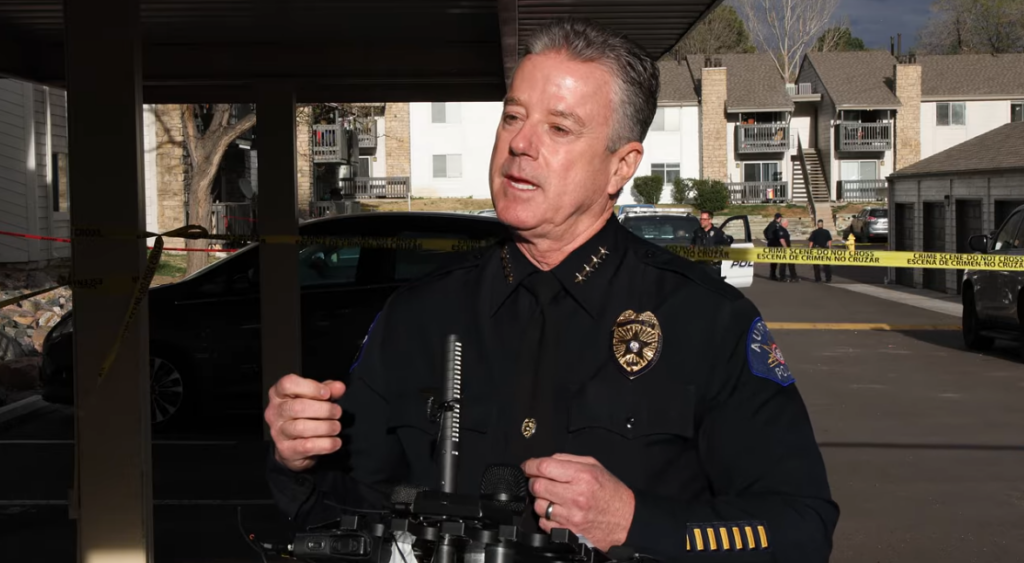
The Aurora City Council voted unanimously Monday to create a police oversight office as the city’s consent decree comes to an end. Without discussion, council members approved a final ordinance creating the Office of Public Safety Accountability, prompting city officials...
Aurora City Council requires ICE facility inspections, regulated disease reporting
Kyla Pearce
kyla.pearce@gazette.com
Updated 6 hours ago
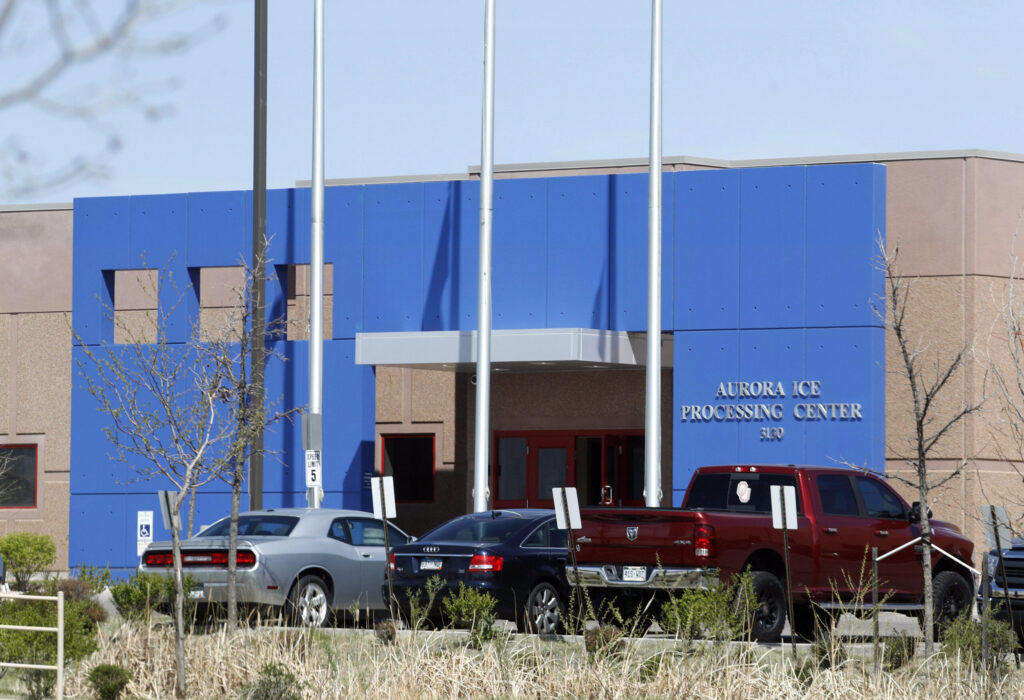
The Aurora City Council passed two ordinances requiring periodic inspections of and more regulated disease reporting from detention facilities in the city, including the GEO Immigration and Customs Enforcement facility. Both ordinances passed in a final vote Monday night with...

Municipal sentencing bill in Denver moves forward
Deborah Grigsby
deborah.smith@denvergazette.com
Updated 6 hours ago
The Denver City Council introduced legislation Monday aimed at aligning municipal penalties with state law to “stop criminalizing poverty.” The bill, which was heavily revised and amended, was moved forward on a 10 to 2 vote, with Councilmembers Darrell Watson...
PREV
PREVIOUS

State Supreme Court to take up Denver governmental immunity case
The Colorado Supreme Court announced on Monday that it will consider whether an “instrumentality” of a government entity, the Denver Housing Authority, can receive immunity from civil suits. The justices will also decide what constitutes a “public building open for public business” in the application of an exemption to the immunity law. Guadalupe P. Martinez […]

Jillian Freeland emerges from weekend's virtual assemblies as presumptive Lamborn challenger
After taking the lion’s share of the vote in virtual county assemblies this weekend, Democratic congressional candidate Jillian Freeland is poised to be her party’s nominee to challenge Republican U.S. Rep. Doug Lamborn. Ryan Lucas, her chief primary opponent, suspended his campaign Saturday and threw his support behind Freeland after winning just 18% of the vote to […]