

State: 61,000 unemployment claims filed in first four days of week
Colorado received 61,000 applications for unemployment between Monday and Thursday, a dramatic uptick from the approximately 25,000 applications received the prior week. The application numbers are unofficial, as the state undertakes eligibility verifications and other processes to ensure an accurate number gets reported weekly to the U.S. Department of Labor.
As businesses have shuttered, events have been canceled, and stay-at-home orders have spread across multiple states in the name of halting the spread of COVID-19, Americans have filed for unemployment insurance at a rate not seen since the 2008 recession.
Ryan Gedney, a senior economist for the Colorado Department of Labor and Employment, said that not every initial claim for benefits is entitled to receive payment given the employment and wage verifications that occur during processing. However, “in this current environment, I expect there to be an extremely high share of first-time filers to receive unemployment benefits.”
Cher Roybal Haavind, CDLE’s deputy executive director, added that new protocols, including a request that people file on alternating days of the week depending on the first letter of their last name, have resulted in a processing capacity of 15,000 to 20,000 claims daily. Other changes enabled by Gov. Jared Polis include waiving the requirement that a recipient of unemployment benefits be actively searching for work and eliminating a one-week waiting period for benefits.
CDLE anticipates processing claims and beginning payments within 10 to 14 days of submission, although the aspiration is for a window of seven to 10 days. Normally, benefits can take four to six weeks to reach recipients.
“We are seeing less frequency of time outs and error messages,” said Haavind, referring to the technological struggles applicants experienced early on as the online system was overloaded with users.
Gedney said that the insured unemployment rate as of February was at less than 1%. The rate encompasses the number of Coloradans receiving benefits divided by the total number of employees in the state covered by employer-paid unemployment insurance. During the last recession, the peak was more than four times that rate.
Haavind said that although the state has never failed to pay unemployment benefits, during the recession of 2008, Colorado did have to borrow money from the federal government to cover claims.
“While the state and the nation are currently experiencing unprecedented levels of layoff activity, I feel it’s too early to determine exactly how high the state’s unemployment rate might rise,” Gedney said.
CDLE also announced that in February, Colorado’s unemployment rate remained at its historical low of 2.5%, and was tied for the third-lowest in the country. The national unemployment rate dropped from 3.8% in February 2019 to 3.5% last month. CDLE will hold virtual job fairs over the coming weeks with employers experiencing labor demand, including Amazon, King Soopers and Safeway.


Victor Marx says he’ll only debate Phil Weiser once in Colorado governor’s race — without a moderator
Ernest Luning
ernest.luning@coloradopolitics.com
Updated 10 hours ago
Colorado Republican gubernatorial nominee Victor Marx said on Tuesday that he will participate in only one debate with Attorney General Phil Weiser before the November election — and he challenged the Democratic nominee to hold the event without a moderator....
10th Circuit finds no fair housing violation by Littleton landlord for worker’s alleged rape of tenant
Michael Karlik
michael.karlik@coloradopolitics.com
Updated 12 hours ago
The Denver-based federal appeals court concluded on Monday that Littleton’s housing authority could not be held liable for a maintenance worker’s alleged rape of a tenant, as the worker’s employment did not provide any special access to the victim. A...
Fauci’s Fifth Amendment answers may test Biden pardon as GOP eyes contempt
Kaelan Deese
kaelan-deese@coloradopolitics.com
Updated 11 hours ago
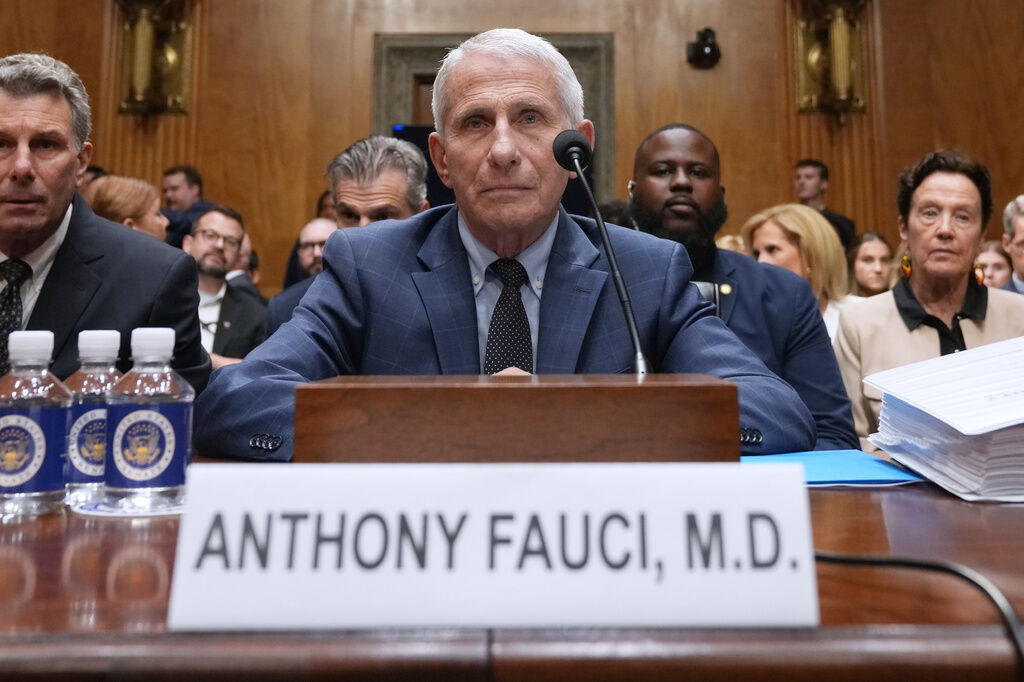
Dr. Anthony Fauci invoked his Fifth Amendment right against self-incrimination more than 100 times on Wednesday, a move legal experts described as strategically sound despite the politically damaging optics. Sen. Rand Paul (R-KY), chairman of the U.S. Senate Committee on...

Democrats must win 57 out of 77 competitive House seats to take majority: Cook Political Report
Hailey Bullis
hailey-bullis@coloradopolitics.com
Updated 13 hours ago
Democrats’ path to retaking the House in November has significantly slimmed as a result of the mid-decade redistricting war this cycle, a new analysis found. The nonpartisan Cook Political Report found that under the newly drawn maps across 10 states,...
Denver labor acknowledgment proposal faces council committee questions
Deborah Grigsby
deborah.smith@denvergazette.com
Updated 17 hours ago
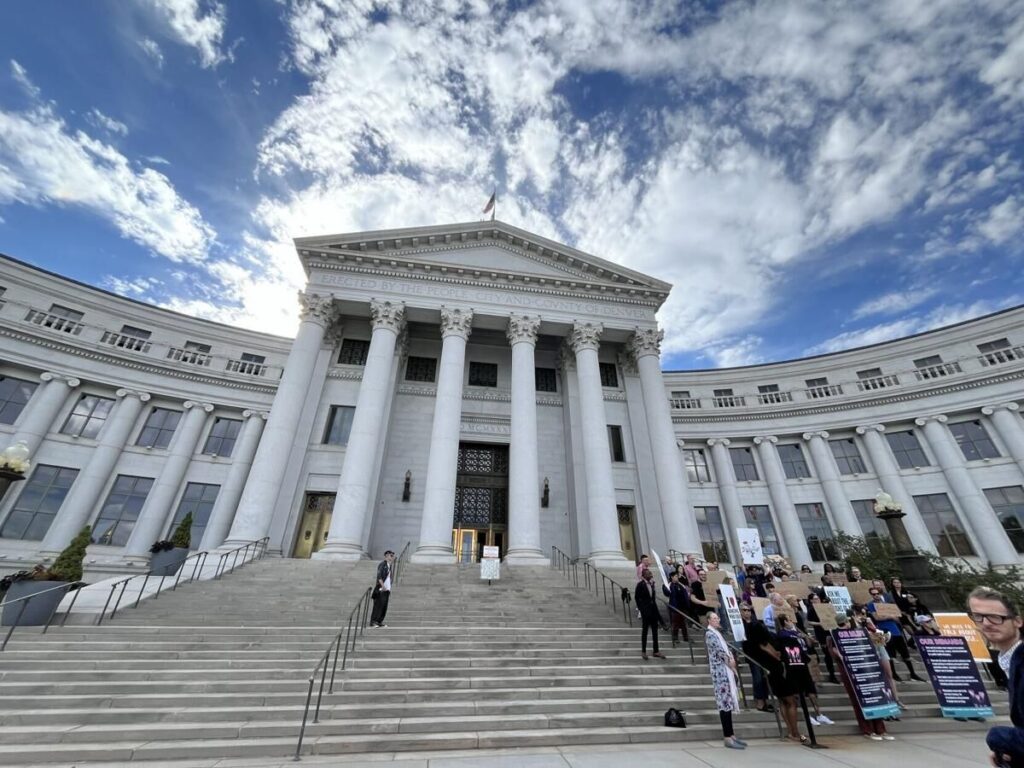
A proposal to add a labor acknowledgment to Denver City Council proceedings has been delayed by the Finance and Business Committee after members raised questions about its wording, intentions and place in the council’s opening proceedings. The proposal, put forth...
Fauci invokes the Fifth Amendment and declines to testify in GOP-led Senate panel’s COVID-19 hearing
The Associated Press
the-associated-press@coloradopolitics.com
Updated 18 hours ago
WASHINGTON (AP) — Dr. Anthony Fauci on Wednesday invoked the Fifth Amendment and declined to answer questions from senators in a Republican-led committee hearing about his handling of the COVID-19 pandemic. The move injects new drama into the lingering tensions...

Colorado residents rush to buy guns ahead of new restrictions, breaking sales records for several stores
By Debbie Kelley
by-debbie-kelley@coloradopolitics.com
Updated 17 hours ago
Colorado residents are lining up to buy guns ahead of the latest weapons restrictions set to take effect this Saturday. The new law mandates individuals seeking to purchase semiautomatic firearms with detachable magazines to first complete a firearm safety course...

Crime continues to decline in Aurora, police chief says
Kyla Pearce
kyla.pearce@gazette.com
Updated 18 hours ago
Crime in Aurora continued to decline in the first half of 2026, according to Aurora Police Department officials. Crime overall in the city has been on a downward trend since 2024, according to APD. Between Jan. 1 and June 30,...

El Paso County rejects multi-family zoning request near Monument Academy
Savannah Eller
savannah-eller@coloradopolitics.com
Updated 17 hours ago
The El Paso County Board of Commissioners narrowly rejected a developer’s bid to convert land from low- to high-density residential zoning. The request, made by MA Infrastructure, LLC, would have allowed 12 units per acre on half of a 14-acre...
Atop taxes, here’s how much each Colorado resident pays in fees
Marissa Ventrelli
marissa.ventrelli@coloradopolitics.com
Updated 1 day ago
Each Colorado resident paid nearly $5,000 in state-sanctioned fees last year, according to a report by a policy think tank. The report, which analyzed how fees have affected Colorado’s economy, found that fee revenue has more than tripled since 2008...
PREV
PREVIOUS
State activates 2-1-1 for COVID-19 resources
The state of Colorado activated the 2-1-1 help center on Thursday to serve as an additional resource for those seeking information and referrals during the coronavirus pandemic. “We are grateful to the state of Colorado for their support and all the volunteers and donors who are supporting us to be able to answer the call,” said Christine […]

Denver state, local leaders launch citywide phone bank to connect community to COVID-19 services
Elected leaders representing Denver at the state and local level are organizing a citywide phone bank to connect the city’s older residents to support services to help them navigate the coronavirus crisis. The Denver delegation to the state legislature – including Sens. Julie Gonzales, Chris Hansen, Robert Rodriguez, Tammy Story and Angela Williams, as well as […]