

Coloradans can count on a wait before full Super Tuesday primary results are known
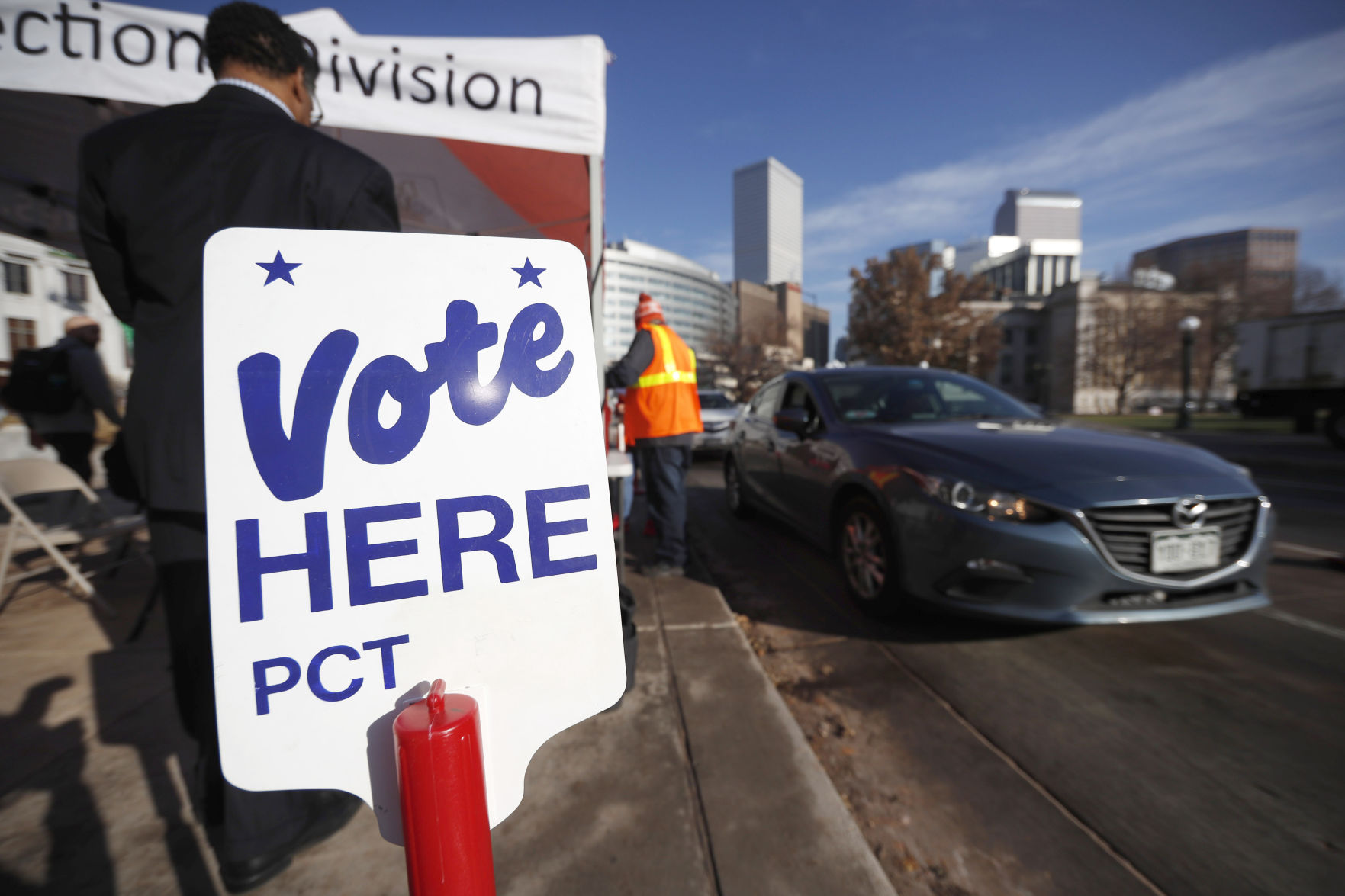
Election watchers probably won’t know the results of Colorado’s Super Tuesday presidential primary for days, and the full returns might not be available for weeks.
The major parties’ presidential primaries determine two things – which candidates get the most votes, and how many delegates they receive.
The first set of results, designating a winner and the other candidates’ relative finishes, is good for bragging rights and headlines but not much else, since it’s the accumulation of delegates to the parties’ national conventions that will ultimately yield nominees.
While some results will likely be apparent Tuesday night, within hours of the polls closing at 7 p.m., the all-important delegate allocation in the Democratic primary might not be finalized until later this month, state and party officials say.
The delays aren’t cause for alarm, but are instead a sign the system is working, election officials say.
“We want to emphasize, as more and more results come in on election night and the days following, that is standard operating procedure in Colorado and does not mean there’s anything wrong,” said Dwight Shellman, manager of county election services for the Colorado Secretary of State’s Office.
That’s because Colorado law requires county clerks to wait until nine days after the election before determining they have all the ballots in hand, and at least on the Democrats’ side this time, there will be some complicated math involved that can’t even begin until mostly complete results are available.
Colorado’s presidential primary – the first the state has conducted in 20 years – is a mostly mail-ballot election, and a good share of those ballots will be received by county clerks on Election Day. That can add significant processing time at county election centers, where bipartisan teams of election judges must verify the signature on every envelope and determine whether it’s a Democratic or Republican ballot before sending it into the counting system.
“That can take more time,” Shellman said.
He added that most counties are planning to shut down the count at 10 p.m. or just before midnight and resume on Wednesday.
“Election day is a really long day for the citizen election judges,” he said.
It’s common in Colorado’s mail ballot elections for as much as 40% of ballots to arrive on Election Day, but officials are bracing for even bigger numbers than usual in this year’s presidential primary because the fluid Democratic field has led voters to hang on to their ballots until the last minute.
The count isn’t finished until the ninth day after the election, Shellman noted, when the deadline to receive ballots from military and overseas voters has been reached and voters whose signatures were missing or rejected have had a chance to cure their ballots.
Nothing is official until 22 days after the election – March 26 in this case – when county canvass boards have convened and certified the results.
If the Democratic primary is close, the end results could hinge on the number of cured signatures and late-arriving ballots from military and overseas residents, whose ballots must be postmarked by the time polls close. (Local voters don’t have that luxury and must ensure their ballots are received by county clerks by 7 p.m. Tuesday.)
There’s little suspense in the state’s Republican primary, which features President Donald Trump and five challengers, including one who withdrew from the race shortly before ballots went out.
In addition, unlike the Democrats, the Republicans allocate delegates on a winner-take-all basis for candidates who get more than 50% of the vote statewide, so Trump is almost certain to emerge from Colorado with all 37 of the available GOP delegates.
On the Democratic side, where 67 delegates are at stake, it’s more complicated, both because there’s a crowded primary with five major candidates and because the party hands out delegates proportionally to everyone who gets at least 15% of the vote either statewide or in any of the state’s seven congressional districts.
Democratic candidates can scoop up a share of 23 delegates based on their finish statewide, with the remaining 44 allocated by congressional district.
It will be up to Democratic Party officials to figure out how each of the candidates perform in individual congressional districts, since the Secretary of State’s Office reports results by county, and some counties span more than one congressional district.
If some candidates are on the cusp of the crucial 15% threshold to earn a delegate, party officials might not be able to finalize their math until all the ballots are counted – and they’ve had a chance to examine precinct-level returns, which won’t be available until later in March.


Colorado’s ‘right to natural gas’ measure submits signatures to qualify for November ballot
Marissa Ventrelli
marissa.ventrelli@coloradopolitics.com
Updated 22 hours ago
A natural-gas rights initiative backed by Advance Colorado is likely headed to the November ballot, triggering a parallel campaign by environmental groups seeking to impose new liabilities on oil and gas operators. Petitions for Initiative No. 177 were turned in...
Colorado’s ‘right to natural gas’ measure submits signatures to qualify for November ballot
Marissa Ventrelli
marissa.ventrelli@coloradopolitics.com
Updated 22 hours ago
A natural-gas rights initiative backed by Advance Colorado is likely headed to the November ballot, triggering a parallel campaign by environmental groups seeking to impose new liabilities on oil and gas operators. Petitions for Initiative No. 177 were turned in...
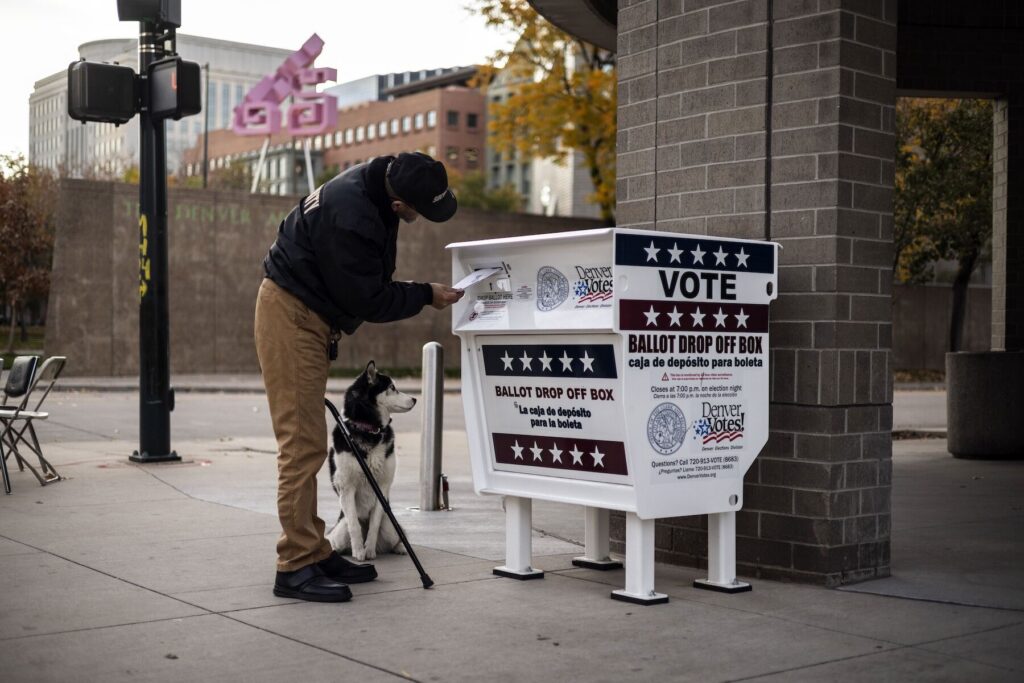
Colorado’s primary turnout tops 10% as election officials warn it’s too late to mail ballots
Ernest Luning
ernest.luning@coloradopolitics.com
Updated 18 hours ago
Colorado election officials cautioned on Tuesday that it’s too late to mail ballots for the June 30 primary and urged voters to use drop boxes and their county’s voting centers instead. Secretary of State Jena Griswold said in a release...

Rural frustration, parental rights shape Scott Bottoms’ pitch ahead of Colorado’s gubernatorial primaries
Thelma Grimes
thelma.grimes@coloradopolitics.com
Updated 2 days ago
With just weeks before Colorado’s June primary, Republican gubernatorial candidate state Rep. Scott Bottoms is spending nearly all his time on the road — literally crisscrossing the Western Slope and Eastern Plains — in a final push to connect with...
Registered voters on the eve of the 2026 primaries | Cronin & Loevy
Tom Cronin Bob Loevy
tom-cronin-bob-loevy@coloradopolitics.com
Updated 5 days ago
The Colorado Secretary of State’s Office has published the latest voter registration figures for the state and its counties as of June. Colorado ranks among the highest states for independent, or unaffiliated, voters. Only Alaska and Massachusetts have more. New Hampshire, New Jersey, Maine and Oregon also rank highly. So here...
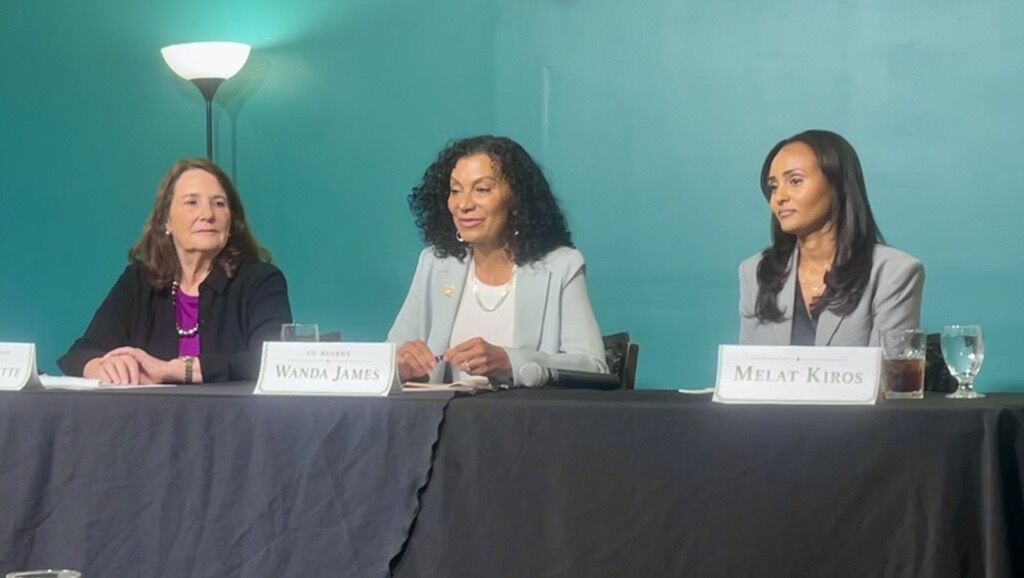
Democratic candidates DeGette, Kiros and James clash in CD1 forum
Marissa Ventrelli
marissa.ventrelli@coloradopolitics.com
Updated 3 days ago
The three Democratic candidates for Colorado’s 1st Congressional District clashed on Friday night over a host of issues, even as they expressed frustration with their party. The candidates — U.S. Rep. Diana DeGette, doctoral student Melat Kiros and university regent...
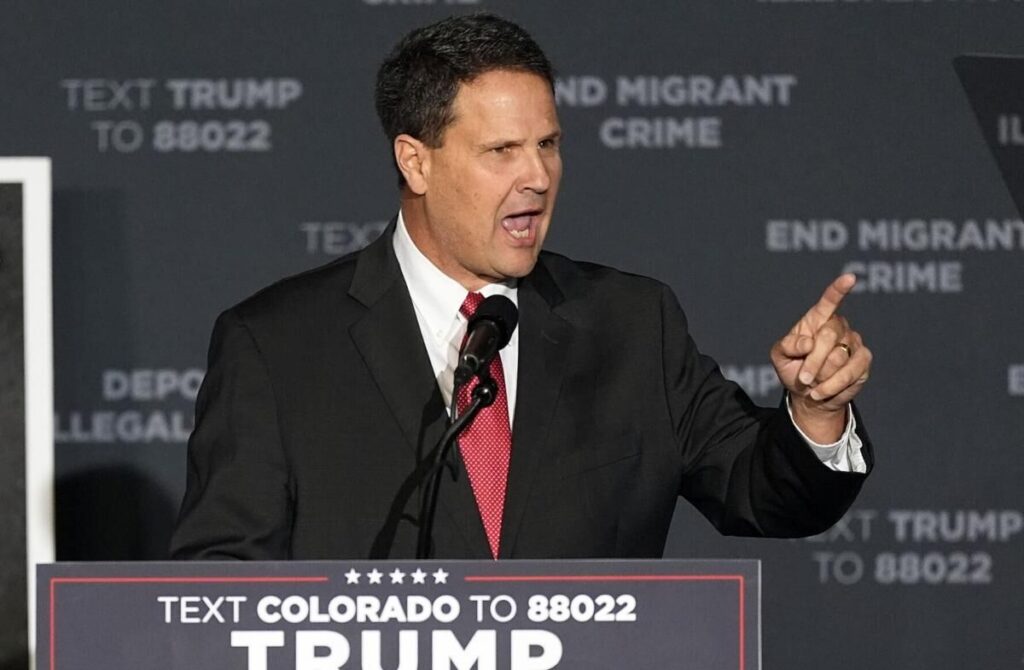
Rep. Jeff Crank thinks Democrats are too focused on Trump, not enough on Colorado Springs | Vince Bzdek
Vince Bzdek
vince.bzdek@gazette.com
Updated 4 days ago
For U.S. Rep. Jeff Crank, who’s unopposed in the Republican primary for the 5th Congressional District but the main target of both candidates in the lively Democratic primary, the big question in the midterms is not who will stand up...
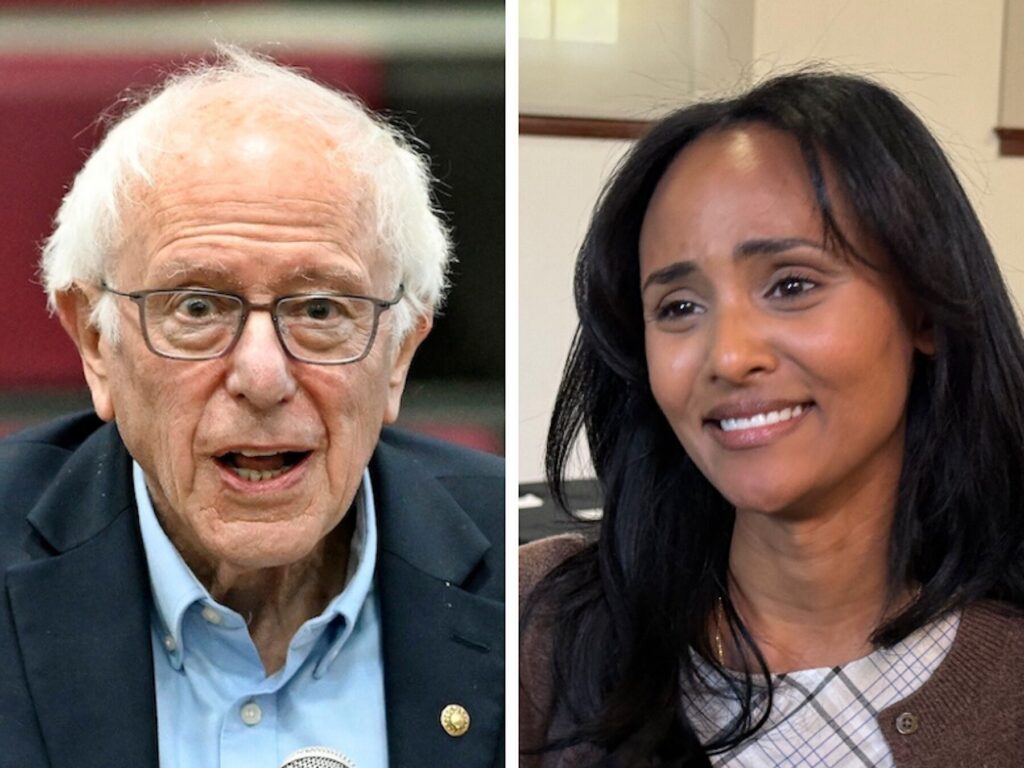
Bernie Sanders endorses DeGette challenger Melat Kiros in Colorado’s 1st CD Democratic primary
Ernest Luning
ernest.luning@coloradopolitics.com
Updated 6 days ago
U.S. Sen. Bernie Sanders on Friday endorsed congressional candidate Melat Kiros, one of two Democrats challenging 15-term U.S. Rep. Diana DeGette in Colorado’s June primary. Sanders, a Vermont independent who caucuses with the Democrats, called the 29-year-old Kiros “exactly the...
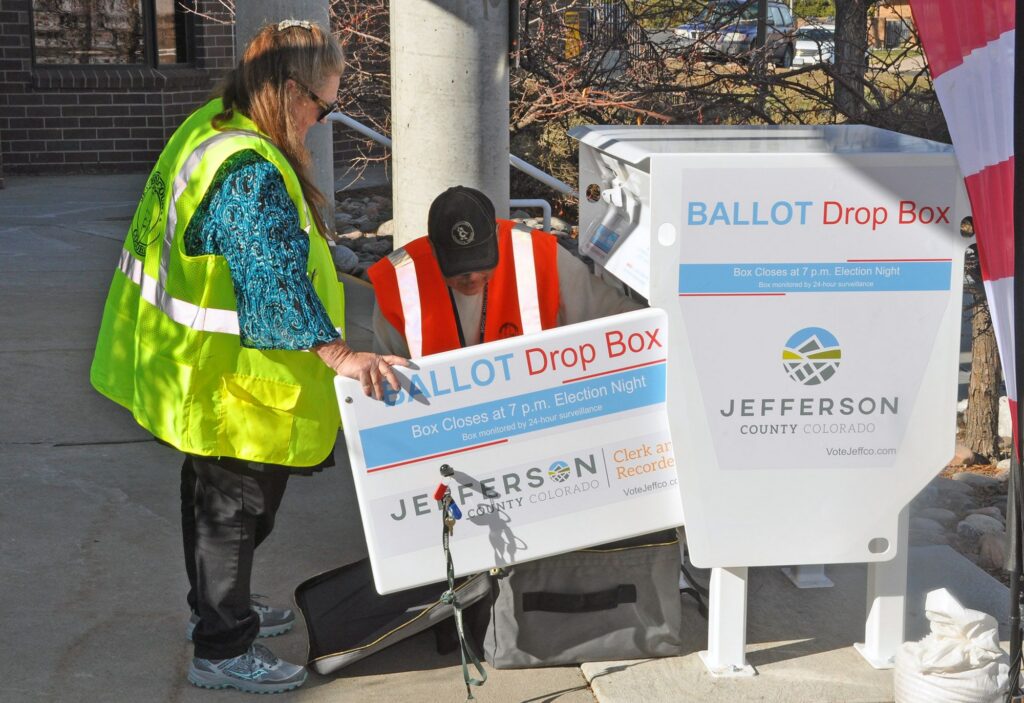
Democratic ballots outpace Republicans’ as Colorado’s primary vote starts to trickle in
Ernest Luning
ernest.luning@coloradopolitics.com
Updated 6 days ago
With less than two weeks left before ballots are due in Colorado’s primary election, election officials have logged in ballots from just under 6% of the state’s 4 million active, registered voters, the Colorado Secretary of State’s Office said Thursday....
Amid public pressure, Colorado candidates tackle social media regulations for minors
Bethany Johnson
bethany.johnson@denvergazette.com
Updated 4 days ago
Following the accidental overdose of her daughter in 2020, Patti Lujan pursued a lawsuit against Snapchat, the social media platform that, she claimed, connected her daughter with a drug dealer. In a news release announcing the lawsuit, Lujan alleged that...
PREV
PREVIOUS

Gov. Jared Polis announces state response to COVID-19
Gov. Jared Polis on Tuesday, surrounded by a bevy of state officials, said he has activated an emergency team that includes 10 state agencies to step up the state’s response to COVID-19, the latest version of a coronavirus that surfaced in China last year and has now spread to 58 countries, including the United States, […]
Lake County election officials tracking down hundreds of voters to confirm ballot selections
LAKE COUNTY – Lake County Clerk and Recorder Patty Berger is counting on the honor system to help clear up which party ballot 274 unaffiliated voters turned in for Colorado’s presidential primary. Unaffiliated voters are sent both Democratic and Republican primary ballots. They are supposed to pick one party ballot for their vote. It’s the […]