

Report: Denver, Colo Springs metro areas exceeded 100 days of poor air quality in 2018
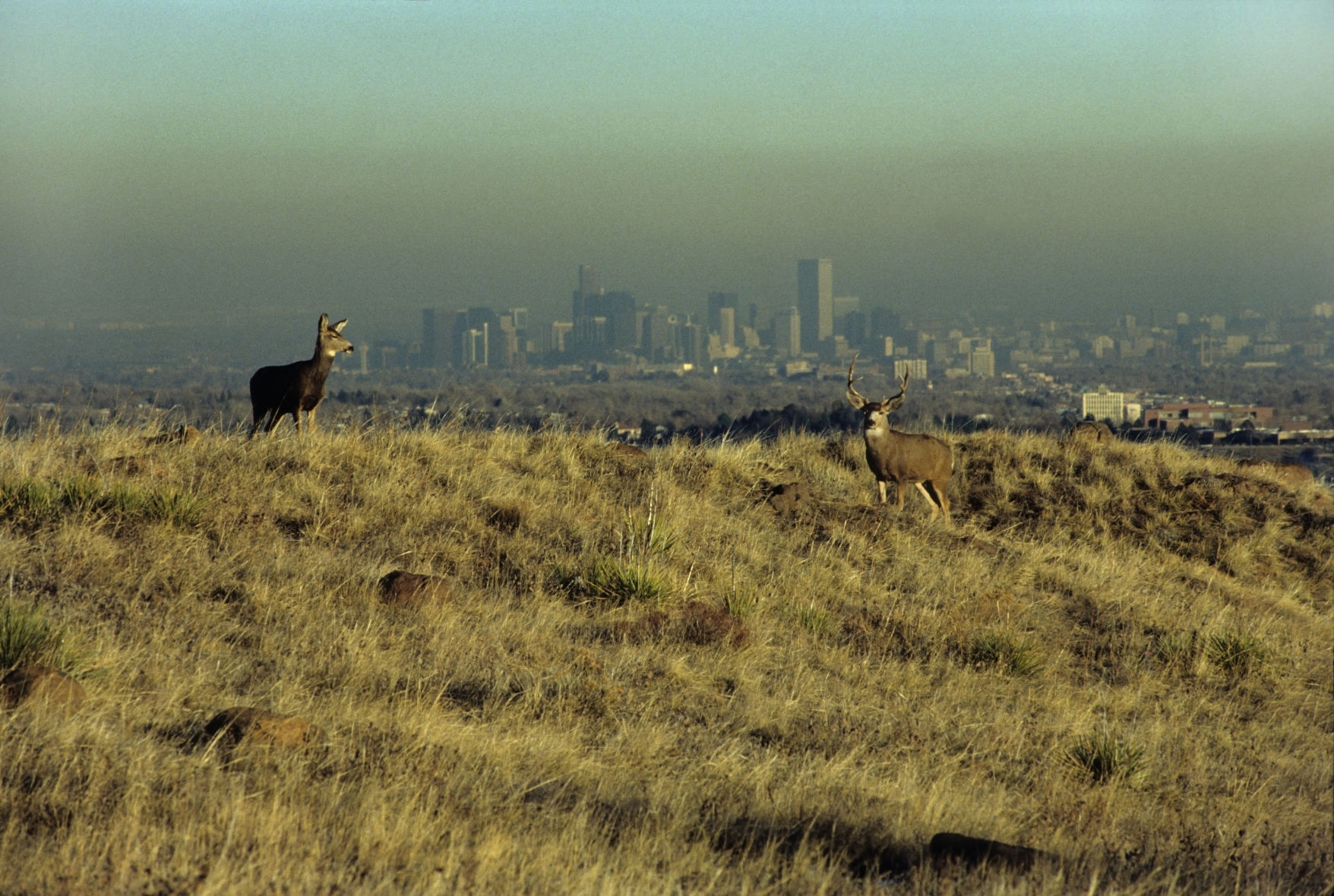
In 2018, the Denver-Aurora-Lakewood metropolitan area experienced approximately 131 days of degraded air quality, according to a new report.
The Environment Colorado Research & Policy Center and and Colorado PIRG Education Fund used air quality data from the U.S. Environmental Protection Agency to determine how frequently ground-level ozone and fine particulate matter were elevated nationwide.
“In 2018, 108 million Americans lived in areas that experienced more than 100 days of degraded air quality,” the report concluded. Most of the affected areas were urban. However, 12 rural counties also saw ground-level ozone and fine particulate matter in excess of the EPA’s “little to no risk” threshold.
Although the EPA’s air quality index – which is a scale from zero to 500 – considers a measurement of 101 to be the start of unhealthy air quality for sensitive groups, the report included “moderate” air quality measurements of 51 or higher in its calculation.
“The data show that America’s existing air quality standards aren’t doing enough to protect our health,” said co-author Elizabeth Ridlington of Frontier Group, a liberal-leaning research firm. “As the climate warms, higher temperatures and more severe wildfires increase air pollution and the threat to human health.”
The Colorado Springs metro area had 119 days with air quality measurements of 51 or higher. The Riverside and San Bernardino metro area in Southern California, home to more than 4.6 million people, had the highest rate of degraded air days, totaling 227.
Ground-level ozone, a component of smog, is associated with respiratory problems and premature death. The transportation sector accounts for approximately 60% of the emissions that form ground-level ozone. Wildfire smoke across many western states also contributed to poor air quality.
Among the report’s recommendations were a call to increase use of zero-emission vehicles, maintain strong fuel-economy standards, and expand urban tree cover as a means of storing carbon and filtering pollution from the air.



Lauren Boebert’s hard ‘no’ on Pentagon Iran funding request puts Mike Johnson in tough spot
Emily Hallas, Washington Examiner
emily.hallas.washington.examiner@gazetteedit.wpenginepowered.com
Updated 31 minutes ago
Colorado U.S. Rep. Lauren Boebert announced on Thursday that she will not support further funding for the United States’s war in Iran, marking an uphill battle for the Trump administration’s effort to secure additional financing from Congress. “I’ve already told...
Rubio gains ground in 2028 jockeying as Iran war elevates his profile
Samantha-Jo Roth, Washington Examiner
samantha-jo.roth.washington.examiner@gazetteedit.wpenginepowered.com
Updated 41 minutes ago
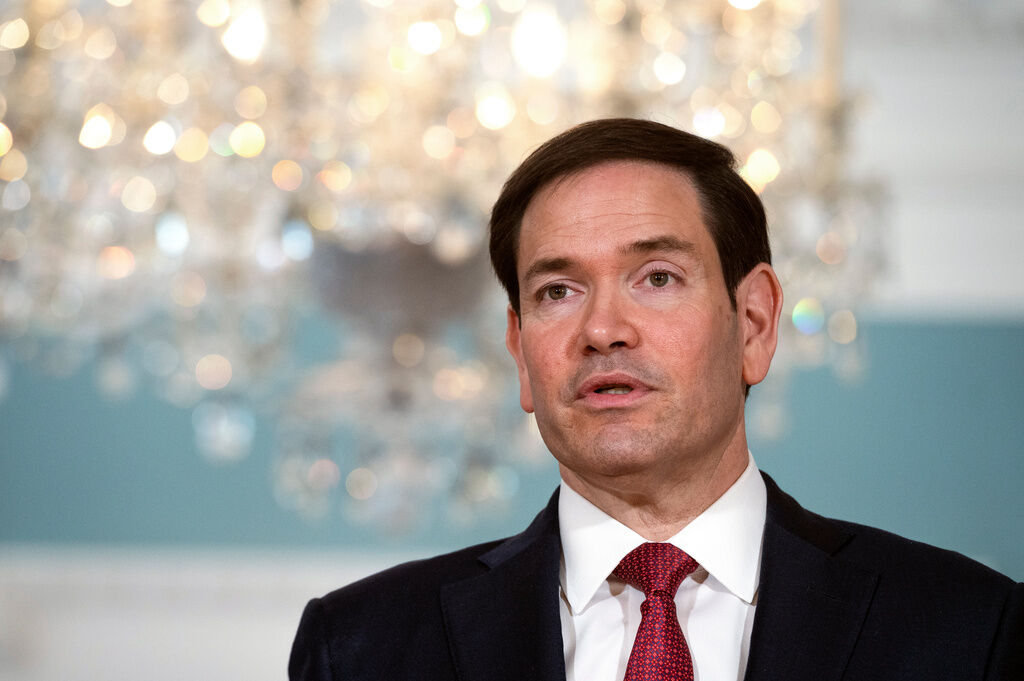
Secretary of State Marco Rubio’s high-profile role in the Trump administration’s response to the Iran war is boosting his standing in the early jockeying for the 2028 Republican presidential nomination — and positioning him as a possible rival to Vice...

Federal judge dismisses claims against medical contractor for Eagle County jail suicide
Michael Karlik
michael.karlik@coloradopolitics.com
Updated 1 hour ago
A federal judge dismissed the claims against a medical contractor for the Eagle County jail and its employees earlier this month, concluding there were insufficient allegations that they violated the constitutional rights of a man who died by suicide in...

Colorado Senate committee advances bill increasing overtime threshold for farmworkers
Marianne Goodland
marianne.goodland@coloradopolitics.com
Updated 2 hours ago
The struggle to balance farmworker protections with the survival of Colorado’s family farms took center stage Thursday as senators debated two competing overtime bills. The Senate Business, Labor and Technology Committee held a rare double-bill hearing that led to a...

Colorado bill to fund mental health care with alcohol taxes defeated in House committee
Marissa Ventrelli
marissa.ventrelli@coloradopolitics.com
Updated 28 minutes ago
A second measure proposing that alcohol producers and wholesalers in Colorado help fund mental health care treatment in the state was narrowly defeated in the House Health and Human Services Committee on Wednesday. House Bill 1301, sponsored by Rep. Bob...

Lawsuit targets Gov. Polis, Colorado officials for holding juveniles after court‑ordered release
Marissa Ventrelli
marissa.ventrelli@coloradopolitics.com
Updated 27 minutes ago
Colorado officials are facing a lawsuit alleging the state has kept minors in juvenile detention for days or months after judges ordered them released, largely because appropriate foster or community placements were not available. Two minors involved in Colorado’s criminal...
Federal judge advances lawsuit seeking overtime compensation for Aurora firefighter trainees
Michael Karlik
michael.karlik@coloradopolitics.com
Updated 5 hours ago
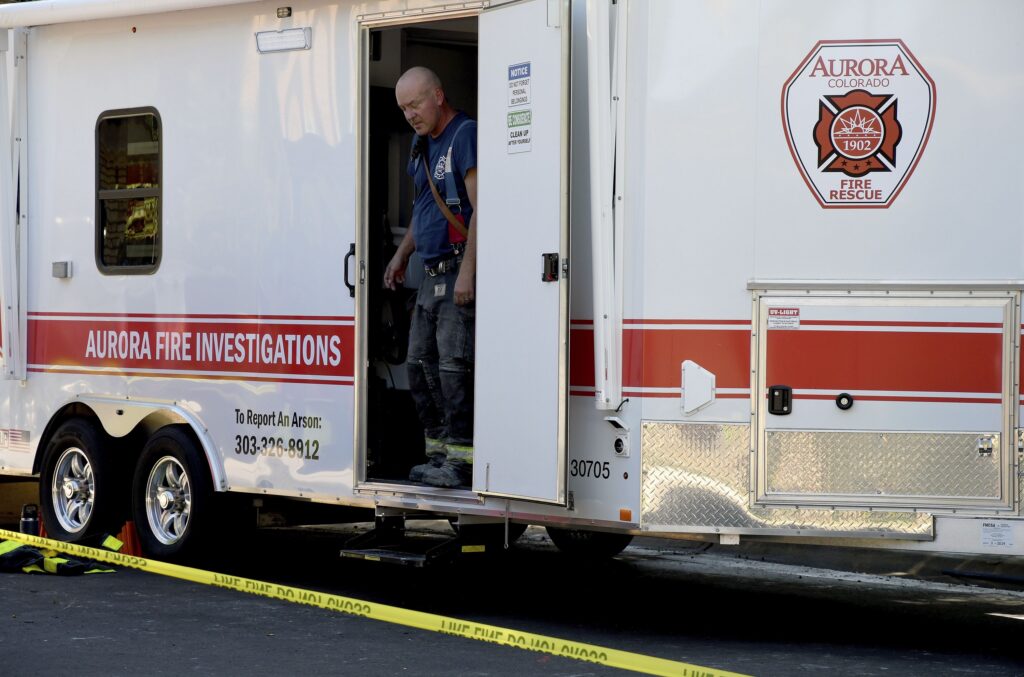
A federal judge gave preliminary approval earlier this month to a class of Aurora firefighter trainees who may sue the city over allegations that they were denied overtime pay in violation of federal law. Joseph Elias, who attended Aurora’s fire...
Appeals court says jury not obligated to apply discounts to determine value of stolen merch
Michael Karlik
michael.karlik@coloradopolitics.com
Updated 5 hours ago
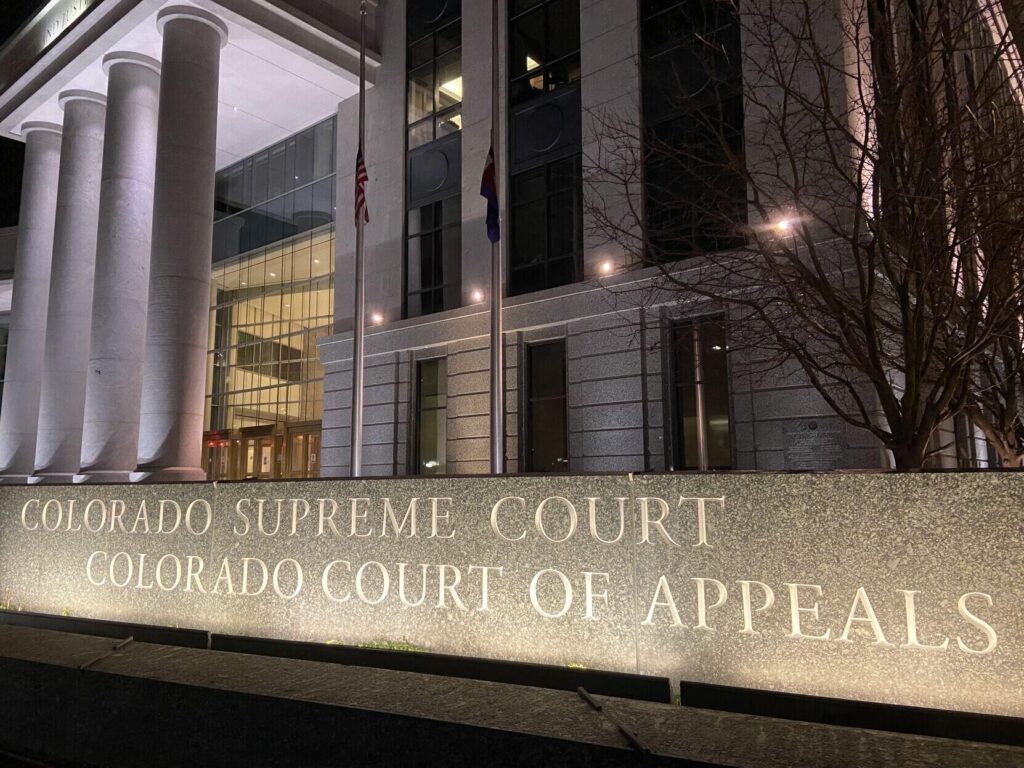
Colorado’s second-highest court concluded on Thursday that it was up to a Douglas County jury to determine the value of stolen merchandise at a defendant’s theft trial, after both sides presented different estimates of the items’ value. Under state law,...

Trump switches endorsement back to Jeff Hurd, says Hope Scheppelman is ending run in Colorado’s 3rd CD
Ernest Luning
ernest.luning@coloradopolitics.com
Updated 3 hours ago
In a surprise twist, President Donald Trump on Friday said he was again endorsing Republican U.S. Rep. Jeff Hurd after pulling his support from the Grand Junction Republican last month and instead backing Hurd’s primary challenger in Colorado’s 3rd Congressional...
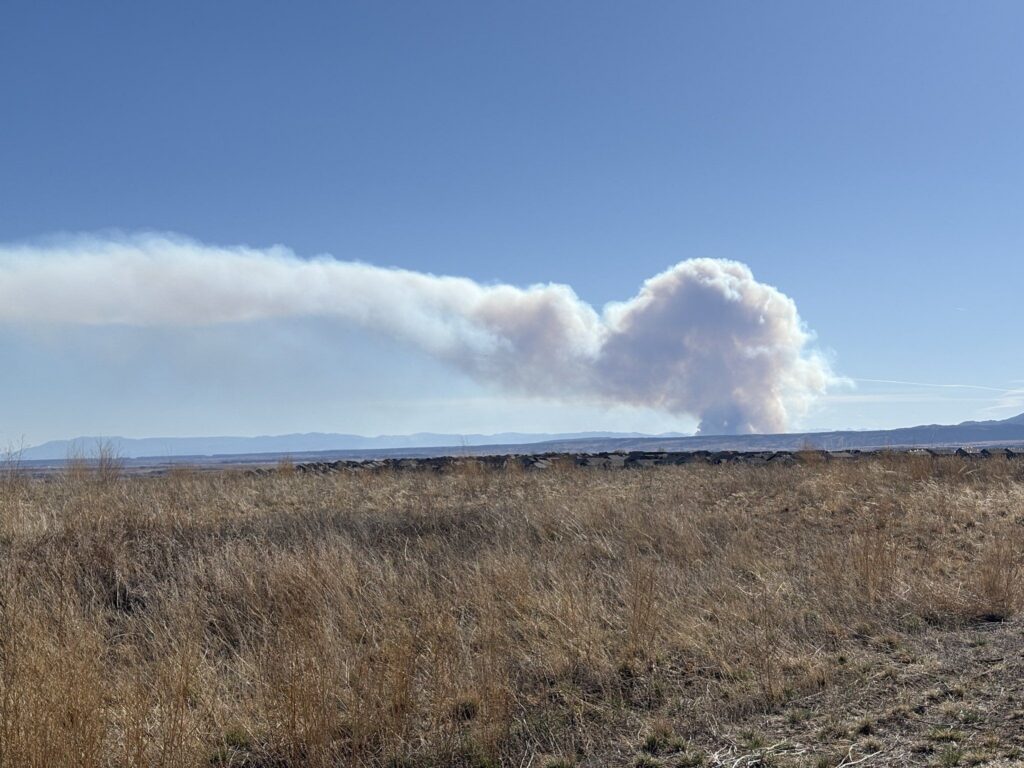
Highway 115 fire blows up, road closed south of Colorado Springs
Nick Smith
nick-smith@coloradopolitics.com
Updated 3 hours ago
A fast-moving fire burning along Colorado 115 south of Colorado Springs blew the containment line Thursday, spreading farther east onto Fort Carson and scorching nearly 700 acres, officials said. The blaze, known as the 24 fire, was fully uncontained as...
PREV
PREVIOUS

Survey: Colorado Springs had 4th highest one-year rent growth
Colorado Springs had the fourth-highest growth in rent prices among major U.S. cities in the past year, a new survey found. Apartment List, an online rental marketplace, found that average rents in the past year increased 3.3% in Colorado Springs, compared to 1.4% nationally. The company noted that in the past five years, rents in […]

Complaint filed against Arvada for excessive police force
A lawsuit against the city of Arvada claims that the city was involved in “covering up” what the plaintiff deems a pattern of excessive force by the officer who allegedly assaulted him. In a federal lawsuit filed on Monday, Travis Cook, age unknown, writes that on Feb. 11, 2018, he was involved in an argument […]