

Capitol M extra: The Colorado General Assembly celebrates a milestone
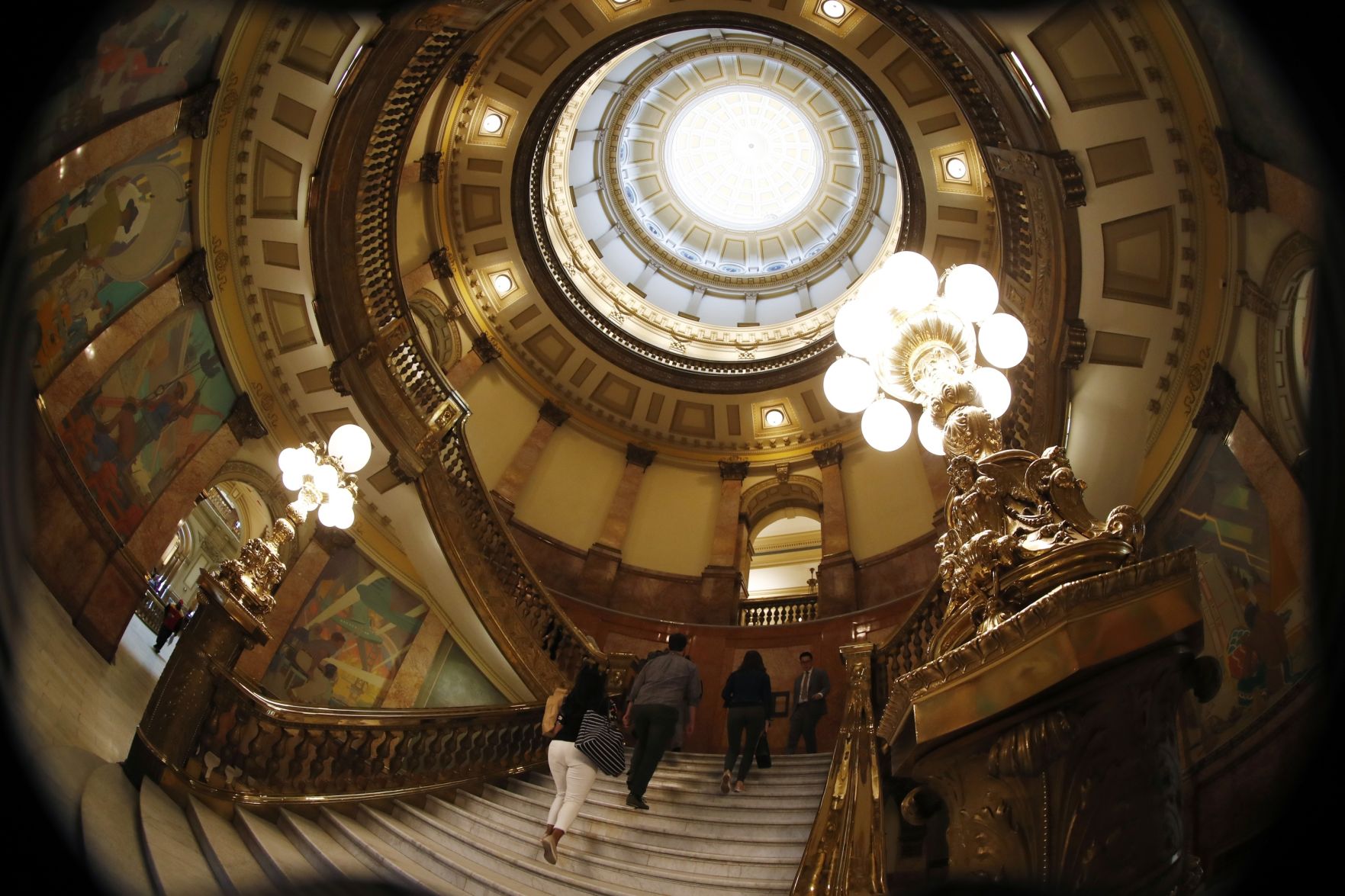
The occasionally lighter side of the state Capitol and those who wander within.
Today, Capitol M salutes Darren Thornberry.
Thornberry is a senior legislative editor for the Office of Legislative Legal Services , which means he edits bills, resolutions, amendments and the like. In his spare time, he’s a freelance writer and keeps his eye on state Capitol history.
In a post on the OLLS blog Thursday, he noted that the first time the Colorado General Assembly convened in the chambers of the state Capitol was Jan. 2, 1895, making Thursday the state Legislature’s 125th year of meeting in the Capitol. Construction began in 1889; the building opened in November of 1894. The Capitol, however, wasn’t fully finished until 1903. “Imagine the deafening din of hammers and trowels while trying to debate on the chamber floors. Just getting here from far flung Trinidad, Leadville, or Ouray would have been a feat,” Thornberry wrote.
The state Capitol’s location went through several iterations while Colorado was still a territory and before statehood in 1876, including Golden, Colorado City and Denver. Colorado voters decided to make Denver the permanent seat of government in 1881.
As to that first opening day in 1895, some of the pomp and circumstance bears little resemblance to the way business is done now. For example, the chief clerk of the house and secretary of the Senate were both lawmakers, not employees of the General Assembly as is the case today.
Thornberry wrote that according to the Senate Journal for opening day, “Lt. Gov. David H. Nichols and Asst. Secretary of the Ninth General Assembly, Stanley Stokes, called the Senate to order (exact time unknown) and Rev. Thomas Uzzell gave the invocation. Chief Justice of the Colorado Supreme Court, Charles Hayt, administered the oath to 16 newly elected senators.” The Senate president from 1895 to 1898 was farmer, cattleman and banker Jared Brush, for whom the town of Brush, in Morgan County, is named.
The House convened at noon that day, “led by Chief Clerk of the Ninth General Assembly John R. Wallingford, followed by a prayer by Prof. T.N. Haskell. Among the day’s business was nominating a clerk pro tempore, and the body unanimously voted for Wallingford,” the journal said. Arthur Lucas Humphrey of El Paso County, a “master mechanic” in the railroad industry, was elected Speaker of the House.
Among the House committees that met in that first year in the Capitol: penitentiary, printing, roads and bridges, public buildings, fees and salaries, counties and county lines (sure to be a barn-burner of a discussion point back then), and state canals & reservoirs.
Senate committees carried names like privileges and elections; stock; supplies and expenditures; railroads and corporations; and mines and mining.
It also wasn’t exactly a two-party system back then, either. In addition to now-standard party affiliations (Democrat and Republican) the General Assembly had representatives from the Populist Party, National Silver Republicans and perhaps the most interesting, the Teller Silver Republican Party.
The Teller Silver Republican Party’s most notable House representative — whose claim to fame was making the columbine Colorado’s state flower — was a woman who wasn’t even eligible to vote when she was elected in 1898. Dr. Mary Frye Barry of Pueblo, who served in the 1899-1900 sessions, was a physician. According to “Her Hat Was in the Ring,” in addition to the bill on columbines, Barry also carried legislation on “comprehensive education mandated for children between 8- and 14-years-old; kindergarten classes included in public schools; creation of county high schools; creation of a library commission; a law protecting sewing machines, bicycles, and other articles of the poor from seizure; a mechanic’s lien law; and protection for the rights of laborers.”
The Populist Party had more members in the 1895 session than Democrats had, although state records showed that many members of the General Assembly moved from one party to another more often than you’d think. Sen. Casimiro Barela of Las Animas County was a member of three political parties (Democrat, Republican and Populist) during the course of his 40 years in the General Assembly, from 1876 to 1916. That, by the way, ties him for first place for longest service with Sen. Sam Tesitore Taylor of Walsenburg, who served from 1935 to 1974.
*Correction to note that Sen. Taylor was from Walsenburg.
Colorado Politics Must-Reads:

Colorado Supreme Court signals intervention in dispute over treatment for trans children
Michael Karlik
michael.karlik@coloradopolitics.com
Updated 8 hours ago
The Colorado Supreme Court ordered Children’s Hospital Colorado on Tuesday to explain why it should not direct the organization to resume providing certain types of services to transgender children in compliance with the state’s non-discrimination law. Last month, a Denver...
Trump faces first domestic test on Iran conflict with Senate war powers vote
Ramsey Touchberry, Washington Examiner
ramsey.touchberry.washington.examiner@gazetteedit.wpenginepowered.com
Updated 9 hours ago
Administration officials are scrambling to sell members of Congress on President Donald Trump’s military operations in Iran ahead of bipartisan attempts to limit his war powers in the Middle East without approval from lawmakers. The Senate and House are set...
Supreme Court hands California parents win over secret gender transition policy
Jack Birle, Washington Examiner
jack.birle.washington.examiner@gazetteedit.wpenginepowered.com
Updated 10 hours ago
The Supreme Court gave California parents a significant victory late Monday when it kept in place a lower court’s block of the Golden State’s public school policy hiding students’ gender identity and preferred pronouns from parents. A 6-3 majority on...
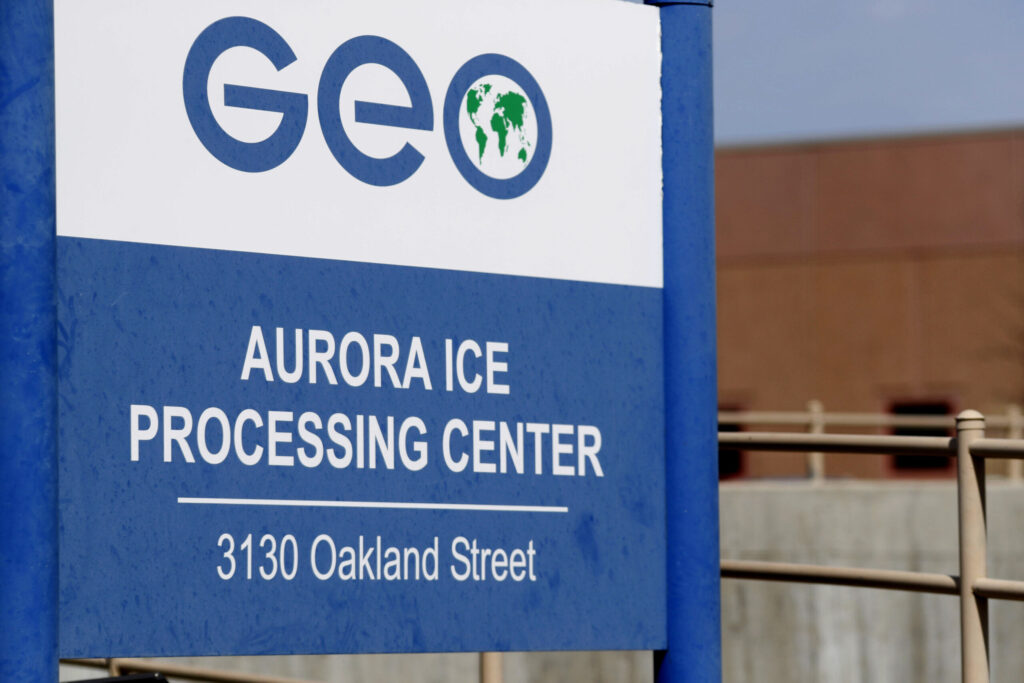
Judge nixes latest policy requiring 7 days’ notice for Congress members to visit ICE facilities
Michael Kunzelman
michael.kunzelman@associatedpress.com
Updated 10 hours ago
WASHINGTON (AP) — A federal judge agreed on Monday to temporarily suspend the latest version of a Trump administration policy that requires members of Congress to provide a week’s notice before they can visit immigration detention facilities. U.S. District Judge...
Judge nixes latest policy requiring 7 days’ notice for Congress members to visit ICE facilities
Michael Kunzelman
michael.kunzelman@associatedpress.com
Updated 7 hours ago
WASHINGTON • A federal judge agreed on Monday to temporarily suspend the latest version of a Trump administration policy that requires members of Congress to provide a week’s notice before they can visit immigration detention facilities. U.S. District Judge Jia...
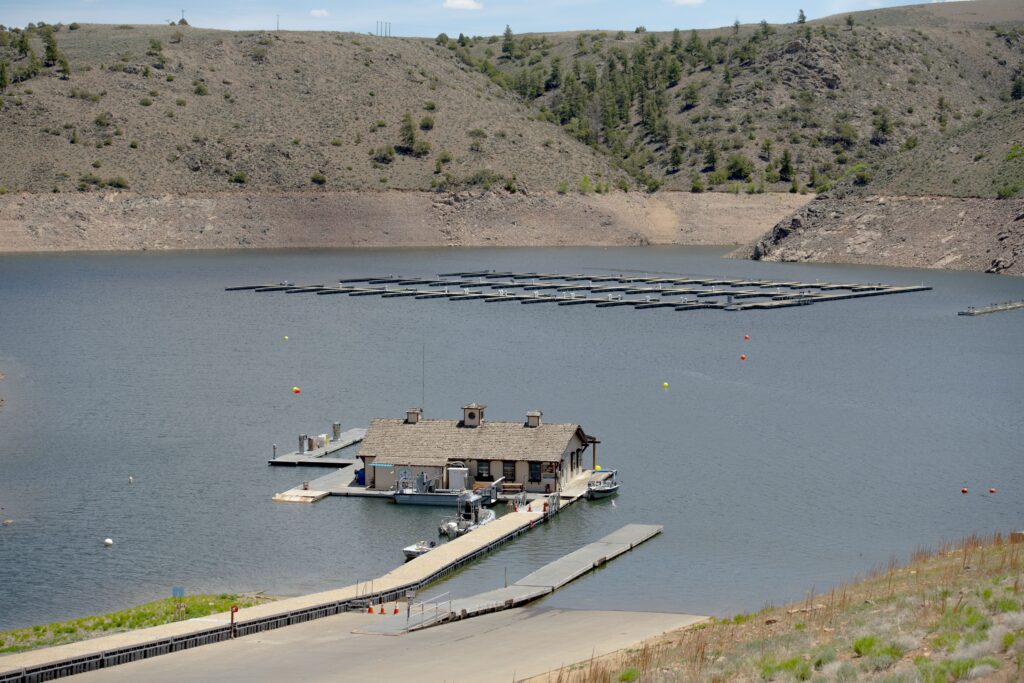
Gov. Polis, Upper Basin states criticize federal draft plan for managing the Colorado River
Marianne Goodland
marianne.goodland@coloradopolitics.com
Updated 10 hours ago
With no agreement among the seven Colorado River states and federal deadlines now passed, the Upper Colorado River Commission on Monday sharply criticized the U.S. Department of the Interior’s draft plan for managing the river after current guidelines expire this...
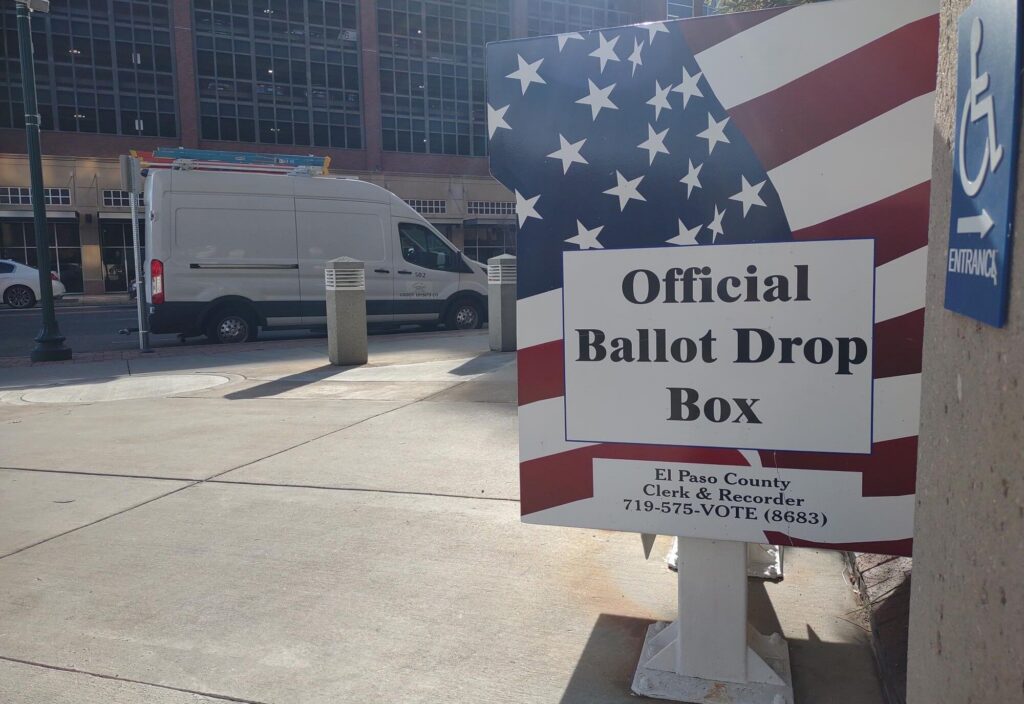
Ballot access, dual-office ban bills move swiftly through Colorado legislature
Marianne Goodland
marianne.goodland@coloradopolitics.com
Updated 11 hours ago
With an eye on the 2026 election cycle and mounting tensions with the Trump administration, Colorado lawmakers are fast-tracking a pair of election bills they say will protect the state’s mail ballot system and tighten rules for elected officials. The...
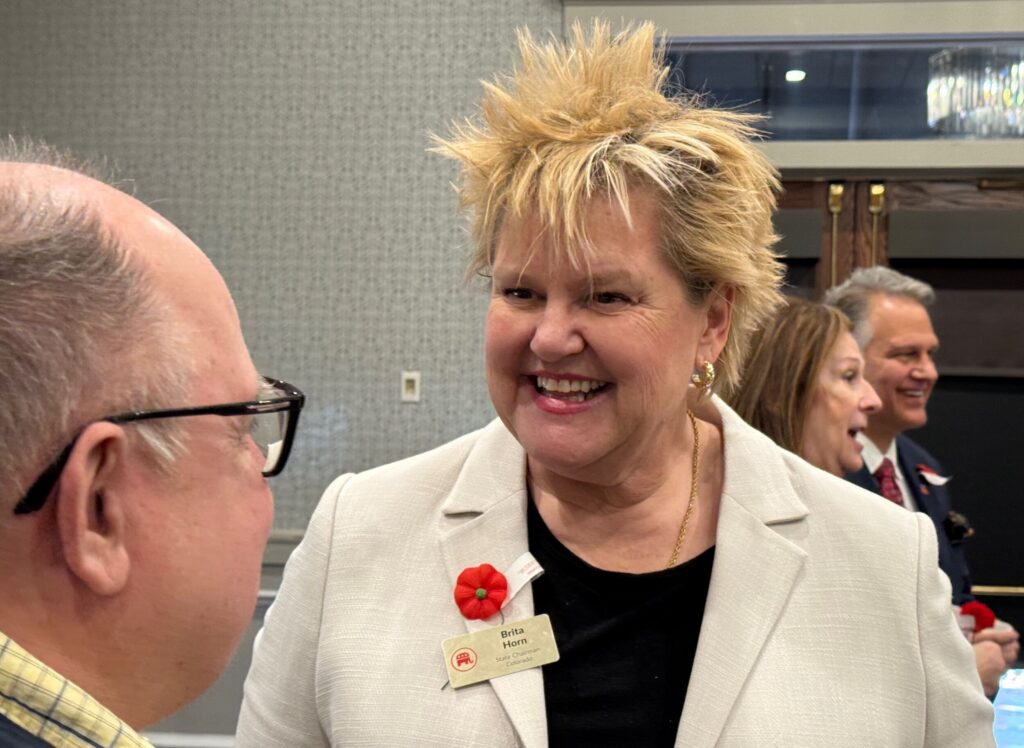
Colorado GOP chair Brita Horn loses ‘no-confidence’ vote, vows to refocus on ‘mending that divide’
Ernest Luning
ernest.luning@coloradopolitics.com
Updated 5 hours ago
The Colorado Republican Party’s state central committee approved a resolution expressing “no confidence” in state chair Brita Horn in a landslide late Monday night near the end of an online meeting marked by rancor and confusion. Almost 80% of the...

Trump to attend White House Correspondents’ Dinner for first time as president
Washington Examiner Staff, Washington Examiner
washington.examiner.staff.washington.examiner@gazetteedit.wpenginepowered.com
Updated 14 hours ago
President Donald Trump announced on Monday that he accepted an invitation to this year’s White House Correspondents’ Dinner. It would mark the first time Trump has attended the dinner, in either term, since he’s been president. Trump announced the decision...
Primary rival sues to prevent Democrat Eileen Laubacher from going through assembly in Colorado’s 4th CD
Ernest Luning
ernest.luning@coloradopolitics.com
Updated 16 hours ago
Democratic congressional candidate Trish Calvarese on Monday asked a judge to prevent one of her primary rivals, Eileen Laubacher, from participating in the caucus and assembly process to seek the nomination to challenge Republican U.S. Rep. Lauren Boebert in Colorado’s...
PREV
PREVIOUS

Snowmass Village HOA settles with federal government over housing discrimination complaint
The U.S. government has entered into a consent agreement with a homeowners association in Snowmass Village after a federal complaint alleged that the group violated the Fair Housing Act by denying an emotional support dog to a resident. Jason Neilson, who owns one of the 27 units in Creekside Condominiums, and his partner Kirsten Swick […]
Colorado Parks and Wildlife to hold southeast sportsmen's meeting
Colorado Parks and Wildlife announced that Southeast Region Manager Brett Ackerman will hold a caucus at the agency’s Colorado Springs office on Jan. 7. “If you love Colorado’s outdoors and wildlife, then you should attend our free caucus and join in our wide-ranging discussions with sportsmen and sportswomen,” Ackerman said. “We value your input and […]