

FEEDBACK | A shout-out for Denver — and an audit of RTD?

Plastic is devastating our ecosystem
The Denver City Council deserves a shout-out for recently passing an ordinance charging a fee if customers take their purchases home in a retail store’s plastic bags. Plastics are forever. And, not in a good way.
We eat, drink and breath them. As one news headline recently noted, “You’re probably eating plastic for dinner; you just don’t know it yet.” The culprits are everywhere, in our water, shellfish, toothpaste, salt and beer. Yes, beer!
Every load of wash releases millions microplastics, especially from those beloved fleece jackets. And more are released with each flush.
Over time, plastics degrade into microplastic fragments we can’t see. Animals and fish consume them and then we consume them. These microplastics float unseen through the air. About a half-pound ends up in our stomachs each year, over 120,000 microplastics annually.
The impact of plastics on our oceans and wildlife is devastating. The Great Pacific Garbage Patch in the Pacific Ocean is almost six times the size of Colorado, composed of fishing nets, trash, and, of course, tons of plastic debris.
Google the numerous heart-wrenching pictures of dead whales, their stomachs filled with plastic and trash, or watch the video of a plastic straw being removed from an endangered sea turtle’s nose.
Even if we recycle our plastic bags, it takes about 10 to 20 years for them to decompose in landfills. Plastic bottles take 450 years. Other plastic items can take up to 1,000 years, shedding more microplastic shards into the air and water.
True, banning plastic bags won’t solve our plastic problem. But, cities in Colorado that charge fees for plastic bags are creating an awareness of the bigger problem and motivating all of us to make our earth cleaner and healthier while educating and inspiring others.
This is a start. Bring reusable bags to the store; it’s not a new concept. But, to really make a difference, we need smart public policies, better recycling technology, alternative packaging, and new business models.
Barbara Wolpoff
Boulder
Marilee Menard
Westminster
Time for a closer look at RTD
With a window of opportunity opening but once every five years for a Regional Transportation District audit, would not this be a wonderful opportunity to delve deeper into its internal operations?
In the coming election year, should not both the legislators and taxpayers have much greater knowledge as to where our money is spent by an organization with a highly paid upper management staff? It is continuing to expand in the face of declining ridership, especially by building rail track milage while it cannot at present seem to find sufficient operators to operate on its present routes.
In addition to a “fare-box audit,” is it not also time to conduct a compensation audit, and possibly audits into other areas of RTD’s domains such as surplus property retentions?
Russell W Haas
Golden
Send us your feedback: Opinion@ColoradoPolitics.com
Colorado Politics Must-Reads:

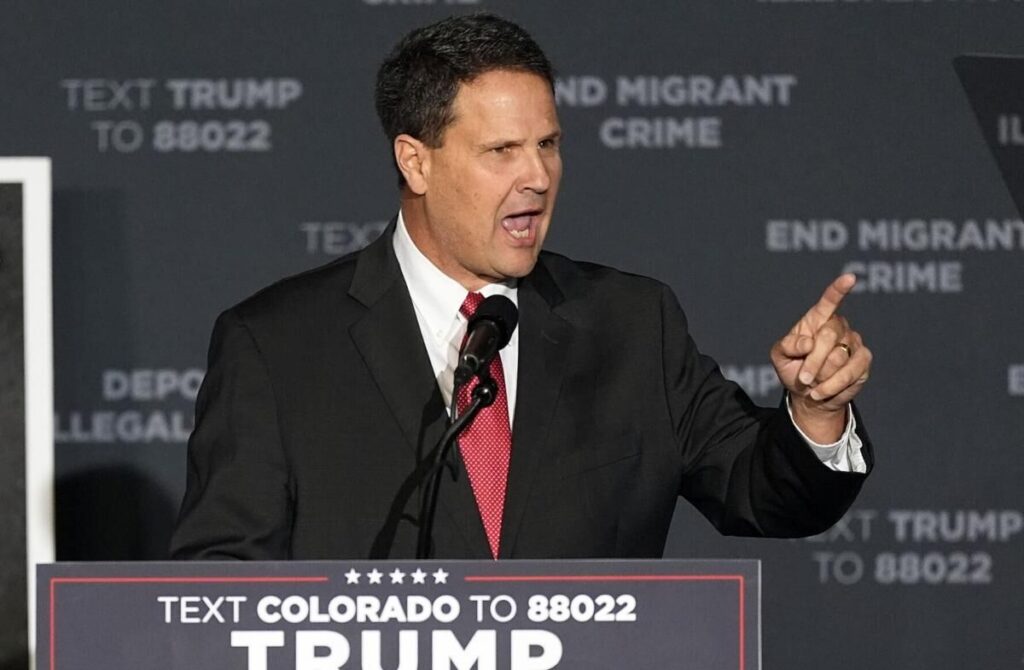
Rep. Jeff Crank thinks Democrats are too focused on Trump, not enough on Colorado Springs | Vince Bzdek
Vince Bzdek
vince.bzdek@gazette.com
Updated 3 hours ago
For U.S. Rep. Jeff Crank, who’s unopposed in the Republican primary for the 5th Congressional District but the main target of both candidates in the lively Democratic primary, the big question in the midterms is not who will stand up...
Does character matter anymore? | SONDERMANN
By Eric Sondermann
by-eric-sondermann@coloradopolitics.com
Updated 3 days ago
The last few weeks have been illuminating in the manner of a headlamp pointing the way to some deep, dark, murky netherworld. Graham Platner, a hero to the populist set on the Democratic side, became his party’s Senate nominee in...

Private equity has no place in health care | GUEST COLUMN
Colorado Politics
colorado-politics@coloradopolitics.com
Updated 2 days ago
By Miah Ntepp Of all the financial pressures placed on working people in this country, the skyrocketing costs of health care rank near the top. As families struggle under the cuts to Medicaid made by the Trump administration, they are...
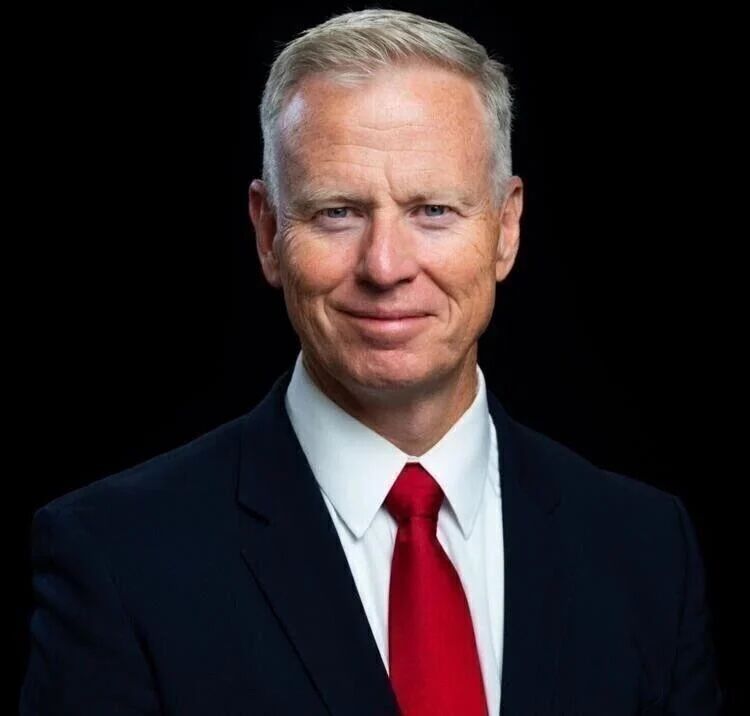
Some pointed questions for the gubernatorial hopefuls | George Brauchler
George Brauchler
george-brauchler@gazette.com
Updated 3 days ago
Earlier this month, the Republican and Democratic candidates for governor participated in a televised interview moderated by well-known, left-leaning legacy media folks. Predictably, the questions asked of the GOP candidates were more aggressive, pointed, biographical and almost entirely disconnected from...
Chaotic funding throws monkey wrench into governor’s-race money madness | Paula Noonan
Paula Noonan
paula-noonan@coloradopolitics.com
Updated 3 days ago
Chaos Monkey, Inc., gave a trifle $20,000 donation to Rocky Mountain Way (RMW), the independent expenditure committee (IEC) supporting U.S. Sen. Michael Bennet for Colorado governor. But why, Coloradans should ask, would a guy who has assigned his contributor name...

Lindsay Datko on school safety, misconduct and transparency in Jeffco schools | The OpEdge Podcast
Tony Olivero
tony.olivero@gazette.com
Updated 4 days ago
Jeffco Kids First founder Lindsay Datko joins The OpEdge to explore concerns about school safety, staff misconduct and transparency in Jefferson County Schools. Datko tells host and investigative columnist Jimmy Sengenberger why she believes Colorado’s second-largest district has too often...

Candidate’s disturbing anti-animal agriculture history | Rachel Gabel
Rachel Gabel
rachel-gabel@coloradopolitics.com
Updated 6 days ago
Rep. Manny Rutinel has busted out a cowboy hat for campaign photos and has thrown it into the ring to represent Colorado’s 8th Congressional District in D.C. He is endorsed by U.S. Sen. Cory Booker, a New Jersey democrat who serves on the Committee...

Marx, Bottoms, a primary death wish for Colorado GOP | Dick Wadhams
Dick Wadhams
dick-wadhams@coloradopolitics.com
Updated 6 days ago
Colorado Republicans stand on the brink of total irrelevance and embarrassment if they nominate one of the two nonsensical, buffoonish candidates running for governor, Victor Marx and Scott Bottoms. Republicans are already in a very defensive, tenuous position as Democrats...

Remember the grassroots reason for DEI | Miller Hudson
Miller Hudson
miller-hudson@coloradopolitics.com
Updated 5 days ago
The Trump administration’s jihad against Diversity, Equity and Inclusion (DEI) programs has metastasized into the most unexpected corners of American life. Yet, before examining this policy “incursion,” it’s worthwhile to examine the roots of DEI which reach back more than...

Why I’m voting Democrat | Jon Caldara
Jon Caldara
jon-caldara@coloradopolitics.com
Updated 1 week ago
It makes no sense to be a Republican in Colorado. Or a Democrat for that matter. On the day I turned 18, even before I bought my first legal 3.2 beer (remember 3.2 beer?), I went to the courthouse and...
PREV
PREVIOUS

BIDLACK | Bypass the Senate's mock trial — and let history be the judge
Hal Bidlack As you read these words on the eve of a new year (but, for the pedantics among you, not technically a new decade, since there was no year “zero”), we are about to exit “the teens.” It is unlikely in the extreme that I shall ever again write during a “teen” period, given […]
NOONAN | Hey, women in state government: It's time to act!
Paula Noonan It’s a new decade! Time to get ourselves organized. Let’s put this state on the right track for the 2020s. Women are good at organizing. With so many women now in leadership in Colorado, it’s best to take advantage. First things first. Public education needs more money. Kids who started kindergarten in 2010 […]