

State opens comment on electric vehicle infrastructure

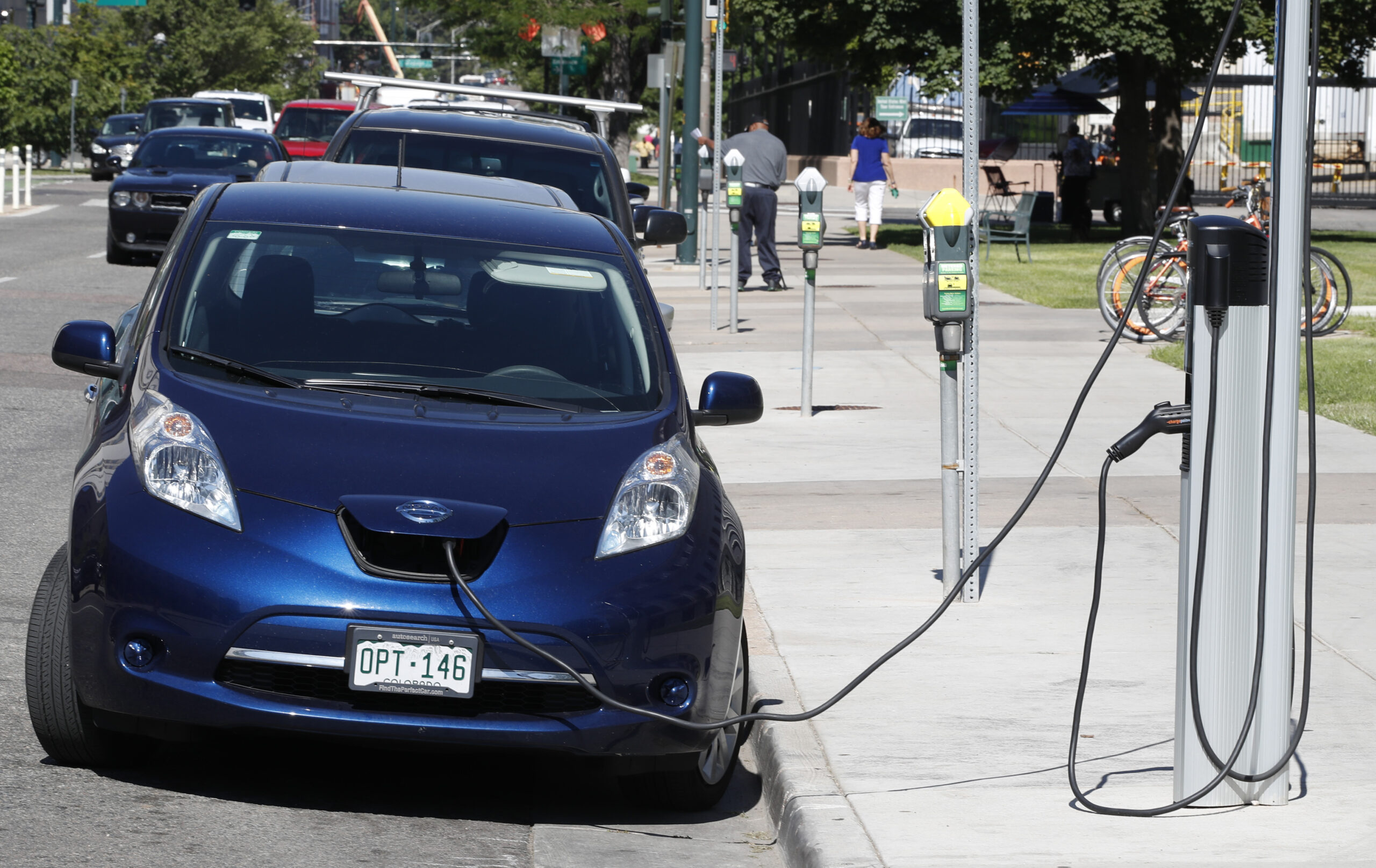
Under a new law, the state Public Utilities Commission has opened public comment for investor-owned utilities looking to establish their electric vehicle infrastructure.
SB19-77 requires utilities by May 2020 to submit applications detailing how they can promote the spread of electric transportation options, the cost of which they are allowed to recover via their rates.
“If the utilities aren’t involved, the only folks that can afford electric, in the short run, are those that can pay to put Level 2 charging in their garage,” said one of the bill’s sponsors, Sen. Kevin Priola, R-Henderson, referring to the voltage of EV chargers.
“If a utility can sell more power and do it at a rate that really helps to undergird the fixed costs of the system, then everybody benefits,” said another sponsor, Rep. Chris Hansen, D-Denver.
Hansen clarified that while utilities must submit an application to the PUC, it is possible that they might find it disadvantageous to build out charging infrastructure. However, he sees an opportunity for utilities to sell more power, while calling the environmental benefits “massive.”
Over the past three years, the number of EVs registered in Colorado has doubled. EV Hub put the number at 22,800 as of August 2018, including battery and plug-in hybrid electric vehicles. Colorado is among the eight states with more vehicles per 1,000 residents than the national average, with California at the top of the list.
The state has roughly 2,100 charging outlets, more than its’ neighbors, but one-tenth as many as California has.
Priola said that his personal cost-benefit analysis makes electric vehicles worth it for him, and, given their small number of moving parts relative to internal combustion engine transportation, could be a “major disruptor” in the market for any vehicle type.
“Imagine a bus that pulls away from a bus stop fast like a car, not slow like a fully-loaded diesel dump truck,” he said. “This will also benefit the public with better traffic flow, cleaner air, lower costs to the transit agency.”
Part of the bill’s intent was to deliver EV options to low-income and underserved communities.
“I think there’s been some misconception that EVs are only for rich people,” Hansen said. “That may have been the case seven or eight years ago. But now that is definitely not the case. We wanted to make sure that the [utilities’] plans were inclusive of the whole state.”

10th Circuit grants Boulder-Weld district’s fire chief immunity for firing union leader
Michael Karlik
michael.karlik@coloradopolitics.com
Updated 11 hours ago
The Denver-based federal appeals court decided on Monday that the chief of a fire protection district spanning Boulder and Weld counties could not be held liable for terminating a union leader through the process outlined in the collective bargaining agreement....
Michael Allen says a weakened justice system, rising crime drove him to run for attorney general
Thelma Grimes
thelma.grimes@coloradopolitics.com
Updated 10 hours ago
Michael Allen said he is running for attorney general because he believes Colorado’s criminal justice system has been weakened by recent legislation and that rising crime is directly increasing the cost of living. A Navy veteran and longtime prosecutor, Allen...
Colorado House ethics committee delays hearing to allow Rep. Lindsay to seek legal counsel
Marianne Goodland
marianne.goodland@coloradopolitics.com
Updated 15 hours ago
The Colorado House ethics committee voted Monday to pause the ethics complaint against Rep. Mandy Lindsay while she seeks legal counsel. The hearing was scheduled to begin with two days of testimony, during which Lindsay could present evidence and call...

State Supreme Court oral arguments, 10th Circuit nominee recuses from cases | COURT CRAWL
Michael Karlik
michael.karlik@coloradopolitics.com
Updated 8 hours ago
Welcome to Court Crawl, Colorado Politics’ roundup of news from the third branch of government. The state Supreme Court will hear its last set of oral arguments this week before breaking for the summer, and the nominee for a vacancy...
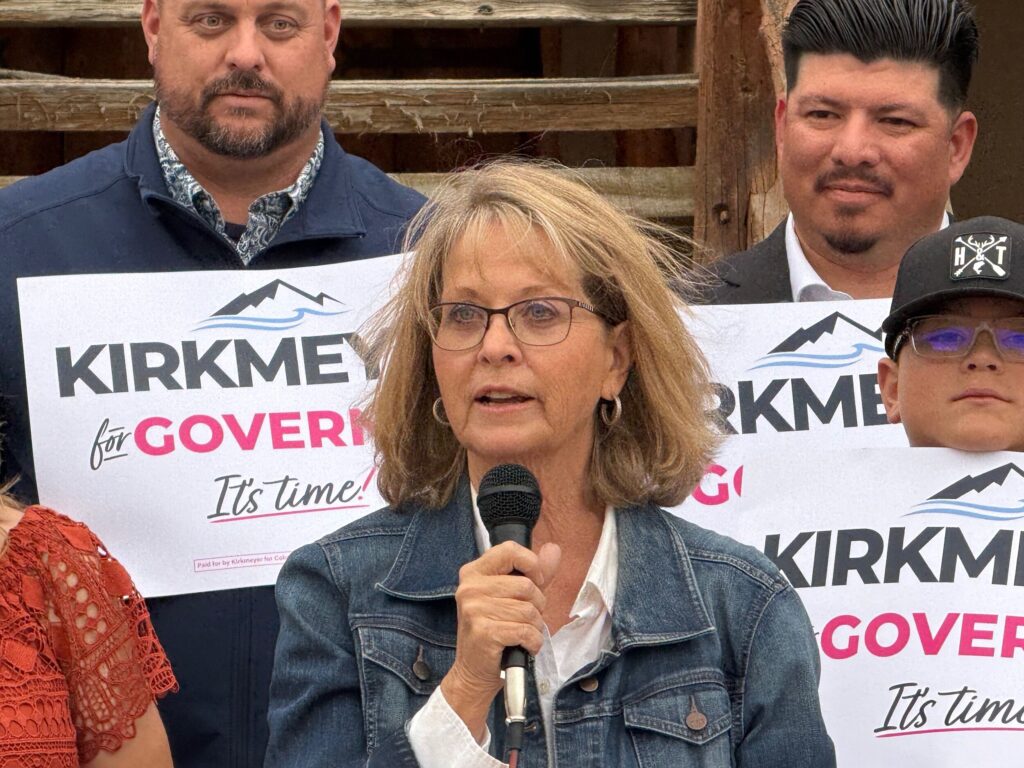
‘Peaking at the right time’: Barbara Kirkmeyer is confident as ballots go out
Thelma Grimes
thelma.grimes@coloradopolitics.com
Updated 10 hours ago
Calling 2026 an “interesting” year, Sen. Barbara Kirkmeyer said the race for the Republican nomination has taken her from a “bizarre debate” to a broader effort to maintain the party’s integrity, while making the case that she’s ready to lead...
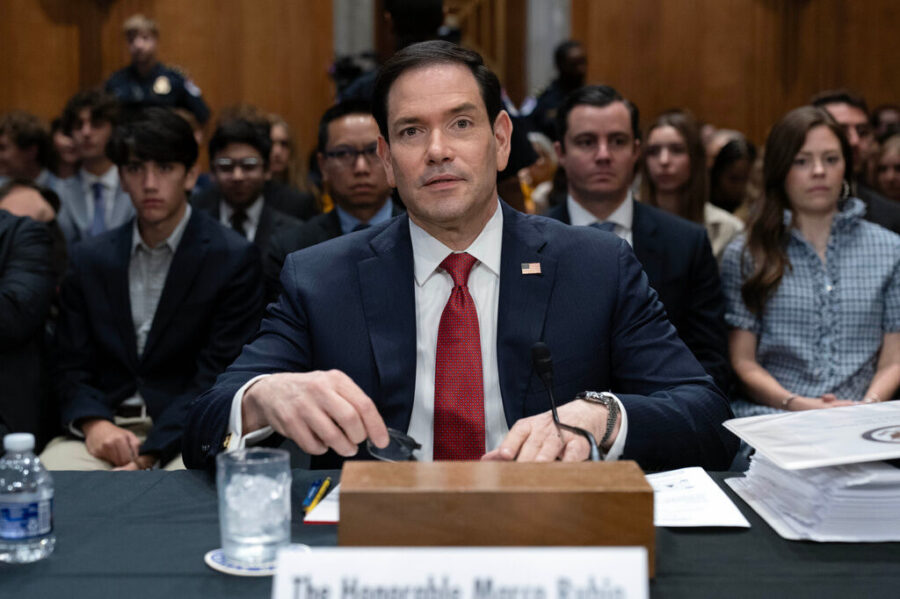
Sheehy calls for Rubio to take over Iran negotiations if Vance can’t swing it
Claire Carter, Washington Examiner
claire.carter.washington.examiner@gazetteedit.wpenginepowered.com
Updated 16 hours ago
Sen. Tim Sheehy (R-MT) on Monday suggested Secretary of State Marco Rubio should be waiting in the wings to handle negotiations with Iran if Vice President JD Vance can’t get a long-term agreement with Tehran over the finish line. Vance...
Rural frustration, parental rights shape Scott Bottoms’ pitch ahead of Colorado’s gubernatorial primaries
Thelma Grimes
thelma.grimes@coloradopolitics.com
Updated 10 hours ago
With just weeks before Colorado’s June primary, Republican gubernatorial candidate state Rep. Scott Bottoms is spending nearly all his time on the road — literally crisscrossing the Western Slope and eastern plains — in a final push to connect with...

Appeals court adopts federal standard for jail deaths under Colorado law
Michael Karlik
michael.karlik@coloradopolitics.com
Updated 8 hours ago
Colorado’s second-highest court decided last month that the standard used by federal courts for assessing whether government officials may be liable for constitutional violations upon the death of a jail detainee also applies to claims made under the Colorado Constitution....
District court judges weighing Trump policies face repeated slap downs by appeals courts
Kaelan Deese, Washington Examiner
kaelan.deese.washington.examiner@gazetteedit.wpenginepowered.com
Updated 16 hours ago
Federal district court judges reviewing President Donald Trump’s immigration agenda and other contested policies are increasingly being checked by appeals courts, raising questions as to whether some members of the federal judiciary are implementing the law or seeking partisan ends....
Registered voters on the eve of the 2026 primaries | Cronin & Loevy
Tom Cronin Bob Loevy
tom-cronin-bob-loevy@coloradopolitics.com
Updated 3 days ago
The Colorado Secretary of State’s Office has published the latest voter registration figures for the state and its counties as of June. Colorado ranks among the highest states for independent, or unaffiliated, voters. Only Alaska and Massachusetts have more. New Hampshire, New Jersey, Maine and Oregon also rank highly. So here...
PREV
PREVIOUS
State Senate president discusses 'summer of recalls,' looks ahead to general assembly
Colorado Senate President Leroy Garcia talked to reporters at the Capitol on Thursday about the “summer of recalls,” a half-dozen fruitless attempts to oust House and Senate Democrats, as well as Gov. Jared Polis. “It’s sad to say some Republicans took us to a new low,” said Garcia, making it clear later in his 20-minute […]
Olympic Museum has a special mission: Beacon to the disabled
Imagine, for a moment, you are the parent of a child who has suddenly been injured in a skiing accident. Imagine, then, it gets worse. The resulting infection is so severe, doctors say the leg must be amputated. After the surgeries, hospitals and tears, and the shock and horror of a new prosthetic leg, what […]