

PLAIN TALK ABOUT RURAL COLORADO | Kerry Donovan: Call a truce in the ‘war on rural Colorado’
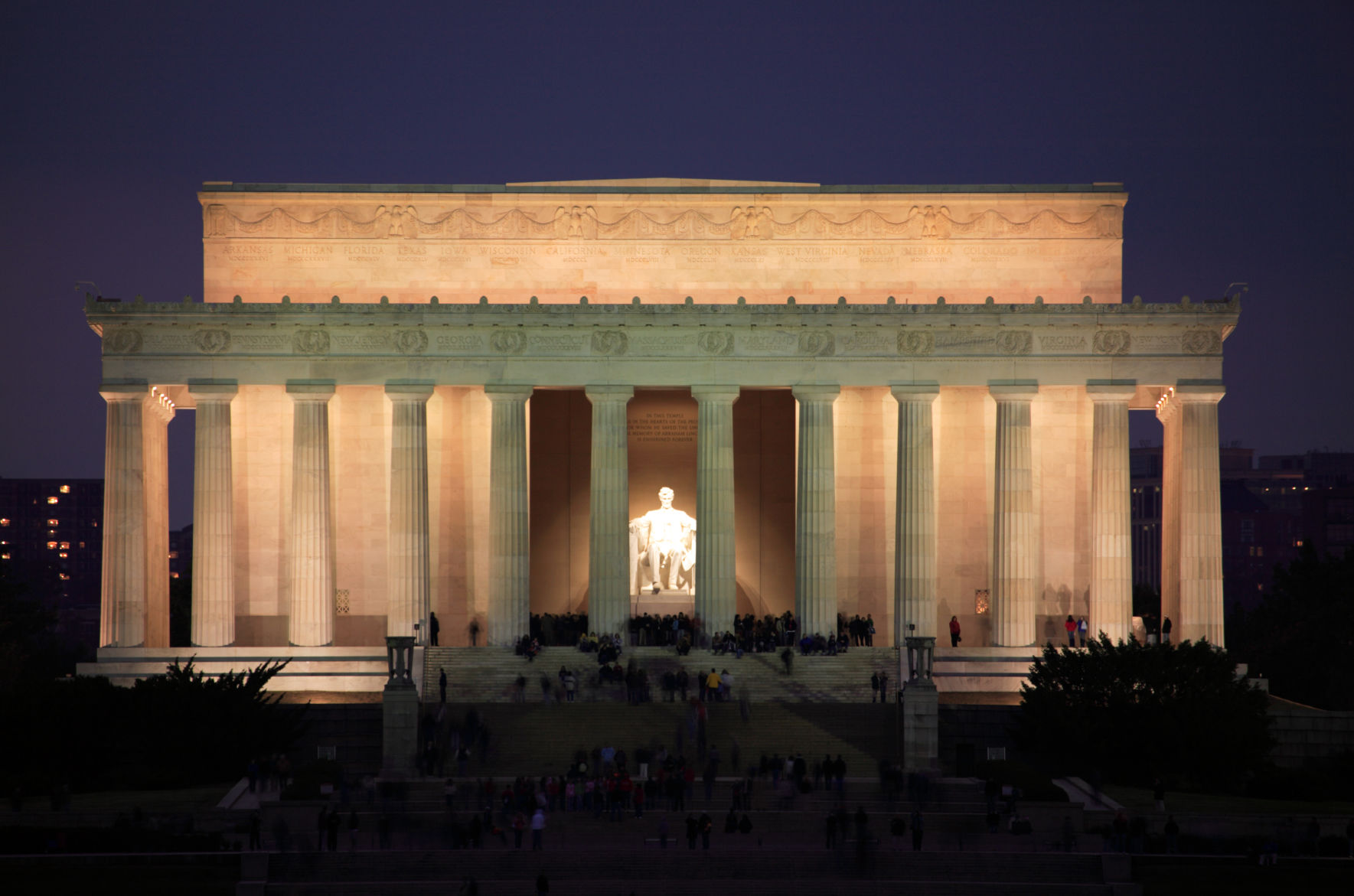
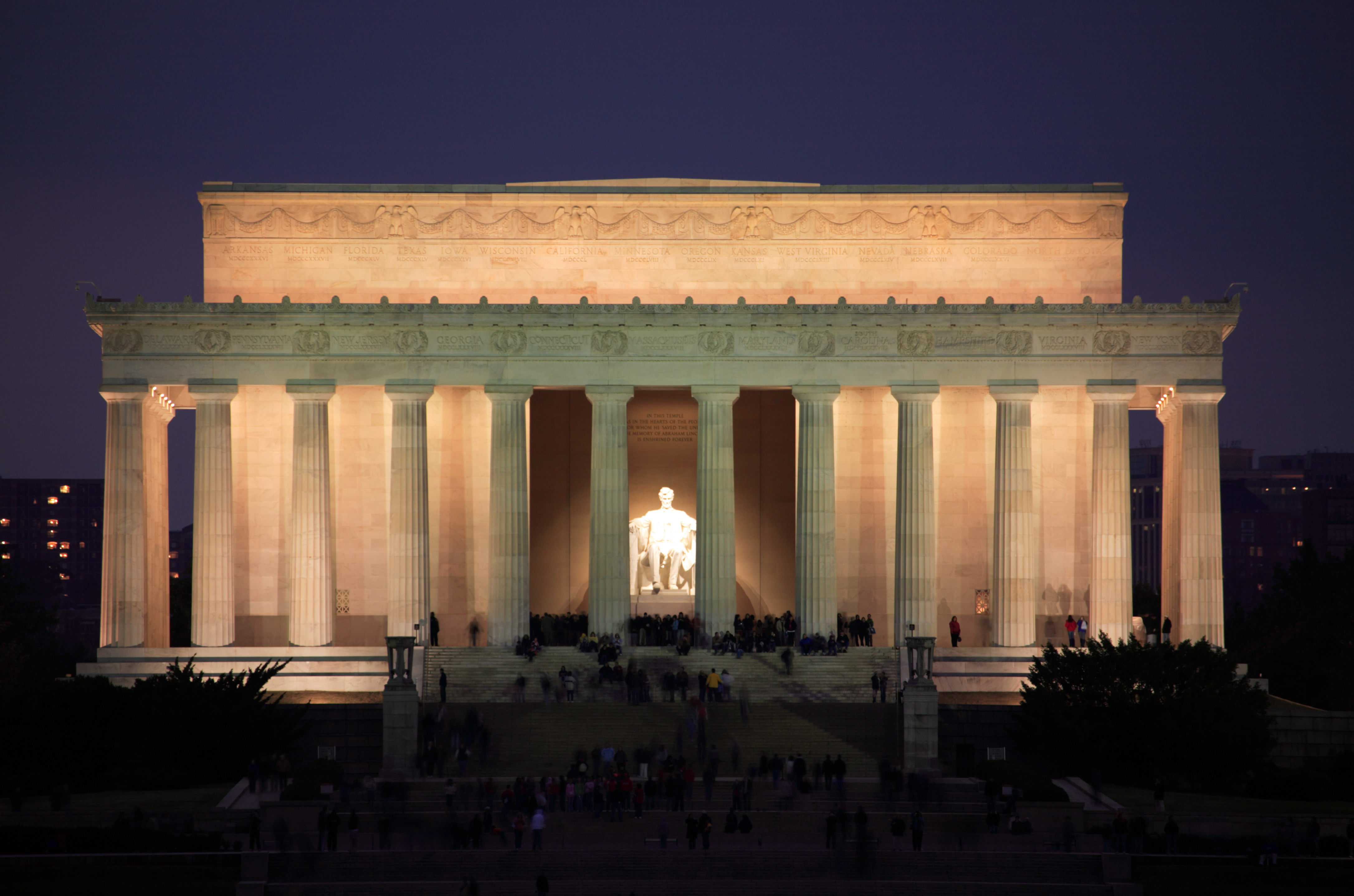
The countryside of Colorado stretches far beyond the boundaries of our square state. The hard white marble that shines in the Lincoln Memorial was hauled out of the West Elk Mountains. Our sweeping landscapes have inspired lyrics that are sung in honkytonks and ballparks across the nation. Perhaps you moved here because you heard one of those songs. Or, perhaps you stayed here because the landscapes became a part of you.

On many weekends, the Front Range migrates towards small towns seeking the quintessential outdoor Colorado experience. To see those purple mountains in all their majesty, or to take a picture of “rain and fire” in the sky for Instagram. But, if you more closely examine the town behind the main street, there are problems that an Instagram filter can’t solve.
Recently, I was on the edge of a corn field with one of my constituents wishing that we had opted for the shady spot under the cottonwood. The young farmer told me that he wasn’t sure how much longer they could grow corn. Talking about growing corn was easier than what he was really saying: he didn’t know how much longer he and his family could call Colorado home. His insurance just keeps going up. He can’t find anyone to help him run his family’s business. The bumpy roads are eating up his trucks, and he’ll make less on this year’s crop than he made last year, and still with more and more expenses to cover.
Now might be when you expect me to launch into what has become commonly known as the “War on Rural Colorado.” How we, out here in the plains and the mountains, are ignored and forgotten by the Front Range, and how the divide just continues to grow until we will eventually have not just a divided state, but a divided nation.
But, the more I listen to Coloradans in all parts of the state, the more I believe that the language we use to divide us isn’t helping us solve problems. Don’t get me wrong, there are absolutely rural-specific issues – like a lack of high-speed internet in hard-to-reach towns – that still need to be addressed. Yet, the continued habit of using language that pits “us versus them” thrives on division, holds us back from progress, and is something you hear more often from political operatives – not community leaders.
Politics dictates that division breeds weakness and failure. We know that when building a barn, you need as many hands as you can get. Or, when fighting a neighborhood problem, the more voices of support, the better. So, when we tackle issues, like the exorbitant cost of a hospital visit, or that your commute to work is getting worse, we have a better chance of winning when we stick together.
Wars require enemies, and I don’t believe that Coloradans see each other as enemies.
If a teacher from Buena Vista visited a teacher from Aurora, they might share that they are both seeing hungrier kids in their classrooms. Bring a young family from Boulder to meet a family from Hotchkiss, and they will both agree that affording a home like the one they grew up in is getting harder and harder. A rancher from Deer Trail visiting with a business owner from Colorado Springs will share that the price of everything is going up – except what they are selling.
Colorado is a special place which firmly believes that hard work pays off, but, lately, that doesn’t seem to be the case for too many of our citizens.
On a clear day from the Capitol, I can see the snow-capped tops of the mountains I grew up in. Colorado doesn’t feel like two places then. It also doesn’t feel like two places when my Front Range colleagues support a rural economic bill I’m carrying, or vote for my health care bills that will help folks out on the plains and below the mesas more than it will help people in the cities.
How would you define Colorado? Prairies that have nothing in sight but a horizon? A night game in the south stands cheering the Broncos? A perfect turn on a powder day? Buzzing through the desert in a jeep? Would you define it as exclusively rural, or exclusively metropolitan? Probably not. So, let’s not define the problems we must solve that way, either.
If we choose to separate ourselves, then we lose the power of fellowship and the ability to hold each other up when one of us can’t stand.
?Instead of saying that’s their problem, let’s call them our problems and start building the barn from there. When we join forces to address issues like water and climate change, we find stronger solutions that meet the needs of everyone in all parts of the state. Sure, there will always be issues that need different solutions for different parts of the state. But, when it comes to battling for better pay for our neighbors, or resources for our kids, the basic needs of the person who grows corn isn’t all that different from someone who works at the mall in the suburbs.
Kerry Donovan represents District 5 in the Colorado state Senate and runs her family ranch near Edwards.

Federal judge green-lights excessive force, retaliation claims for trial against Fort Collins officers
Michael Karlik
michael.karlik@coloradopolitics.com
Updated 8 minutes ago
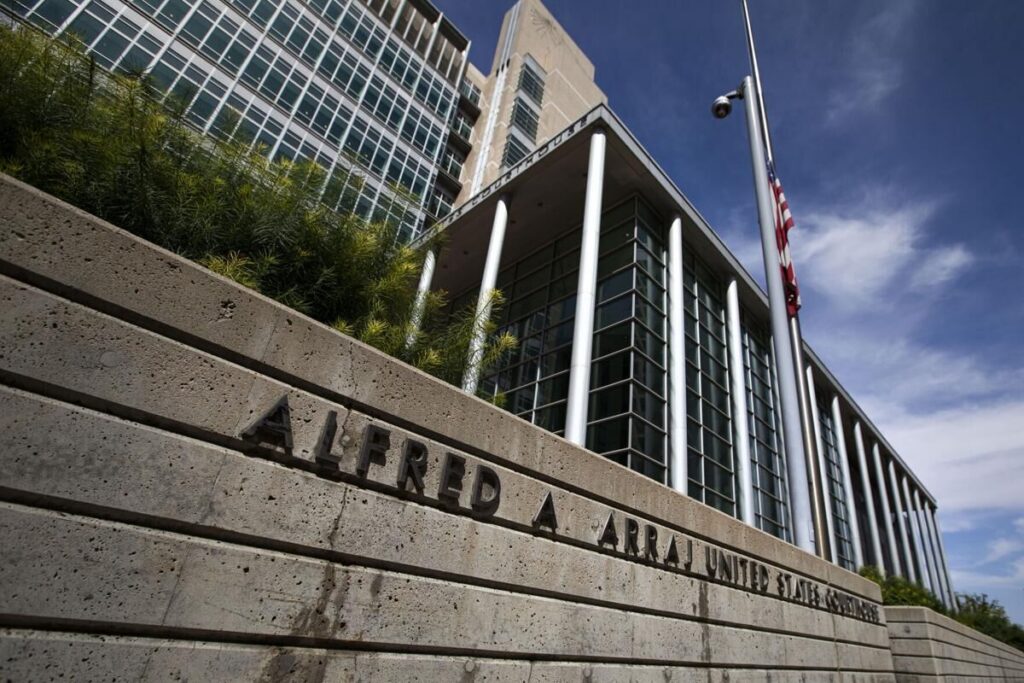
A federal judge green-lit a jury trial last week against multiple Fort Collins police officers on claims that they used excessive force on one man who was standing unarmed in his underwear, and retaliated against another man for exercising his...
Jeff Crank, Jessica Killin set to face off in 2 debates in Colorado’s 5th Congressional District
Ernest Luning
ernest.luning@coloradopolitics.com
Updated 17 minutes ago
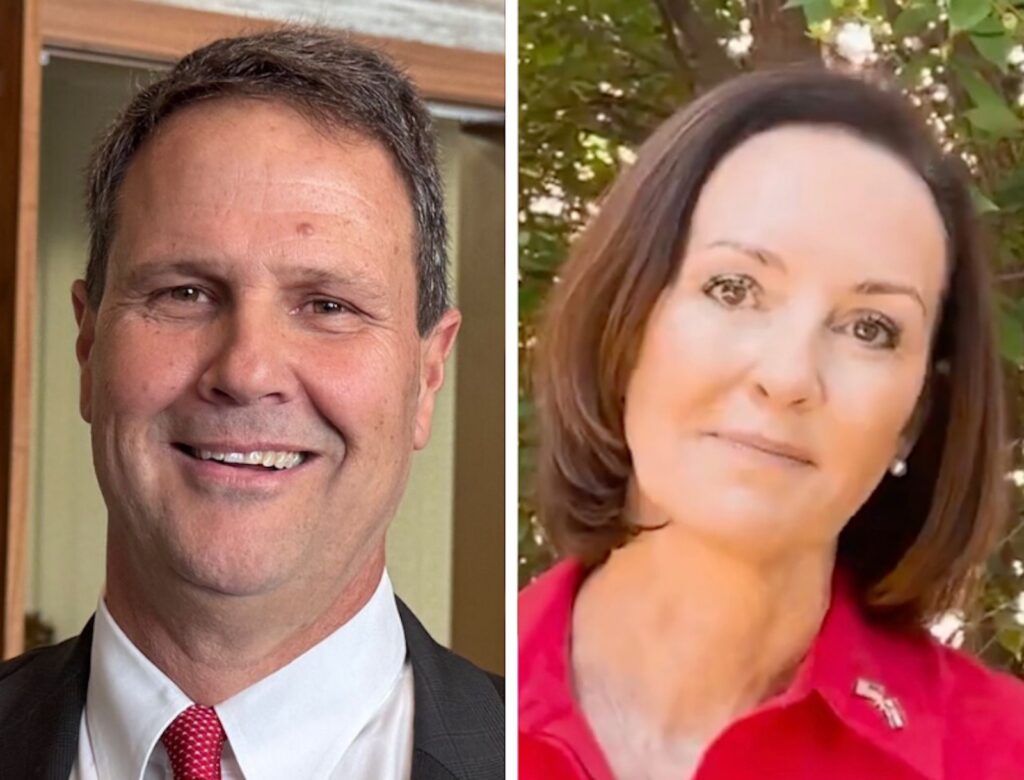
Republican U.S. Rep. Jeff Crank and Jessica Killin, his Democratic challenger, have agreed to debate twice in the weeks leading up to the general election in Colorado’s 5th Congressional District, their campaigns have said. Crank is seeking a second term...
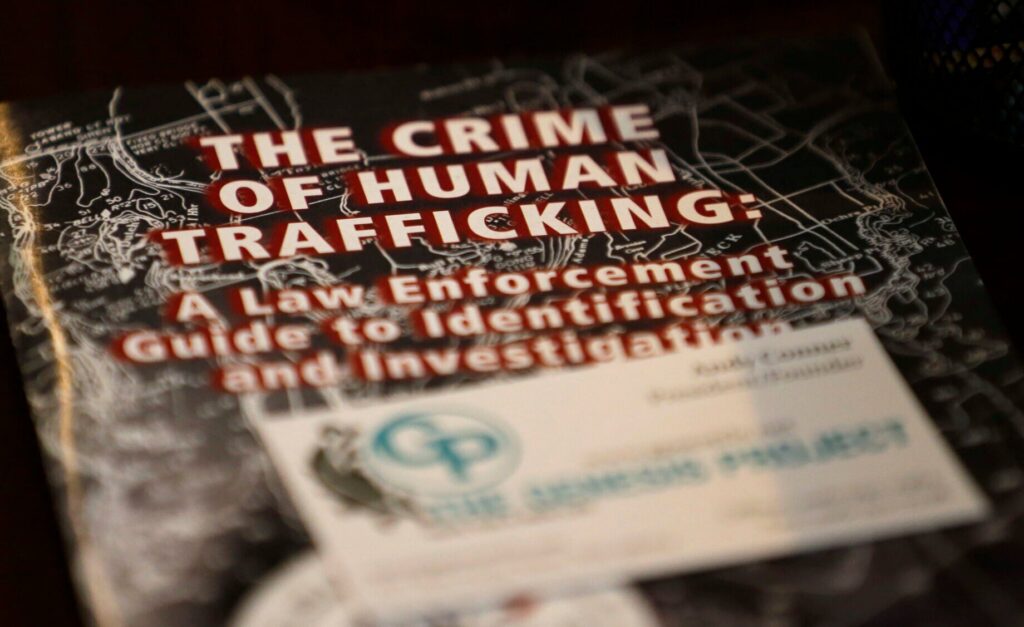
CSI study reviews impacts of Colorado’s mandatory sex‑trafficking sentencing measure
Marissa Ventrelli
marissa.ventrelli@coloradopolitics.com
Updated 13 minutes ago
A new report by the think-tank Common Sense Institute examines what could happen if Colorado voters approve Initiative 108, which establishes mandatory life sentences for offenders convicted of sexual trafficking of a minor. The measure is backed by Protect Kids...
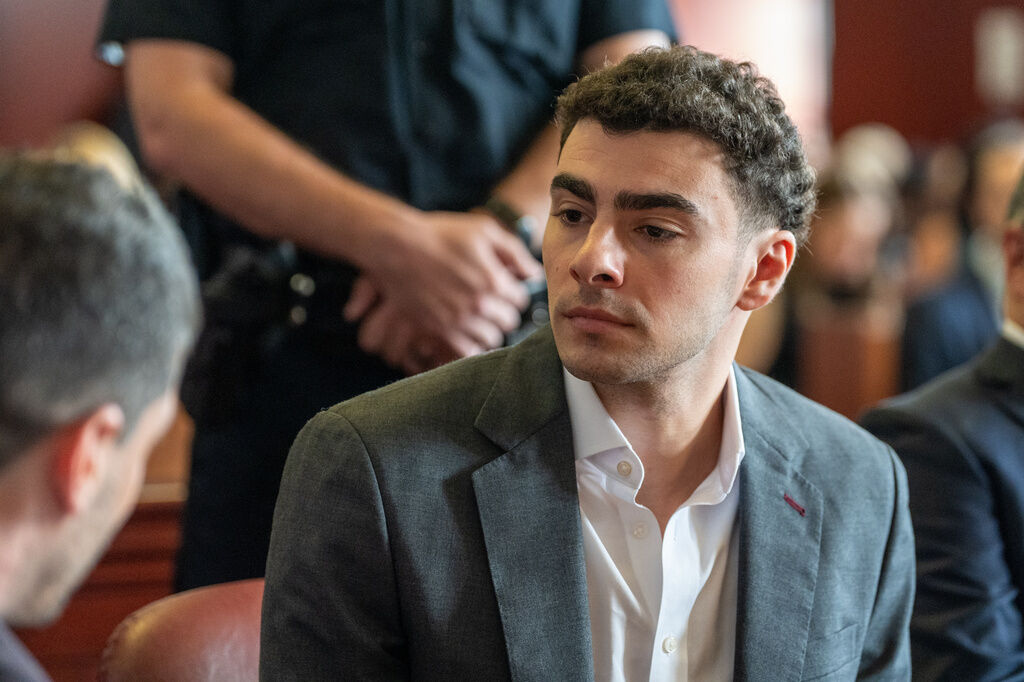
Luigi Mangione pleads guilty in UnitedHealthcare CEO Brian Thompson murder case
Kaelan Deese
kaelan-deese@coloradopolitics.com
Updated 3 hours ago
Luigi Mangione pleaded guilty Friday to two federal stalking charges connected to the 2024 killing of UnitedHealthcare CEO Brian Thompson, a major development that could complicate New York prosecutors’ separate murder case against him. Mangione, 28, not only pleaded guilty in Manhattan federal court...

French court blocks Macron’s social media ban for children under 15
Emily Hallas
emily-hallas@coloradopolitics.com
Updated 3 hours ago
France’s top court struck down on Friday a law championed by President Emmanuel Macron that would have made it illegal for children to have social media accounts. The law, approved by lawmakers in July, was set to take effect at...

10th Circuit revives wage violation lawsuit against Papa John’s operator
Michael Karlik
michael.karlik@coloradopolitics.com
Updated 54 minutes ago
The Denver-based federal appeals court on Tuesday reinstated a former Papa John’s delivery driver’s lawsuit alleging violations of federal and state wage law. Steve Mighell worked for one month at a Denver Papa John’s location in summer 2023. He alleged...
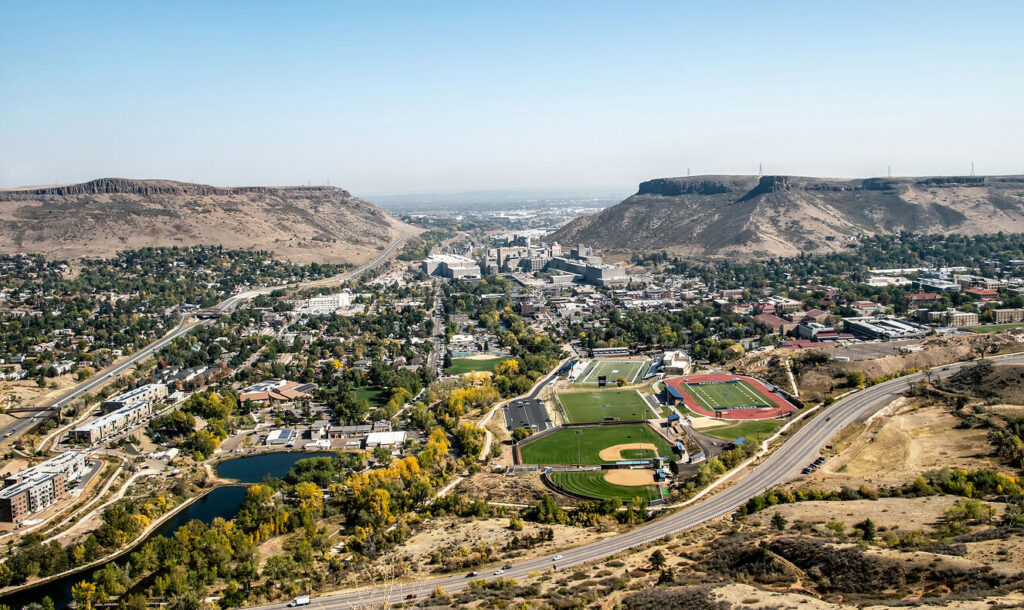
Golden fire chief fired days after city manager as city investigates ‘racist incident’
Matt Kyle
matt.kyle@denvergazette.com
Updated 16 minutes ago
The City of Golden has terminated its fire chief days after terminating the city manager due to a “racist incident” earlier this year at a city fire station. City officials said that in March, a “Snoop on a Stoop” doll,...
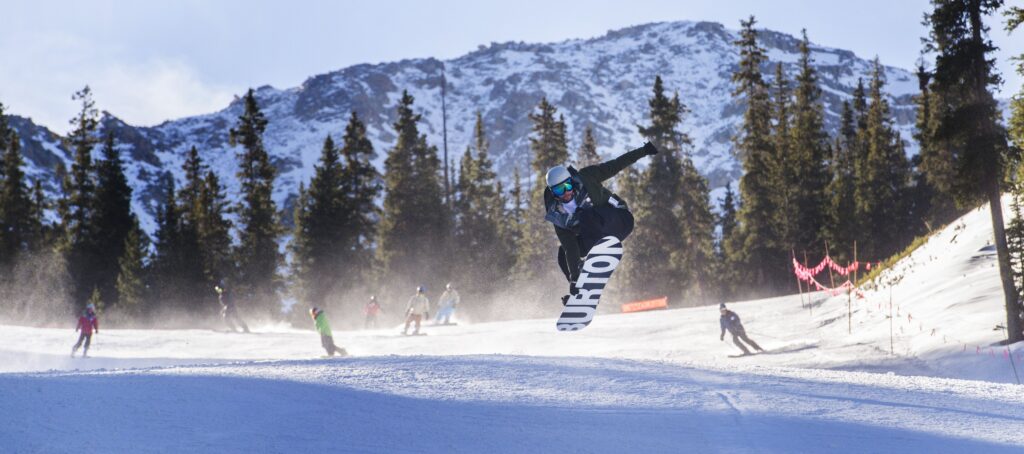
Ikon Pass company cuts jobs in Denver and beyond amid several changes
Bernadette Berdychowski
bernadette.berdychowski@denvergazette.com
Updated 44 minutes ago
As the ski resort company behind the Ikon Pass and the operator of Steamboat Springs, Arapahoe Basin and Winter Park Resort is going through a phase of changes, the Denver-based company is now cutting jobs. Alterra Mountain Co. has laid...
Healthcare freefall: Once built on federal investment, rural hospitals today fight to survive
Thelma Grimes
thelma.grimes@coloradopolitics.com
Updated 6 hours ago
Editor’s Note: Colorado’s healthcare system is entering a period of accelerating instability — a “tsunami,” as multiple leaders describe it — driven by collapsing hospital finances, shrinking Medicaid reimbursements, disappearing services and a political fight over who is responsible for...
Healthcare freefall: Subsidy cuts, insurance gaps reshape how Coloradans will seek care
Thelma Grimes
thelma.grimes@coloradopolitics.com
Updated 5 hours ago
Editor’s Note: Colorado’s healthcare system is entering a period of accelerating instability — a “tsunami,” as multiple leaders describe it — driven by collapsing hospital finances, shrinking Medicaid reimbursements, disappearing services and a political fight over who is responsible for...
PREV
PREVIOUS

RTD raises commuter train operator wages, sees fewer driving mistakes
Regional Transportation District’s A Line commuter train has hit some bumps since launching in 2016. In its first year of operation, RTD operators made around 20 mistakes, also known as engineer decertifications, reports CPR. Those mistakes consisted of driving errors like speeding, running red signals or failing to check brakes. The organization told CPR that […]

Want a Colorado license plate that says Bentley or Jaguar? It'll cost you.
An online auction for specialty Colorado license plates for car aficionados kicked off Tuesday and will run through Oct. 12. And on that day, a special in-person auction will allow car fans to bid for some hot license plate configurations. Think 911 – for a Porsche 911 – or C8, a Corvette model. The auctions will benefit the […]