

PLAIN TALK ABOUT RURAL COLORADO | Sue Hanson: Growth comes to rural Colorado, for better or worse
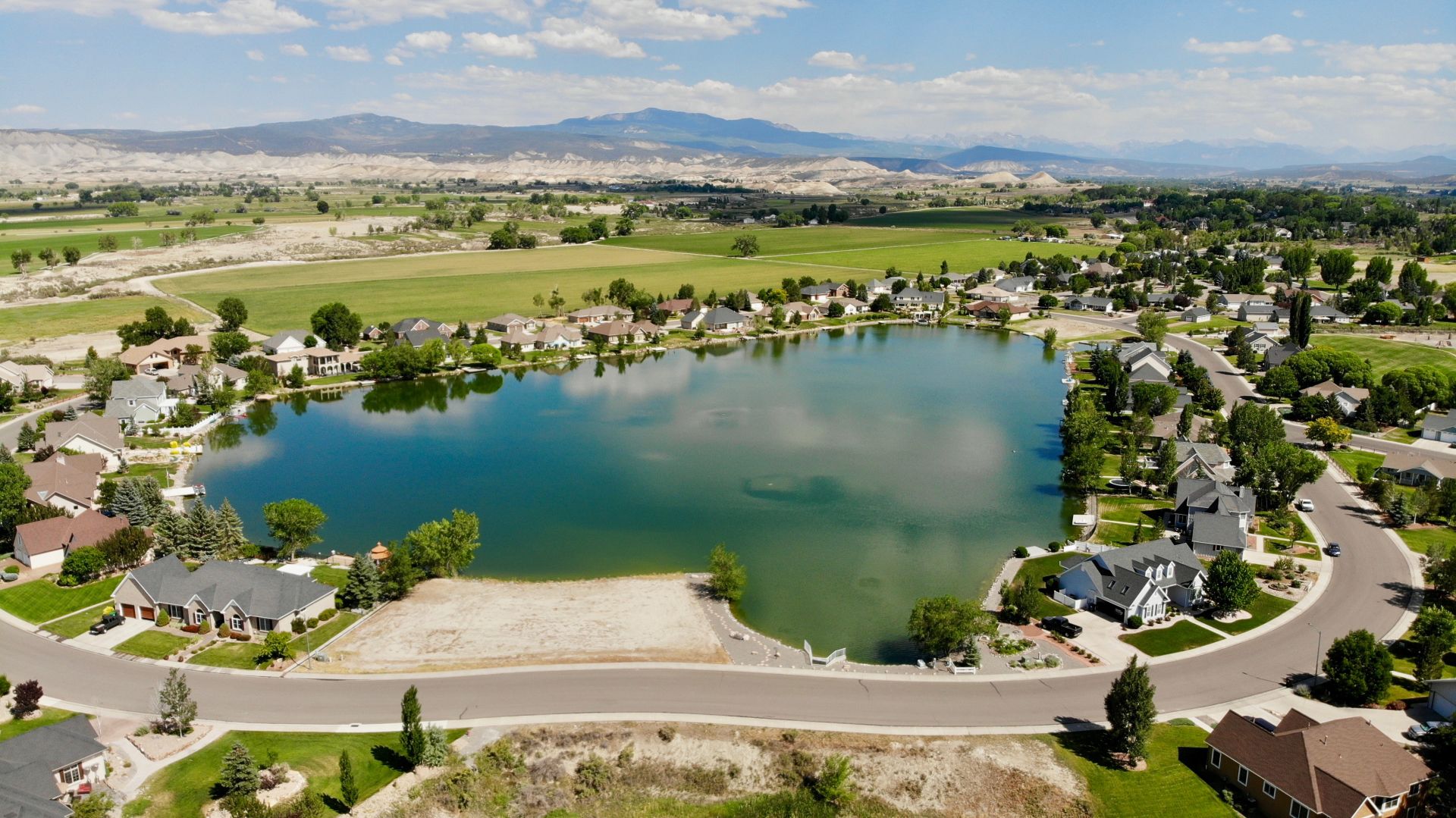
As an elected official in rural Colorado, I often run into constituents (friends) at the supermarket, drug stores, gas stations – everywhere. Recently, when debating the merits of orange carrots versus tri-colored carrots, I was approached by a community member asking about my time as a commissioner. I replied with my usual remarks about how county business requires 24/7 attention, and then he quipped, “What, no more time for beauty treatments?”
Nothing could be closer to the truth. There is no time for beauty treatments when pressing business awaits.

Nearly 20 years ago – and even within the past eight years – Montrose County was a struggling area. Tourism was not a mainstay and the county did not have the infrastructure needed to support a community of possibilities. Merchant associations struggled to keep small businesses in business while trying to retain shoppers from going to larger counties to shop.
Today, however, is vastly different than the challenges faced by previous community leaders: There are rural and urban neighbor issues, a drastically undersized airport, increased crime and pressure on core county services, and a mental health crisis.
The growth and increased tourism are positive signs for the local economy, but come with their own set of issues. While growth is important for a county, the type of growth is equally important. Is the growth rapid and unplanned or slow and intentional? For Montrose County, the fast-paced growth makes it difficult for community leaders to be visionary as well as thoughtful.
Challenge #1: Balancing agricultural needs with a growing population that is largely unexposed to an agricultural environment.
Montrose is a county of approximately 42,000 community members, and we are predicted to double in size by 2050. The county primarily identifies as an agricultural community – area farmers once supplied barley for Coors, and then adapted to beets, broccoli, hay and sweet corn when there was not a demand for barley. Ranchers are known for their beef and sheep operations. Area farmers also raise healthy crops of onions and beans, and now Montrose County has a significant number of hemp producers. Farmers and ranchers have survived, but the future brings struggles: water, production challenges, and the urban/rural interface.
The population is increasing, and the people moving here are not farmers, but retirees. These retirees are largely coming from Denver, Northern Virginia, California, and Arizona. Some new residents bring with them “big city” expectations. These are often met with disappointment when they realize that an agricultural community is one that actively farms the fields, sprays crops with pesticides, produces dust, and has traffic jams from farming implements and sheep or cattle drives. While this may not be everyone’s version of peaceful living, it is if you live in Montrose County.
Challenge #2: Commissioners must continue to lobby for more money to expand and accommodate residents and tourists.
Montrose County boasts a large regional airport with an impressive number of direct connections. For the past several years, KMTJ (Montrose Regional Airport) has been one of the five fastest-growing commercial airports in Colorado. This success is due to a visionary airport board that fought to construct a long runway so KMTJ would someday accommodate larger commercial aircraft. At the time this decision was controversial because of the cost, but low and behold, we now owe them a debt of gratitude because in 2020 this little town will provide airline service to over 250,000 passengers.
Currently, the airport is too small for the travelers coming to Montrose – largely to ski in Telluride. The need for an airport expansion is imminent and the cost of doing such is high. The county has been lobbying for grant funding for terminal expansion, but has not been successful thus far.
Challenge #3: Increased population means added pressure on core county services: public works, law enforcement, planning and development, and public health.
More people means more vehicles, which translates to increased traffic counts on the county’s infrastructure system. More money needs to be spent upgrading roads, plowing snow and on general maintenance as well as construction (upgrading gravel roads to asphalt overlay).
Montrose County’s largest municipality – the City of Montrose – is currently seeking a sales tax increase on the upcoming ballot to allow for a larger police force. Rural Colorado, much like the rest of the state, has a serious controlled-substance problem – namely heroin, methamphetamine, and prescription pills. This issue can be linked to an increase in drug-related crime, which further taxes the already-stressed law enforcement officers.
More crime often means more inmates in the county jail. This also translates into space problems for the jail – the sheriff is planning for renovations in order to meet unfunded mandates and accommodate additional inmates. The cost for health care for inmates has tripled from 2018, and the cost to significantly remodel the jail needs to be addressed. This challenge also brings about other interrelated issues such as a rise in the number of cases seen by child-welfare staff; the need for added county attorneys to litigate the aforementioned child-welfare cases, and a limited number of foster care families and a growing number of children needing temporary out-of-home placement.
With our community expected to grow at a significant rate over the new 25 years, local leaders need to be visionary and thoughtful. We will need to set the stage for the future. This is something I am prepared to do; as a commissioner, I am dedicated to solving challenges and improving the future for each community member.
It is any wonder that I don’t have time for those beauty treatments?
Sue Hansen is serving her first term on the Montrose County Commission. She spent several decades speaking and consulting nationally on leadership, business growth and change after running her own small medical imaging business.


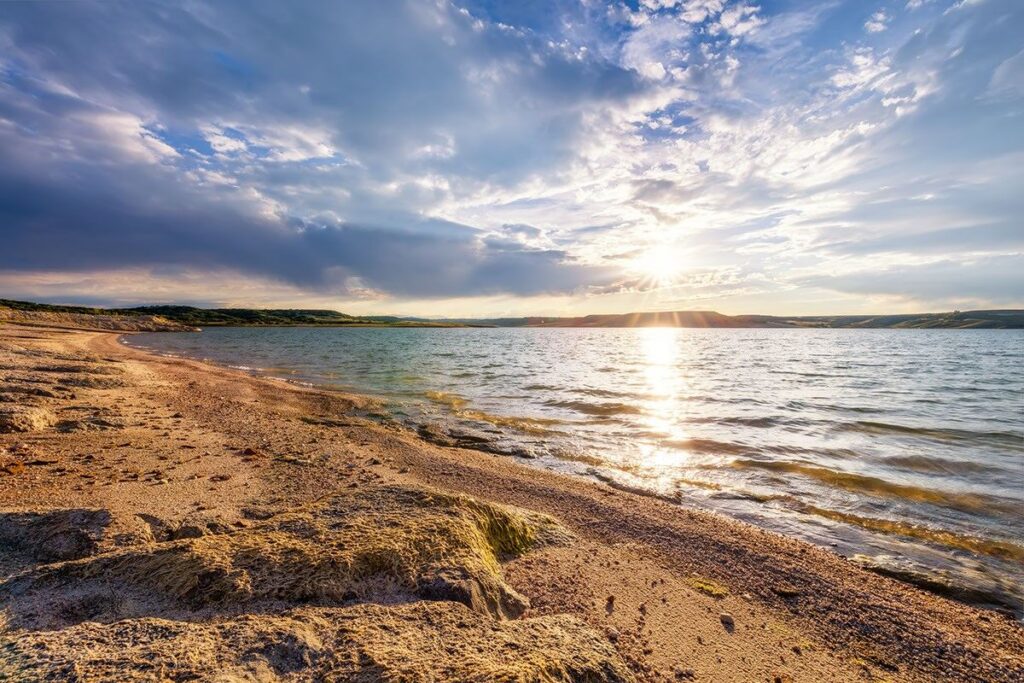
Tapped: Douglas County looks to diversify water supply as population grows
Nicholas Fogleman
nicholas.fogleman@denvergazette.com
Updated 1 day ago
Tapped: The Denver metro region sits at the center of one of the American West’s most complex and consequential water challenges. This series examines the interconnected systems that determine how the region secures, stores, and conserves its water — while...
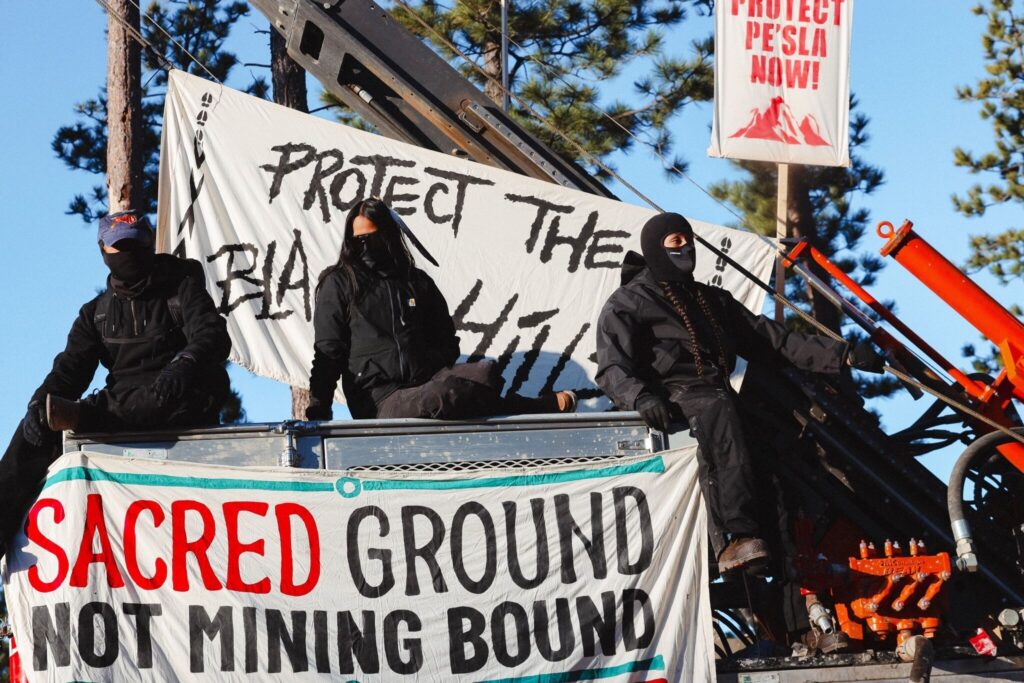
Tribes sue to halt exploratory drilling in Black Hills near sacred ceremonial site | OUT WEST ROUNDUP
Ernest Luning
ernest.luning@coloradopolitics.com
Updated 3 days ago
SOUTH DAKOTA Tribes sue to halt drilling SIOUX FALLS — Nine Native American tribes in South Dakota, North Dakota and Nebraska are suing the federal government in a bid to stop exploratory drilling for graphite near a sacred site in...

Tapped: Is water a problem for data centers in Colorado?
Deborah Grigsby
deborah.smith@denvergazette.com
Updated 13 hours ago
Editor‘s Note: The Denver metro region sits at the center of one of the American West’s most complex and consequential water challenges. This series examines the interconnected systems that determine how the region secures, stores, and conserves its water while...
TAPPED: Front Range residents face higher water rates, restrictions as rapid snowmelt threatens supplies
Kyla Pearce
kyla.pearce@gazette.com
Updated 15 hours ago
Tapped: The Denver metro region sits at the center of one of the American West’s most complex and consequential water challenges. This series examines the interconnected systems that determine how the region secures, stores, and conserves its water while navigating...
TAPPED: Front Range residents face higher water rates, restrictions as rapid snowmelt threatens supplies
Kyla Pearce
kyla.pearce@gazette.com
Updated 15 hours ago
Tapped: The Denver metro region sits at the center of one of the American West’s most complex and consequential water challenges. This series examines the interconnected systems that determine how the region secures, stores, and conserves its water while navigating...
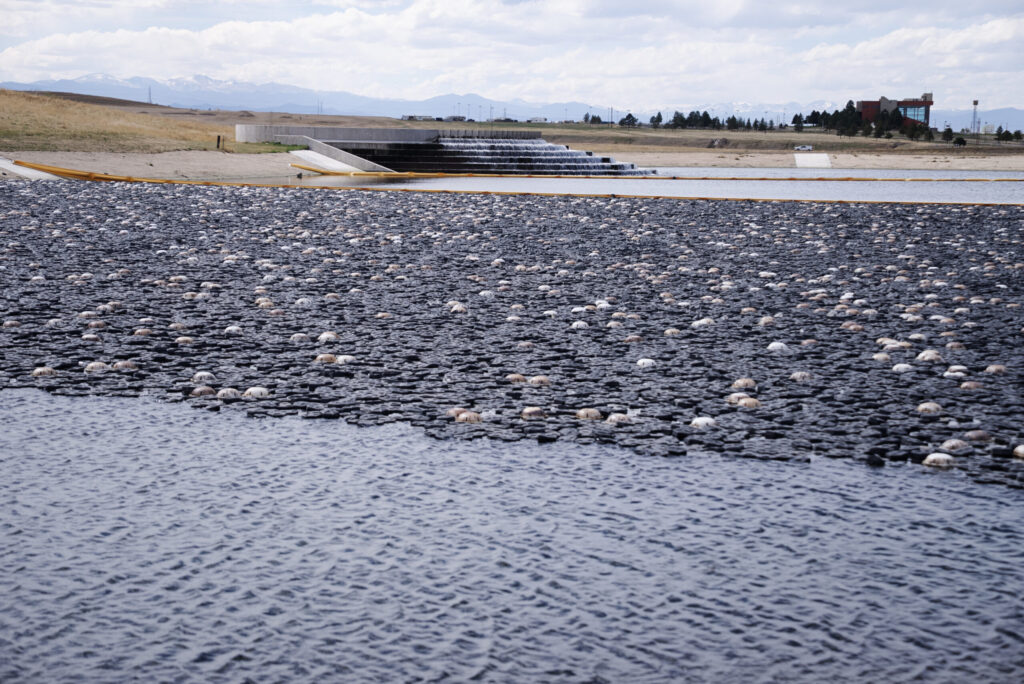
TAPPED: Aurora cracks down on water use as reservoirs fall, runoff shrinks
Kyla Pearce
kyla.pearce@gazette.com
Updated 5 hours ago
Editor’s note: The Denver metro region sits at the center of one of the American West’s most complex and consequential water challenges. This series examines the interconnected systems that determine how the region secures, stores, and conserves its water while...
Tapped: Colorado River overallocation collides with record drought conditions
Nico Brambila
nico.brambila@denvergazette.com
Updated 1 day ago
Editor’s Note: The Denver metro region sits at the center of one of the American West’s most complex and consequential water challenges. This series examines the interconnected systems that determine how the region secures, stores and conserves its water while...
TAPPED: Front Range residents face higher water rates, restrictions as rapid snowmelt threatens supplies
Kyla Pearce
kyla.pearce@gazette.com
Updated 15 hours ago
Tapped: The Denver metro region sits at the center of one of the American West’s most complex and consequential water challenges. This series examines the interconnected systems that determine how the region secures, stores, and conserves its water while navigating...
Tapped: Denver residents face hotter, costlier summer under new drought rules
Deborah Grigsby
deborah.smith@denvergazette.com
Updated 5 hours ago
Editor’s note: The Denver metro region sits at the center of one of the American West’s most complex and consequential water challenges. This series examines the interconnected systems that determine how the region secures, stores, and conserves its water while...
Tapped: Golden tightens water rules as Clear Creek snowpack falters
The Denver Gazette
the-denver-gazette@coloradopolitics.com
Updated 5 hours ago
Editor’s Note: The Denver metro region sits at the center of one of the American West’s most complex and consequential water challenges. This series examines the interconnected systems that determine how the region secures, stores, and conserves its water while...
PREV
PREVIOUS

INSIGHTS | Motion sickness ahead from the Colorado spin cycle
“If you love me, sue my client,” Bob Wills – the Alabama lawyer, not the Texas Playboy – told me when I was a pup in politics back when I covered the government there in the 1990s. Bob was the county attorney (and now the mayor of Bay Minette) in Baldwin County on the coast, the crown […]

Chair of a Polis recall group talks about payments to associates (VIDEO)
The chair of the “Official Recall Governor Jared Polis Committee” tells a Denver TV station that claims that the committee gave out $11,000 in gifts to associates of the group are “literally fake news” and the result of a mistake. The committee has said it was collecting donations to back the effort to recall Gov. […]