

Colorado high-country health alliance announces big drop in premium costs
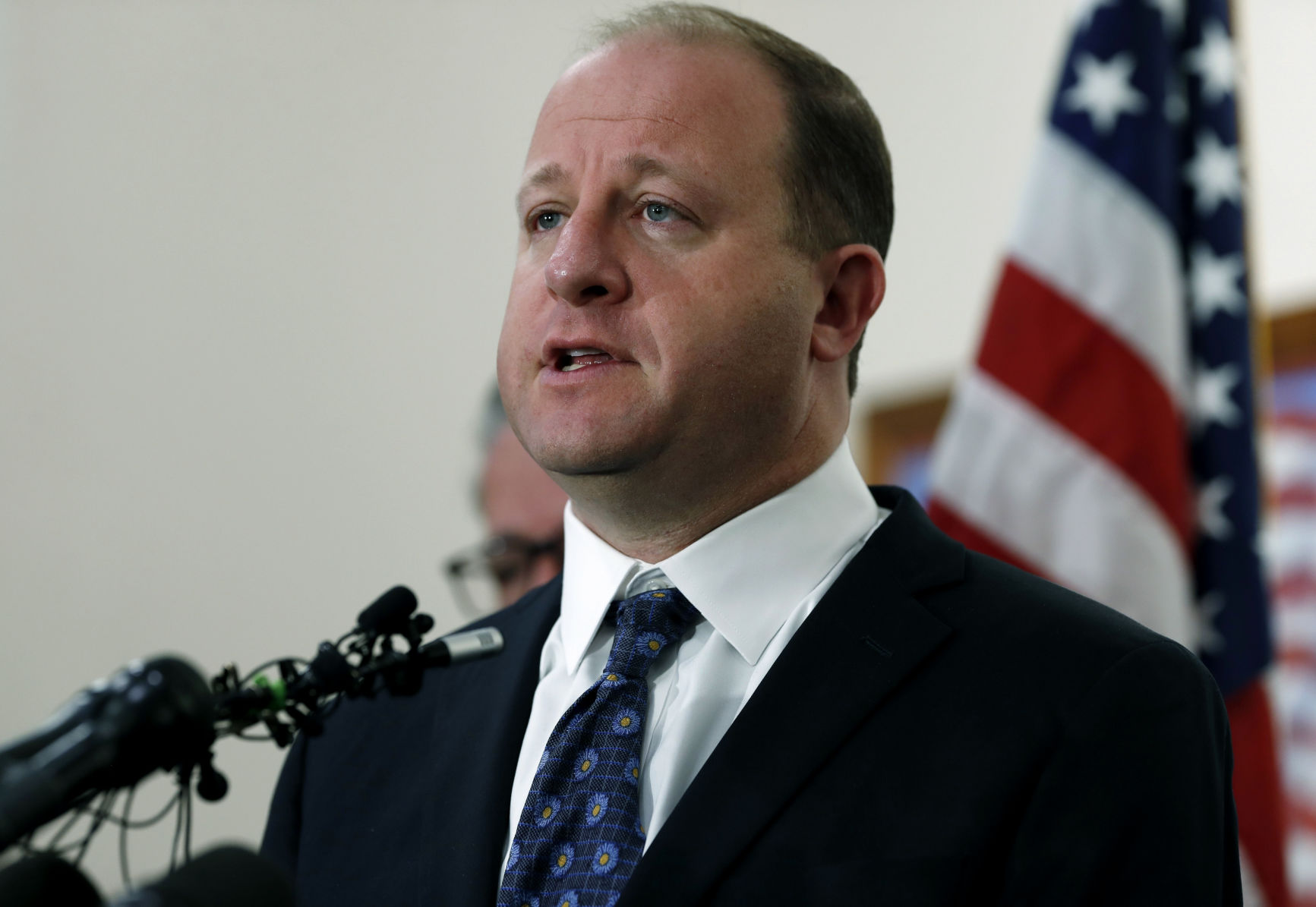
Democrats celebrated the news Monday that Peak Health Alliance in Summit County expects insurance premium costs to drop by 29% to 47%.
Gov. Jared Polis made the announcement at a news conference, as saving people money on health insurance was a cornerstone of his campaign last year.
Because of the way insurers rate regions of the state, premiums in the mountains and other rural areas are financially back-breaking. A flurry of political efforts, including a package of Polis-backed legislation, passed this year.
RELATED: Polis: Colorado health reinsurance to slash rates
The fruits of those labors prompted political back-patting Monday. Part of the savings comes from the reinsurance waiver sought by Polis and the legislature to break out high-risk insurance customers to reduce rates for others.
House Bill 1168 was sponsored by a bipartisan quartet of high country lawmakers: Reps. Julie McCluskie, D-Dillon, and Janice Rich, R-Grand Junction, with Sens. Kerry Donovan, D-Vail, and Bob Rankin, R-Carbondale.
“The Peak Health Alliance is an exciting opportunity for the state to innovate on how to lower health care rates, and I couldn’t be more thrilled for this partnership with Summit County,” Donovan said in a statement. “The potential for other communities to learn from and implement its success could be a game changer for making health care more affordable in Colorado.”
The alliance began with $150,000 in seed money from The Summit Foundation, a Breckenridge-based nonprofit that provides “leadership and resources to assist local working families, resolve critical community issues and preserve the quality of life we all enjoy in our beautiful mountains,” according to its website.
Donovan also led the fight on Senate Bill 4 to allow more communities and groups to form insurance cooperatives to bargain for group rates.
RELATED: Polis unfolds ‘roadmap’ for cutting health-care costs
Polis said a family of four could save about $14,000, and a 35-year-old could pay about $3,600 a year less in premiums.
“Now customers are banding together to solve a problem, and it’s a model we are expanding statewide to save people money on health care,” Polis said in a statement. “Peak Health is a great example of a community together to create real change.”
He said he hopes to made it a statewide model “because supporting local innovative solutions that save people money on health care are a top priority for my administration.”
More such plans and rates across the state will be announced within the next month, the governor’s office said, with projections released in July indicating an average savings of 18.2% over this year’s premiums.
Rep. Dylan Roberts, D-Eagle, a co-sponsor of Senate Bill 4 with McCluskie, called the Peak model a “game changer” for Colorado, “ensuring that more people have access to affordable, community-based health insurance … and I expect this to start happening in every corner of Colorado soon.”
Said McCluskie: “The Peak Health Alliance is significantly reducing health insurance premiums for the working people of Summit County, and I hope we can be a model for what is possible statewide. I was proud to work alongside Sen. Donovan and Rep. Roberts on the legislation that helped make these dramatic reductions in health insurance premiums a reality.”

Colorado Supreme Court weighs trans rights case involving Children’s Hospital and federal threats
Michael Karlik
michael.karlik@coloradopolitics.com
Updated 9 hours ago
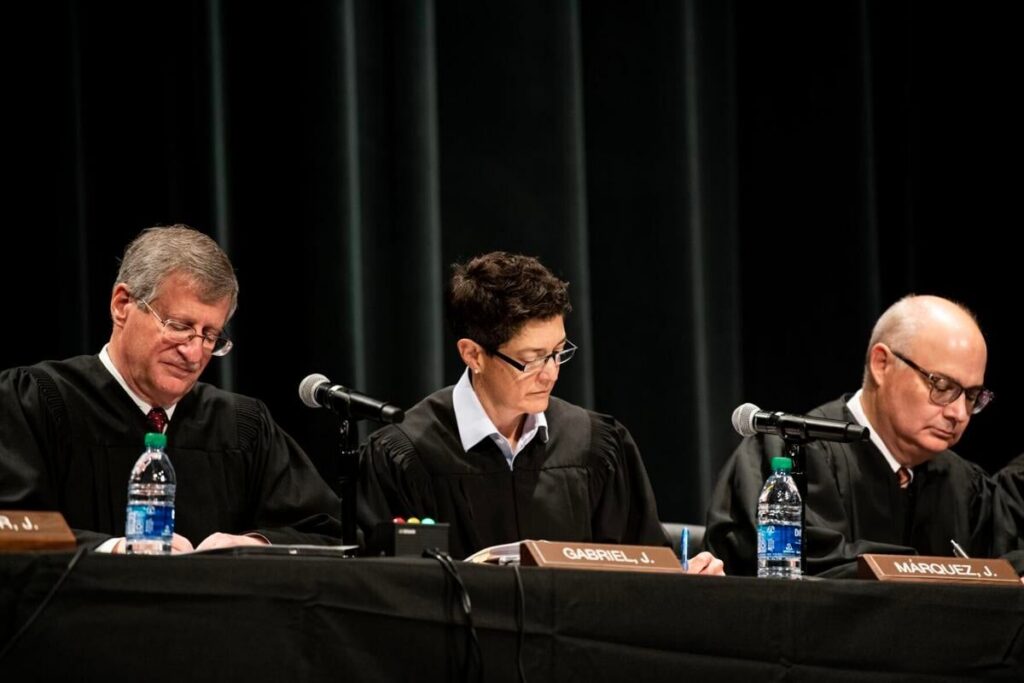
Some members of the Colorado Supreme Court expressed discomfort on Tuesday with having to decide whether to order Children’s Hospital Colorado to resume providing certain services to transgender children, which could trigger a “death sentence” if the federal government imposes...
Colorado justices weigh constitutionality of unique disclosure requirement for ballot measures
Michael Karlik
michael.karlik@coloradopolitics.com
Updated 18 hours ago
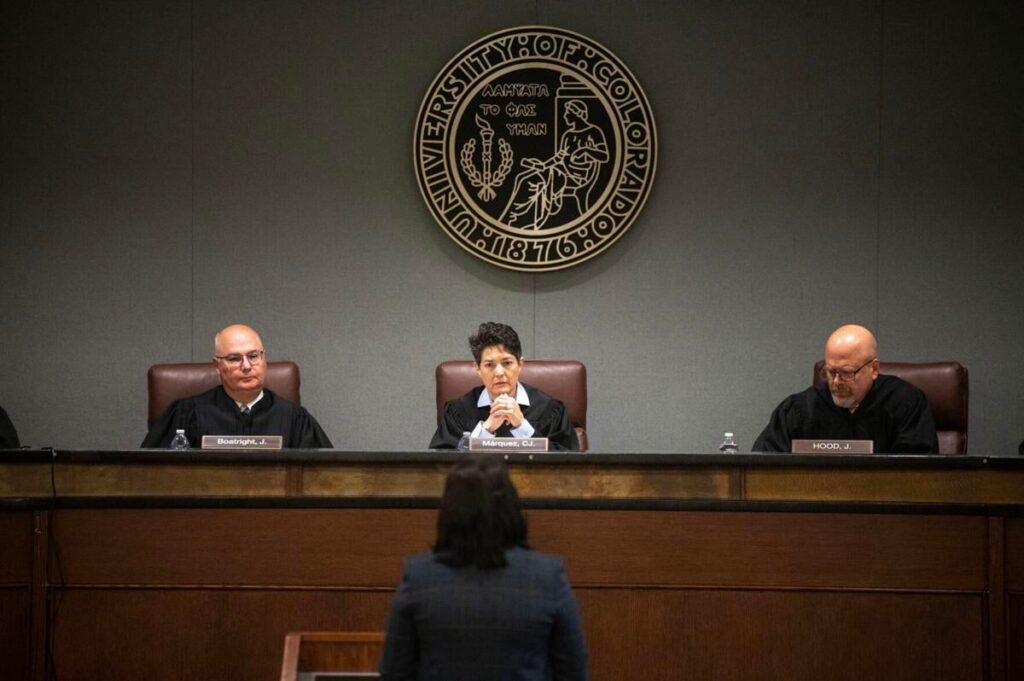
Members of the Colorado Supreme Court considered on Tuesday whether a unique feature of the state’s campaign finance system categorically violates the First Amendment by requiring the disclosure of a ballot measure committee’s legal representative on advertisements. No on EE...
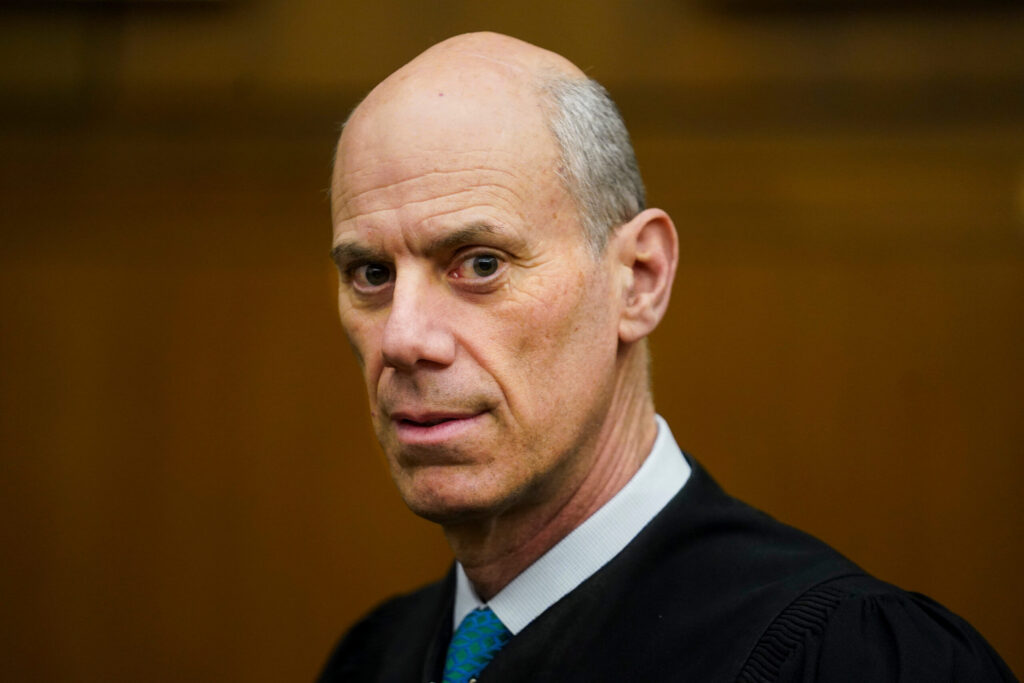
Appeals court shuts down Boasberg contempt inquiry into Trump administration over El Salvador deportations
Kaelan Deese, Washington Examiner
kaelan.deese.washington.examiner@gazetteedit.wpenginepowered.com
Updated 18 hours ago
A federal appeals court on Tuesday ordered an end to U.S. District Judge James Boasberg’s criminal contempt inquiry into Trump administration officials over last year’s deportations of Venezuelans to El Salvador, delivering a second major rebuke to Boasberg and foreclosing...

Colorado marijuana regulators pledge crackdown on intoxicating hemp
Christopher Osher
chris.osher@gazette.com
Updated 19 hours ago
Citing potential tax avoidance, ‘serious risk to public safety,’ Marijuana Enforcement Division warns companies about swapping illegal chemically converted hemp for marijuana This article was produced for ProPublica’s Local Reporting Network in partnership with The Denver Gazette. Colorado regulators announced...

Polis pushes back after Trump administration again denies federal disaster aid
Marissa Ventrelli
marissa.ventrelli@coloradopolitics.com
Updated 12 hours ago
A dispute over federal disaster aid escalated Monday as Colorado Gov. Jared Polis faulted the Trump administration for rejecting the state’s appeals for assistance following last fall’s fires and flooding. The state initially filed for a Major Disaster Declaration for...

Colorado justices block injured plaintiff from suing, despite alleged concealment by Manitou Springs
Michael Karlik
michael.karlik@coloradopolitics.com
Updated 1 day ago
The Colorado Supreme Court ruled on Monday that a woman injured on a Manitou Springs sidewalk could not sue the allegedly responsible entity, the city of Colorado Springs, even though she did not learn until too late of an agreement...
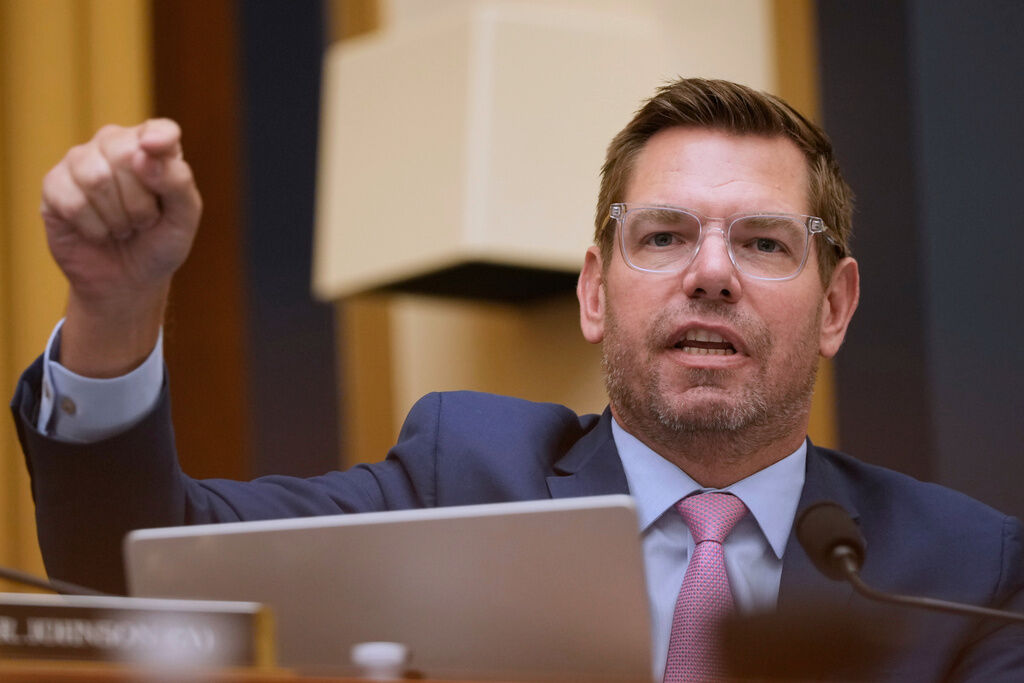
Rep. Eric Swalwell of California says he will resign after sexual misconduct allegations
Kevin Freking
kevin.freking@associatedpress.com
Updated 2 days ago
WASHINGTON (AP) — Democratic Rep. Eric Swalwell of California announced Monday he will resign from Congress following sexual assault and misconduct allegations that prompted loud bipartisan calls for him to step down. The decision caps a swift political fall for...
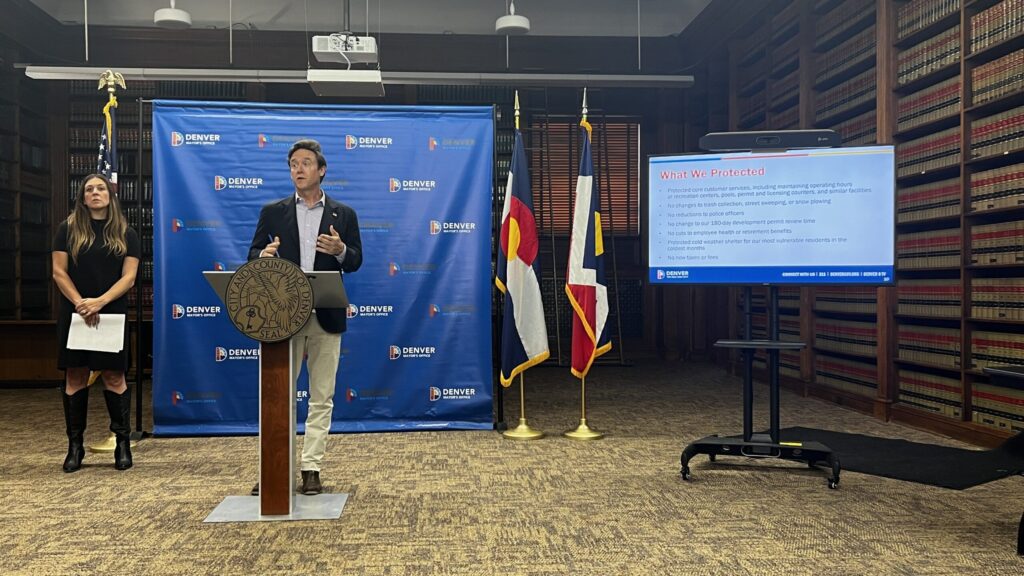
Denver continues to explore moving to a biennial budget
Deborah Grigsby
deborah.smith@denvergazette.com
Updated 21 hours ago
There’s continued momentum to shift the city of Denver to a biennial budget cycle, and if approved by the City Council, the measure would be sent to voters on the November 2026 ballot. The idea, first put forth in December,...

Colorado saw job losses for the first time since pandemic
Bernadette Berdychowski
bernadette.berdychowski@denvergazette.com
Updated 18 hours ago
Colorado’s job market last year appears to have been dimmer than it was originally believed to have been, new state data revisions show. The labor market wasn’t slowly growing, but rather it contracted in 2025. The state saw job losses...

Whistleblower contacted Democrats before filing Trump complaint that led to first impeachment, records show
Kaelan Deese, Washington Examiner
kaelan.deese.washington.examiner@gazetteedit.wpenginepowered.com
Updated 2 days ago
Newly declassified transcripts from the Intelligence Community’s then-inspector general show that the whistleblower whose complaint triggered President Donald Trump’s first impeachment had prior contact with congressional Democrats before filing the allegation, a newly-surfaced and damning detail that was not disclosed...
PREV
PREVIOUS

Denver City Council fires director, OKs $1.55M lawsuit settlement over jail jobs
Denver City Council ousted a key staffer on Monday, but the impetus for the move remains murky. The council voted 11-2, with councilmen Christopher Herndon and Kevin Flynn opposed, to fire council staff executive director Leon Mason. The council did not publicly discuss the decision, which came after a closed-door executive session that lasted about […]

Contractor: Denver I-70 project likely to be delayed 9 months
The Interstate 70 expansion in Denver now is expected to be completed in December 2022, later than anticipated. The $1.2 billion project’s contractor, Kiewit-Meridiam Partners, originally had a six-month delay approved earlier this year, reports The Denver Post. Its Aug. 29 update to bondholders predicts an added three-month delay, citing extended dialogue over design of […]