

COVER STORY | Election measures among 207 new laws that take effect today

Laws on how Colorado conducts its elections are among the 207 new laws taking effect Friday.
That includes a measure limiting campaign contributions to those who run for county seats, whether it’s commissioner, sheriff, treasurer, surveyor or coroner.
House Bill 1007 was sponsored by Democratic Rep. Emily Sirota of Denver and Sen. Rachel Zenzinger of Arvada. Prior to that law, which was signed on April 12, a person could give any amount they wanted to a candidate running for a county office.
On Friday, limits similar to those imposed for statewide elected officials go into effect. That means a cap of $2,500 from an individual donor, $25,000 from a small donor committee and $22,125 from a political party.
According to TRACER, the Secretary of State’s campaign finance database, the largest donations to county candidates in the past three years have been from the candidates to their own campaigns, and that won’t change under the new law, according to the office.
TRACER records show the individual donor who has made the largest donations to county campaigns in the last election cycle was real estate agent and developer Greg Stevinson of Littleton, who has donated $600,000 to political campaigns and committees of all kinds since 2002, both to Republicans and Democrats.
During the 2018 election cycle, Stevinson gave $117,210 to candidates — both statewide and county — and to political action committees. That included eight donations ranging from $2,000 to $7,500 each to six Republican candidates running for county offices in Jefferson County.
He was the largest contributor to each of those six candidates in the 2018 election cycle, and in the case of Robert Hennessy, who ran for county surveyor, Stevinson was the only donor to that campaign, with $7,500.
Five of the six lost their election bids in the 2018 Democratic sweep of contested offices in Jefferson County last November. Sheriff Jeff Shrader ran unopposed.
Another major election bill also goes into effect Friday. That’s House Bill 1278, sponsored by Senate Majority Leader Steve Fenberg of Boulder and Democratic Rep. Susan Lontine of Denver.
This omnibus election bill, signed into law on May 29, makes significant changes in the state’s election code. Among its most immediate change is to recall petitions.
Under current law, when a petition is submitted, the Secretary of State checks to see if enough valid signatures are included. If that petition is submitted prior to a deadline and the Secretary of State determines it doesn’t have enough signatures, the petition backers can “cure” that deficiency with additional signatures up until the deadline. That happened with the personhood ballot measure (Amendment 62) in 2010.
Under HB 1278, that provision no longer applies to recall petitions. The only “cures” allowed for a recall petition as of August 2 are to correct signatures deemed not valid or to correct petition circulator information. That change in law will apply to the recall petitions currently being circulated for Gov. Jared Polis and Democratic state Sen. Pete Lee of Colorado Springs and Brittany Pettersen of Lakewood.
HB 1278 also:
- Changes the number of signatures required for petitions for minor party candidates to appear on the statewide ballot. For example, a minor party candidate who wants to run for president in 2020 will now need 1,500 signatures from each congressional district. The previous threshold was 5,000 total for the entire state.
- Allows a person who does not reside in a county but wants to vote at a polling place there to vote for federal offices, statewide offices and statewide ballot questions.
- Allows recall petitions to be circulated by people who are not Colorado residents. They must, however, be U.S. citizens and at least 18 years of age. The law also reduces the number of days to cure inaccuracies in recall petitions from 15 days to five days.
- Increases the number of voting service centers, as well as requiring drop boxes on college campuses and Indian reservations.
- Allows 17-year-olds who are pre-registered to vote, and who will be 18 by the date of the next general election, to participate in primary elections and caucuses that take place before the general election.



A proposed Democratic bill would make taking Colorado workers’ IDs a crime
Marissa Ventrelli
marissa.ventrelli@coloradopolitics.com
Updated 17 minutes ago
After a narrow 6–5 vote, a bill to bar employers from taking workers’ identification documents is moving to the full Colorado House, sparking questions about how often such intimidation occurs and whether a new state law is necessary. House Bill...

House rejects effort to withdraw US forces from the Iran war as Republicans stick with Trump
Kevin Freking
kevin.freking@associatedpress.com
Updated 5 hours ago
WASHINGTON (AP) — The House rejected a resolution Thursday requiring President Donald Trump to withdraw U.S. forces from the war with Iran unless Congress authorizes military action. It was the latest such vote that fell short of passage as Republicans...
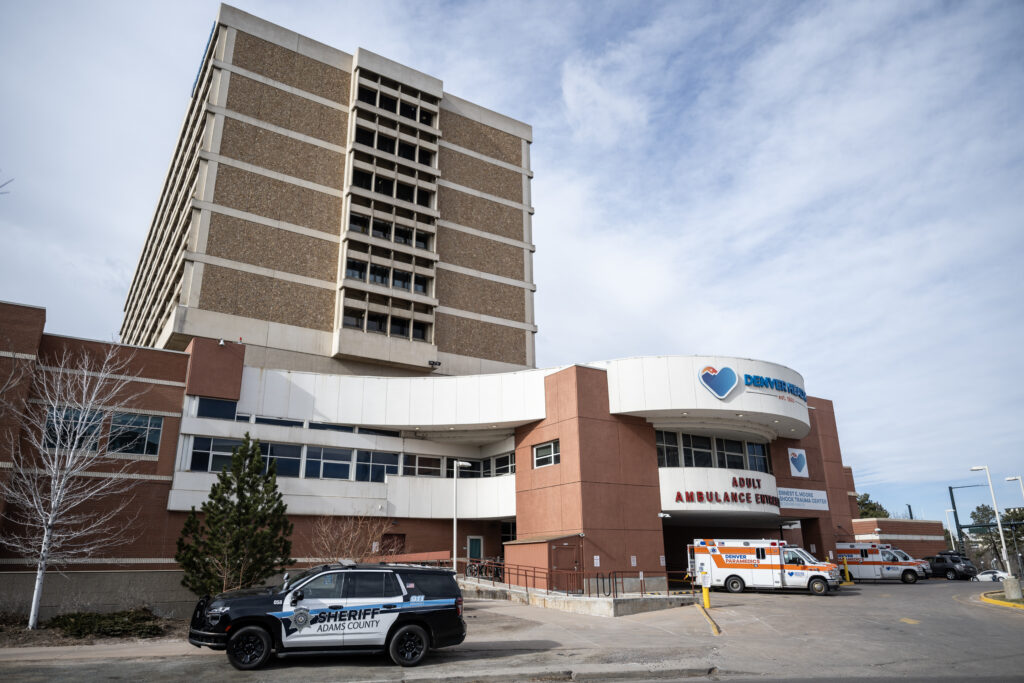
9 Colorado hospitals at risk of closing due to Medicaid cuts
Nico Brambila
nico.brambila@denvergazette.com
Updated 5 hours ago
The $900 billion in Medicaid cuts over the next decade could threaten the viability of more than 400 hospitals nationally and at least nine in Colorado, a new report has found. The hospitals span the Front Range and rural communities,...
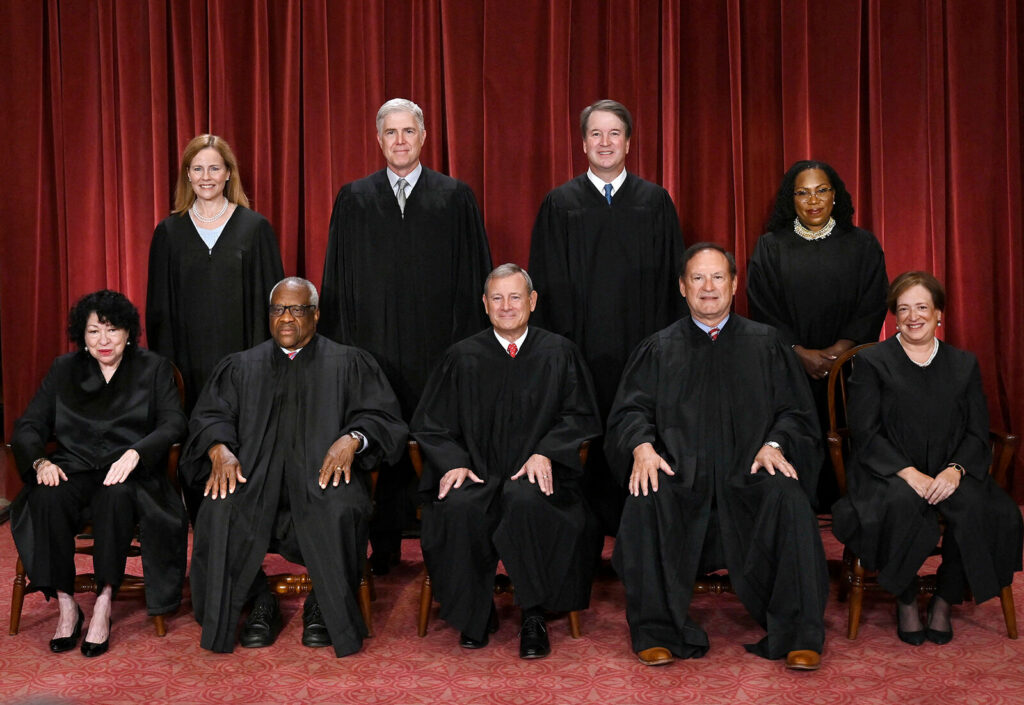
Democrats vow to block next Trump Supreme Court pick amid Alito speculation
Ramsey Touchberry, Washington Examiner
ramsey.touchberry.washington.examiner@gazetteedit.wpenginepowered.com
Updated 6 hours ago
Justice Samuel Alito hasn’t tipped his hat on retiring just yet, but Senate Democrats are already entrenched in opposing the confirmation of a successor that would deliver President Donald Trump his fourth lifetime appointment to the high court. Democrats need...
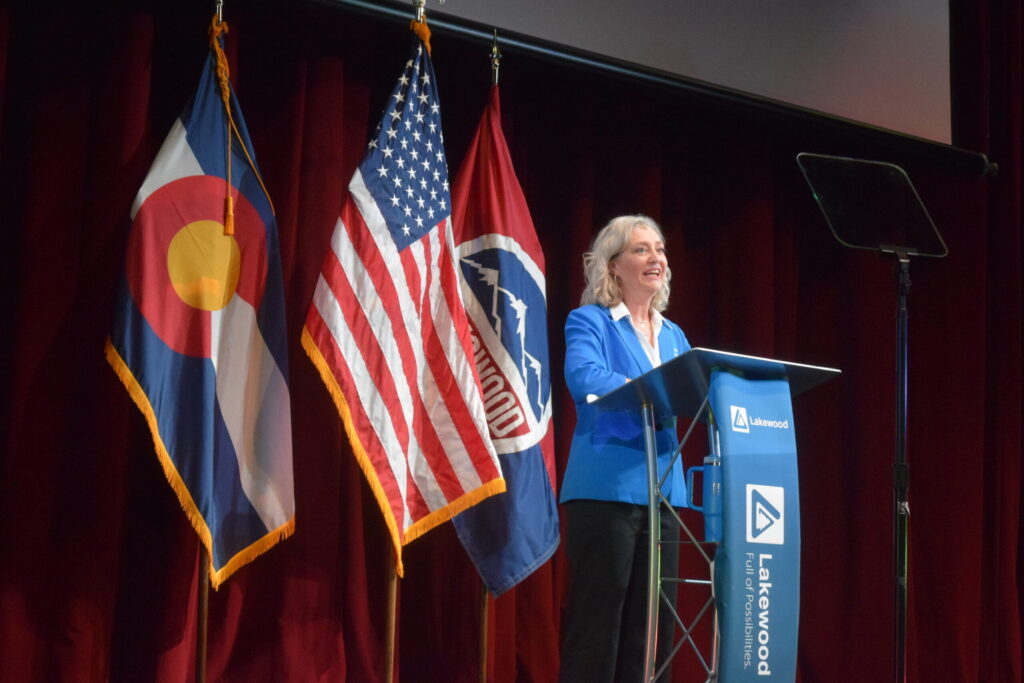
Lakewood mayor calls for unity, community in State of the City speech
Sage Kelley
sage.kelley@denvergazette.com
Updated 6 hours ago
Lakewood held its first State of the City address since 2018 on Wednesday — timing Mayor Wendi Strom attributed to fate. “We got bumped a few times on dates,” Strom said to a room of nearly 100 residents and officials....

Colorado Senate reworks key programs, gives preliminary nod to $46B budget
Marianne Goodland
marianne.goodland@coloradopolitics.com
Updated 6 hours ago
With the Senate’s traditional Budget Day barbecue setting a lighter tone, lawmakers worked through the $46.8 billion state budget Wednesday, navigating a long list of amendments but avoiding the partisan clashes that defined the House debate last week. The Senate...
Colorado budget plan seeks to keep $306 million by canceling TABOR refunds
Marianne Goodland
marianne.goodland@coloradopolitics.com
Updated 6 hours ago
Tucked deep within the hundreds of pages of the proposed $46.8 billion 2026–27 state budget is a line item showing $306.1 million in savings — achieved by canceling Taxpayer’s Bill of Rights refunds. Gov. Jared Polis has recommended withholding TABOR...
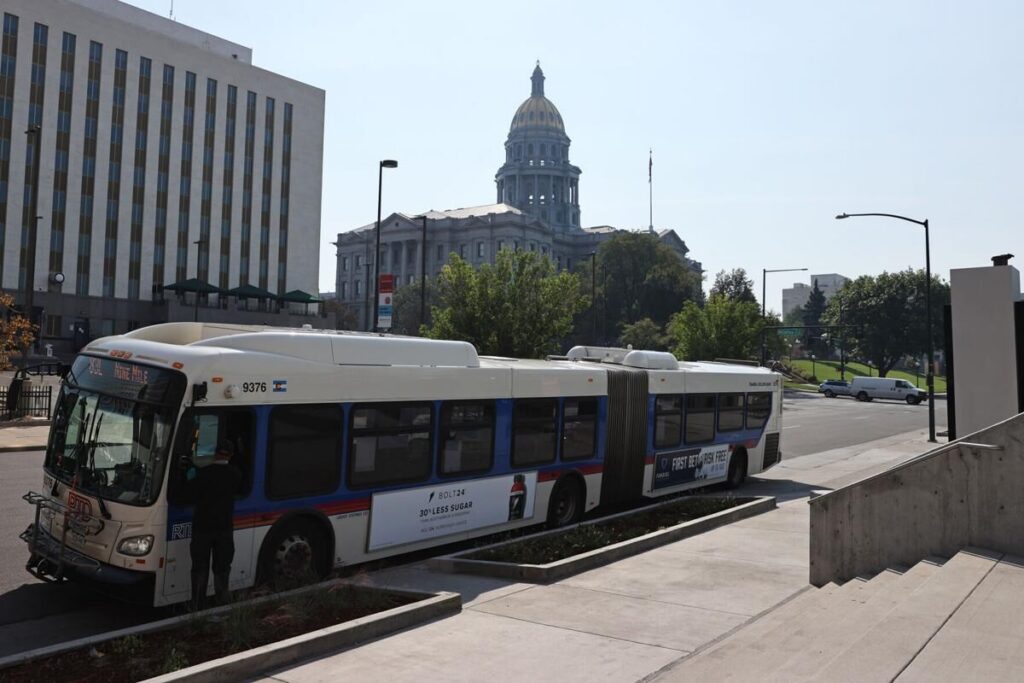
RTD lays off two dozen managers in operations ‘realignment’
Scott Weiser
scott.weiser@gazette.com
Updated 5 hours ago
More than two dozen managers at the Regional Transportation District learned in March that their jobs would be eliminated, with their last day of work set for July 2. That’s according to documents provided to The Denver Gazette by an...
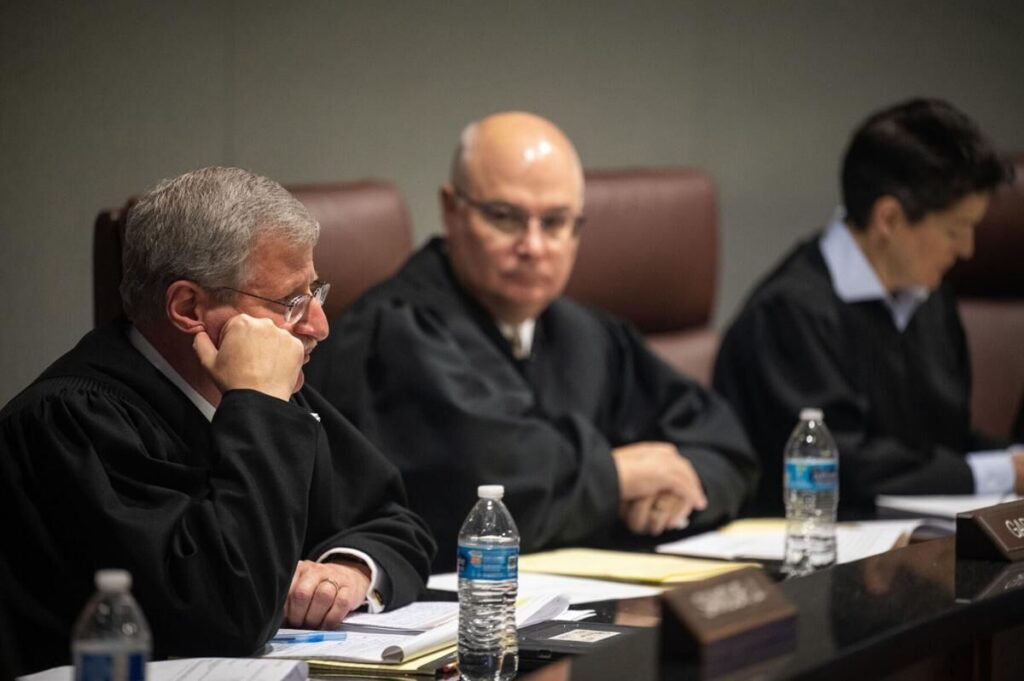
Colorado Supreme Court concerned about police overreach in interrogations
Michael Karlik
michael.karlik@coloradopolitics.com
Updated 24 hours ago
Some members of the Colorado Supreme Court appeared hesitant on Tuesday to endorse the ability of police to interrogate a suspect after they have obtained a court order authorizing only the collection of physical evidence. Under Colorado’s criminal rules, law...
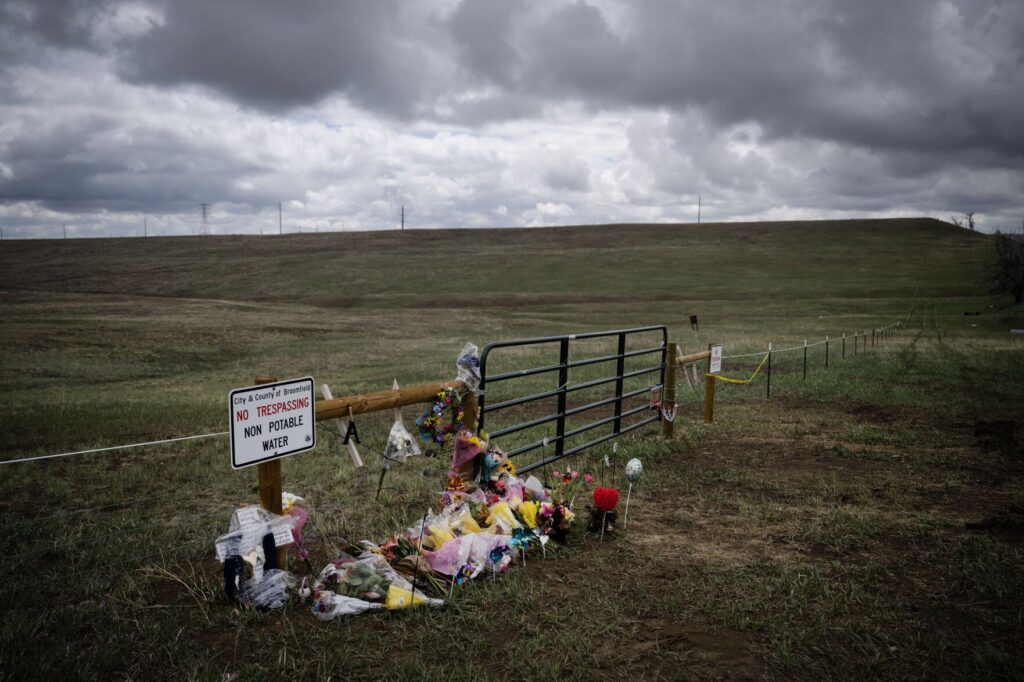
Colorado House committee advances Democratic bill to reduce penalties for ‘extreme indifference’ murder
Marissa Ventrelli
marissa.ventrelli@coloradopolitics.com
Updated 3 hours ago
Lawmakers on the Colorado House Judiciary Committee narrowly passed a bill proposing changes to the state’s sentencing guidelines for murders facilitated with “extreme indifference to the value of human life.” Colorado is one of several states with this type of...
PREV
PREVIOUS

COVER STORY | Bills in the background: A look at the hundreds of measures you never heard about
Red flag. Oil and gas. The national popular vote. Family leave. Health care. The state budget. Bills on those topics got lots of media coverage during the 120 days of the 2019 Colorado General Assembly. All told, you may have read stories or heard broadcast reports on roughly 150 bills that passed this year, depending […]

Denver airport audit cites hazards from construction project (VIDEO)
The construction project in Denver International Airport’s main terminal is already years behind schedule and over budget. And each day, things get worse between the airport and the contractors. Now, a safety audit ordered by DIA officials says the contractors have put the public and employees at risk during renovations. The report focuses on four […]