

Polis: Colorado health reinsurance to slash rates

Gov. Jared Polis on Tuesday rolled out the results of a study by the Colorado Division of Insurance that claims a new “reinsurance” program could save Coloradans an average of 18.2% on health insurance premiums, and much more in rural parts of the state.
The reinsurance program came about as a result of House Bill 19-1168, which put into motion a request to the federal Centers for Medicare and Medicaid Services (CMS) for a state innovation waiver.
That waiver, if granted, would allow Colorado to establish a reinsurance program, which would function as an insurance plan to cover the highest-cost claims paid by health insurers.
Backers of the reinsurance plan claim such a program would substantially drive down insurance premiums for the individual market. That’s the portion of Coloradans who don’t qualify for Medicaid or Medicare, don’t get insurance from their employers or are small business owners, for example.
Those individuals and families buy their insurance, when they can afford it, through Connect for Health Colorado, the state’s health benefit exchange that was established after the passage of the Affordable Care Act (ACA), also known as Obamacare. That program currently enrolls somewhere between 225,000 and 250,000 Coloradans, according to the Division of Insurance.
About 6-7% of Coloradans are uninsured; Polis estimated Tuesday the reinsurance program could cut that uninsured rate in half.
The program sets up a reinsurance pool, with $90 million coming from the state through the hospital provider fee, and $170 million in federal dollars that currently pay for subsidies under the ACA.
Estimated rates for rural Colorado show the greatest impact. In Grand Junction, for example, rates are projected to fall by some 27.7%. In Western Colorado, not including Grand Junction, rates could fall by as much as 29.1%. That could amount to as much as a $9,000 annual reduction in premium costs for those families.
Pueblo rates could drop by 26.7%; rates in Colorado Springs are expected to drop by 15.7%. Rates in Eastern Colorado are projected to decline by 24.9%.
Premium rates for 2020 will not be finalized until September, the same month that the state Division of Insurance expects to hear from CMS on the waiver request. All nine members of Colorado’s congressional delegation have endorsed the program, and similar programs have been launched in other states.
Polis said health insurance premiums are likely to fall for employer-paid insurance as well, given that fewer uninsured Coloradans will mean that costs decrease for hospitals overall. That’s most likely to be a benefit for Western Colorado, he said.
Commissioner of Insurance Mike Conway told reporters Tuesday that rural Colorado has felt most of the pain from high insurance premiums. Tamara Drangstveit, CEO of the Summit County-based Peak Health Alliance, said residents in her county have had to deal with “crippling double-digit premium increases,” forcing people to choose between child care and health care, for example.
The Alliance announced earlier this year it would set up a cooperative for health insurance beginning in January. It’s an idea that’s gaining favor in other parts of the state.
Republican Sen. Bob Rankin of Carbondale, one of the sponsors of HB 1168, told reporters that he’s talked to people who can’t afford insurance and are afraid of going to the hospital.
“It’s hard to express the impact [of health insurance premiums] on young families,” he said.
But he also cautioned that the reinsurance program is little more than a band-aid on top of the ACA that will do nothing to lower the cost of health care, and backers have acknowledged that reinsurance is, at best, a short-term fix to the state’s high cost of health insurance.
Rankin said he expects big changes will come from the cooperatives, such as the one in Summit County.
“That’s where the action is,” Rankin said, pointing to a new co-op being formed in the Roaring Fork Valley.
There are still concerns about the program, Polis said, and that’s tied to instability in the health insurance market that drove up premiums by double digits in 2017 and 2018. Those rate increases were driven in part by lawsuits, including a current federal lawsuit filed by Republican attorneys general that attempts to declare the Affordable Care Act unconstitutional.
A lower court in Texas has already made that ruling. A three-judge panel in the Fifth Circuit Court of Appeals in Louisiana heard the appeal last week.


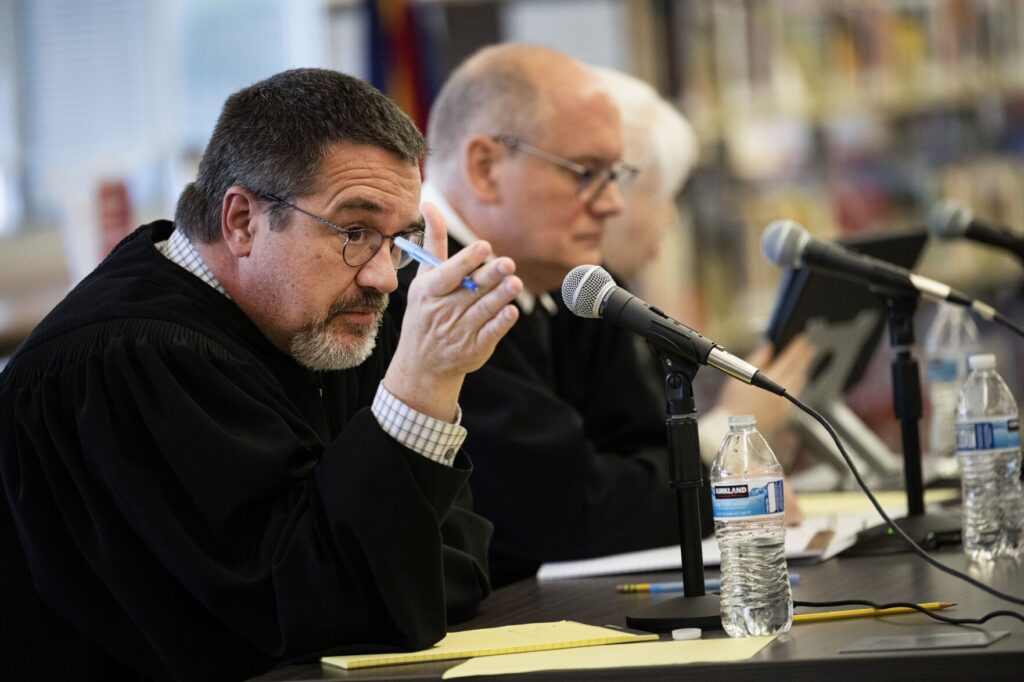
Appeals court clarifies what materials judges may rely on for postconviction decisions
Michael Karlik
michael.karlik@coloradopolitics.com
Updated 9 hours ago
Colorado’s second-highest court clarified on Thursday that trial judges who are deciding whether to grant relief to convicted defendants may rely on the materials attached to, or referenced in, the parties’ arguments. In contrast to direct appeals of criminal convictions,...

Here’s what to know about the Homeland Security shutdown starting this weekend
Deborah Grigsby
deborah.smith@denvergazette.com
Updated 7 hours ago
Another shutdown for parts of the federal government is expected this weekend, following an impasse over funding for the U.S. Department of Homeland Security amid a push by Democrats for changes in immigration enforcement. Funding for the federal agency is set to...
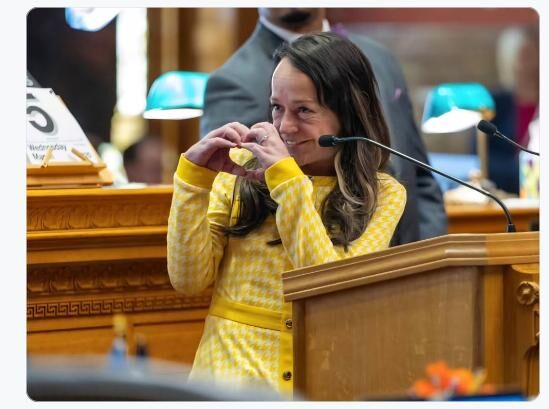
Colorado legislators, friends and family pay tribute to late Sen. Faith Winter
Marianne Goodland
marianne.goodland@coloradopolitics.com
Updated 9 hours ago
Colorado legislators on Friday, joined by current and former lawmakers, memorialized the late Sen. Faith Winter, noting her contributions to public policy in transportation, family and medical leave, and climate legislation. Winter died in an auto accident on Nov. 26...

No deal: Basin states remain deadlocked as Colorado River negotiations collapse again
Marianne Goodland
marianne.goodland@coloradopolitics.com
Updated 5 hours ago
With a Feb. 14 deadline looming, the seven states in the Colorado River Basin have not reached an agreement on how to manage the river after the 2026 operating guidelines expire later this year, and John Entsminger, Nevada’s chief negotiator,...

Push to regulate high concession prices in Colorado could hurt vendors, critics warn
Bernadette Berdychowski
bernadette.berdychowski@denvergazette.com
Updated 5 hours ago
High food and drink prices have long been a staple of going to a sports game, concert, festival or even the airport. But as inflation has increasingly pinched people’s wallets, pushback against excessive concession prices is growing. The issue has...

Lower courts undermine Trump’s appeals court win on immigration detention
Jack Birle, Washington Examiner
jack.birle.washington.examiner@gazetteedit.wpenginepowered.com
Updated 13 hours ago
Lower court judges are finding ways to order the release of illegal immigrants apprehended by the Trump administration, despite a critical appeals court ruling that affirmed the administration’s detention policy. The U.S. Court of Appeals for the 5th Circuit handed...

Why it could take weeks to feel the brunt of a DHS shutdown
David Sivak, Washington Examiner
david.sivak.washington.examiner@gazetteedit.wpenginepowered.com
Updated 13 hours ago
The Department of Homeland Security’s broad reach means that everything from disaster relief to airport security could be hampered if funding runs out on Saturday, but it might take weeks before the public feels the impact. The dispute over how...
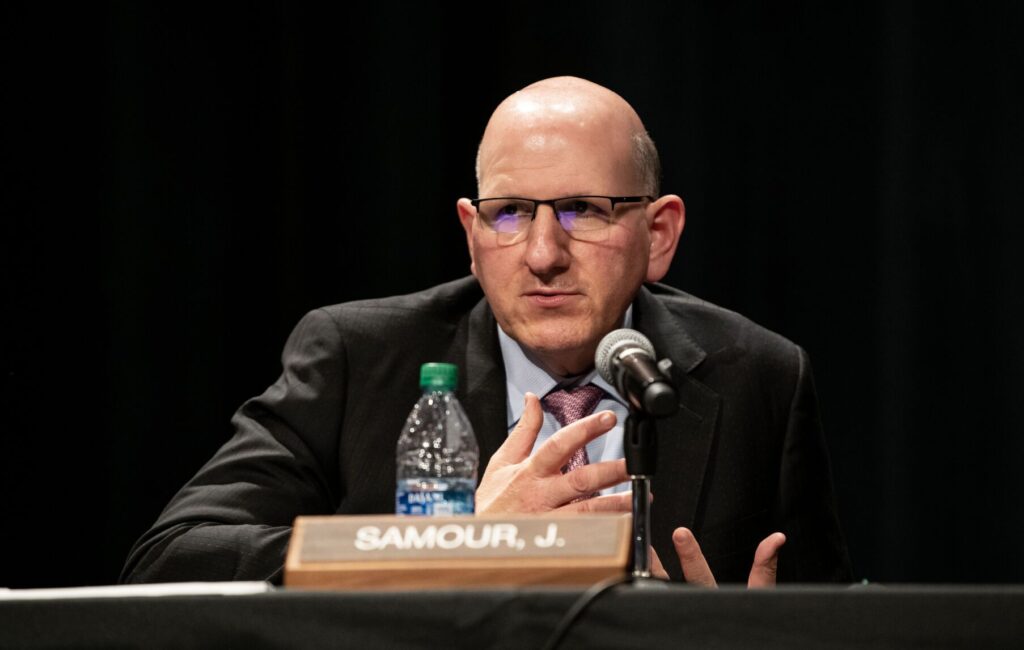
Colorado justices skeptical of challenge to water enterprises’ eminent domain power
Michael Karlik
michael.karlik@coloradopolitics.com
Updated 15 hours ago
Members of the Colorado Supreme Court appeared receptive on Wednesday to the notion that water-related enterprises have the legal authority to exercise the governmental power of eminent domain over private property. An enterprise is a government-owned business that provides fee-based...
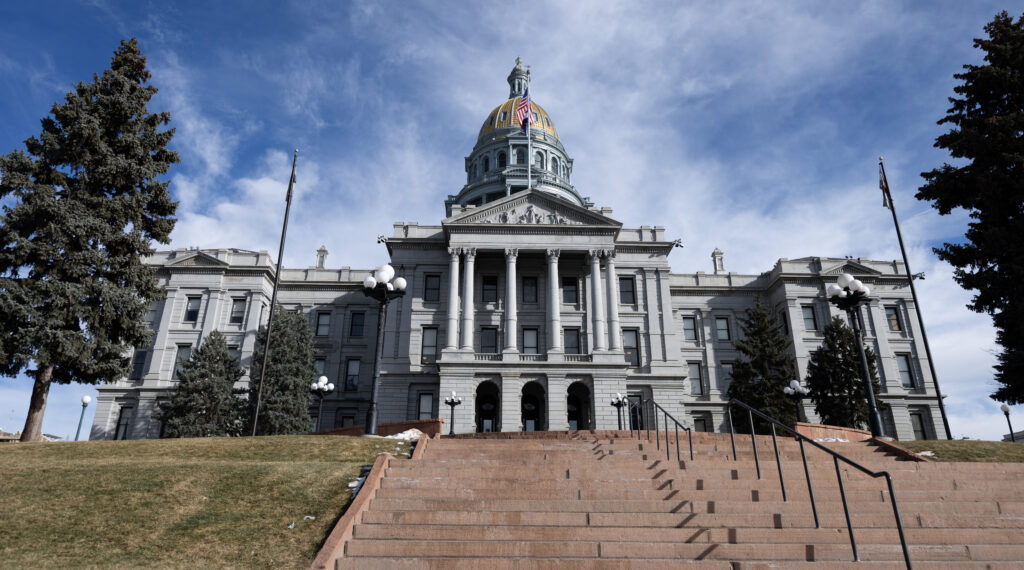
Colorado Democrats seek to legalize prostitution by July
The Denver Gazette
the-denver-gazette@coloradopolitics.com
Updated 9 hours ago
A group of Democrats is seeking to legalize prostitution in Colorado, arguing that current penalties “endanger” consenting adults. The proposal, if enacted, would decriminalize prostitution statewide and preempt local ordinances that ban it. If signed into law, it will take...

Evergreen CommonSpirit gunman identified as previous patient
9News
9news@coloradopolitics.com
Updated 10 hours ago
A gunman who shot into a primary care office in Evergreen Thursday afternoon was previously a patient at the facility, authorities said. Lance Black, 62, fired about 19 shotgun rounds into various pieces of equipment, computers and walls at a...
PREV
PREVIOUS

Polis honors US women's soccer team members at Rapids-Arsenal match (VIDEO)
COMMERCE CITY — Fresh from their World Cup victory, members of the U.S. women’s national soccer team were recognized Monday at a friendly match between the Colorado Avalanche and England’s storied Arsenal. Women’s team players Lindsey Horan and Mallory Pugh were in attendance; both are Colorado natives. They were honored at halftime in front of […]

BLM headquarters move to Colorado would add only about 85 workers
The U.S. Department of the Interior made it official Tuesday – it plans to move the headquarters of its Bureau of Land Management to Grand Junction – but that means only about 85 extra BLM employees in Colorado. Grand Junction could gain as few as 27 jobs – the BLM director, deputy director of operations, assistant directors “and […]