

DeGette, Lamborn on opposite sides of uranium mining debate
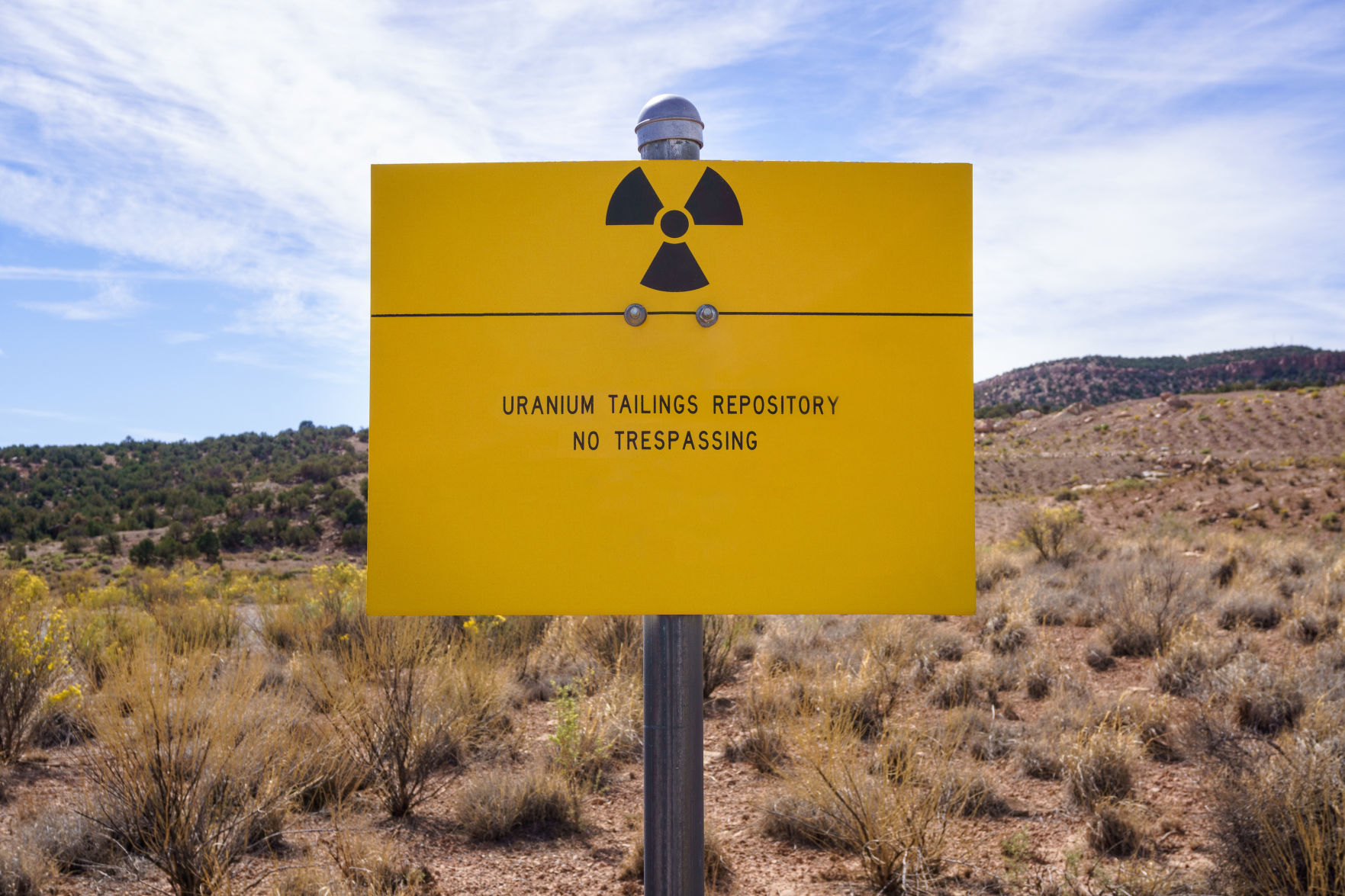
WASHINGTON – Colorado’s members of a U.S. House Natural Resources subcommittee split along party lines Tuesday during a hearing on a bill that would severely restrict uranium mining.
The bill, called the Uranium Classification Act, seeks to protect public and tribal lands in western states from uranium mining.
Democrats proposed it in response to the Trump Administration’s “Critical Minerals Strategy” announced June 4. The strategy would classify uranium as a “critical mineral,” thereby relaxing mining restrictions to ensure continued production of it for nuclear energy, medical and military purposes.
Other parts of the strategy would speed up regulatory permits for uranium mining operations. In addition, Interior Department agencies were ordered to review mining bans on federal lands to see whether they could be revised for critical minerals like uranium.
The Uranium Classification Act would remove uranium from the critical mineral list.
Uranium can be found in the Colorado River Basin, where companies like Western Uranium & Vanadium seek to mine it. The company already operates four uranium mines in western and central Colorado.
“I don’t think uranium meets the definition of critical mineral,” Colorado U.S. Rep. Diana DeGette, a Denver Democrat, said during the subcommittee on energy and mineral resources hearing.
Like other Democrats, DeGette was concerned about environmental dangers of expanded uranium mining.
Uranium is a dense rock associated with radioactivity and elevated risks of cancer. It is most commonly used as a fuel for nuclear energy reactors. It also can be refined for use in nuclear weapons.
“I’m concerned because there are still 15,000 abandoned uranium mines in the western United States,” DeGette said. About 75% of them lie on federal and tribal lands.
“I think what we should be doing is focusing on addressing the public health impacts of the abandoned mines, not opening new mines to mining,” DeGette said.
However, Colorado U.S. Rep. Doug Lamborn, a Colorado Springs Republican, expressed concern the United States had become overly dependent on imported uranium.
Most of the uranium used in the United States comes from Australia and Canada. Smaller amounts come from Kazakhstan and China.
“What percentage of uranium in our country is domestically produced versus foreign produced?” Lamborn asked.
“For the past several years, less than 10% of domestic consumption of uranium has been as a result of domestic mining,” replied Steven M. Fortier, director of the U.S. Geological Survey’s National Minerals Information Center.
Foreign mining companies can produce the mineral inexpensively, largely because they lack the kind of strict environmental standards found in the United States, Fortier said.
U.S. uranium mining companies “are at a clear disadvantage,” Fortier said.
He cautioned that U.S. supplies from allied countries could be cut off because foreign mining companies face stiff competition.
“Those supplies are at risk just as they are in the U.S.,” Fortier said.
Lamborn held out little hope the proposed Uranium Classification Act would win approval in Congress.
“This bill has some real problems though,” he said. “I can’t see any way that it’s ever going to become law.”
The Trump Administration is reviewing a petition by mining companies Ur-Energy and Energy Fuels asking the federal government to require at least a quarter of U.S. uranium to come from domestic suppliers.
President Donald Trump is expected to announce a decision on the petition within weeks.
Trump’s new strategy on critical minerals followed a suggestion from Chinese officials who said rare earth minerals could be used as bargaining chips in a trade war with the United States.
Uranium mining companies like Western Uranium & Vanadium either did not respond to questions or declined to comment when contacted by Colorado Politics.

Colorado, some Coloradans make appearances in the Epstein Files
RACHAEL WRIGHT Special to The Gazette
rachael-wright-special-to-the-gazette@coloradopolitics.com
Updated 12 hours ago
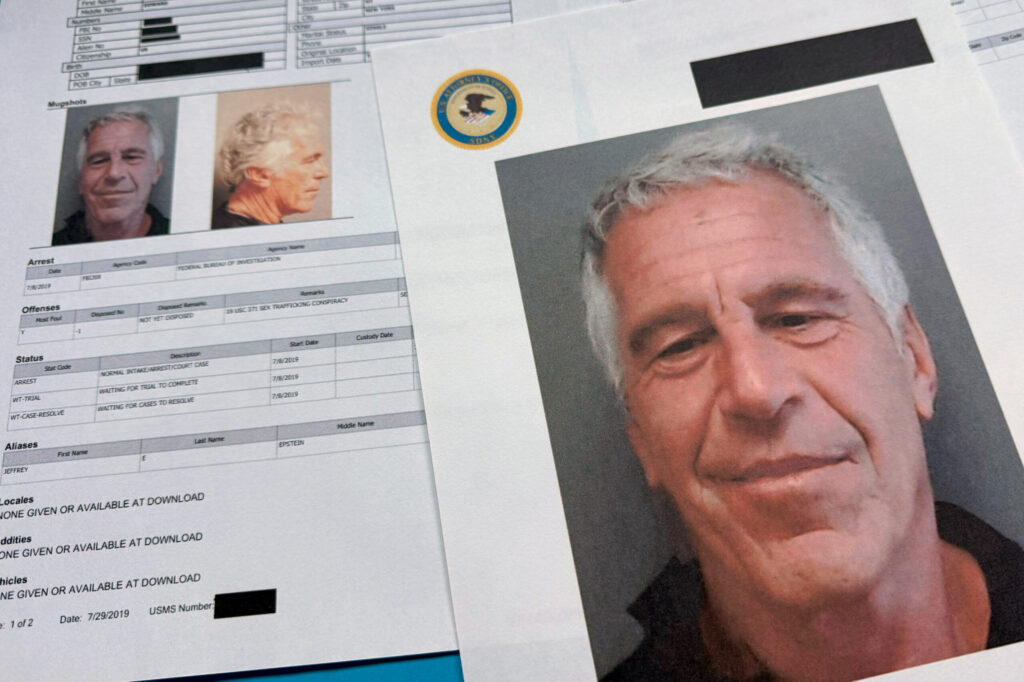
With the U.S. Department of Justice’s release of 3 million more files pertaining to convicted sex felon Jeffrey Epstein, multiple written mentions of alleged connections to Colorado towns and business owners have come to light. A word search of the documents for “Colorado” generates 1,485 hits, with inquiries for cities including Denver and Aspen generating several thousands more. Chad...
New Mexico launches ‘truth commission’ investigation into Jeffrey Epstein’s ranch | OUT WEST ROUNDUP
The Associated Press
the-associated-press@coloradopolitics.com
Updated 4 days ago
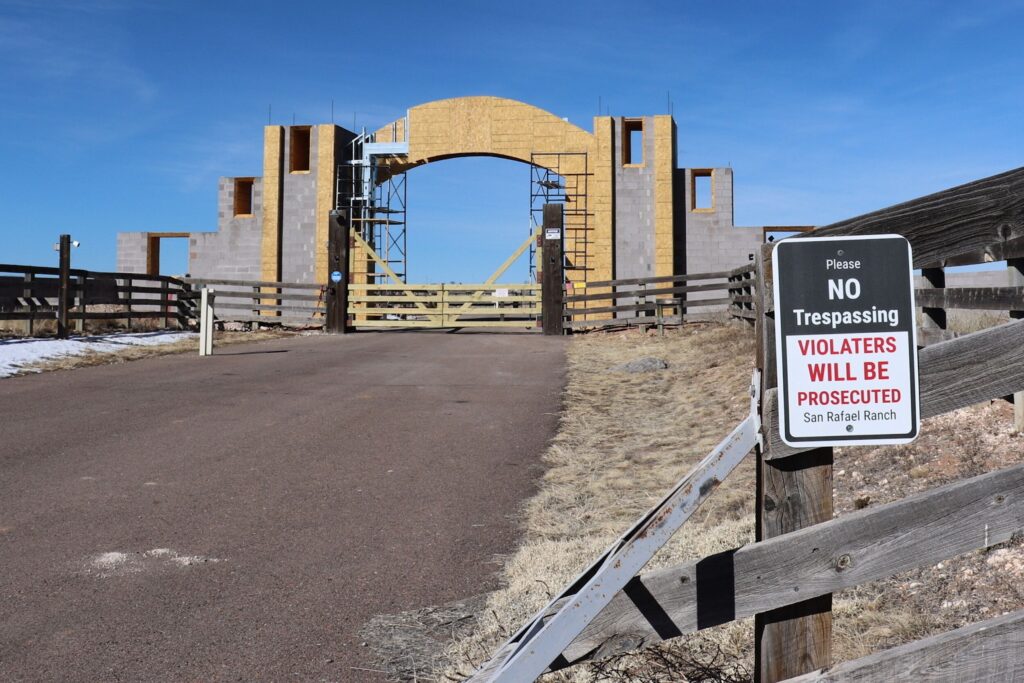
NEW MEXICO State investigates Epstein’s ranch SANTA FE — State legislators in New Mexico launched an investigation on Feb. 17 into past activity at a secluded desert ranch where financier and sex offender Jeffrey Epstein once entertained guests and whether...

Colorado’s federal judges maintain approach to immigration detentions while escalating warnings
Michael Karlik
michael.karlik@coloradopolitics.com
Updated 1 day ago
Colorado’s federal judges are maintaining their view that the government’s assertion of broad immigration detention authority is unlawful, casting aside a recent appellate decision to the contrary as “unpersuasive” and out of step with the predominant interpretation by the judiciary....
In a meeting Colorado GOP chair Brita Horn calls ‘illegal,’ Republicans vote to demand her resignation
Ernest Luning
ernest.luning@coloradopolitics.com
Updated 1 day ago
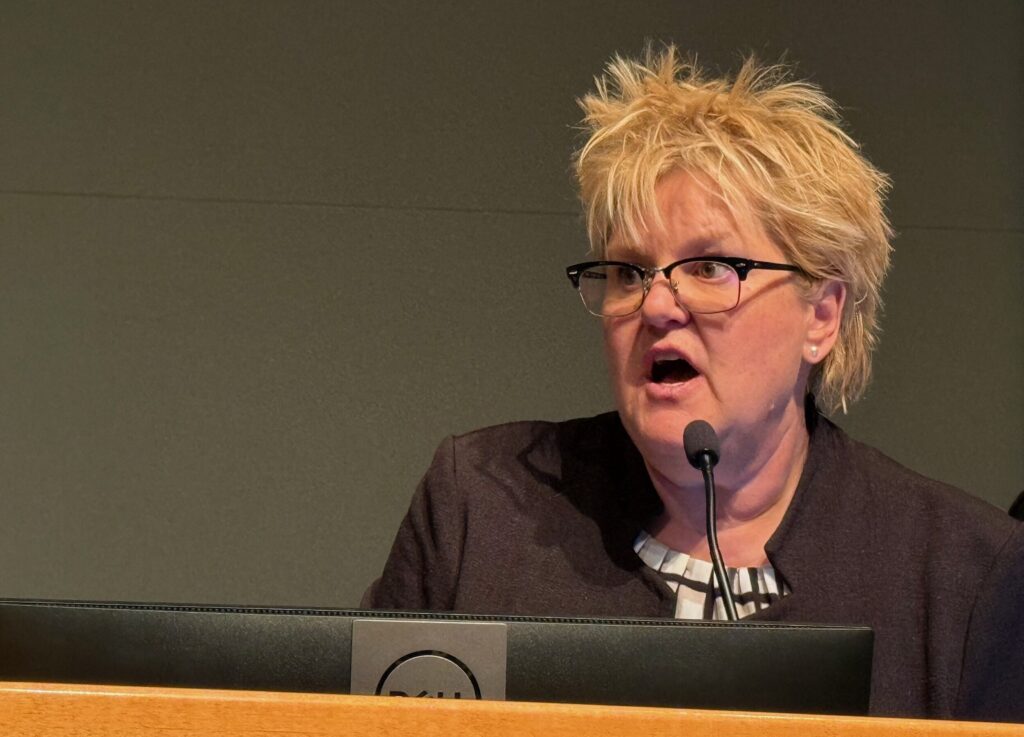
Roughly half the membership of the Colorado Republican Party’s state central committee on Saturday voted overwhelmingly to approve a resolution expressing “no confidence” in state GOP Chairman Brita Horn’s leadership and calling for her immediate resignation in an online meeting...

Colorado Medicaid probe uncovers millions of dollars in alleged transport fraud ring
Nico Brambila
nico.brambila@denvergazette.com
Updated 1 day ago
Colorado Medicaid officials detected $25 million in abnormal billing over just four months two years ago — a surge that prompted a new state law and the suspension of dozens of providers in what authorities now describe as an organized...
One small step for dialing back the partisanship | SONDERMANN
Eric Sondermann
eric-sondermann@coloradopolitics.com
Updated 3 days ago
Much ink, including a good deal of my own, has been spilled on the excesses of super-charged, toxic partisanship in this current era. Except for true believers along with those who profit from this all-consuming poison, there is broad agreement...
Greeley voters to decide fate of project that includes minor league hockey arena
Hap Fry, Special to The Gazette
hap-fry@gazette.com
Updated 6 hours ago
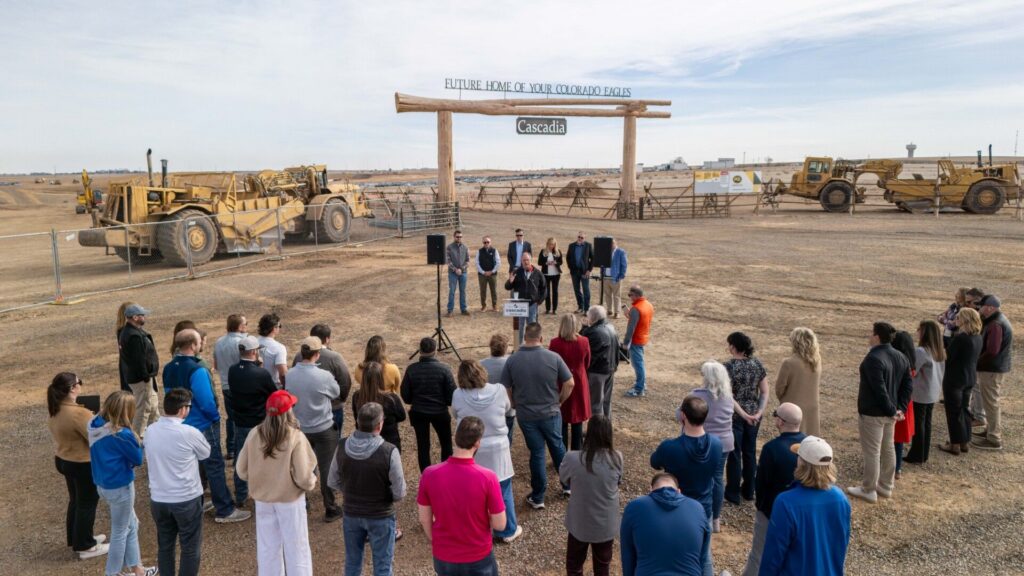
GREELEY • The fate of the Cascadia development — and quite possibly the future direction of the city — is in the hands of Greeley voters this Tuesday during a special city election on whether the landscape-altering project should be...

Colorado Politics Calendar Feb. 23-Mar. 1
Rachael Wright, Special to Colorado Politics
rachael.wright@coloradopolitics.com
Updated 4 days ago
CoPo’s weekly political calendar helps you find political and public policy events throughout Colorado. It includes candidate and issue campaign events, public policy meetings, court hearings, state and local party conventions, assemblies, debates, rallies, parades, speaking engagements, traveling dignitary appearances,...
Meeker rancher leads one of Colorado’s earliest attempts to transfer federal lands | A LOOK BACK
Rachael Wright, Special to Colorado Politics
rachael.wright@coloradopolitics.com
Updated 3 days ago
Forty-Five Years Ago This Week: Former state Rep. Nick Theos, R-Meeker, was one of several people testifying before the Senate Agriculture Committee on Senate Bill 81-170, which would transfer ownership of public lands from the federal government to state control....
Democrats Michael Bennet, Phil Weiser make their cases to be Colorado’s next governor ahead of primary
Ernest Luning
ernest.luning@coloradopolitics.com
Updated 3 days ago
Nearly eight months before ballots will be counted in Colorado’s race for the its open gubernatorial seat, voters are lining up behind two of the state’s leading Democrats, who are facing off in a primary that will likely determine which...
PREV
PREVIOUS

Teachers to protest Education Secretary DeVos' Colorado appearance
More than 100 educators from across the state are expected to protest Wednesday’s appearance by U.S. Education Secretary Betsy DeVos in Colorado Springs, particularly piqued by her support of voucher programs, charter schools and proposed cuts to federal education funding. DeVos is to attend the 20th anniversary celebration of Parents Challenge, a local nonprofit that provides […]

Gardner urges Congress to secure $900 million a year for conservation fund
WASHINGTON – Some U.S. Senate Republicans — including Colorado’s Cory Gardner — joined Democrats on Tuesday in criticizing the Trump administration for plans to cut back on funding for public lands in Colorado and nationwide. The senators described the fund that pays for maintenance, projects, and acquisition of new land for national parks, forests, and other […]