

Colorado schools to teach a far more inclusive version of history
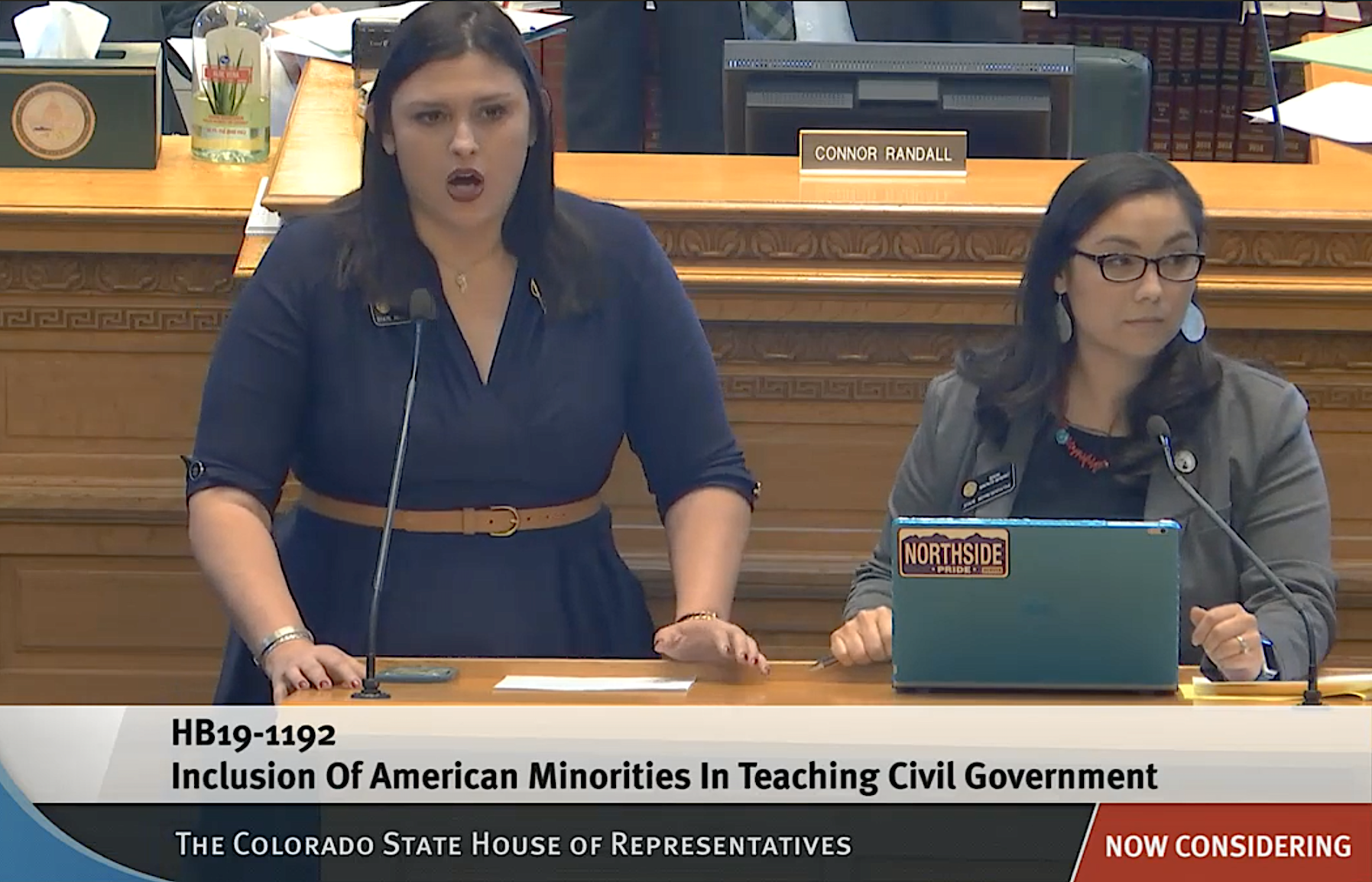
History is about to get a lot more complex in Colorado, after Gov. Jared Polis signed legislation Tuesday to make it more inclusive of minorities.
House Bill 1192 starts by creating a 16-member History, Culture, Social Contributions and Civil Government in Education Commission to advise state and local boards of education.
The commission will make sure what kids are taught in public schools includes “the history, culture and social contributions of American Indians, Latinos, African-Americans and Asian-Americans,” as well as lesbian, gay, bisexual and transgender members of those minority groups.
The new law says students also will be taught about “the contributions and persecution of religious minorities and the intersectionality of significant social and cultural features within these communities.”
The governor will appoint:
- Two members representing the American Indian community.
- Two members representing the Latino community.
- Two members representing the African-American community.
- Two members representing the Asian-American community.
- One member representing the LGBT community.
- One member who is a teacher or holds a teaching license.
- One member representing superintendents or local school boards.
- Two members representing higher education (one from a large school, one from a small school).
Two non-voting members will be appointed by the commissioner of education, and the president of the state historical society or a designee also serves on the board.
The commission is required to meet at least twice a year, beginning this September.
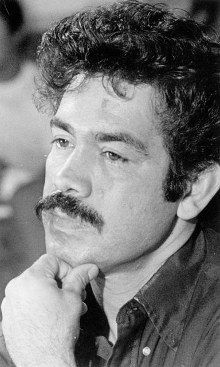
Polis signed the bill at Denver’s Rodolfo “Corky” Gonzales Branch Library, which is named for the late famous boxer and civil rights leader.
One of the legislation’s sponsors, Rep. Serena Gonzales-Gutierrez, D-Denver, is his granddaughter.
“Our diversity is what makes our country and our state strong, but for too long, individuals and communities that have moved or immigrated here and those that have been here for many centuries … have been excluded from our teaching of history,” the lawmaker said in a statement.
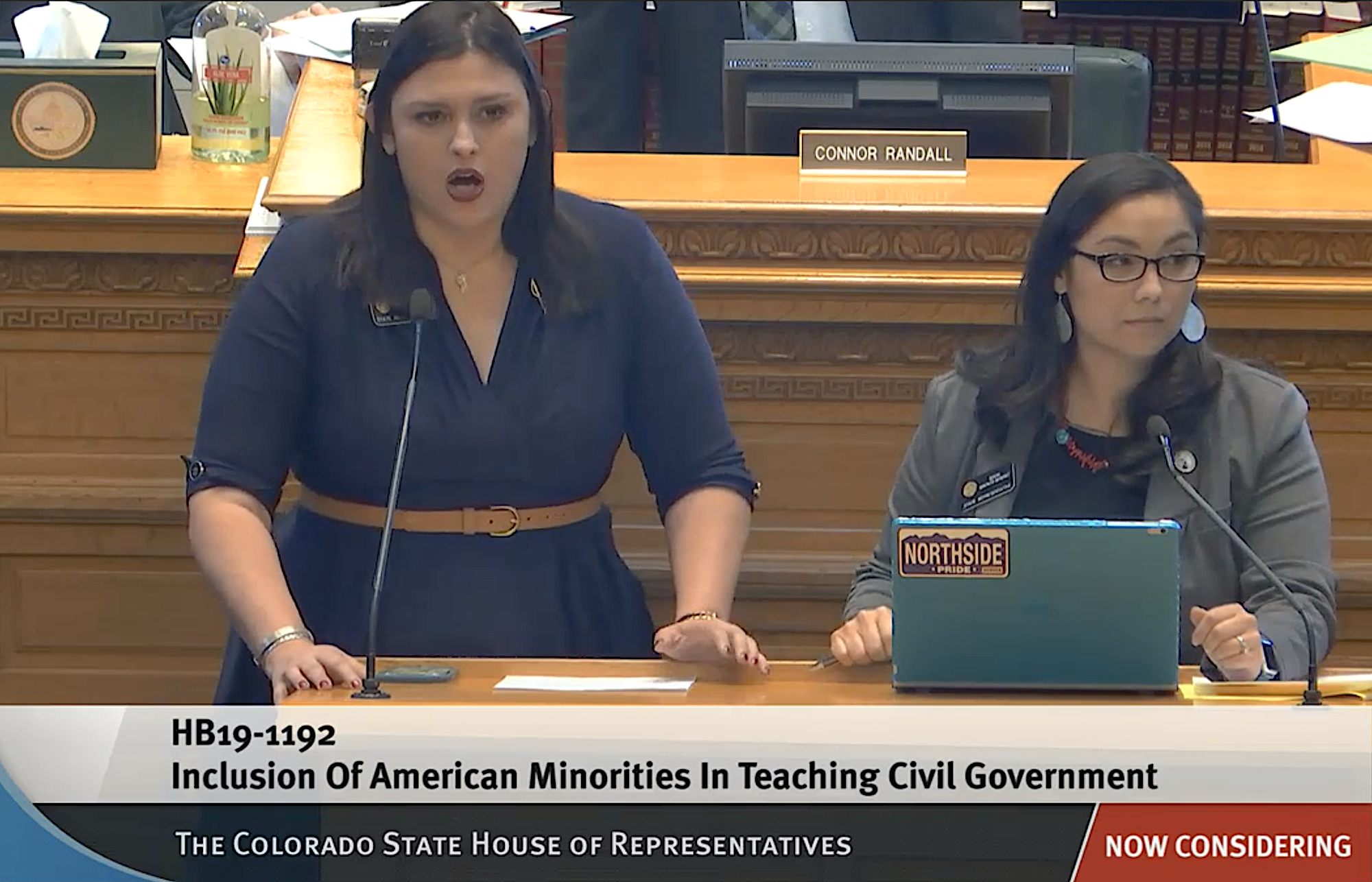
“With an increase in division among some of our communities, it will be beneficial for all children and youth to learn about each other’s background and to be able to see themselves in the history books.”
The bill was also sponsored by Rep. Bri Buentello, D-Pueblo.
“I think it’s about time … that the whole history is taught to our children,” Buentello said during the House floor debate in March. “I think when we teach history in Colorado, we should be talking about all the characters, all aspects and the whole story.”
The bill passed the state House on a party-line vote. But in the Senate five Republicans – Sens. Don Coram, Larry Crowder, Kevin Priola, Ray Scott and Jack Tate – crossed over to join Democrats in support of the legislation in the Senate during the last week of the session.
Some Republicans argued that the bill was unnecessary, that schools already have the latitude to teach history in the way they see fit without the interference of a special state committee.
Rep. Jim Wilson, R-Salida, is a retired teacher, principal and superintendent. He said on the House floor on March 15 that only 15.7% of the state’s eighth-graders exceeded expectations in civics in testing.
“Folks, we can add all the quantity we want, but if our students aren’t learning, quality is not being met,” Wilson said. “… You can’t dilute the curriculum and expect test scores to go up. I don’t see expanding what we’re already failing to teach.”


Committee approves reworked version of previously vetoed rideshare bill
Marissa Ventrelli
marissa.ventrelli@coloradopolitics.com
Updated 1 hour ago
Members of the Colorado House Business Affairs and Labor Committee voted across party lines to pass a modified version of a bill establishing regulations on rideshare companies. Last year, Reps. Jenny Willford, D-Northglenn, and Meg Froelich, D-Englewood, introduced House Bill...
Fight over credit card ‘swipe fees’ attracts nearly 200 lobbyists in Colorado
Marianne Goodland
marianne.goodland@coloradopolitics.com
Updated 1 hour ago
One of the most expensive fights of the 2026 session got a little closer to being over on Friday, when the Colorado Senate took a second final vote on the proposal to eliminate “swipe fees” on sales taxes. It’s not...

Veto likely as union-backed bill heads to Colorado governor’s desk — again
Marissa Ventrelli
marissa.ventrelli@coloradopolitics.com
Updated 2 hours ago
For the second year in a row, a bill that would make it easier for labor organizations to impose fees on all workers, regardless of union membership, is headed for Gov. Jared Polis’ desk. The governor, who vetoed the legislation...

Aurora mental health nonprofit cuts 100-plus jobs after Colorado agency reduces reimbursement rate
Marianne Goodland
marianne.goodland@coloradopolitics.com
Updated 5 hours ago
A nonprofit that provides services through 11 mental health centers in Aurora announced Thursday that it is eliminating 111 jobs effective June 30, the result of federal and state budget reductions. Aurora Mental Health & Recovery said the positions being...
Denver law students create AI-powered tools in federal judge’s ‘design sprint’
Michael Karlik
michael.karlik@coloradopolitics.com
Updated 8 hours ago
A tenant discovered a handwritten note on his door stating he had 48 hours to move out. The landlord changed the locks without notice or court proceedings. The tenant paid rent on time and had never received any complaints about...

Colorado space startup secures $650 million for expansion
alex-edwards
alex.edwards@gazette.com
Updated 1 day ago
The window to deliver space superiority for the U.S. is open but shrinking rapidly, according to defense startup True Anomaly. The Centennial-based company hit a milestone in its pursuit to help deliver that, announcing Tuesday that it raised $650 million...

Colorado bill prohibits credit card companies from charging ‘swipe fees’ on sales taxes
Marianne Goodland
marianne.goodland@coloradopolitics.com
Updated 23 hours ago
Colorado senators on Wednesday voted to advance a proposal to eliminate credit card “swipe fees” on sales taxes. Proponents say the move would save businesses tens of thousands of dollars annually, while critics have countered those fees are needed to...
First ever disciplinary trial of a Colorado judge scheduled under new system
Michael Karlik
michael.karlik@coloradopolitics.com
Updated 1 day ago
A disciplinary panel on Thursday scheduled a mid-August hearing to adjudicate the alleged misconduct of Montezuma County Court Judge Ian J. MacLaren. Following voters’ passage of constitutional Amendment H in November 2024, adjudication of serious judicial misconduct allegations is open to public...
Colorado eyes licensure, new oversight body for autism therapy providers
Marissa Ventrelli
marissa.ventrelli@coloradopolitics.com
Updated 21 hours ago
A panel of Colorado legislators on Wednesday approved a bill establishing a new regulatory body and licensure requirements for professionals who provide therapy for children on the autism spectrum, as well as for the facilities in which they work. House...
Appeals court recognizes weekend, holiday rule applies to judicial review deadline
Michael Karlik
michael.karlik@coloradopolitics.com
Updated 1 day ago
Colorado’s second-highest court clarified for the first time on Thursday that the rule extending deadlines in civil cases when the final day falls on a weekend or holiday also applies to litigants seeking review of governmental decisions. Nicholas A. Rigato...
PREV
PREVIOUS

Tri-State receives offer from Denver company to buy, shutter coal-fired power plants
Colorado’s push to fight carbon emissions and climate change could get a boost from the private sector, if a proposal from Guzman Energy becomes reality. The Denver-based energy wholesaler offered to buy and idle two energy coal plants in Colorado and one in New Mexico for the Tri-State Generation and Transmission Association, which supplies most of Colorado’s […]
DENVER RUNOFF 2019: Perl, Lopez compete for clerk and recorder
Denver’s runoff race for the Clerk and Recorder’s Office pits longtime city official and community organizer Paul Lopez against prominent Colorado lawyer and government ethics watchdog Peg Perl. Lopez and Perl emerged out of the first round of spring Denver municipal elections held on May 7 as the top two vote-getters for the office, with […]