

Scaled-back sex-education bill gets early Senate OK without a fight

A bill on comprehensive sex-education curriculum in Colorado schools won preliminary approval from the state Senate Thursday — and without the anticipated fight from Senate Republicans.
That’s because House Bill 1032 was scaled back through a “strike-below” — an amendment that eliminates the original legislation and replaces it with a new one — and the bill went from 27 pages as introduced to 12.
HB 1032 will be up for a final vote on Friday and then goes back to the House for agreement on the amendments.
Sen. Nancy Todd, D-Aurora, a sponsor of the measure, told the Senate that what was taken out were “areas of grave concern” to its opponents. That includes Colorado Christian University, according to Senate Minority Leader Chris Holbert of Parker.
The bill now focuses primarily on teaching about consent and healthy relationships, Todd said.
Under a 2013 sex-education law, public schools are not required to teach sex ed at all, but if they do, it must be comprehensive. Also, parents can also opt to keep their children out of sex-ed classes. The new bill leaves those provisions in effect.
One area of concern to opponents of the bill that was cut was a provision calling for teaching sex-ed students about “different relationship models … including lesbian, gay, bisexual and transgender peers.”
However, the 2013 law already required sex ed curriculum to be culturally sensitive and to include information that is “meaningful to the experiences and needs of communities of color; immigrant communities; lesbian, gay, bisexual, and transgender communities; people with physical or intellectual disabilities; people who have experienced sexual victimization; and others whose experiences have traditionally been left out of sexual health education, programs, and policies.” The new bill was amended Thursday to include those who are intersex to that list.
The Senate also added back in information on the state’s “safe haven” law, which allows a parent to relinquish custody of a newborn of less than 72 hours old to a firefighter or hospital personnel without criminal consequences.
The bill as amended also retains one of its most important provisions, closing the loophole on abstinence-only sex ed, which has been banned in state law since 2013. However, some school districts have found ways around that prohibition, including offering abstinence-only classes on nights or weekend by third parties and paid for with federal Title V grants.
The amended bill includes the bill’s original language, which says that school districts and charter schools, including institute charter schools, “shall not” hire organizations or individuals that teach abstinence-only education using those Title V funds.
Democratic Rep. Susan Lontine of Denver, the bill’s House sponsor, said she worked on the amendments with the Senate sponsor and agrees with them.
Many of the objectionable elements of the bill have been removed, said Republican Sen. Paul Lundeen of Monument. He’s still uncomfortable about schools teaching sex ed rather than parents, he indicated, but his biggest concern — that the bill was a one-size-fits-all approach — has been addressed. That includes a requirement that charter schools can seek a waiver from teaching the curriculum. A similar waiver, available from the State Board of Education, already exists.
Holbert told Colorado Politics that state Sen. Don Coram, R-Montrose, another sponsor of the bill, negotiated the strike-below amendment with input from Sen. Jim Smallwood of Parker, who advocated for the safe-haven amendment.
“A lot of the folks outside the Capitol were very pleased with that strike-below,” Holbert said. “House Bill 1032 has passed in a significantly different form.”
But Holbert said that despite the changes, most of his caucus is likely to vote against it anyway in its final vote Friday.
He also noted that Senate Democrats agreed to drop a bill on exempting children from immunization, given the short amount of time left in the 2019 session. Both the sex ed bill and the immunization bill, House Bill 1312, were up for debate on Thursday, and the amount of time it would have required to debate them could have meant other priority bills would die on the calendar.
“That was an easy decision and I’m grateful. I don’t want to represent that those two are tied together but they happened at the same time,” Holbert “We appreciate the majority working with us.”
The immunization bill was killed immediately after the passage of House Bill 1032.
Any bill that doesn’t win preliminary approval Thursday in the House or Senate is dead at midnight.

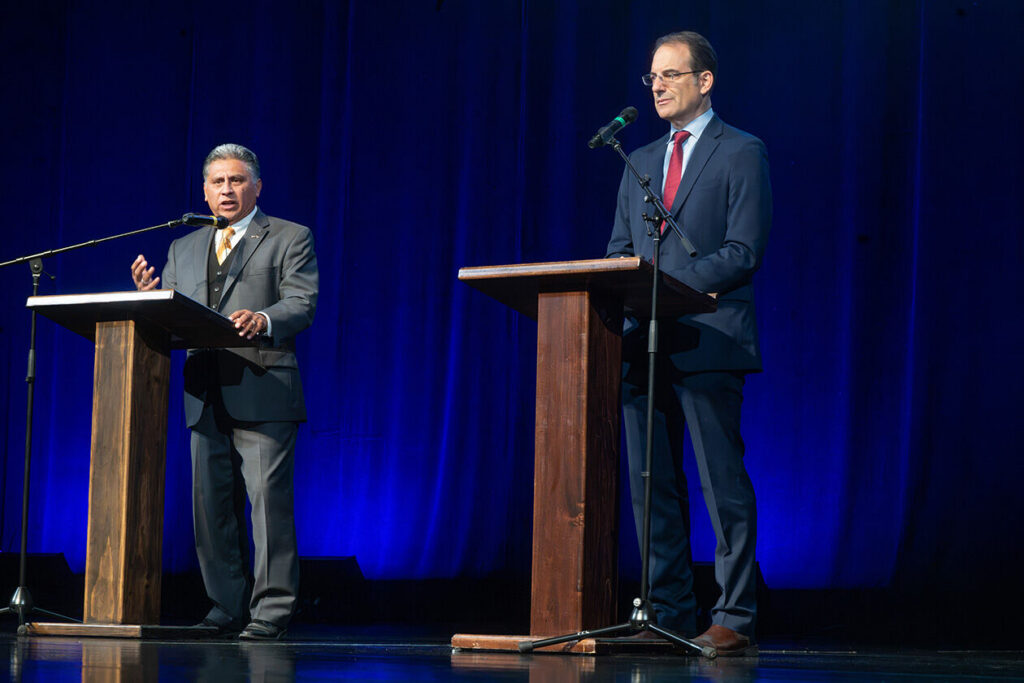
Gubernatorial candidates Phil Weiser, Greg Lopez spar, as Marx skips debate
Deborah Grigsby
deborah.smith@denvergazette.com
Updated 5 hours ago
Two of the candidates for Colorado governor squared off in a televised debate on Thursday night, when Attorney General Phil Weiser, the Democratic nominee, and former U.S. Rep. Greg Lopez, an unaffiliated candidate, delved into issues of affordability, data center...
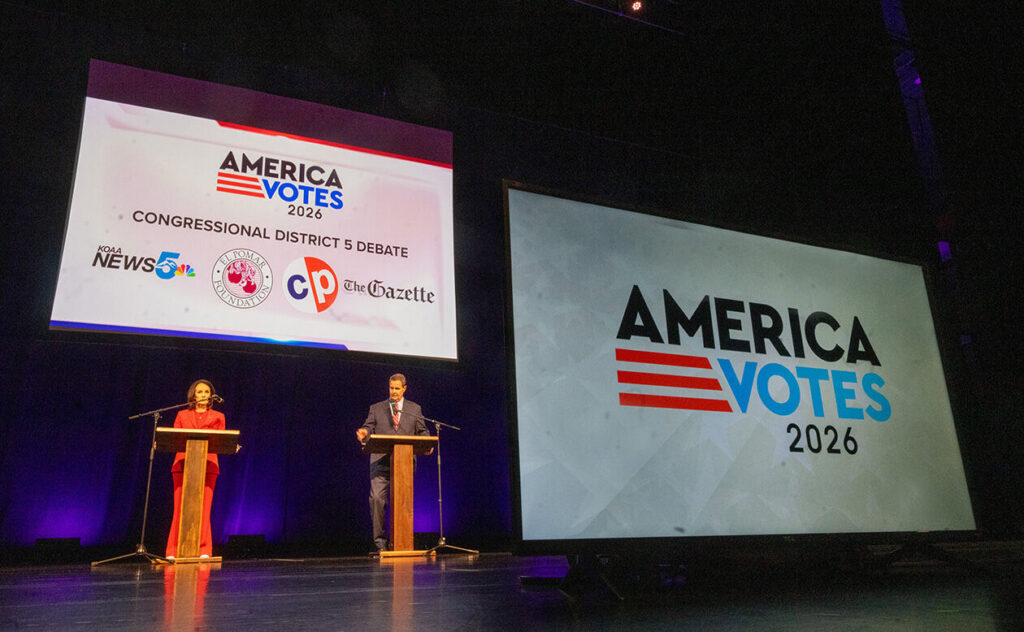
Troops, taxes, war dominate Colorado’s 5th CD debate between Jeff Crank, Jessica Killin
Deborah Grigsby
deborah.smith@denvergazette.com
Updated 6 hours ago
Republican U.S. Rep. Jeff Crank and Democratic challenger Jessica Killin on Thursday night clashed over the war in Iran, the federal budget and healthcare when they took the stage in Colorado Springs for a sold-out debate in the race to...

WATCH: Colorado gubernatorial candidates Phil Weiser, Greg Lopez face off Thursday in televised debate
Ernest Luning
ernest.luning@coloradopolitics.com
Updated 7 hours ago
Two of the candidates for governor of Colorado are set to square off in a televised debate for the first time Thursday night, when Attorney General Phil Weiser, the Democratic nominee, and former U.S. Rep. Greg Lopez, an unaffiliated candidate,...

WATCH: Republican US Rep. Jeff Crank, Democratic challenger Jessica Killin debate in Colorado’s 5th CD
Ernest Luning
ernest.luning@coloradopolitics.com
Updated 9 hours ago
Republican U.S. Rep. Jeff Crank and Jessica Killin, his Democratic challenger, are scheduled to meet for a televised debate in the race to represent Colorado’s 5th Congressional District on Thursday night. The candidates are set to take the stage at...

Colorado officials warn of e-bike safety amid increase in serious youth injuries
Matt Kyle
matt.kyle@denvergazette.com
Updated 5 hours ago
Serious injuries involving e-bikes, e-scooters and children have risen significantly in Colorado over the past year and a half. Traumatic injuries involving e-bikes have risen 184%, according to Alicia Melven, Colorado injury prevention and outreach specialist for Children’s Hospital Colorado’s...

Colorado State Fair youth golf tournament celebrates 11 years
Marianne Goodland
marianne.goodland@coloradopolitics.com
Updated 11 hours ago
Twenty-eight teams tee off Friday at Walking Stick Golf Course in Pueblo for a tournament supporting 4-H, Future Farmers of America and capital improvements at the Colorado State Fair. Now in its 11th year, the Partners of Youth in Ag...

Controversial two-bag furbearer limit heads to CPW meeting under legal threat
Marianne Goodland
marianne.goodland@coloradopolitics.com
Updated 11 hours ago
Next week’s Colorado Parks and Wildlife Commission meeting in La Junta is likely to open under the cloud of threatened legal action. Safari Club International and the Sportsmen’s Alliance Foundation warned the commission this month that its July vote imposing...
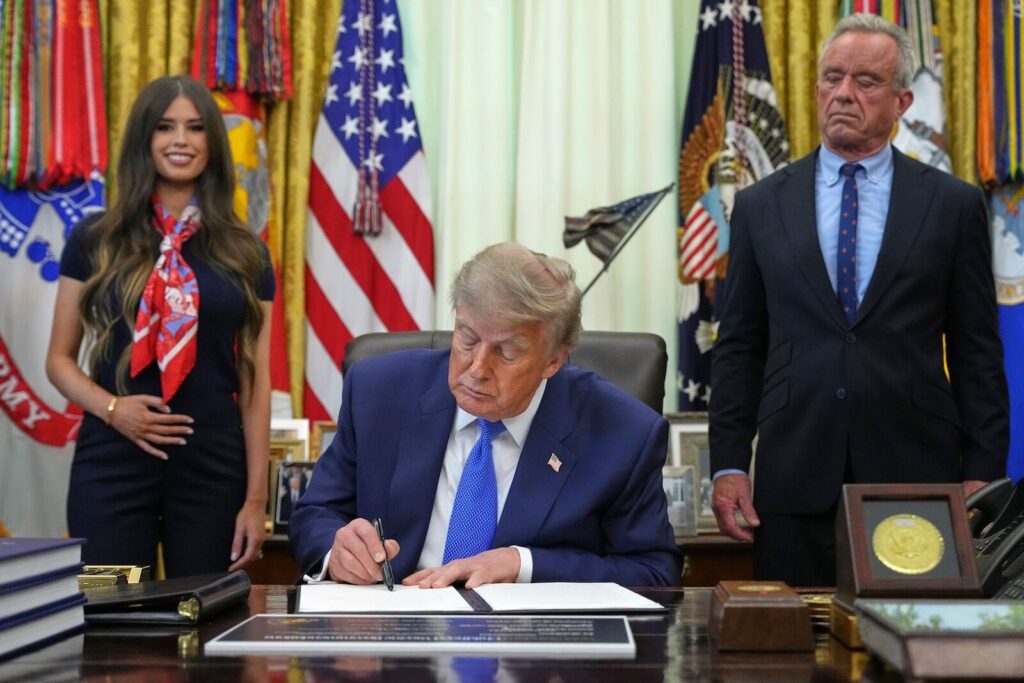
Democratic-aligned poll shows big majority of swing-seat voters support routine childhood vaccines
Ernest Luning
ernest.luning@coloradopolitics.com
Updated 14 hours ago
A new poll conducted by Democratic-aligned groups found that voters in competitive U.S. House districts — including a battleground seat in Colorado — support routine childhood vaccinations by a wide margin and oppose a recent order by President Donald Trump...
Some Colorado hunters oppose measure establishing constitutional right to hunt, fish proposal, group says
Marissa Ventrelli
marissa.ventrelli@coloradopolitics.com
Updated 8 hours ago
A group that says it represents hunters and anglers from across Colorado announced its opposition to a ballot measure that would establish the right to hunt and fish in Colorado’s constitution, saying it could result in the overturning of bans...

Coalition drops Colorado transportation ballot measure after securing deal
Marissa Ventrelli
marissa.ventrelli@coloradopolitics.com
Updated 9 hours ago
The proposed constitutional amendment seeking to dedicate all transportation-related revenue to Colorado’s roads and bridges will no longer appear in this November’s ballot after its proponents reached an agreement with lawmakers following months of negotiations. Initiative No. 175, backed by...
PREV
PREVIOUS

Controversial vaccination bill stalls in Colorado state legislature
After hours and hours of debate and sessions that went to the early morning hours, the Colorado Senate effectively canned a bill to beef up the state’s vaccination reporting requirements. Senate Majority Leader Steve Fenberg of Boulder announced on the Senate floor Thursday afternoon that the bill would be postponed until Friday, effectively killing it. […]

House OKs Denver Clerk Johnson for state ethics panel
The Colorado House has unanimously approved the appointment of outgoing Denver County Clerk and Recorder Debra Johnson to the Colorado Independent Ethics Commission. The 63-0 vote Wednesday night means Johnson will replace Commissioner April Jones, a partner in a law firm who said she would not seek reappointment when her term ends on June 30. […]