

Colorado’s urban and rural divide highlighted in another oil and gas hearing
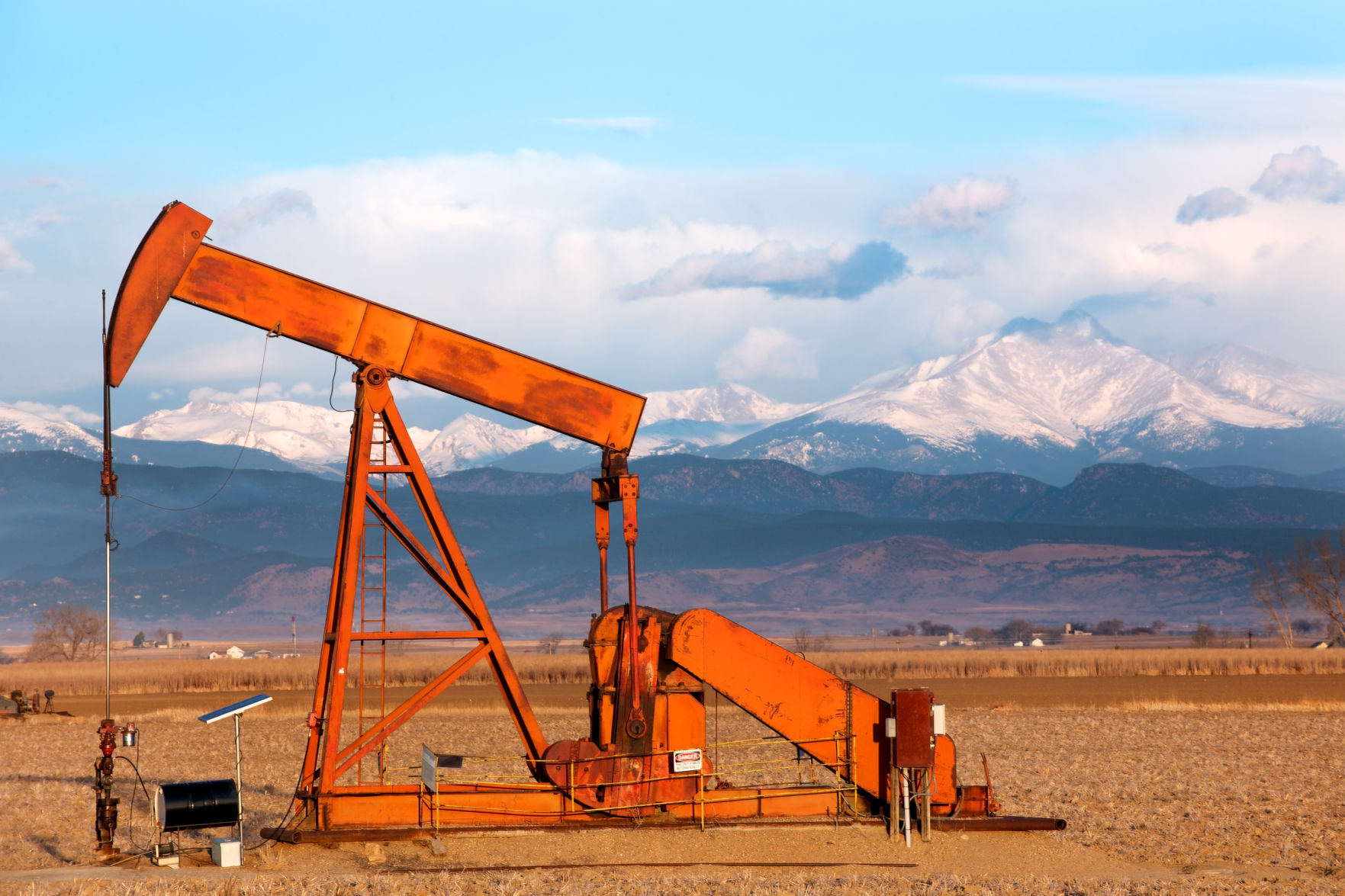
The story of a proposal to overhaul Colorado’s oil and gas industry is one of a rift between the state’s urban and rural communities, if opponents of Senate Bill 181 are to be believed.
Conversely, proponents say it’s an attempt to value health, safety and the environment over cash and corporate development.
Both stories were told again and again during more than 12 hours of testimony Monday before the Colorado House Committee on Energy and Environment, which approved the sweeping and controversial bill along party lines, sending the measure to the House Finance Committee.
The measure, proposed by Sen. Steve Fenberg, D-Boulder, was approved along party lines in a Senate committee earlier this month and again on the chamber’s floor last week. That most recent vote came during the frigid “bomb cyclone” which devastated much of the state, Republicans complained.
In short, the proposed legislation does five things, said Rep. KC Becker, D-Boulder, who is co-sponsoring the measure in the House alongside Rep. Yadira Caraveo, D-Thornton:
- It hands local governments control over incoming industry developments and operations;
- ensures that those holding more than half of mineral rights interests in a common area consent to drilling;
- requires industry companies to restore land containing abandoned wells;
- directs the Colorado Oil and Gas Conservation Commission to prioritize public health and safety and the environment over fostering the industry;
- and requires increased emission monitoring for the industry.
The bill “is not Proposition 112,” Becker said. “It doesn’t even mention setbacks. … It is not a de facto ban at the state level or the local level.”
“This bill is not a moratorium,” she said, later adding, “This bill is not a job killer.”
Several local government representatives backed Becker, saying they support the measure and that city and counties across the state are well equipped to handle land use issues surrounding the industry.
Colorado, Coloradans and the fossil fuel industry can peacefully coexist, even with the proposed legislation, said John Messner, a Gunnison County commissioner.
“Our current regulations are more stringent,” Messner said. “And we have not denied any permits. We have a thriving oil and gas industry within Gunnison County and are able to balance that with health, safety, welfare and the environment.”
Others, however, begged to differ and cited fears that increasing the regulatory burden on the industry could send companies out of the state, leaving blue-collar families out in the cold.
For Trevor Smith, a self-proclaimed “frackhound,” the industry has been a blessing.
“I can afford to take my kids to the doctor when they are sick or to the dentist to keep their teeth clean,” Smith said. The work ensures he can provide his “kids a happy and healthy future.”
Smith’s story is one repeated throughout the state, he said.
“Think about my family and the thousands of others who are just like me,” Smith said.
The economic damage might not stop at families however, others said. Any damage to the oil and gas industry could curb property and other taxes collected by local governments, limiting the services they could provide.
Luis Lopez, a Las Animas County commissioner, expressed fears that such a downturn could force his government to close two days a week, which had been done in recent years due to a lack of revenue.
Rep. Larry Liston, R-Colorado Springs, apparently felt many of those statements fell on deaf ears.
“Your voice is trying to be heard, but most of the people here do not represent rural Colorado,” Liston told one witness.
After he repeated the complaint a second time, Becker reminded him that her district does include a rural portion of the state.
Concerns like Smith’s were often repeated throughout hours of testimony, though others, perhaps in equal numbers, refuted claims that increased regulation would cost the state and tax revenue. Some speculated that the changes could actually create jobs, while others noted that even if the measure is enacted, Colorado would still be an economically viable state in which industry leaders could invest.
After witness testimony concluded, Becker chided fellow lawmakers and other bill opponents, noting that while many took issue with the speed of the measure’s passing, she heard few substantial arguments against the proposal.
Because dissenters can not attack the bill’s contents, they attack its process, Becker said.

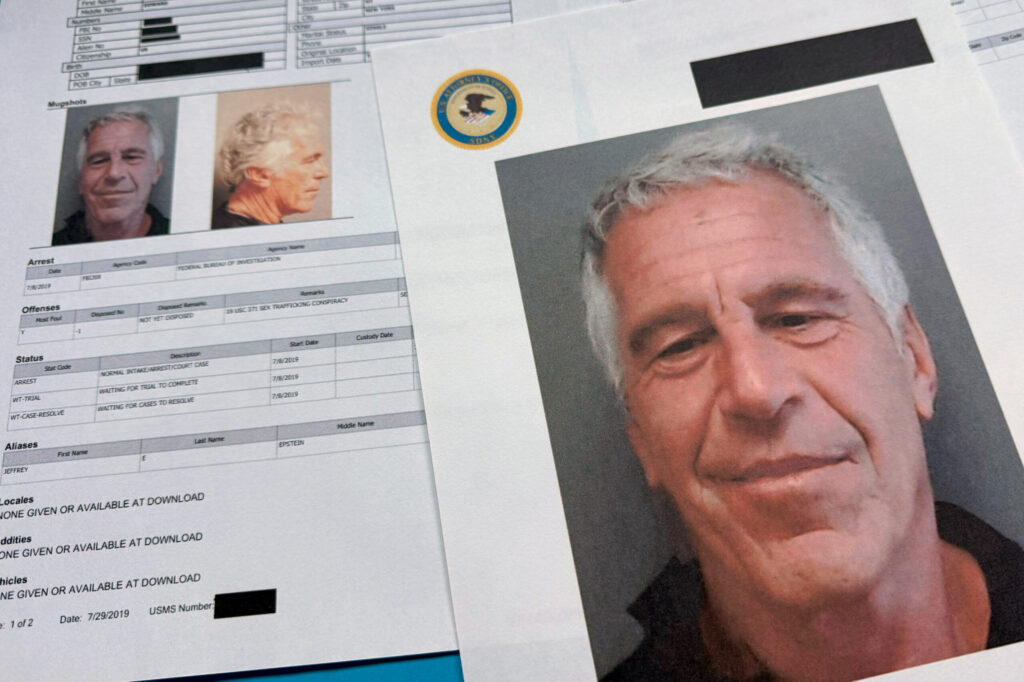
Colorado, some Coloradans make appearances in the Epstein Files
RACHAEL WRIGHT Special to The Gazette
rachael-wright-special-to-the-gazette@coloradopolitics.com
Updated 13 hours ago
With the U.S. Department of Justice’s release of 3 million more files pertaining to convicted sex felon Jeffrey Epstein, multiple written mentions of alleged connections to Colorado towns and business owners have come to light. A word search of the documents for “Colorado” generates 1,485 hits, with inquiries for cities including Denver and Aspen generating several thousands more. Chad...
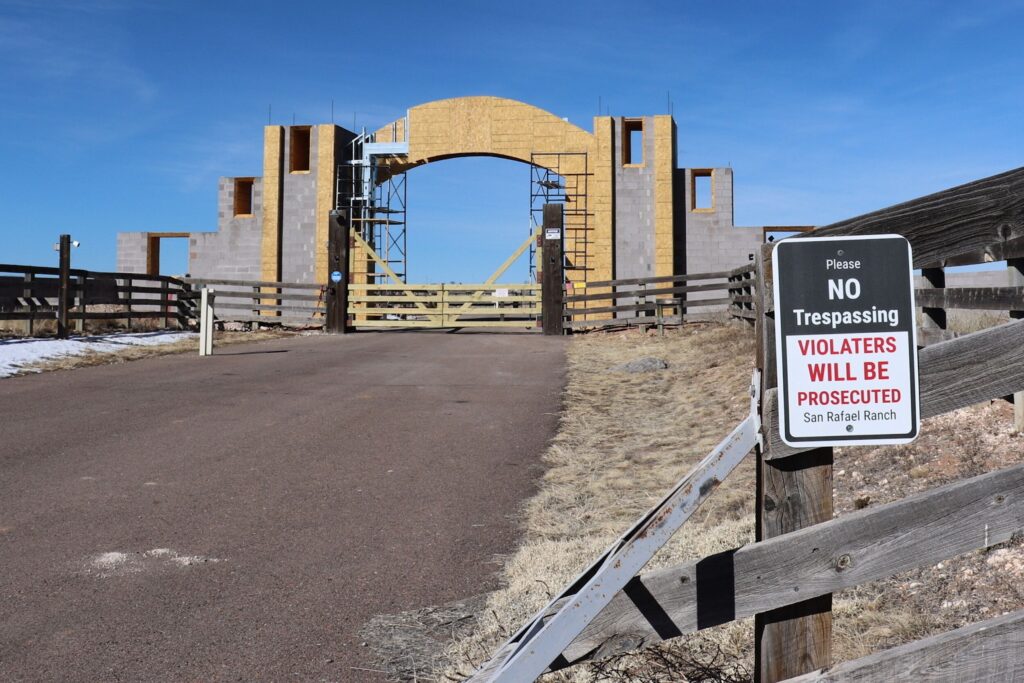
New Mexico launches ‘truth commission’ investigation into Jeffrey Epstein’s ranch | OUT WEST ROUNDUP
The Associated Press
the-associated-press@coloradopolitics.com
Updated 4 days ago
NEW MEXICO State investigates Epstein’s ranch SANTA FE — State legislators in New Mexico launched an investigation on Feb. 17 into past activity at a secluded desert ranch where financier and sex offender Jeffrey Epstein once entertained guests and whether...
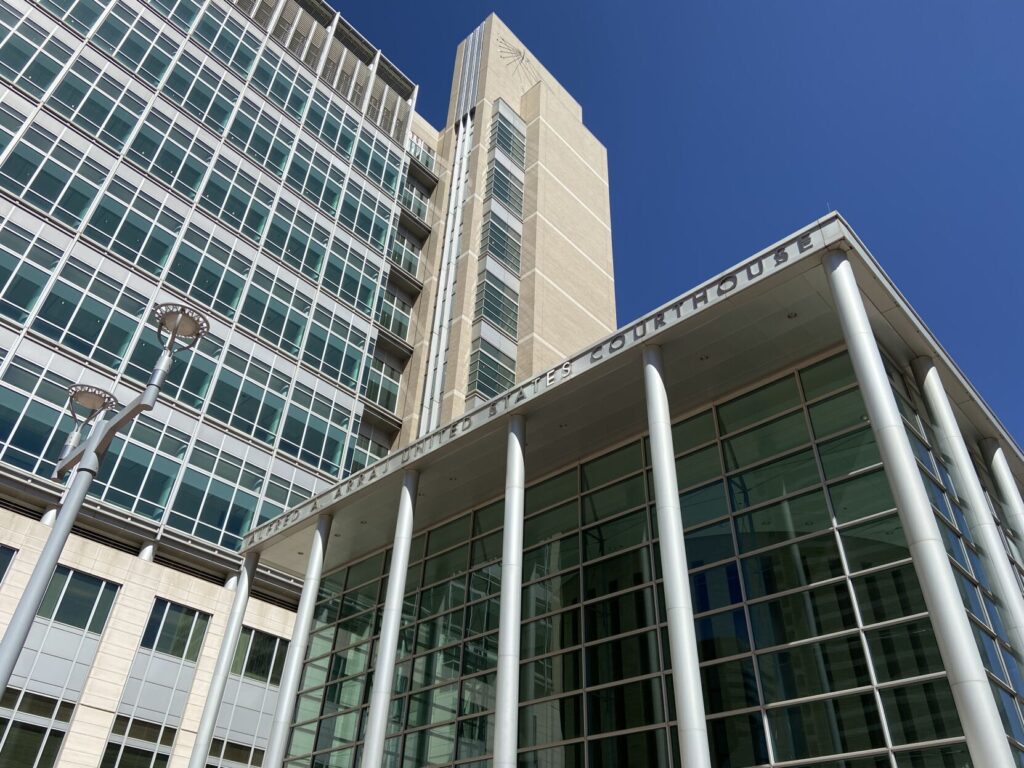
Colorado’s federal judges maintain approach to immigration detentions while escalating warnings
Michael Karlik
michael.karlik@coloradopolitics.com
Updated 1 day ago
Colorado’s federal judges are maintaining their view that the government’s assertion of broad immigration detention authority is unlawful, casting aside a recent appellate decision to the contrary as “unpersuasive” and out of step with the predominant interpretation by the judiciary....
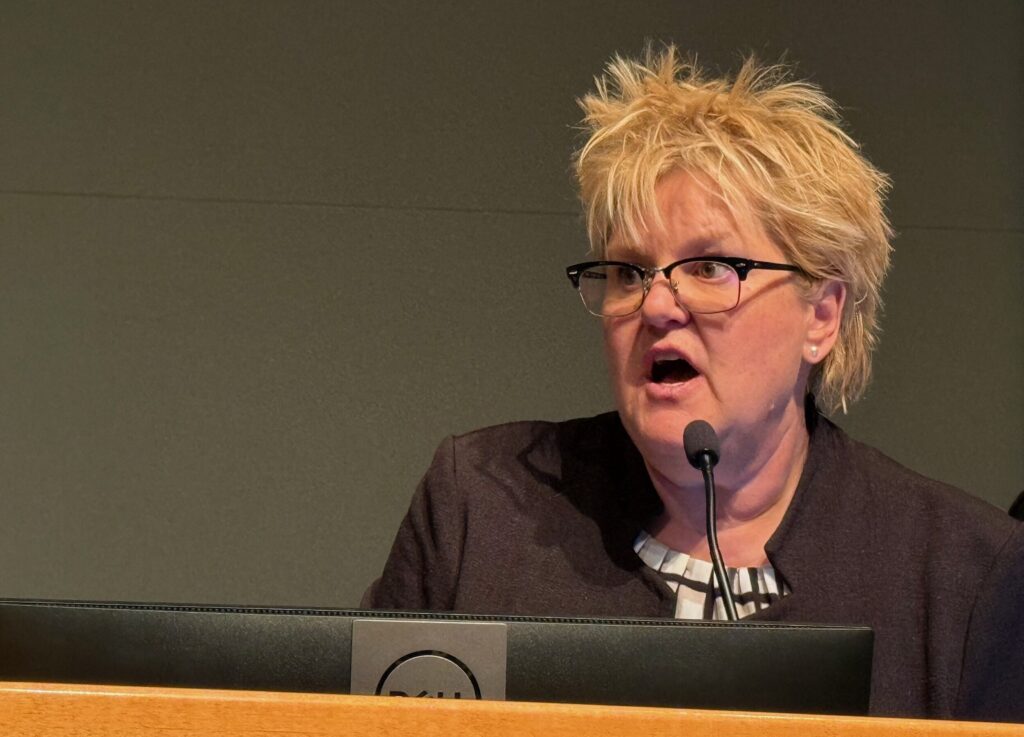
In a meeting Colorado GOP chair Brita Horn calls ‘illegal,’ Republicans vote to demand her resignation
Ernest Luning
ernest.luning@coloradopolitics.com
Updated 1 day ago
Roughly half the membership of the Colorado Republican Party’s state central committee on Saturday voted overwhelmingly to approve a resolution expressing “no confidence” in state GOP Chairman Brita Horn’s leadership and calling for her immediate resignation in an online meeting...

Colorado Medicaid probe uncovers millions of dollars in alleged transport fraud ring
Nico Brambila
nico.brambila@denvergazette.com
Updated 1 day ago
Colorado Medicaid officials detected $25 million in abnormal billing over just four months two years ago — a surge that prompted a new state law and the suspension of dozens of providers in what authorities now describe as an organized...
One small step for dialing back the partisanship | SONDERMANN
Eric Sondermann
eric-sondermann@coloradopolitics.com
Updated 4 days ago
Much ink, including a good deal of my own, has been spilled on the excesses of super-charged, toxic partisanship in this current era. Except for true believers along with those who profit from this all-consuming poison, there is broad agreement...
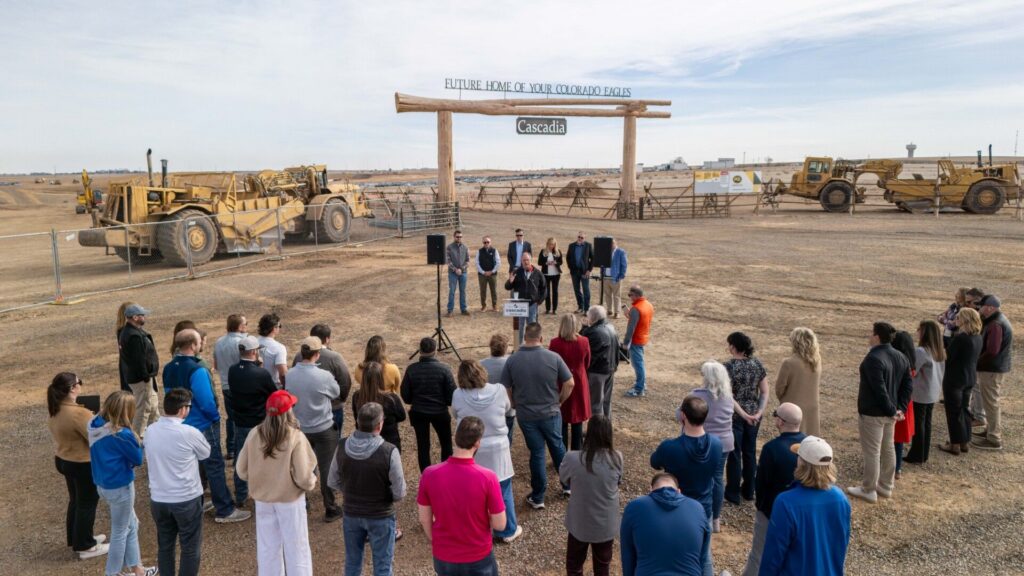
Greeley voters to decide fate of project that includes minor league hockey arena
Hap Fry, Special to The Gazette
hap-fry@gazette.com
Updated 7 hours ago
GREELEY • The fate of the Cascadia development — and quite possibly the future direction of the city — is in the hands of Greeley voters this Tuesday during a special city election on whether the landscape-altering project should be...

Colorado Politics Calendar Feb. 23-Mar. 1
Rachael Wright, Special to Colorado Politics
rachael.wright@coloradopolitics.com
Updated 5 days ago
CoPo’s weekly political calendar helps you find political and public policy events throughout Colorado. It includes candidate and issue campaign events, public policy meetings, court hearings, state and local party conventions, assemblies, debates, rallies, parades, speaking engagements, traveling dignitary appearances,...
Meeker rancher leads one of Colorado’s earliest attempts to transfer federal lands | A LOOK BACK
Rachael Wright, Special to Colorado Politics
rachael.wright@coloradopolitics.com
Updated 4 days ago
Forty-Five Years Ago This Week: Former state Rep. Nick Theos, R-Meeker, was one of several people testifying before the Senate Agriculture Committee on Senate Bill 81-170, which would transfer ownership of public lands from the federal government to state control....
Democrats Michael Bennet, Phil Weiser make their cases to be Colorado’s next governor ahead of primary
Ernest Luning
ernest.luning@coloradopolitics.com
Updated 3 days ago
Nearly eight months before ballots will be counted in Colorado’s race for the its open gubernatorial seat, voters are lining up behind two of the state’s leading Democrats, who are facing off in a primary that will likely determine which...
PREV
PREVIOUS

Seeking better results, Colorado lawmakers want to tell schools how to teach reading
Concerned about the high number of Colorado students who don’t read at grade level, some lawmakers want to dictate how schools teach reading. A bipartisan bill introduced Monday in the Colorado Senate would also require that teachers gets new certifications in reading instruction and move state dollars earmarked for struggling readers to programs that help […]

Colorado House debates bill to require jails to provide free tampons
The Colorado House on Tuesday gave preliminary approval to a bill that would require local jails to provide free feminine hygiene products to women in their custody. House Bill 1224 extends a courtesy legislators built into the state budget for women in state custody two years ago. Rep. Leslie Herod, D-Denver, said dignity and security […]