

CAMPAIGN FINANCE REFORM | Mike Weissman: Disclosure, disclaimer, scrutiny and enforcement


Editor’s note: Now through Wednesday, Colorado Politics presents eight perspectives on campaign finance reform.
The fundamental premise of representative government is that, through their elected officials, people have the right for their concerns to be heard and considered in the crafting of laws that impact their lives.
Thus, to hold elected office and with it the ability to influence public policy directly is to be a beneficiary of a public trust. And when one is a beneficiary of a public trust, one must also be a guardian of that public trust.
But in recent years public trust in the ability of representative government to respond to needs like affordable housing, the cost of higher education, and lack of access to healthcare has been at low ebb.
As more money is spent to influence elections with every passing campaign cycle – much of it hard or impossible-to-trace “mystery” money – people begin to wonder whether their concerns are truly being heard.
At the bare minimum, Coloradans have the right to be able to follow the dollars in our elections and to do so without training in forensic accounting.
There are several key, related elements to increasing transparency in our elections and restoring public confidence in policy decisions that flow from those elections: disclosure, disclaimer, scrutiny of independent expenditures, and enforcement.
“Disclosure” means the reporting of money raised and spent to influence an election. A lot of dollars in Colorado are disclosed, but a lot aren’t. Every election, news organizations attempt to report on campaign spending and eventually hit a brick wall.
“Disclaimer” means the identification in or on a campaign communication about who is sending that communication. Disclaimers give voters the ability to do their research to assess the veracity of campaign assertions. Some campaign materials are appropriately disclaimed in Colorado, but many aren’t, especially online political communications.
Independent expenditures, which have risen sharply in the last decade since the Citizens United decision, absolutely must be just that – independent. Only when these unlimited expenditures are truly separated from candidates themselves do they have legal legitimacy. When bricks are missing from the firewall, the specter of corruption is raised.
All three of these elements have strong support in U.S. Supreme Court case law, including Citizens United itself as well as other cases going back decades. The court has said plainly that disclosures and disclaimers allow informed decision-making and do not curtail First Amendment expression. And the court’s decision to allow unlimited independent expenditures to influence candidate elections in Citizens United was premised on those expenditures being truly independent of candidates.
Finally, all of these transparency measures are only effective when coupled with robust enforcement. That is, Coloradans need and deserve an effective system by which substantiated complaints can be brought forward and investigated, and appropriate penalties levied where our campaign laws are violated. Laws intended to support public trust in our elections cannot be broken with just a slap on the wrist.
The first of what I hope will be several bills considered in the 2019 legislative session is already well on its way to becoming law. Senate Bill 68, to increase electioneering communications disclosures, has bipartisan sponsorship (Sens. Rachel Zenzinger and Jack Tate) and passed the Senate on a bipartisan vote. I am sponsoring SB 68 with state Rep. Lisa Cutter.
Voters of all persuasions – Democratic, Republican, unaffiliated and none of the above – are rightly bothered by the state of our campaign finance system and the volume of mystery money in our elections. Thus improving our laws to increase transparency, guard against improper expenditures that aren’t truly “independent,” and provide for robust enforcement, ought to be a broadly bipartisan concern.
I hope that come the end of the 2019 legislative session, the votes on whatever campaign finance transparency bills have been considered reflect that.
Mike Weissman represents Aurora in the Colorado House. He chairs the Judiciary Committee and serves on the Energy & Environment Committee.

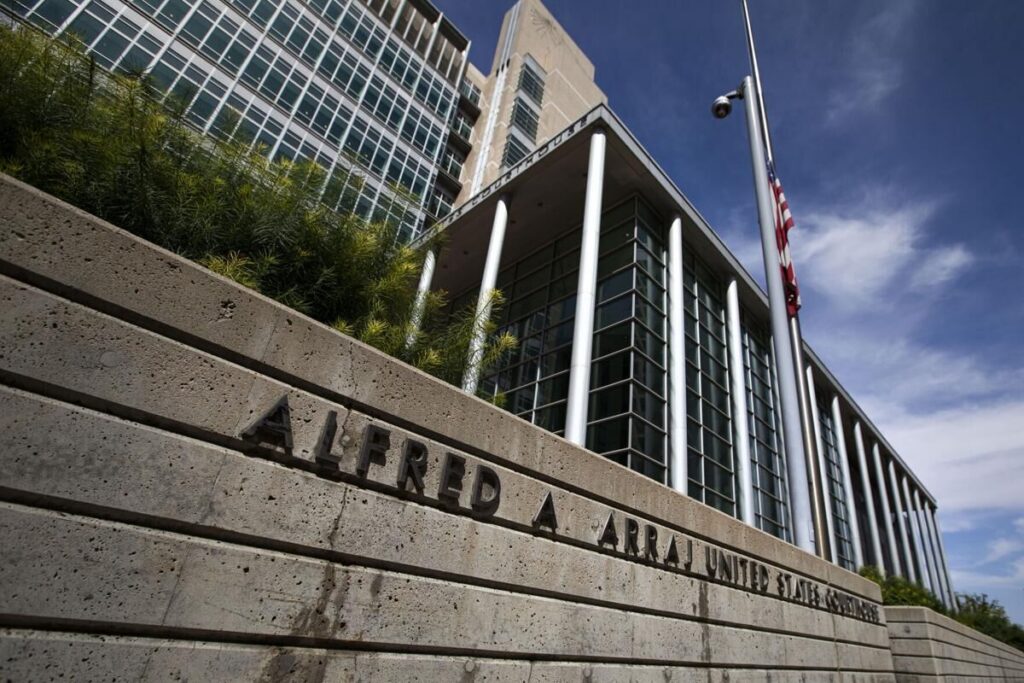
Federal judge green-lights excessive force, retaliation claims for trial against Fort Collins officers
Michael Karlik
michael.karlik@coloradopolitics.com
Updated 1 hour ago
A federal judge green-lit a jury trial last week against multiple Fort Collins police officers on claims that they used excessive force on one man who was standing unarmed in his underwear, and retaliated against another man for exercising his...
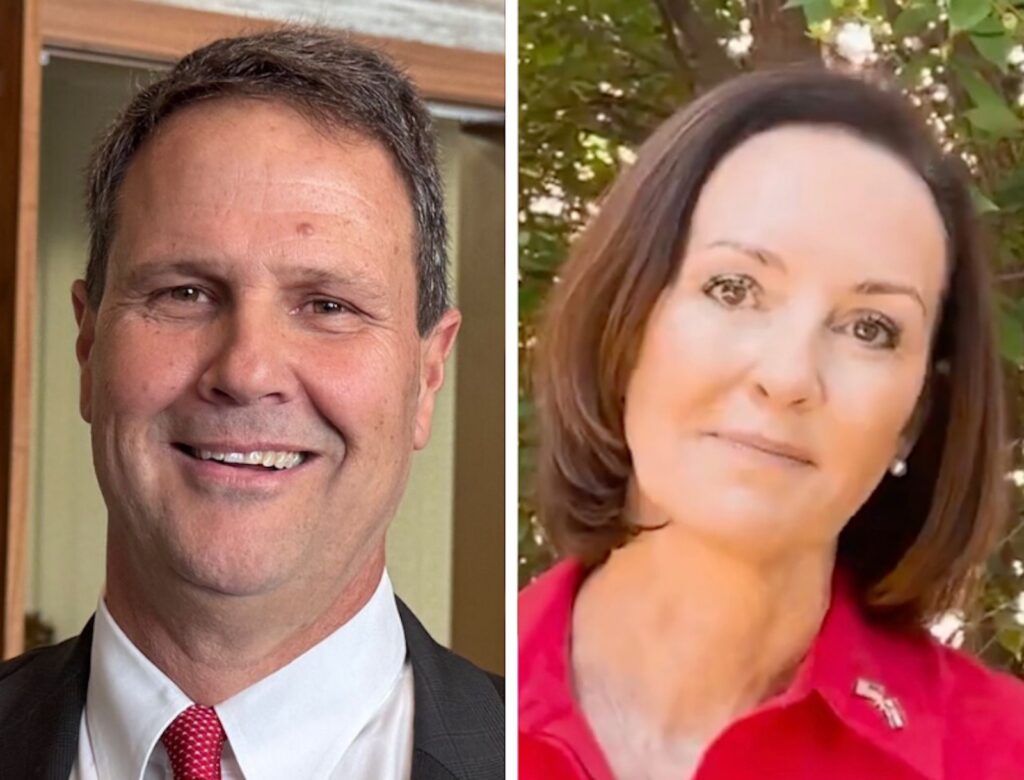
Jeff Crank, Jessica Killin set to face off in 2 debates in Colorado’s 5th Congressional District
Ernest Luning
ernest.luning@coloradopolitics.com
Updated 5 minutes ago
Republican U.S. Rep. Jeff Crank and Jessica Killin, his Democratic challenger, have agreed to debate twice in the weeks leading up to the general election in Colorado’s 5th Congressional District, their campaigns have said. Crank is seeking a second term...
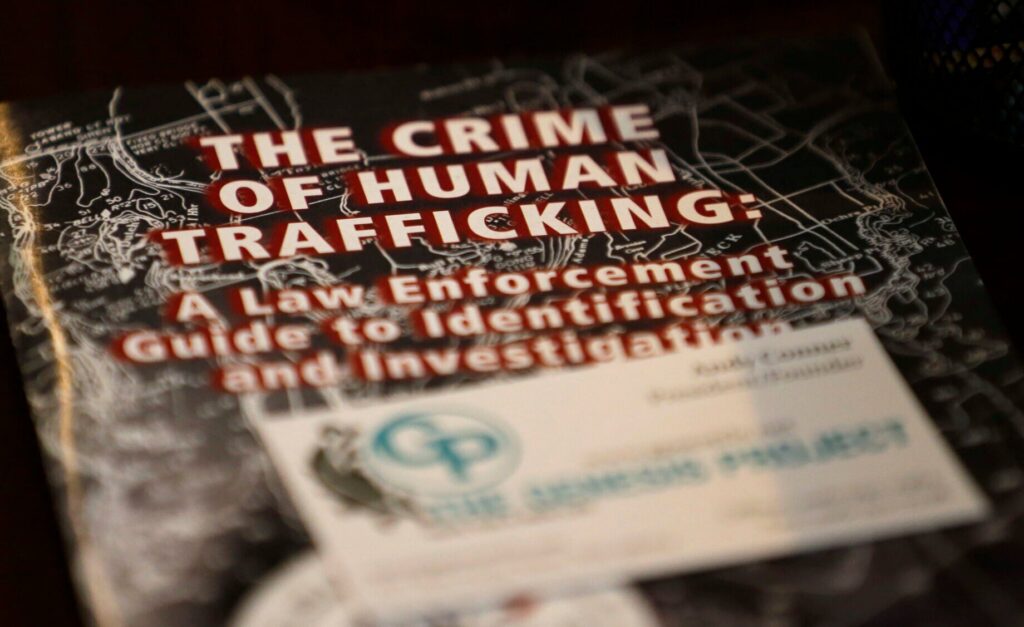
CSI study reviews impacts of Colorado’s mandatory sex‑trafficking sentencing measure
Marissa Ventrelli
marissa.ventrelli@coloradopolitics.com
Updated 1 hour ago
A new report by the think-tank Common Sense Institute examines what could happen if Colorado voters approve Initiative 108, which establishes mandatory life sentences for offenders convicted of sexual trafficking of a minor. The measure is backed by Protect Kids...

Luigi Mangione pleads guilty in UnitedHealthcare CEO Brian Thompson murder case
Kaelan Deese
kaelan-deese@coloradopolitics.com
Updated 4 hours ago
Luigi Mangione pleaded guilty Friday to two federal stalking charges connected to the 2024 killing of UnitedHealthcare CEO Brian Thompson, a major development that could complicate New York prosecutors’ separate murder case against him. Mangione, 28, not only pleaded guilty in Manhattan federal court...

French court blocks Macron’s social media ban for children under 15
Emily Hallas
emily-hallas@coloradopolitics.com
Updated 4 hours ago
France’s top court struck down on Friday a law championed by President Emmanuel Macron that would have made it illegal for children to have social media accounts. The law, approved by lawmakers in July, was set to take effect at...

10th Circuit revives wage violation lawsuit against Papa John’s operator
Michael Karlik
michael.karlik@coloradopolitics.com
Updated 2 hours ago
The Denver-based federal appeals court on Tuesday reinstated a former Papa John’s delivery driver’s lawsuit alleging violations of federal and state wage law. Steve Mighell worked for one month at a Denver Papa John’s location in summer 2023. He alleged...

Golden fire chief fired days after city manager as city investigates ‘racist incident’
Matt Kyle
matt.kyle@denvergazette.com
Updated 32 minutes ago
The City of Golden has terminated its fire chief days after terminating the city manager due to a “racist incident” earlier this year at a city fire station. City officials said that in March, a “Snoop on a Stoop” doll,...

Ikon Pass company cuts jobs in Denver and beyond amid several changes
Bernadette Berdychowski
bernadette.berdychowski@denvergazette.com
Updated 2 hours ago
As the ski resort company behind the Ikon Pass and the operator of Steamboat Springs, Arapahoe Basin and Winter Park Resort is going through a phase of changes, the Denver-based company is now cutting jobs. Alterra Mountain Co. has laid...
Healthcare freefall: Once built on federal investment, rural hospitals today fight to survive
Thelma Grimes
thelma.grimes@coloradopolitics.com
Updated 7 hours ago
Editor’s Note: Colorado’s healthcare system is entering a period of accelerating instability — a “tsunami,” as multiple leaders describe it — driven by collapsing hospital finances, shrinking Medicaid reimbursements, disappearing services and a political fight over who is responsible for...

Healthcare freefall: Subsidy cuts, insurance gaps reshape how Coloradans will seek care
Thelma Grimes
thelma.grimes@coloradopolitics.com
Updated 6 hours ago
Editor’s Note: Colorado’s healthcare system is entering a period of accelerating instability — a “tsunami,” as multiple leaders describe it — driven by collapsing hospital finances, shrinking Medicaid reimbursements, disappearing services and a political fight over who is responsible for...
PREV
PREVIOUS

New Mexico mulls state-run pot shops, subsidized medical use
SANTA FE, N.M. – New Mexico would become the first U.S. state to set up its own government-operated marijuana stores and subsidize medical cannabis for the poor under a bill brokered between Republicans and Democrats, as a new wave of states weighs legislation that would legalize recreational sales and consumption. The idea for state-run pot […]

Denver City Council approves measure granting city contractors $15 hourly wage
Employees working under some 300 Denver city and county contracts will be entitled to a $15 per hour minimum wage under a measure approved unanimously on Monday night by the City Council. “The wage gap has kept people in poverty and threatens the ability of working families to meaningfully participate in the economic prosperity cities […]