

TRAIL MIX | Turning points (and an unsung song) were telling in 2018 election
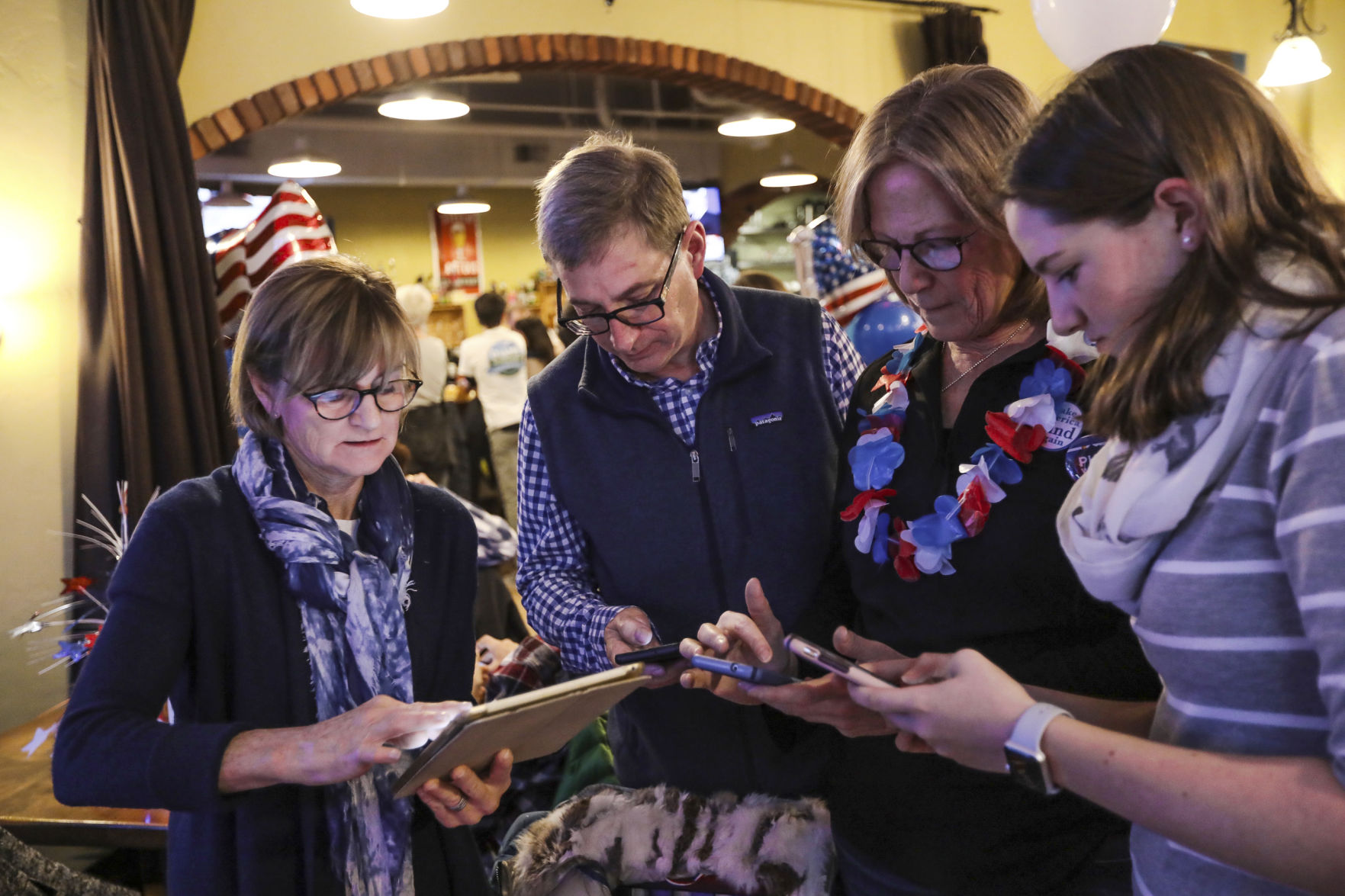
Once an election recedes in the rear-view mirror – especially when races are decided by wide margins – the results take on an air of inevitability.
A few weeks ago, while the jury was still out on Colorado’s most contested races, no one yet knew whether the team that propelled Democratic U.S. Rep. Jared Polis to the governor’s mansion was setting the standard for voter contact and organization, or was on its way to squandering a fortune.
Likewise, the bunch that ran State Treasurer Walker Stapleton’s gubernatorial campaign might have been waging a brilliant campaign in a tough year for Republicans, or simply burning through cash without a coherent message other than an angry plea to reject the other guy.
In hindsight, the Polis campaign steamrolled through a tumultuous year, keeping its eye on the prize – and wound up burying Stapleton by 10-1/2 percentage points as a Democratic-friendly blue wave swept the state.
But there was nothing pre-ordained about the outcome a year and a half ago, when the field of candidates for offices up and down the ballot began taking shape.
Again and again, candidates and events reached turning points that could have gone one way or the other before the campaigns lurched toward the choices faced last week by voters.
Before the dust settles and Election 2018 solidifies in memory, it’s worth revisiting some of the moments that stand out in what will surely go down as one of the bumpiest campaign seasons in recent years.
For a while, it looked as though the most salient characteristic of the election would be all the candidates jumping in and out of various races before the election year even dawned.
The jostling began just months after the 2016 election and continued until the primary ballot was set in April this year.
Early on, it looked like former Interior Secretary Ken Salazar would be the Democrat to beat for governor. But then, after Salazar announced he wouldn’t be running, U.S. Rep. Ed Perlmutter joined former State Treasurer Cary Kennedy and former state Sen. Mike Johnston in what was shaping up to be a free-for-all.
Kennedy went on to bury the rough start, winning the caucuses and earning top-line on the primary ballot. But for a while, she was burdened with images of her campaign announcement, a video broadcast from the front seat of her car as she drove through her East Denver neighborhood, glancing at notes now and then.
Soon, Polis jumped in the race, shocking the Democratic field at the prospect of the tech millionaire self-funding his way to the nomination, like he did a decade earlier in a congressional primary.
Citing the fundraising challenge, Perlmutter dropped out and later announced he wanted a seventh term in Congress, which eventually sent the four Democrats who had been vying for that seat scattering. In the end, Polis bested second-place Kennedy in the primary by 20 points.
On the Republican side, Stapleton began raising money for his super PAC – taking a page from his cousin, former Florida Gov. Jeb Bush, who honed the big-spending technique for his ill-fated and supremely expensive presidential run – and sat back for months as the cash poured in.
As the months rolled by, Republican George Brauchler, the district attorney who prosecuted the Aurora theater shooter, rolled along winning straw polls and endorsements – including one from Second Amendment champion and aging ’70s rocker Ted Nugent, who urged “all my gunloving, backstrap rockin real American sh**kicker BloodBrothers in Colorado” to heed Brauchler’s gubernatorial bid.
Wealthy Republican Victor Mitchell, an entrepreneur and former state lawmaker, began pouring cash into his own campaign – he eventually spent around $5 million – while alternately stiff-arming and embracing Donald Trump, creating a dynamic he would maintain through the primary.
After admitting he didn’t vote for the GOP nominee in the last presidential election, Mitchell began describing himself as Colorado’s version of Trump, possibly confusing the Republicans who were paying close attention to his campaign.
Shortly before Stapleton’s long-planned campaign launch in the fall, however, former U.S. Rep. Tom Tancredo started exploring a run, sending shivers throughout the state GOP and confounding Stapleton’s once-clear path to the nomination.
In the space of a few days last year in early November after Tancredo made official his third run for governor, Republican candidates in statewide races played a tense game of chicken crossed with musical chairs.
Attorney General Cynthia Coffman – long described as the only potential Republican gubernatorial candidate feared by Democrats – finally leaped from her re-election bid to the governor’s race. Soon after that, facing increasing evidence he couldn’t keep up with Stapleton’s fundraising, Brauchler took her place running for attorney general.
Just two months later, despite declaring he was on his way to winning the GOP nomination, Tancredo decided he couldn’t raise enough money to compete with Polis in the general election and sent the board scattering yet again by dropping out.
As the deadline for petitioning candidates approached, Stapleton threw another curve ball when he announced that the firm he’d paid a quarter of a million dollars to gather signatures hadn’t followed the rules. So instead, he would try to get on the ballot at the upcoming state assembly, introducing more last-minute turmoil into an already turbulent primary race.
Coffman sought to block Stapleton’s 11th hour Hail Mary, but state GOP officials allowed it, and he ultimately emerged with top-line designation from the assembly, and in the process kept her off the ballot.
But before that happened, one of the stranger episodes of the entire campaign transpired, one that deserves a last look before the ink dries on the history of an election chock full of twists, turns and downright odd developments.
On what would turn out to be the final day of her campaign, Coffman spent $8,000 to hire Irish tenor Anthony Kearns – one of the famous Irish Tenors – to sing “O’ America!” before her name was placed into nomination at the Republican state assembly in Boulder.
But after GOP officials refused to allow the performance to take place, Kearns observed the proceedings from a front-row seat at the Coors Event Center while a recording of his signature song played over loudspeakers.

U.S. House probes reports of fraud, waste in Colorado’s Medicaid program
Marianne Goodland
marianne.goodland@coloradopolitics.com
Updated 5 hours ago
A congressional committee is probing reports of waste, fraud and abuse in Colorado’s Medicaid program, citing recent stories outlining over-billing in transportation spending and alleged improper payments in autism services. The U.S. House Committee on Energy and Commerce has sent...

Colorado’s congressional redistricting proposal could flip three Republican House seats | ANALYSIS
Michael Braithwaite
michael.braithwaite@gazette.com
Updated 8 hours ago
A Democrat-backed proposal to redraw Colorado’s congressional map for the 2028 election could flip three Republican districts. The proposal, introduced by a group called Coloradans for a Level Playing Field, is yet another development in a national redistricting debate after...

Appeals court overturns Douglas County vehicular homicide conviction due to faulty jury instructions
Michael Karlik
michael.karlik@coloradopolitics.com
Updated 13 hours ago
Colorado’s second-highest court overturned a defendant’s vehicular homicide conviction and 12-year prison sentence on Thursday after determining a Douglas County judge omitted key language from the jury instructions that could have resulted in a different outcome. James Paul McDonald was...
Colorado lawmakers’ speeches on immigration, Iran draw worries about decorum, grandstanding
Marianne Goodland
marianne.goodland@coloradopolitics.com
Updated 12 hours ago
Several speeches from Colorado legislators this week have raised new worries about decorum and grandstanding in the state House after two members talked about immigration and Iran using what’s called a “point of personal privilege.” Under the rules of the...
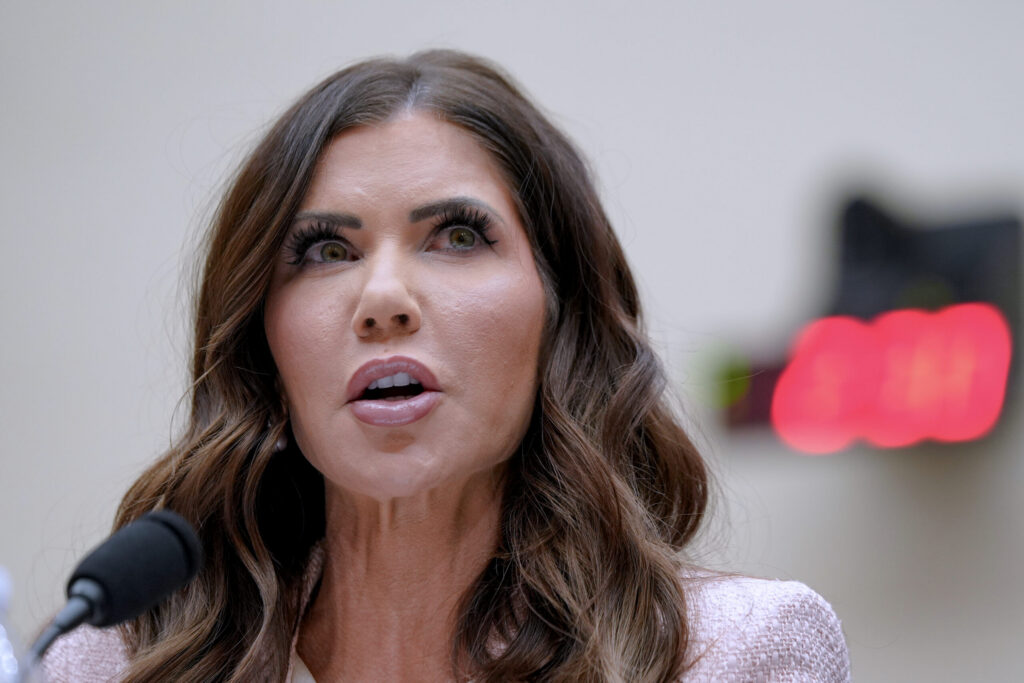
Trump fires Homeland Security Secretary Noem after building criticism over immigration enforcement
Michelle L. Price
michelle.l..price@associatedpress.com
Updated 14 hours ago
WASHINGTON (AP) — President Donald Trump on Thursday fired his embattled Homeland Security Secretary Kristi Noem and said he will nominate in her place Oklahoma Republican Sen. Markwayne Mullin. Trump made the announcement on social media on Thursday, two days...
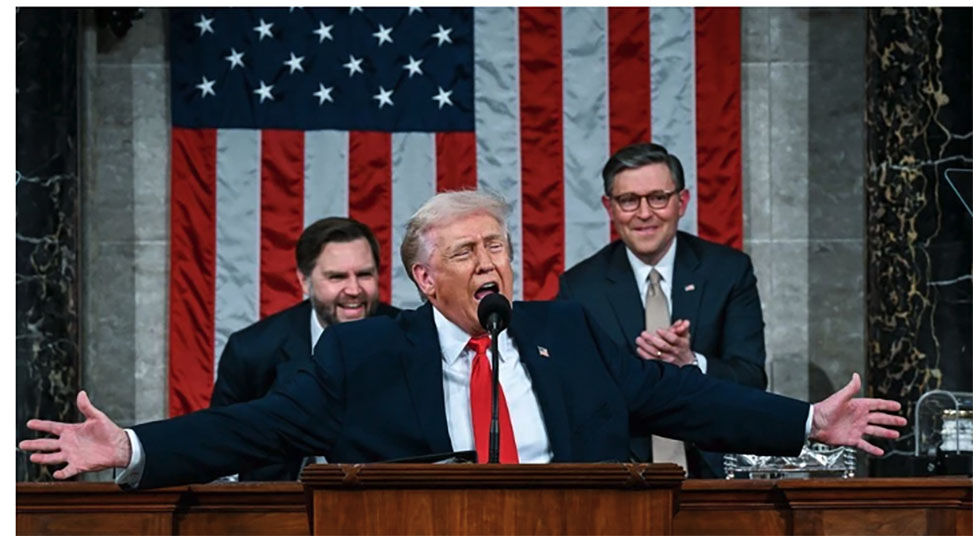
Trump wants to be personally ‘involved’ in picking next Iranian leader: Report
Christian Datoc, Washington Examiner
christian.datoc.washington.examiner@gazetteedit.wpenginepowered.com
Updated 15 hours ago
President Donald Trump told Axios Thursday that he wants to be personally involved with picking Iran‘s next leader, despite multiple senior administration officials repeatedly declaring that “regime change” is not a stated objective of Operation Epic Fury. Trump conducted an...

Iran widens regional war with first strike into Azerbaijan
Brady Knox, Washington Examiner
brady.knox.washington.examiner@gazetteedit.wpenginepowered.com
Updated 15 hours ago
Iran spread the growing regional war to the Caucasus with its first drone strike into Azerbaijan, hitting an airport terminal and damaging a nearby school. A video recorded by someone at Nakhchivan International Airport showed one of the drones exploding...
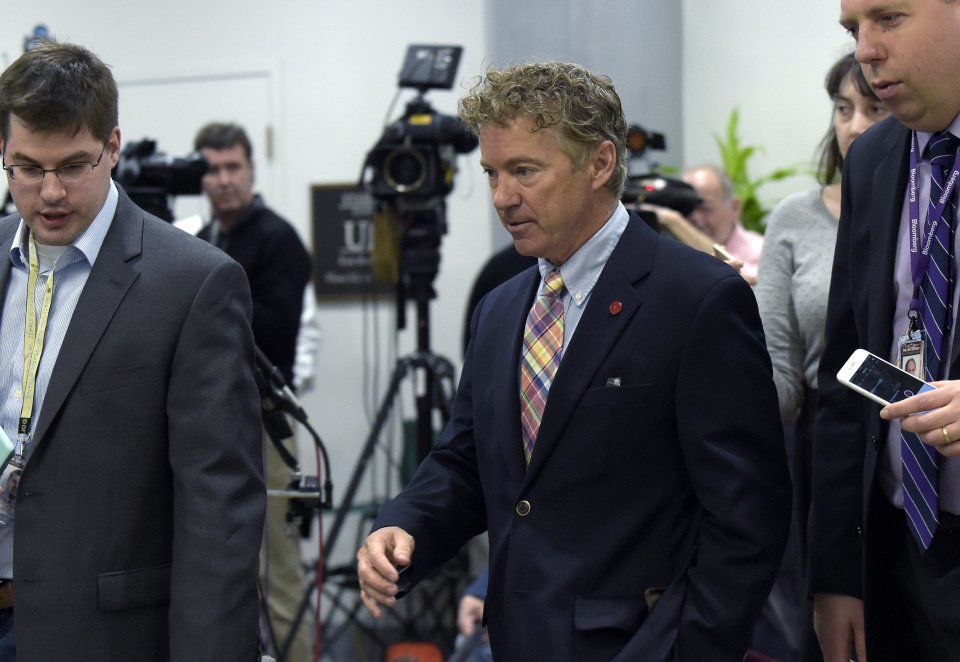
Rand Paul excoriates Congress for failure to pass War Powers Resolution: ‘Should be ashamed’
Claire Carter, Washington Examiner
claire.carter.washington.examiner@gazetteedit.wpenginepowered.com
Updated 15 hours ago
Sen. Rand Paul (R-KY) blasted his colleagues for failing to pass a resolution aimed at limiting President Donald Trump’s military campaign in Iran. The Kentucky Republican made the remarks in an opinion column published on Fox News a day after...
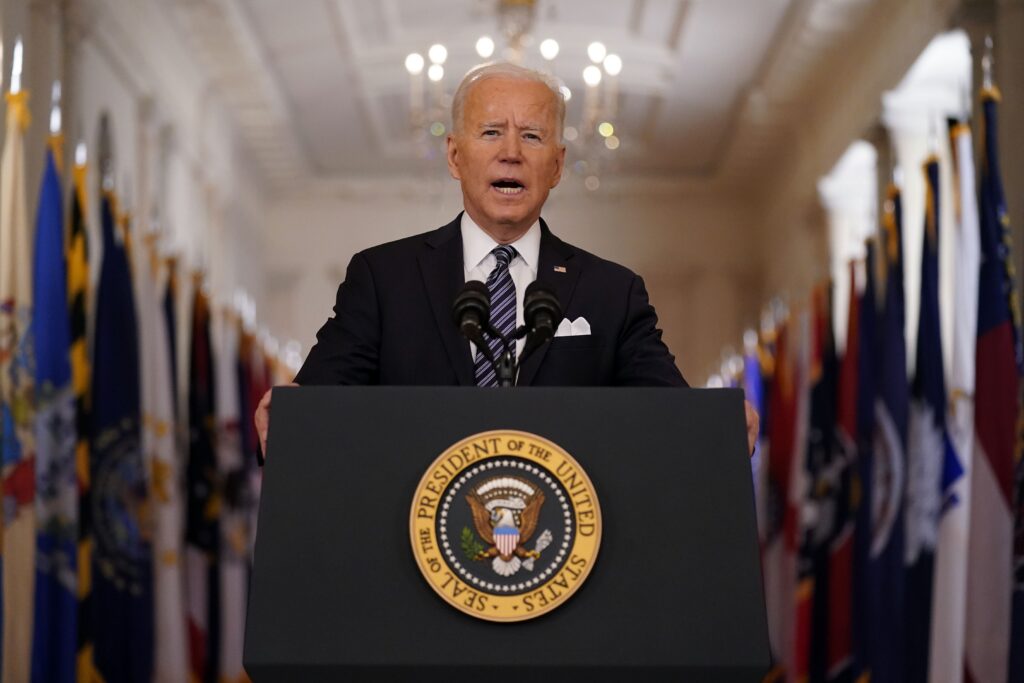
DOJ quietly closes autopen investigation targeting Biden and aides
Kaelan Deese, Washington Examiner
kaelan.deese.washington.examiner@gazetteedit.wpenginepowered.com
Updated 15 hours ago
The Department of Justice has quietly closed an investigation into former President Joe Biden’s use of an autopen to sign official documents, according to a source familiar with the matter. DOJ pardon attorney Ed Martin, the former “weaponization” czar, opened...

Colorado legislators eye changes to credit card ‘swipe fees’
Marianne Goodland
marianne.goodland@coloradopolitics.com
Updated 13 hours ago
Colorado legislators are proposing to eliminate “swipe fees” on sales taxes, a move that proponents say would save businesses tens of thousands of dollars a year but which will likely revive counter-arguments that those fees help create a stable and...
PREV
PREVIOUS

Utah Republican behind in tight race sues to halt vote count
SALT LAKE CITY – Republican U.S. Rep. Mia Love sued Wednesday to halt vote counting in the Utah race where she is trailing her Democratic challenger by a razor-thin margin, saying her campaign must be allowed to issue challenges if they dispute the validity of mail-in ballots. In a contest where “every single vote is […]

FEC: Lawyers contributed nearly $4M to Colorado's federal candidates during midterms
Colorado candidates for Congress or governor received 7,942 contributions from lawyers during this year’s midterm elections, the Federal Election Commission reported this week. Nationwide, there were 13 law firms that contributed at least a quarter-million dollars to either congressional candidates or party committees, some with offices in Colorado. More contributions went to Democrats than Republicans […]