

Military firefighting foam and water safety: Sen. Bennet demands release of study
U.S. Sen. Michael Bennet of Colorado has joined a growing list of Capitol Hill lawmakers demanding the release of a study that details fresh concerns about toxic chemicals that fouled an aquifer south of Colorado Springs, as well as the drinking water of millions of other Americans.
Bennet and a bipartisan group of 10 other senators sent a letter to the heads of the U.S. Environmental Protection Agency and the Department of Health and Human Services expressing concern that the EPA appeared to be suppressing the study. Such actions are “unacceptable,” says the letter released Tuesday by Bennet, D-Colo.
“Given the wide use … and presence of these chemicals in communities across the U.S., it is critical that this report be released without delay and that EPA act immediately to update its guidelines to ensure Americans are informed of and protected from the danger of exposure to these toxins,” the letter said.
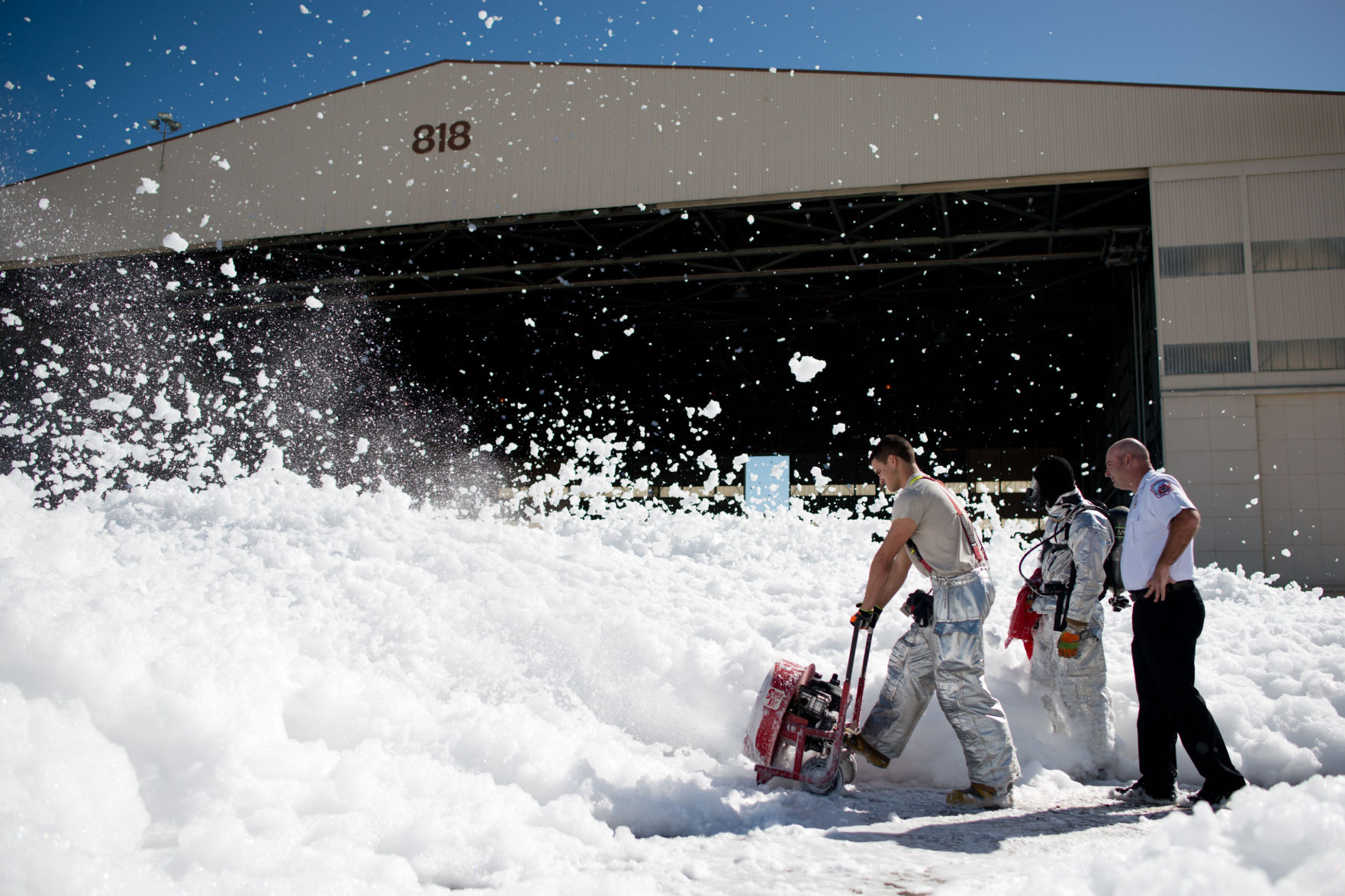
The June 8 letter comes after the Agency for Toxic Substances and Disease Registry recently sought to publish a study revealing how perfluorinated compounds found in military firefighting foam could be nearly six times more toxic than current advisories indicate.
A White House staffer refers to the study as a “potential public relations nightmare” in emails between top EPA administrators, released to the Union of Concerned Scientists under a Freedom of Information Act request and first reported by Politico.
The emails framed the findings as being “extremely painful” for the EPA and the Defense Department.
The Pentagon already has identified 548 drinking-water systems around the world that are contaminated under the EPA’s current lifetime health advisory of 70 parts per trillion.
The new levels deemed immunotoxic in the contested research review are 12 parts per trillion.
U.S. Rep. Doug Lamborn, R-Colorado Springs, fired off a similar letter last month, demanding an explanation.
The chemicals – which have saturated the aquifer beneath Security, Widefield and Fountain – have been linked to cancer, high cholesterol and other health ailments.
Local water districts have spent at least $9 million responding to the water crisis, and the Air Force has allocated another $38 million to help supply clean drinking water to Security, Widefield and Fountain residents.

Federal judge dismisses U.S. government lawsuit against Colorado, Denver’s ‘sanctuary’ laws
Michael Karlik
michael.karlik@coloradopolitics.com
Updated 44 minutes ago
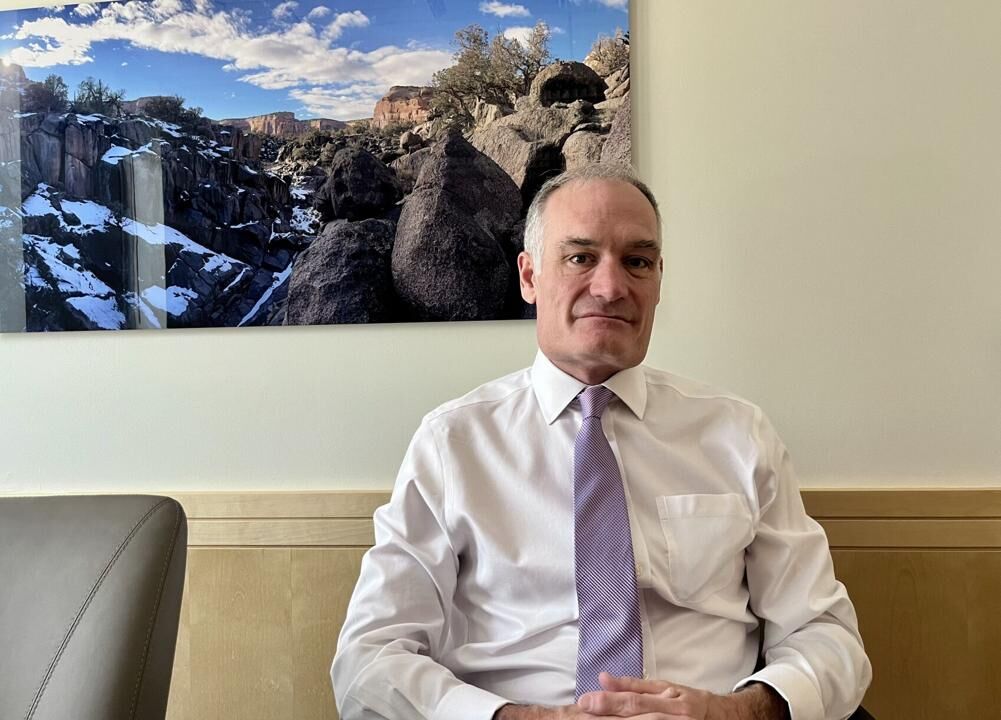
A federal judge dismissed the U.S. government’s lawsuit against Colorado and Denver on Tuesday, which alleged that various local policies impermissibly infringed on federal immigration enforcement. U.S. District Court Judge Gordon P. Gallagher followed the lead of judges in Illinois...
Denver proposes yearlong moratorium on new data centers
Deborah Grigsby
deborah.smith@denvergazette.com
Updated 1 hour ago
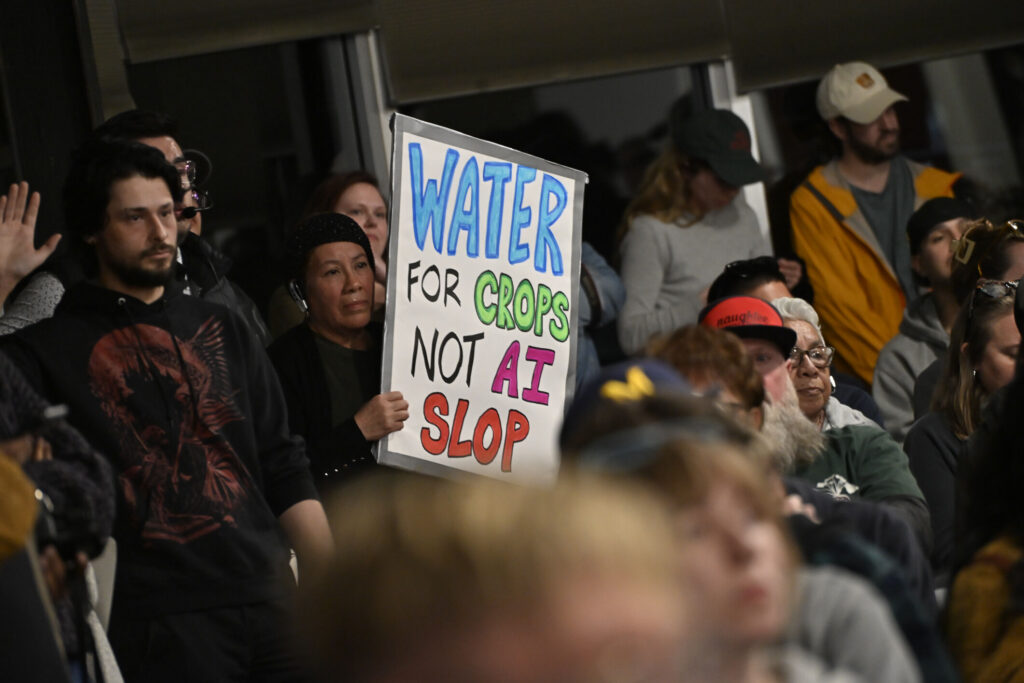
As Denver Water calls for a 20% reduction in water use during Stage 1 drought conditions, City Council members advanced a bill to rein in one of the largest water users — data centers — by proposing a yearlong moratorium...

Federal judge finds DOJ adequately searched for, disclosed records related to Bidens
Michael Karlik
michael.karlik@coloradopolitics.com
Updated 3 hours ago
A federal judge determined on Friday that the U.S. Department of Justice adequately searched for and disclosed records to a Colorado attorney in response to his request for documents related to former President Joe Biden’s son and brother. In November...

Colorado lawmakers push legislation to shrink RTD board, increase pay as ridership struggles continue
Marissa Ventrelli
marissa.ventrelli@coloradopolitics.com
Updated 3 hours ago
Colorado lawmakers are advancing a new push to overhaul the Regional Transportation District, proposing to shrink the board, raise member pay, and boost ridership back to pre-pandemic levels. While some stakeholders see the effort as a step forward, others warn...

Appellate court slap downs in Trump cases highlight mounting tension in the judiciary
Jack Birle, Washington Examiner
jack.birle.washington.examiner@gazetteedit.wpenginepowered.com
Updated 5 hours ago
The Trump administration has won key reversals of lower court rulings against it in appeals courts — many of which have sharply rebuked the district court’s earlier rulings, highlighting growing tensions within the judiciary. Since January 2026, federal appeals courts...
10th Circuit warns lawyers after finding fake case in filing
Michael Karlik
michael.karlik@coloradopolitics.com
Updated 6 hours ago
The Denver-based federal appeals court warned attorneys to be more careful last month after discovering one lawyer cited a fake case in his arguments. In recent months, federal and state judges in Colorado have begun cautioning lawyers explicitly about the...

Colorado legislators drove up cost of Medicaid program
Marissa Ventrelli
marissa.ventrelli@coloradopolitics.com
Updated 5 hours ago
Some of Colorado’s spending woes in Medicaid can be traced to lawmakers who had approved new or expanded programs in the last few years, driving up state costs to the tune of tens of millions of dollars. Just three measures...

Colorado leaders weigh next steps after US Supreme Court rejects state ban on ‘conversion therapy’
Marissa Ventrelli
marissa.ventrelli@coloradopolitics.com
Updated 23 seconds ago
Colorado leaders said they are weighing next steps after after the U.S. Supreme Court on Tuesday rejected the state’s ban on “conversion therapy” for children, as critics and supporters cheered or lambasted the ruling. The court’s near unanimous decision called...
Supreme Court rules against Colorado ban on ‘conversion therapy’ for LGBTQ kids
Lindsay Whitehurst
lindsay.whitehurst@associatedpress.com
Updated 8 hours ago
WASHINGTON (AP) — The Supreme Court on Tuesday ruled against a law banning “conversion therapy” for LGBTQ+ kids in Colorado, one of about two dozen states that ban the discredited practice. An 8-1 high court majority sided with a Christian...

A perfect storm: Pine beetles thriving following warm, dry winter in Colorado
O'Dell Isaac
odell.isaac@gazette.com
Updated 6 hours ago
The warmest winter in Colorado history could lead to record-breaking proliferation of a tiny insect, about the size of a grain of rice, that has killed millions of acres of trees across the Centennial State and contributed to the rapid...
PREV
PREVIOUS

Lawmakers back Denver Planned Parenthood workers' union cause
Legislators who defend reproductive rights on Tuesday urged Planned Parenthood of the Rocky Mountains to support another Democratic value, the right to unionize. The question for workers at metro Denver clinics is pending before the National Labor Relations Board. Denver-area clinic workers voted in December to form a union. Management appealed to the NLRB, contending workers […]

Poll: Polis leading Kennedy, but both best Stapleton
Jared Polis holds a lead over Cary Kennedy atop the four-way Democratic primary to be Colorado’s next governor, but both would defeat Republican frontrunner Walker Stapleton by the same margin, according to a new survey. The survey was conducted by polling and communications firm Strategies 360 for the Service Employees International Union’s Colorado Small Donor Committee and […]