

Colorado gets a C-plus for offering information on government spending
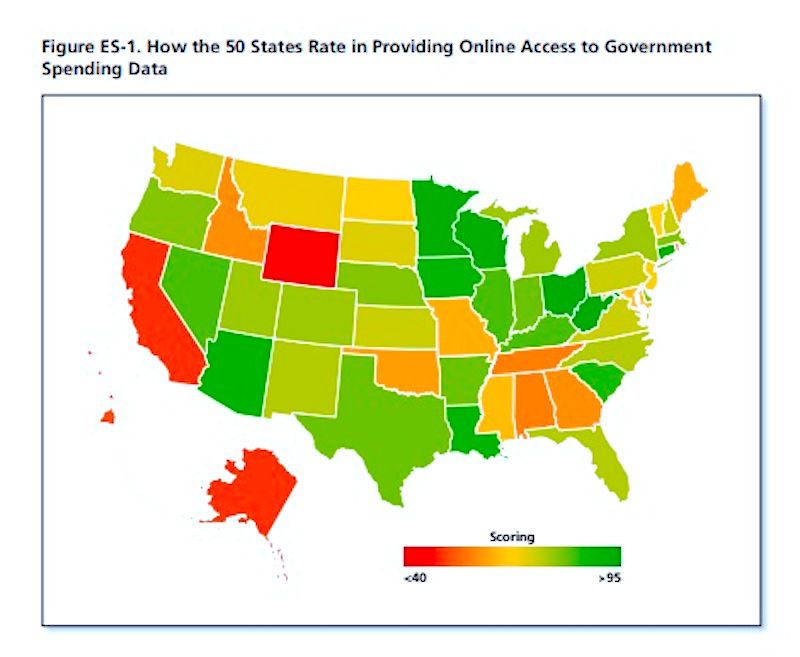
When it comes to making its spending decisions transparent and easy for the public to understand, Colorado gets a C-plus in a new scorecard from the CoPIRG Foundation and the Frontier Group.
Researchers for the consumer advocacy groups looked at information available to the public that’s available online. The C-plus is a drop from the A-minus Colorado received in 2016.
The state lost points for ease of use for online data and the amount of disclosure around economic development.
“The public has a right to know how and when their tax dollars are being spent so that they can hold elected officials and civil servants accountable for ethical, effective stewardship of funds,” said Danny Katz, director of the Denver-based CoPIRG Foundation. “While Colorado is providing the basic information, more needs to be done to increase the comprehensiveness of the information and to make finding the information more intuitive and easy.”
Colorado ranked 20th nationally in the report. The measure was started in 2010 to highlight transparency for taxpayers “while also restoring public confidence in government and prevent misspending and pay-to-play contracts,” CoPIRG said.
The organization said:
Colorado received the maximum allowable points for having a one-stop, state spending website with checkbook level details on spending, including economic development subsidies. Colorado lost points because the spending transparency website lacks functional multi-tiered search options, has some challenges around downloading data, and fails to disclose the actual public benefits of economic development subsidies.
Ohio and West Virginia were the highest ranking states in the report. Wyoming finished last and was one of four states that received an F.
“If an ordinary citizen can’t actually find the information they’re looking for, and understand it without needing a background in state bureaucracy, then it doesn’t matter how many data sets are put online,” stated Rachel J. Cross, a Frontier Group analyst and co-author of the report. “Many states are realizing that in order to serve their residents, they need to do more than just dump data online- they need to provide a useful tool for understanding how state dollars are spent.”
You can read the entire report by clicking here.

10th Circuit dismisses woman’s lawsuit following 10-year attempt to undo restraining order
Michael Karlik
michael.karlik@coloradopolitics.com
Updated 53 minutes ago
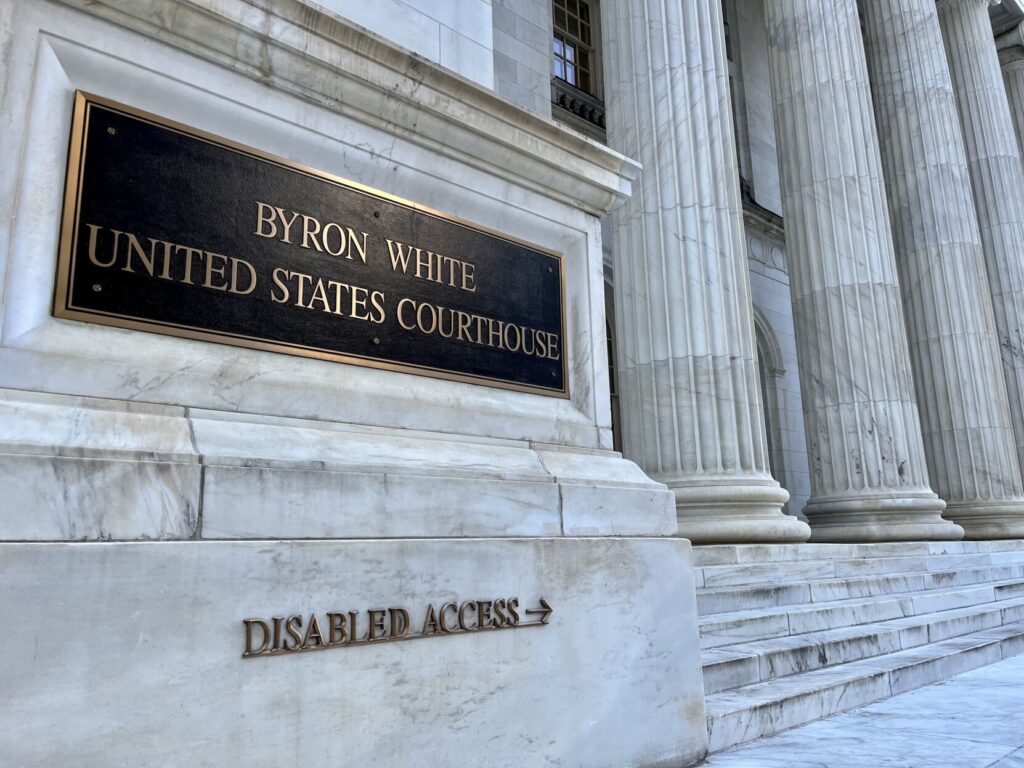
The Denver-based federal appeals court rejected a woman’s challenge on Friday to a restraining order imposed on her more than a decade ago, finding that she cannot credibly claim she will be prosecuted for violating the restraining order through her...
10th Circuit dismisses woman’s lawsuit following 10-year attempt to undo restraining order
Michael Karlik
michael.karlik@coloradopolitics.com
Updated 53 minutes ago
The Denver-based federal appeals court rejected a woman’s challenge on Friday to a restraining order imposed on her more than a decade ago, finding that she cannot credibly claim she will be prosecuted for violating the restraining order through her...

Surprise candidate Shimon Blau cleared to face off against Melat Kiros in November
Ernest Luning
ernest.luning@coloradopolitics.com
Updated 3 minutes ago
Unaffiliated congressional candidate Shimon Blau, a Denver doctor, has qualified by petition for the general election in Colorado’s 1st District, where Democrat Melat Kiros defeated 15-term U.S. Rep. Diana DeGette in last month’s primary, the Colorado Secretary of State’s Office...

Colorado produce not tied to nationwide cyclospora outbreak, agriculture officials say
Marissa Ventrelli
marissa.ventrelli@coloradopolitics.com
Updated 2 hours ago
There is no indication that the recent outbreak of cyclospora, a fecal parasite that has contaminated food and water across nearly every state, can be linked to produce grown in Colorado, according to the state’s Department of Agriculture. “Colorado growers...

UNC opens College of Osteopathic Medicine
Marissa Ventrelli
marissa.ventrelli@coloradopolitics.com
Updated 2 hours ago
The University of Northern Colorado held a grand opening for its new College of Osteopathic Medicine on Friday, with Gov. Jared Polis in attendance to celebrate the culmination of a two-year, $127.5 million project. The project was funded through legislation...
Colorado equal pay law does not require plaintiffs to allege gender-based retaliation, appeals court finds
Michael Karlik
michael.karlik@coloradopolitics.com
Updated 2 hours ago
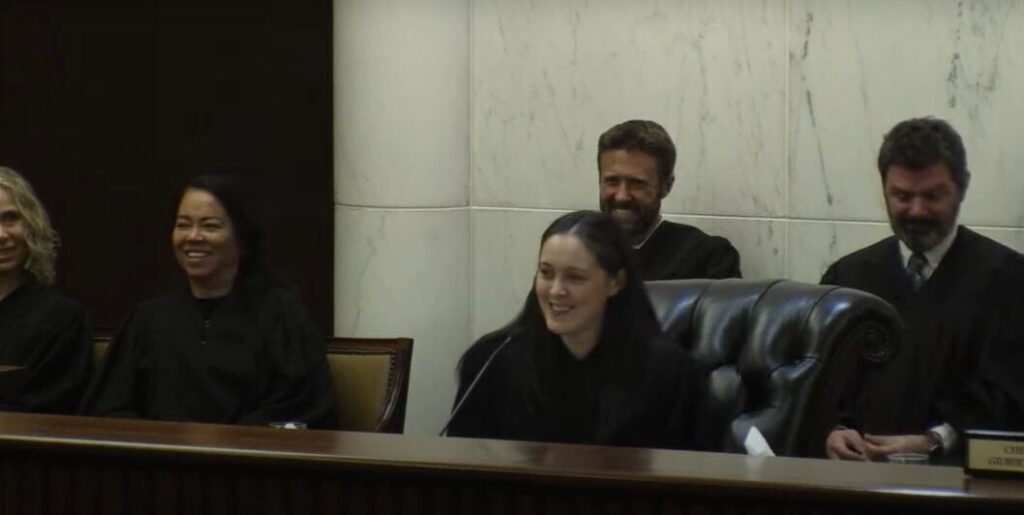
The 2019 Colorado law aimed at rooting out pay discrimination on the basis of sex does not require a plaintiff to allege their employer retaliated against them for sex- or gender-related reasons, the state’s second-highest court decided on Thursday. Lawmakers...

Planning Commission rejects resident appeals to stop proposed data center
alex-edwards
alex.edwards@gazette.com
Updated 3 hours ago
Editor’s note: This story has been updated to reflect comment from District 11 clarifying that it has not conducted a financial review of Project Taurus. The Colorado Springs Planning Commission rejected appeals Thursday night against a proposed artificial-intelligence data center...

Inspiration for film ‘Safety’ is tourney’s special guest | NONPROFIT REGISTER
Joanne Davidson Special to Colorado Politics
joanne-davidson-special-to-colorado-politics@coloradopolitics.com
Updated 5 hours ago
VOLUNTEERS OF AMERICA COLORADO Denver News: Ray McElrathbey, a former Clemson University football player whose story of fighting to keep his brother out of foster care inspired the Disney+ movie “Safety,” will be the special guest when Volunteers of America Colorado hosts...

Victor Marx, GOP candidate for governor, faces 100-plus campaign finance complaints
Marianne Goodland
marianne.goodland@coloradopolitics.com
Updated 1 hour ago
Victor Marx’s gubernatorial campaign has been hit with more than 140 campaign finance complaints, although most have been consolidated by the state’s election office because they follow similar alleged violations. Marx faces Attorney General Phil Weiser, who won the Democratic...

Trump warns China and Russia not to ‘give or sell’ weapons to Iran
Naomi Lim
naomi-lim@coloradopolitics.com
Updated 6 hours ago
President Donald Trump says it would be “very bad” for Chinese President Xi Jinping or Russian President Vladimir Putin if Washington discovers they are supplying weapons to Tehran as the war between the United States and Iran escalates. “President Xi,...