

CU Boulder professor, research director to become provost at Colorado College
Colorado College hasn’t had a provost, a high-ranking administrator who works closely with the president, deans, department heads and others to shape educational programming, since 1975.
Campus and academic growth have necessitated a resurrection of the post, according to CC President Jill Tiefenthaler, who this week announced the hiring of Alan R. Townsend to fill the job.
Townsend, an ecosystem ecologist, is director of the Institute of Arctic and Alpine Research and an environmental studies professor at the University of Colorado at Boulder.
Townsend, 52, spent 17 years on the faculty at CU Boulder before becoming dean of the Duke University Nicholas School of the Environment in 2014.
He returned to CU Boulder early in 2017.
The opportunity to work at CC “came a little out of the blue,” Townsend said Wednesday.
He wasn’t actively looking for a new job when a search firm, Storbeck/Pimentel & Associates, which also was involved in recruiting Tiefenthaler in 2011, contacted him to see if he was interested in being considered.
CC had been on his radar for years.
“It has a deserved reputation for standing out as an innovative place, which is intriguing to me,” Townsend said.
CC graduates he had taught in graduate science programs at CU Boulder “were a little different,” Townsend said. “Remarkably independent, driven, socially conscious students who impressed me.”
Townsend was selected out of a field of 175 initial candidates, said CC spokeswoman Leslie Weddell.
Townsend starts June 1, becoming CC’s second-ranking officer. He will serve on the president’s Cabinet, take a key role in the annual budget process and implement an updated strategic plan.
He also will teach environmental science at CC, a private liberal arts college of about 2,000 students north of downtown Colorado Springs.
Tiefenthaler mentioned the college’s recent acquisition of the Colorado Springs Fine Arts Center, its renovated and expanded Tutt Library and a new campus initiative focusing on innovation as driving the need for a provost, also known as a chief academic officer.
“Moving to a provost model provides additional leadership and vision for those areas and the entire institution,” Tiefenthaler said in an email, “while allowing our dean of faculty to fully focus on supporting the faculty and their work.”
Townsend said while it’s premature for him to set specific goals, he’s looking forward to helping “advance the ways in which a strong liberal arts education is best poised to help produce students to address the challenges we’re facing.”
“To see a country that’s increasingly divided, the roots of a liberal arts education were designed to help heal and bridge those divides, and facilitate conversation,” Townsend said.
He said he’s impressed by CC’s partnership with the Fine Arts Center.
“It’s a cool place,” he said. “It’s fairly rare for a small private liberal arts college to have as an overt and mandated part of its mission a connection with the community at-large.
“CC is taking a deliberate move with the community, which brings the kinds of things I care about and want to do on the academic side of the house.”
Tiefenthaler calls Townsend “an inclusive leader, scholar and champion of the liberal arts.”
“He will guide and integrate all of our key initiatives, expanding opportunities for students and the community,” Tiefenthaler said. Among his credentials, Townsend has conducted nationally prominent research on nutrient cycling and biogeochemistry in tropical forests, and global-scale analyses of human impact on major element cycles. He earned a Ph.D. in biological sciences from Stanford University.
The top 10 applicants were interviewed in mid-December, and four finalists were selected for a on-campus interviews in early February.
CC’s last provost was Jim Stauss, who worked as executive vice president and provost from 1969 to 1975, under President Lew Worner. Stauss died in 1975.


Low and slow meets forever: US postage stamps honor lowrider car culture | OUT WEST ROUNDUP
The Associated Press
the-associated-press@coloradopolitics.com
Updated 4 days ago
NEW MEXICO Stamps honor lowrider culture ALBUQUERQUE — From Mexican American and Chicano barrios in the American Southwest to the halls of the Smithsonian on the National Mall and even the streets of Japan, lowrider culture has become part of...

Colorado Politics Calendar Apr. 6-12
Rachael Wright, Special to Colorado Politics
rachael.wright@coloradopolitics.com
Updated 4 days ago
CoPo’s weekly political calendar will help you find political and public-policy events throughout Colorado. It includes candidate and issue campaign events, public policy meetings, court hearings, state and local party conventions, assemblies, debates, rallies, parades, speaking engagements, traveling dignitary appearances,...
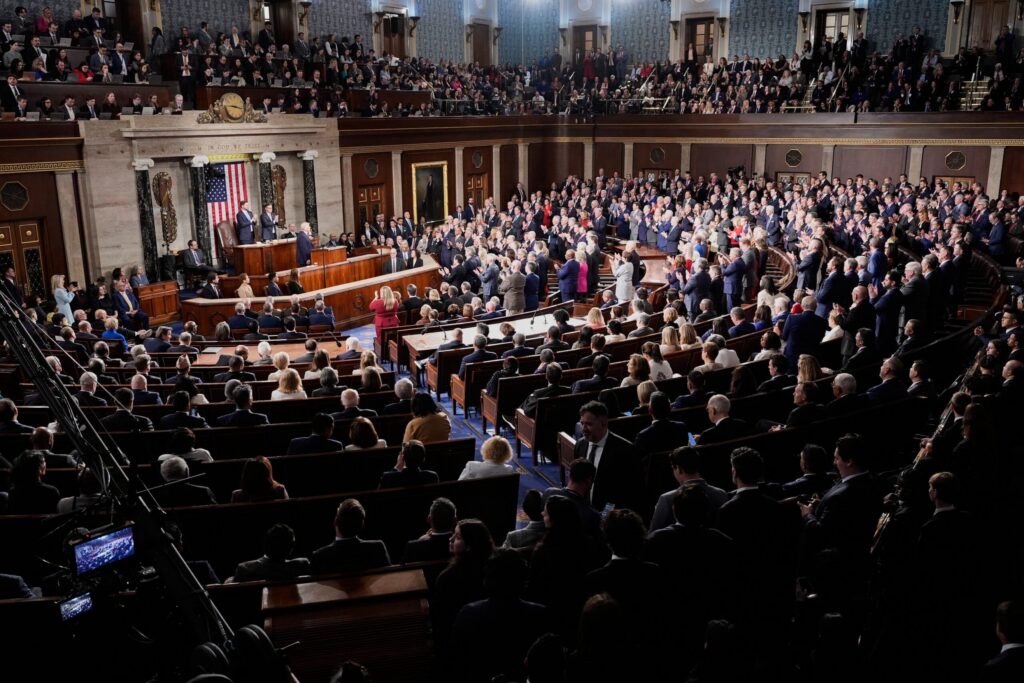
Democrats rebounding without learning necessary lessons | SONDERMANN
Eric Sondermann
eric-sondermann@coloradopolitics.com
Updated 23 hours ago
“When we fight, we win!” That, reportedly, was the chant heard over and over again at the Colorado Democratic Assembly a week ago. It suggests that pugilism has been the piece missing from the Democratic toolkit. Perhaps it was just...
An April Fool’s Day to remember | Capitol M | Week of April 4, 2026
Marianne Goodland
marianne.goodland@coloradopolitics.com
Updated 3 days ago
The lighter side of the Capitol, and if light were weight, the Capitol would have lifted off better than the Artemis II rocket on April Fool’s Day. There was a plethora of Fools at the Capitol for April Fool’s Day...
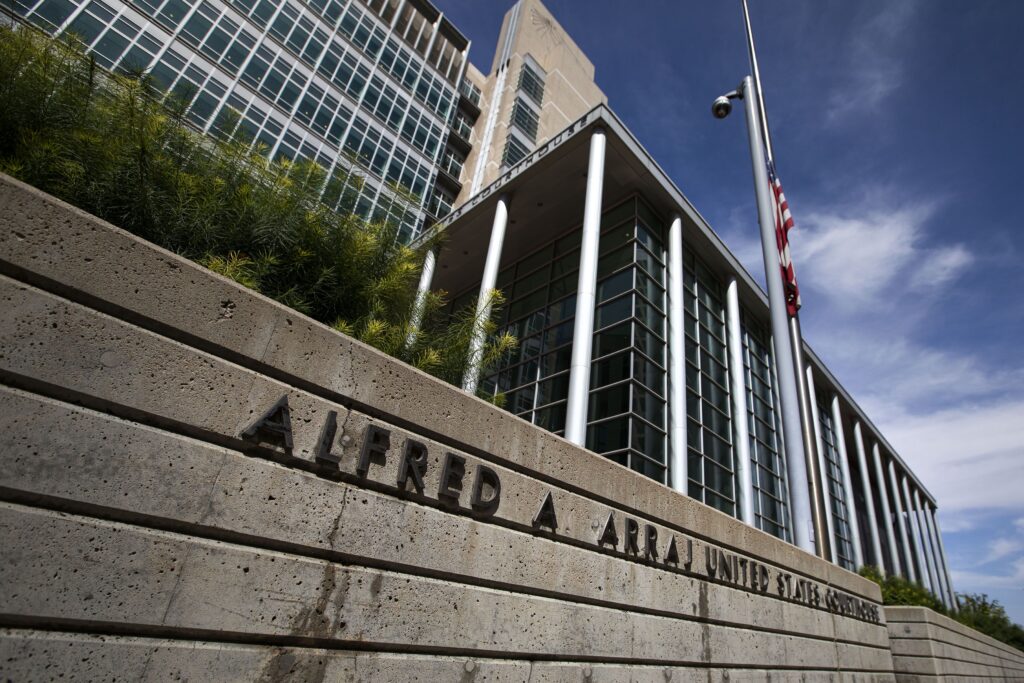
Federal judge sides with Mesa County school district in ex-student’s First Amendment claims
Michael Karlik
michael.karlik@coloradopolitics.com
Updated 2 days ago
A federal judge concluded last week that Mesa County Valley School District 51 and three of its administrators did not violate the First Amendment rights of a former student when they imposed minor discipline in response to disruptive behavior. In...

Colorado Supreme Court intervenes in 4 ongoing cases
Michael Karlik
michael.karlik@coloradopolitics.com
Updated 2 days ago
The Colorado Supreme Court recently moved to intervene in four ongoing cases, including two criminal prosecutions, a civil lawsuit, and a child welfare proceeding. At least four of the court’s seven members must agree to hear a case outside of...
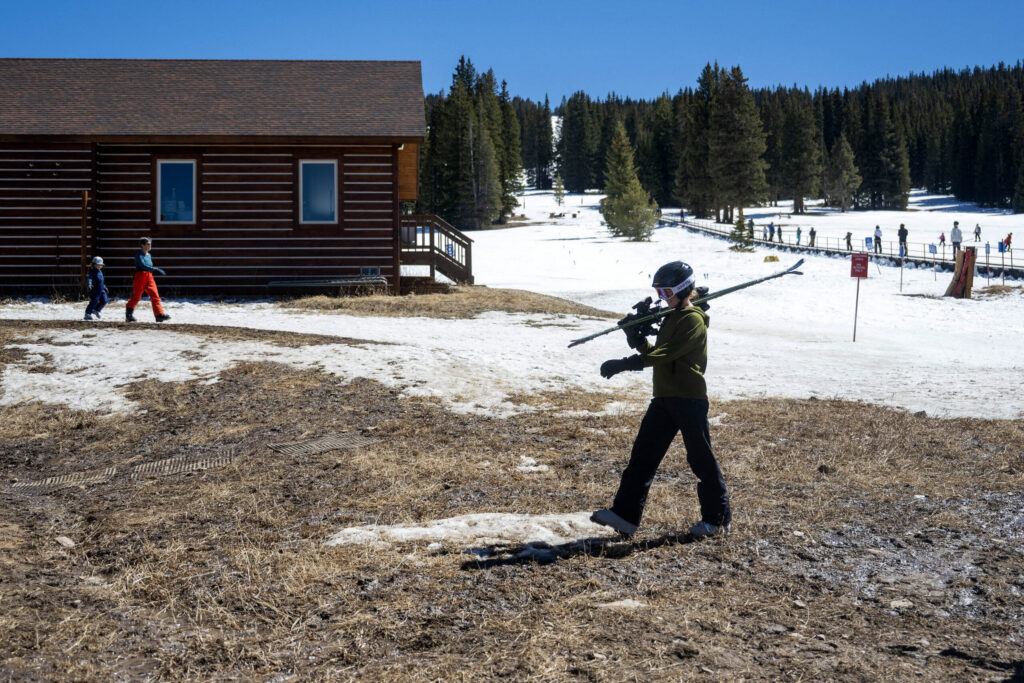
Colorado ski resorts announce early closures amid historic snowpack lows, high temperatures
Kyla Pearce
kyla.pearce@gazette.com
Updated 21 hours ago
Vail Resorts is the latest area to announce season closure Wednesday As Colorado’s historically low snowpack year comes to a close and spring conditions take over the mountains, the state’s major ski resorts are announcing closing dates — some of...
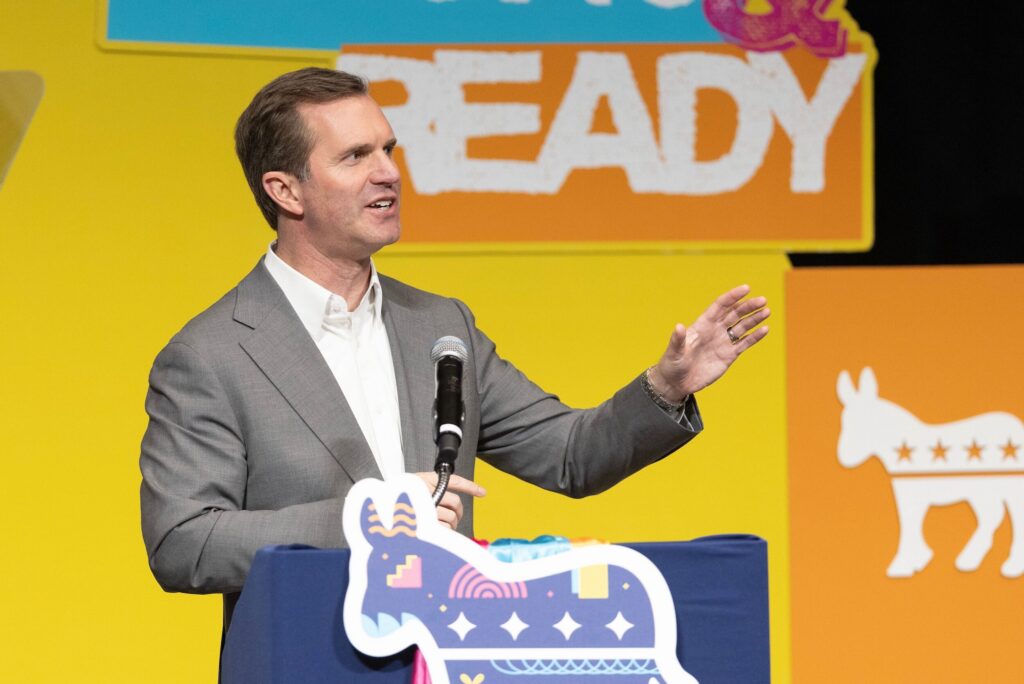
Kentucky Gov. Andy Beshear set to headline Colorado Democrats’ annual fundraising dinner
Ernest Luning
ernest.luning@coloradopolitics.com
Updated 2 days ago
Kentucky Gov. Andy Beshear, one of the Democrats’ top 2028 presidential prospects, is scheduled to deliver the keynote address at the Colorado Democratic Party’s annual fundraising dinner in June in Denver, the party said Friday. Serving his second term as...
Gov. Polis names new leaders for Colorado health agencies in wake of Medicaid turmoil
Marianne Goodland
marianne.goodland@coloradopolitics.com
Updated 2 days ago
Gov. Jared Polis, on Thursday, announced he was appointing Gretchen Hammer to serve as acting executive director of the Colorado Department of Health Care Policy and Financing, and deputy executive director Stephanie Beasley to become the next commissioner of the...
Federal judge releases man immediately as consequence for immigration judge disobeying orders
Michael Karlik
michael.karlik@coloradopolitics.com
Updated 2 days ago
A federal judge ordered a man’s immediate release from immigration detention on Thursday after finding an immigration judge disregarded his prior orders requiring a bond hearing. For the past year, Colorado’s federal district court has faced a flood of “habeas corpus”...