

Lege leaders talk upcoming session at Chamber breakfast
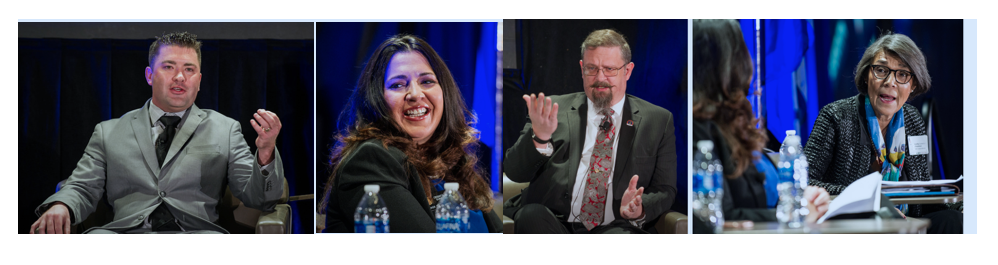
The four leaders of the Colorado General Assembly laid out their priorities for the session that starts next week, and while there’s room for agreement on just what the priorities are, how to get there is another matter.
The leaders spoke during a question-and-answer session Thursday morning for the fourth annual Legislative Preview Breakfast hosted by the Denver Metro Chamber of Commerce.
Chamber President Kelly Brough outlined the Chamber’s legislative priorities, led by transportation. “Economically, there’s an urgency to do something. The economy will suffer if we fail,” she said. The Chamber is encouraged by the governor’s recent decision to use some additional state revenues to fund transportation, but there is still significant unmet need, Brough said, and should be dealt with by a statewide ballot measure.
The chamber will look at the costs of healthcare, which Brough said is one of the greatest struggles for employers and employees. It makes the difference between hiring and giving raises or paying for employee healthcare. The state pension plan is also a focus, Brough said, and that the chamber is working with a “diverse group of stakeholders to make sure the plan is financially sound.”
Finding a way to cover the unfunded liability of the Public Employees Retirement Association is also a priority for Republicans. Senate President Kevin Grantham of Canon City spoke of “structural changes” that Republicans believe will protect current retirees and keep the promises made to PERA employees.
But the top priority for Republicans appears to be transportation and just how to pay for the state’s $30 billion in repairs and improvements to roads and transportation infrastructure.
Recent revenue numbers showed the state has more revenue that can go to transportation, and Tuesday, the governor proposed a boost of $148 million.
“What do you do with more money than you’re supposed to have?” Grantham said. The governor’s proposal is a good start, but just a start, he said. Grantham also indicated he believed transportation projects could be funded by the budget, a reversal of his position a year ago, when he was a co-sponsor of a measure to ask voters for a state sales tax increase. The extra revenue, Grantham said, can be allocated toward transportation every year, with the state able to bond against those dollars to fund billions of dollars in projects.
Grantham said the time had come for lawmakers to fulfill promises made to voters in 2005 through the passage of Referendum C, a time-out on TABOR that he said should have put $18 billion into transportation during the past 12 years. Instead, transportation got only $49 million, Grantham said. “We can allocate new money and revenues toward transportation. That’s our opportunity.”
House Republican leader Patrick Neville of Castle Rock agreed with using existing state revenues to pay for transportation rather than seeking a ballot measure in the fall. “The money is there and has always been there,” he said, adding there is no need to go to voters for a tax increase that he said they wouldn’t support anyway.
Speaker of the House Crisanta Duran took a different position; while she supports the recent investment in transportation proposed by the governor, “I don’t think the answer is taking more money from state revenues,” she said. “Let’s go to the people for more help.” She also disputed that voters wouldn’t support a tax increase, pointing to polling early in the session a year ago that showed 70 percent of voters would support a small tax increase for transportation. ‘I think the people of Colorado are ready for it.”
Could 2018 be the year that the General Assembly figures out the rural broadband issue? There appears to be hope, based on comments by all four lawmakers.
A bill to dedicate a $38 million fund known as the High Cost Support Mechanism to companies that will build out the infrastructure died on the last day of the 2017 session, but Grantham indicated a solution is already in the works for the next session. The sticking point has been opposition from CenturyLink, which has received the lion’s share of the HCSM for years yet has not built enough of the broadband infrastructure desired in rural counties.
It’s not just about Internet access. Speaker of the House Crisanta Duran said said funding the build-out with the HCSM would help with healthcare, education and small business development in rural communities.
To CenturyLink, Comcast and Viaero, Senate Democratic leader Lucia Guzman of Denver had just one message: get with the program! As an example, Guzman, who has championed rural broadband for years, pointed out that Saquache County, south of Gunnison, has the worst broadband service in the nation. “We cannot let this continue,” she said.
The high costs of healthcare and lack of provider options in rural Colorado is also a concern for 2018. Grantham pointed out that while the hospital provider fee bill last year helped rural hospitals, there’s much more to be done on improved access to care and affordability. Grantham said health care is an issue that will be led in his caucus by Sen. Jim Smallwood of Parker.
“This is something we will be discussing from here to eternity, like marijuana,” Grantham said. “Every time you think you’ve fixed it…”
Democrats’ ideas center around a “public option,” which is currently circulating among Democrats in Washington. Under the public option idea, a plan similar to Medicaid would be available for anyone, not just low-income residents. Guzman said her caucus is working that legislation for 2018.
Photo courtesy Denver Metro Chamber of Commerce, Dave Anderson on InSync Photography + Design.

Colorado justices to hear appeal in Kendrick Castillo death lawsuit, ‘fugitive’ rule
Michael Karlik
michael.karlik@coloradopolitics.com
Updated 14 hours ago
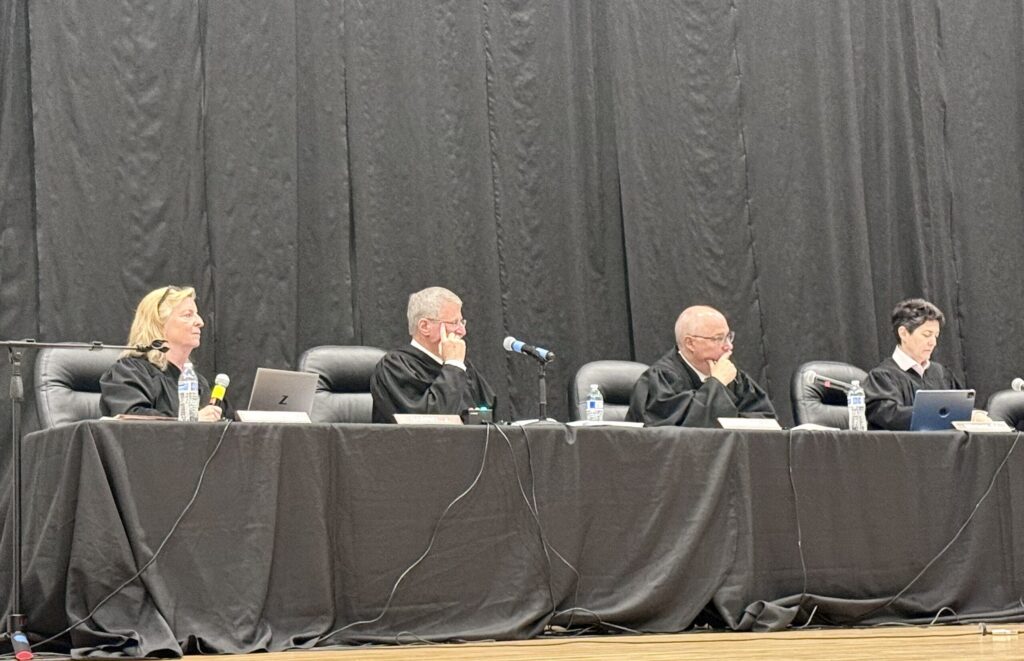
The Colorado Supreme Court announced on Tuesday that it will decide whether it was proper to dismiss a lawsuit over the 2019 shooting death of Kendrick Castillo after the defendants paid the maximum amount of damages available to Castillo’s parents,...

Two more wolves killed by Colorado wildlife staff
Marianne Goodland
marianne.goodland@coloradopolitics.com
Updated 15 hours ago
Two yearling wolves from the Copper Creek and Three Creeks packs in Pitkin and Rio Blanco counties, respectively, were killed by Colorado Parks and Wildlife staff on Monday. That brings to 19 the number of wolves that have died under...

U.S. Rep. Lauren Boebert calls Trump’s 90-day wolf-delisting review ‘real progress’
Marianne Goodland
marianne.goodland@coloradopolitics.com
Updated 13 hours ago
President Donald Trump has directed Interior Secretary Doug Burgum to launch a 90-day review on whether gray wolves and Mexican wolves should be removed from Endangered Species Act protections. The order drew mixed reactions for Colorado’s wolf-reintroduction effort, with ranchers...

Arapahoe County judge’s frustration with defense lawyer not grounds for new trial
Michael Karlik
michael.karlik@coloradopolitics.com
Updated 16 hours ago
Colorado’s second-highest court decided last week that an Arapahoe County judge’s repeated rebukes of a defense attorney and orders to “be quiet” did not rise to the level of bias or a violation of the defendant’s due process rights. A...
Divided appeals court upholds vehicle theft conviction despite unclear origin of car’s value
Michael Karlik
michael.karlik@coloradopolitics.com
Updated 12 hours ago
Colorado’s second-highest court upheld a defendant’s conviction for aggravated motor vehicle theft last week, even though it was unclear how the Thornton Police Department estimated the value of the stolen car. Officer Marc Faivre encountered Ashley Shelee Gibbens-Martinez in a...
Disgraced ex-CBI analyst Missy Woods sentenced to prison in DNA scandal
Jenny Deam
jenny.deam@gazette.com
Updated 16 hours ago
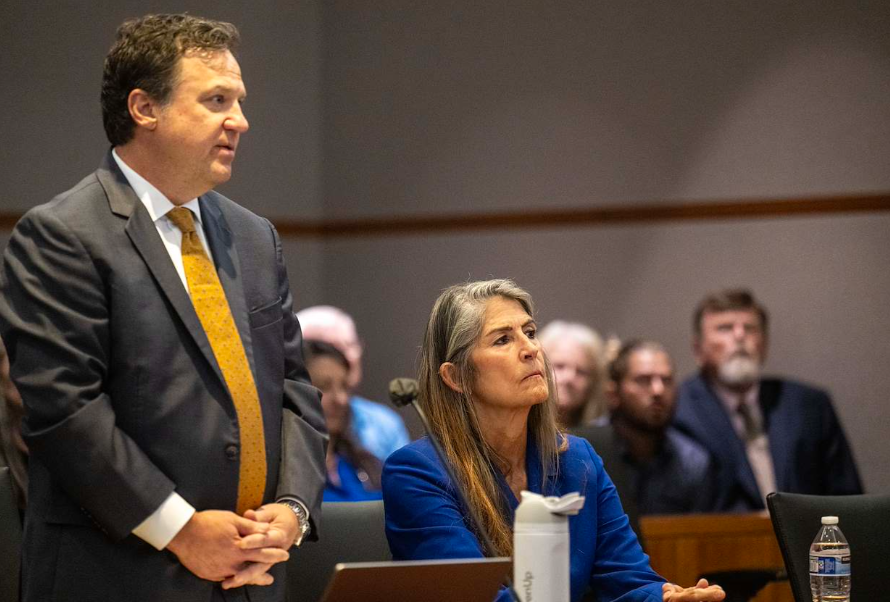
A Jefferson County district court judge on Tuesday sentenced a disgraced former Colorado Bureau of Investigation DNA analyst to a decade in prison for altering and deleting data in scores of criminal cases over several years. Jefferson County District Judge...
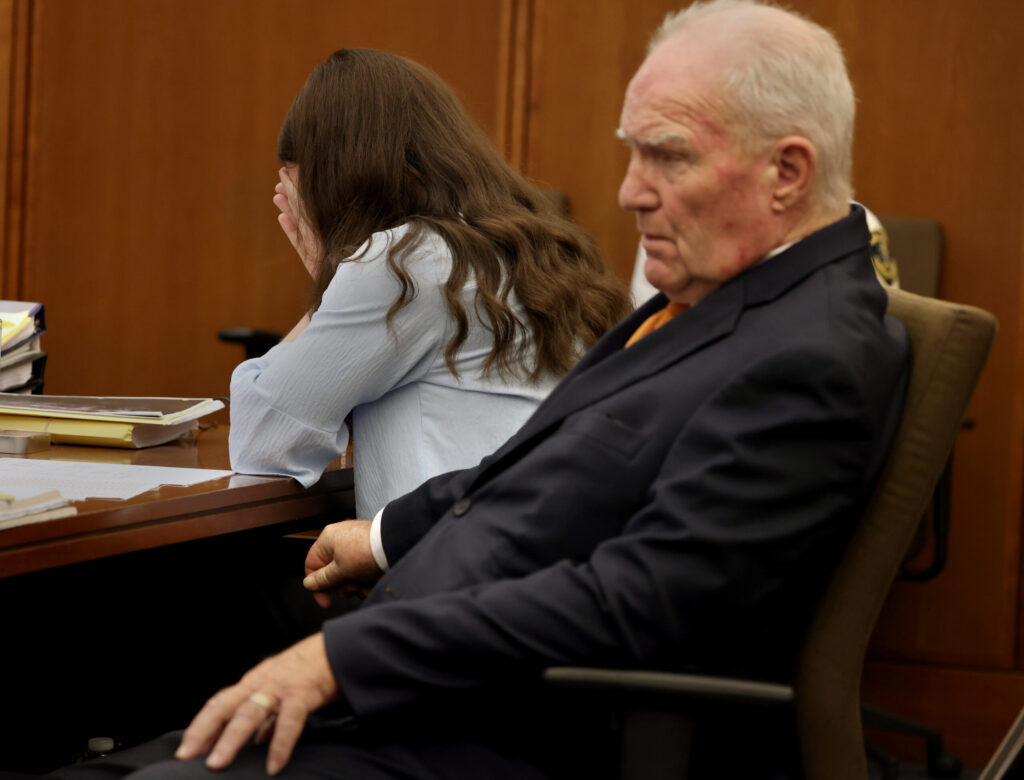
Lindsay Clancy’s attorney makes plea for pardon from Trump
Emily Hallas
emily-hallas@coloradopolitics.com
Updated 22 hours ago
Lindsay Clancy’s attorney urged President Donald Trump on Tuesday to give her a pardon before her murder case could head for another trial. Clancy is a Massachusetts woman who admitted to strangling her three young children in 2023 but argued...

Russia launches massive, deadly, and ‘complex’ attack against Ukraine
Washington Examiner Staff
washington-examiner-staff@coloradopolitics.com
Updated 22 hours ago
Fighting between Ukraine and Russia commenced after a 72-hour pause for diplomatic visits to both countries by U.S. officials. Russia launched a massive attack on Ukraine on Tuesday, firing dozens of cruise missiles and over 140 drones as the war...
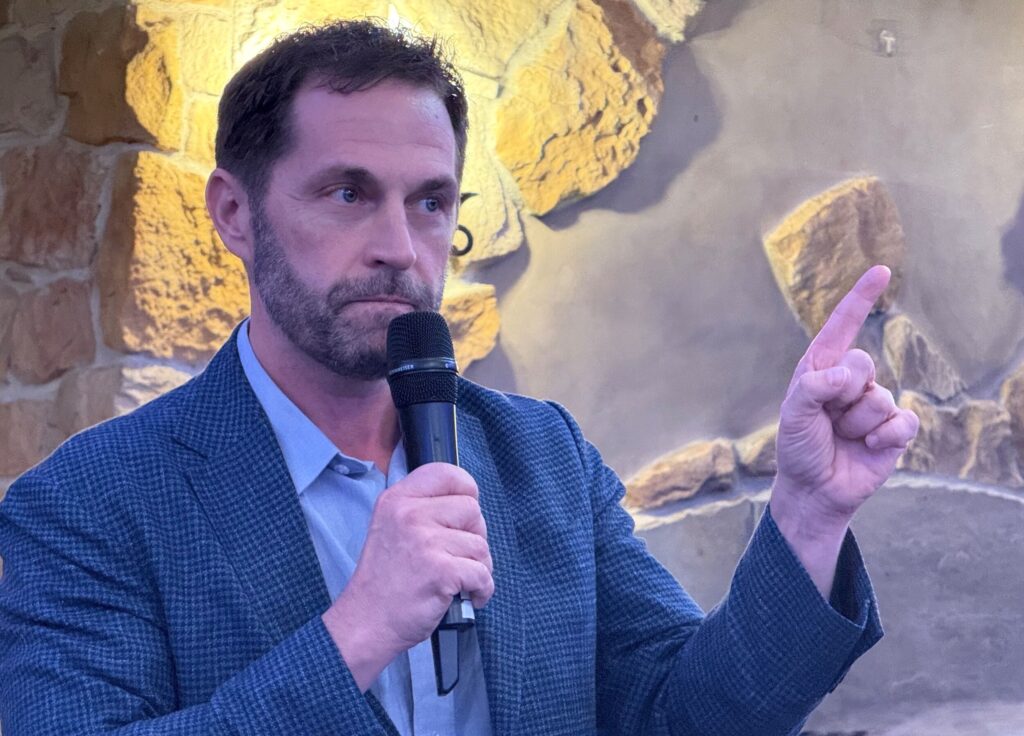
Jason Crow endorses Democrats up and down Colorado’s ballot, chips in $100K for campaign efforts
Ernest Luning
ernest.luning@coloradopolitics.com
Updated 15 hours ago
Democratic U.S. Rep. Jason Crow on Tuesday formally endorsed more than 60 Democrats running up and down Colorado’s ballot and said he’s putting $100,000 into statewide and county campaigns and organizing programs to drive turnout in the fall election. Crow,...
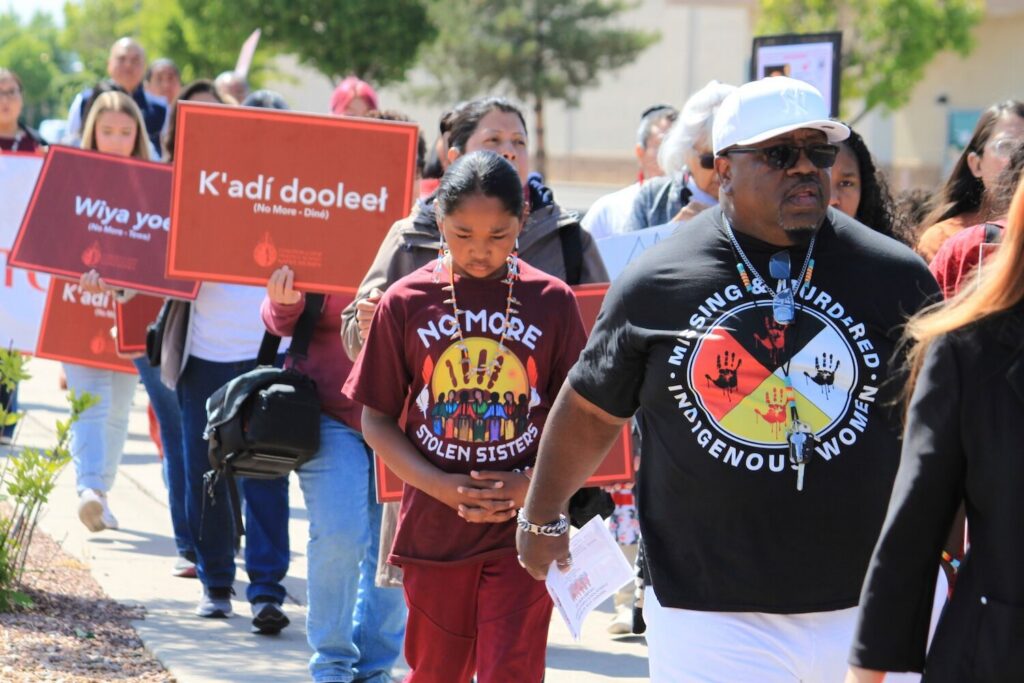
FBI sets $25,000 minimum reward for dozens of unsolved Indian Country cases | OUT WEST ROUNDUP
The Associated Press
the-associated-press@coloradopolitics.com
Updated 1 day ago
SOUTH DAKOTA Indian Country rewards set SIOUX FALLS — The Federal Bureau of Investigation has established a minimum reward of $25,000 in cases where people went missing or were killed in Indian Country, part of a broader effort to address...
PREV
PREVIOUS

Colorado lawmakers tear into Sessions, Justice Department decision to rescind policy on legal marijuana
U.S. Sen. Cory Gardner, a Colorado Republican, said on Twitter Thursday he’s “prepared to take all steps necessary” to block a reported move by Attorney General Jeff Sessions reversing federal policy that has has let states legalize recreational marijuana. His Democratic counterpart, Michael Bennet, said the decision will “create unnecessary chaos and confusion.” “This reported […]

Democrat Jared Polis says he'll go through caucuses and circulate petitions to get on primary ballot for governor
Democratic gubernatorial candidate Jared Polis said Thursday he plans to take two approaches to getting on Colorado’s June primary ballot – by going through the caucus and assembly process and by gathering petition signatures. He’s one of five leading Democrats running for the office held by term-limited Gov. John Hickenlooper. Two of the others – […]