

Hickenlooper seeks more money for transportation and rural K-12
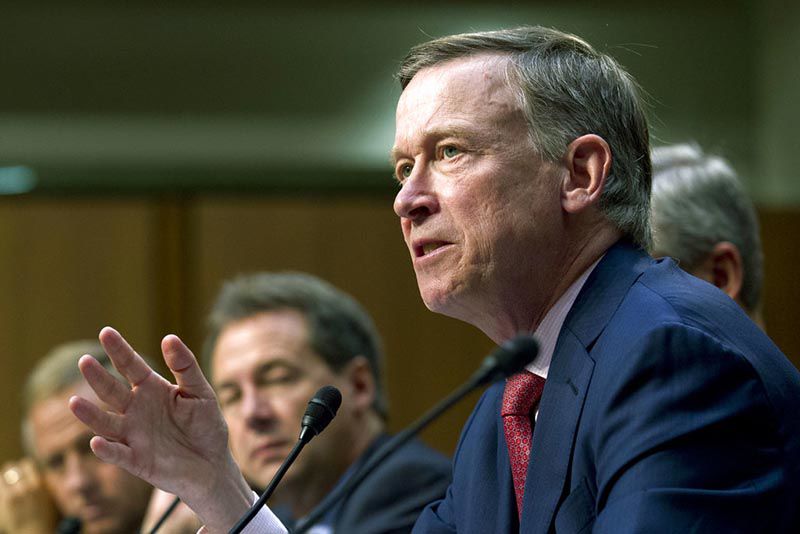
Rural schools could get an additional $30 million, on top of the $30 million granted through a 2017 bill, under a revised budget proposal submitted by Gov. John Hickenlooper Tuesday.
The money would come from higher taxes Coloradans will pay under the Tax Cuts and Job Act recently signed into law by President Donald Trump.
Hickenlooper is seeking permission to revise the state’s 2017-18 budget and to retool his 2018-19 proposal based on improved revenue numbers released last month.
The Dec. 20 report from the governor’s Office of State Planning and Budgeting (OSPB) said the state has an additional $179 million available for 2017-18 and about $106 million more for the following year.
Legislative Council economists predicted in December the state could see a bump of about $200 million in tax revenues in 2018-19 as a result of the federal Tax Cuts and Jobs Act, all of it coming from higher individual income taxes.
Hickenlooper said at the time that he would look at those extra dollars as a possible way to fund transportation and education, and Tuesday he made good on that pledge.
A letter submitted Tuesday by the governor’s budget guru, OSPB Director Henry Sobanet, to the Joint Budget Committee proposed spending an additional $85.8 million in the 2017-18 budget.
The proposal directs $30 million to rural schools on top of the $30 million that rural schools got from Senate Bill 17-267. Another $30 million would go to the School Finance Act, and $10 million of marijuana tax cash fund revenue would address teacher shortages through a joint program of the Colorado Department of Higher Education and the Colorado Department of Education.
Sobanet also proposed using an additional $256.5 million in the 2018-19 budget. He asked the JBC to use $108.3 million to increase the state’s General Fund reserve from 7 to 8 percent. The rest, $148.2 million, would go to the State Highway Fund for “high-priority state transportation projects.”
The next revenue forecast on March 20 will dictate just how much the state can spend in 2018-19. When those estimates are updated, Sobanet wrote, “We expect a clearer picture will emerge about the ongoing new revenue the State can reasonably expect” from the federal tax law. “These new resources should be prioritized for high-priority state infrastructure needs, additional support for K-12 education, and further building up our reserves.”
Democrats reacted with optimism to the revised budgets Tuesday. JBC Chair Rep. Millie Hamner, a Dillon Democrat, said, “Our state has no shortage of unmet needs. As the budget picture becomes clearer in the coming months, we will be seeking a balanced approach to investing any new state revenue to maximize the benefit to Colorado families.”
The money headed to transportation is seen as a down payment in a longer-term solution. Mike Kopp, CEO of Colorado Concern told Colorado Politics Wednesday that the request is a solid start, “but it is only a start.”
The state’s growing economy is producing record-setting revenue growth, Kopp, a former state senator, continued.
“We believe very strongly that the legislature should use a significant share of these new dollars to immediately address the state’s transportation deficit,” he said.
Kopp specifically identified projects along I-70, I-25 and “long-ignored rural highway priorities.”
But lawmakers and budget-writers also should make a “substantial, long-term investment in roads from their existing coffers,” Kopp added.
A ballot measure is still needed to deal with the full backlog of transportation projects, some $30 billion. Kopp also believes voters will be more likely to support a ballot measure that raises money for the “growing traffic mess if they know elected leaders have already done all they can with the financial resources they have.”

Colorado’s 661‑page budget read aloud after Rep. Bradley invokes procedural rule
Marianne Goodland
marianne.goodland@coloradopolitics.com
Updated 9 hours ago
A rarely used procedural move by Rep. Brandi Bradley, R‑Roxborough Park, has thrown the Colorado House into an extended slowdown, after she invoked her right to have the 661‑page state budget bill read aloud in full. While unprecedented, once Bradley...
Literal reading of budget bill complicates Colorado legislators’ plans for GOP assembly
Marianne Goodland
marianne.goodland@coloradopolitics.com
Updated 7 hours ago
Republican Rep. Brandi Bradley’s decision to force the full reading of the state budget — called the “long bill” for its obvious length — has not only slowed House business to a crawl but also disrupted her colleagues’ plans for...
10th Circuit provides guidance on police searches of cloud-based data
Michael Karlik
michael.karlik@coloradopolitics.com
Updated 9 hours ago
The Denver-based federal appeals court provided guidance to law enforcement agencies on Monday for ensuring that searches of cloud-based accounts comply with the Fourth Amendment’s requirements. A three-judge panel of the U.S. Court of Appeals for the 10th Circuit noted...

Inflation jumped to 3.3% in March as Iran war drove up oil prices
Zach Halaschak, Washington Examiner
zach.halaschak.washington.examiner@gazetteedit.wpenginepowered.com
Updated 12 hours ago
Inflation spiked in March, rising nine-tenths of a percentage point to 3.3% on the year, as towering energy prices drove up the headline number. The Bureau of Labor Statistics reported the update to the consumer price index on Friday. The...
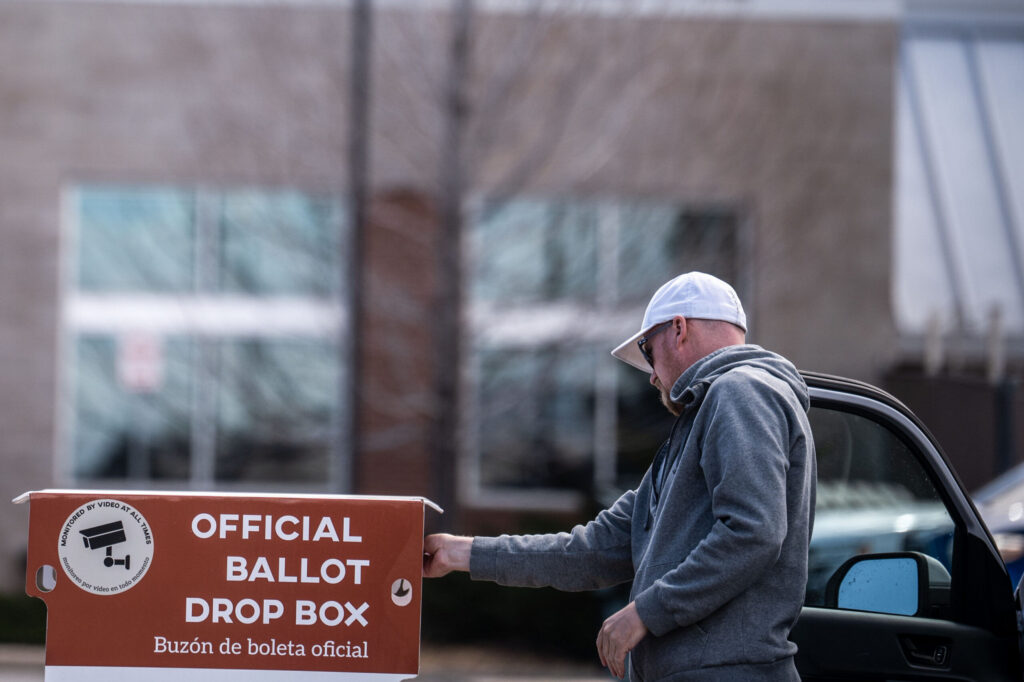
Colorado GOP votes down bid to ask court to prevent unaffiliated voters from voting in June primary
Ernest Luning
ernest.luning@coloradopolitics.com
Updated 9 hours ago
Members of the Colorado Republican Party’s executive committee rejected a proposal Thursday night to seek an emergency injunction in federal court to prevent unaffiliated voters from participating in the state’s upcoming June primary election. The proposed motion, backed by Colorado...
Federal judge releases man after 2 immigration judges disobey order
Michael Karlik
michael.karlik@coloradopolitics.com
Updated 14 hours ago
A federal judge released a man from immigration detention on Thursday after two different immigration judges disobeyed his order in the same case. “At this point, the Court has granted Respondents two bites at the apple to prove detention of...
City of Northglenn, state fail to reach agreement on mental health facility amid safety concerns
Marissa Ventrelli
marissa.ventrelli@coloradopolitics.com
Updated 8 hours ago
The City of Northglenn said it was unable to reach an agreement with the state on a pair of transitional living facilities for individuals with mental health conditions run by the Colorado Department of Human Services. The facilities, located across...
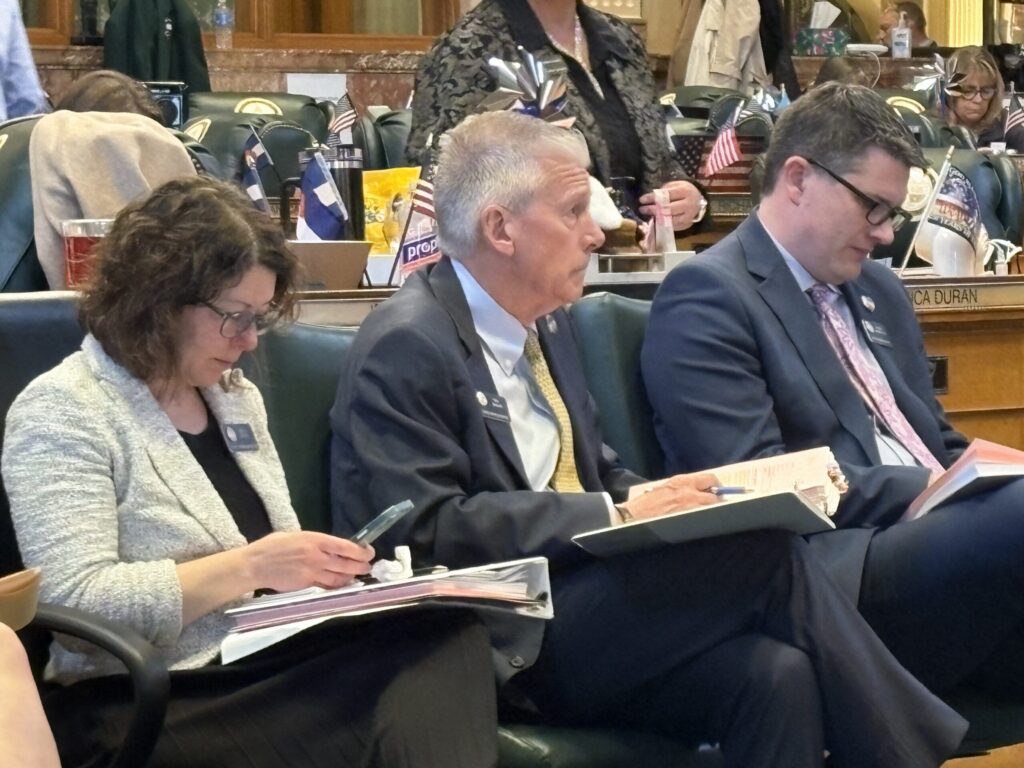
Colorado lawmakers grapple with spending cuts amid $1 billion-plus deficit
Marianne Goodland
marianne.goodland@coloradopolitics.com
Updated 1 day ago
The battle over Colorado’s budget for next year — which stalled in the House over a procedural maneuver — entered a more difficult phase on Thursday, when legislators grappled with hundreds of millions of dollars in proposed reductions to balance...
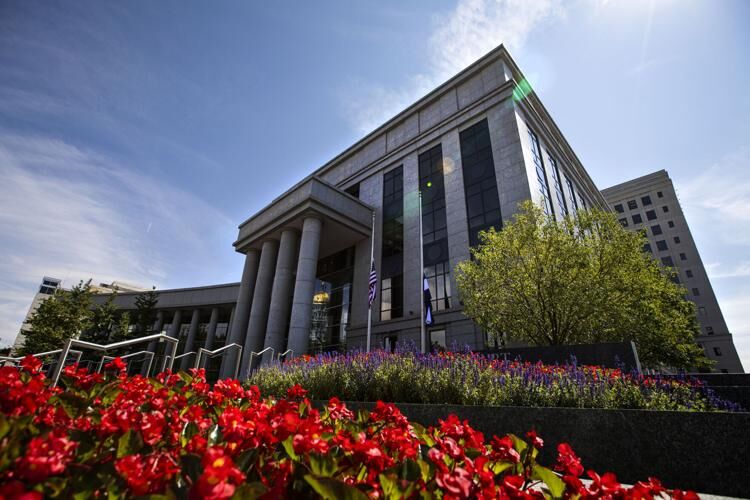
New rules for private judges in Colorado include discipline oversight, campaign contributions
David Migoya
david.migoya@gazette.com
Updated 3 hours ago
The Colorado Supreme Court recently determined the state’s private judges — retired jurists appointed to oversee civil cases that rarely get public scrutiny — can now make political contributions freely and without reserve, overruling a prohibition that had been in...
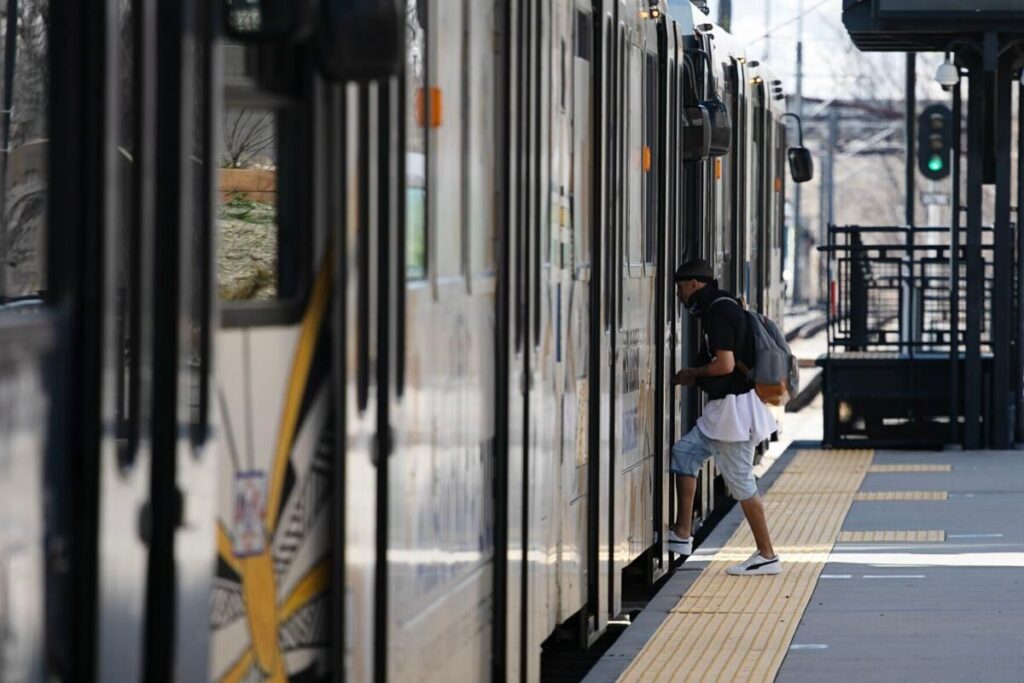
Colorado bill reshaping RTD board advances
Marissa Ventrelli
marissa.ventrelli@coloradopolitics.com
Updated 1 day ago
A proposal to reshape the Regional Transportation District’s leadership easily cleared a committee vote Wednesday, advancing the bill sponsors say is needed to revive a transit system still struggling to regain riders and public trust. Critics have countered that, while...
PREV
PREVIOUS

Williams to sponsor bill to protect consumers from credit reporting agencies
UPDATED with comment from Rep. Williams on credit alternatives. More than 145 million Americans woke up on Sept. 8 to find that their personal data, including Social Security numbers, birth dates, addresses and, in some instances, driver’s license numbers had been stolen through a security breach at the credit reporting agency Equifax. Rep. Dave Williams […]

Republican congressional candidate Owen Hill to accept campaign contributions in bitcoin
Republican congressional candidate Owen Hill is accepting campaign contributions in bitcoin – to encourage participation in his race by the widest possible audience, the Colorado Springs state senator said Wednesday. Starting this week, donors to Hill, challenging U.S. Rep. Doug Lamborn in a crowded GOP primary, can send money his way using a check, credit […]