

Denver, Aurora, Colorado Springs get low marks on police body camera policies

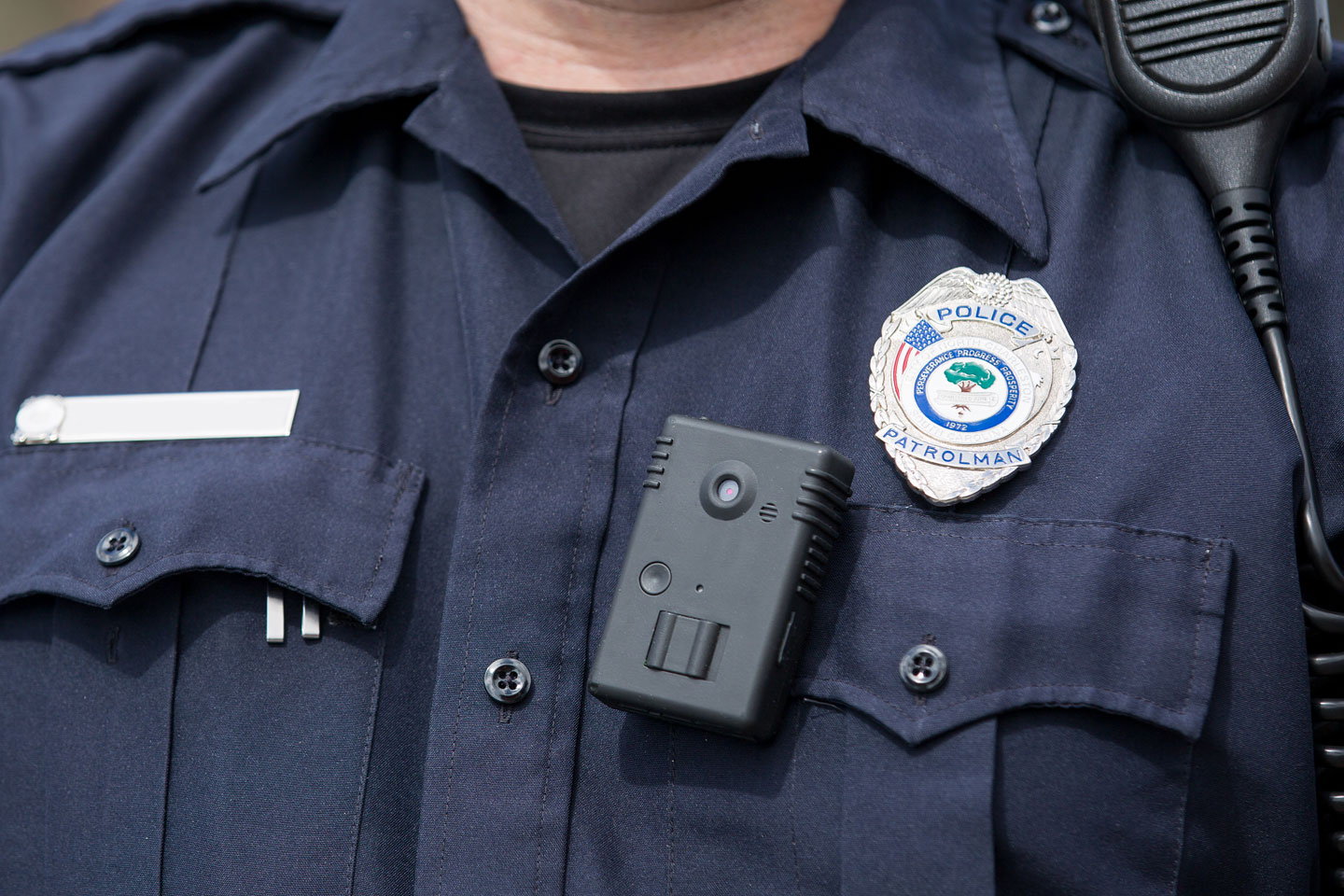
Policies and practices on use of police body cameras in Denver and Aurora fared poorly in a new scorecard issued Tuesday by The Leadership Conference on Civil and Human Rights. But Colorado Springs did even worse, according to the scorecard.
The Leadership Conference, in their report, “The Illusion of Accuracy,” claimed that “by providing first-hand evidence of interactions between officers and the public, these cameras could enhance transparency, improve accountability, and foster greater public trust in local law enforcement. Yet, the promise of these cameras is not guaranteed.” Without strong departmental policies, the report said, “there is a real risk that body-worn cameras could be used in ways that threaten civil and constitutional rights and intensify the disproportionate surveillance of communities of color.”
The organization’s report included evaluations of 75 municipal and county law enforcement agencies, based on eight metrics, including departmental policies, officer discretion, privacy protections, tampering or misuse of footage and public access to footage. The criteria used in the scorecard comes from a coalition of civil rights, policy and media groups, first developed in 2015.
According to a statement released Tuesday, the jurisdictions reviewed “include the nation’s largest police departments with body-worn camera programs, programs that have received significant funding from the Department of Justice, and programs in cities that have been under scrutiny due to high-profile incidents of police violence.”
Denver’s police department received two positive marks: its publicly-available policy and that the policy spells out protections for “categories of vulnerable individuals,” such as victims of sex crimes, from being recorded without their consent. The department, however got the lowest possible ratings for limitations on retention of footage and its refusal to make footage available to citizens who file complaints. According to the report, Denver does not receive DOJ funding.
In response, DPD spokesman Doug Schepman told Colorado Politics that the police department “believes its body-worn camera policy reflects what is best for our community. Like all Department policies, it is a living document and subject to review at any time to make it more effective.”
Aurora also didn’t do well on the report, earning a positive mark in only one of the eight areas, on having a publicly-available department policy on body cams. The department got five red marks, the lowest rating, for its limitations on retaining footage, no policy on protections against tampering or misusing footage, and its refusal to allow recorded individuals to view footage.
Colorado Springs had the worst rating among Colorado law enforcement, earning red marks on seven of the eight areas of focus, including a department policy on body cameras that isn’t readily available to the public, no prohibitions on police officers reviewing footage prior to release, and no protections against footage being tampered with or misused.
There was one police department in the state that generally got high marks in the report: Parker, Colorado, which was rated highly on its department policy, privacy protections, public access to footage and safeguards against tampering and misuse.
The Colorado General Assembly updated state law on use of body cameras by police in 2015. The Aurora and Colorado Springs police departments did not immediately provide a response to the report.
Photo credit: Penn State University, via Creative Commons License, Flickr

Democratic ballots outpace Republicans’ as Colorado’s primary vote starts to trickle in
Ernest Luning
ernest.luning@coloradopolitics.com
Updated 8 hours ago
With less than two weeks left before ballots are due in Colorado’s primary election, election officials have logged in ballots from just under 6% of the state’s 4 million active, registered voters, the Colorado Secretary of State’s Office said Thursday....
Colorado court upholds murder conviction despite jury disobeying instructions
Michael Karlik
michael.karlik@coloradopolitics.com
Updated 12 hours ago
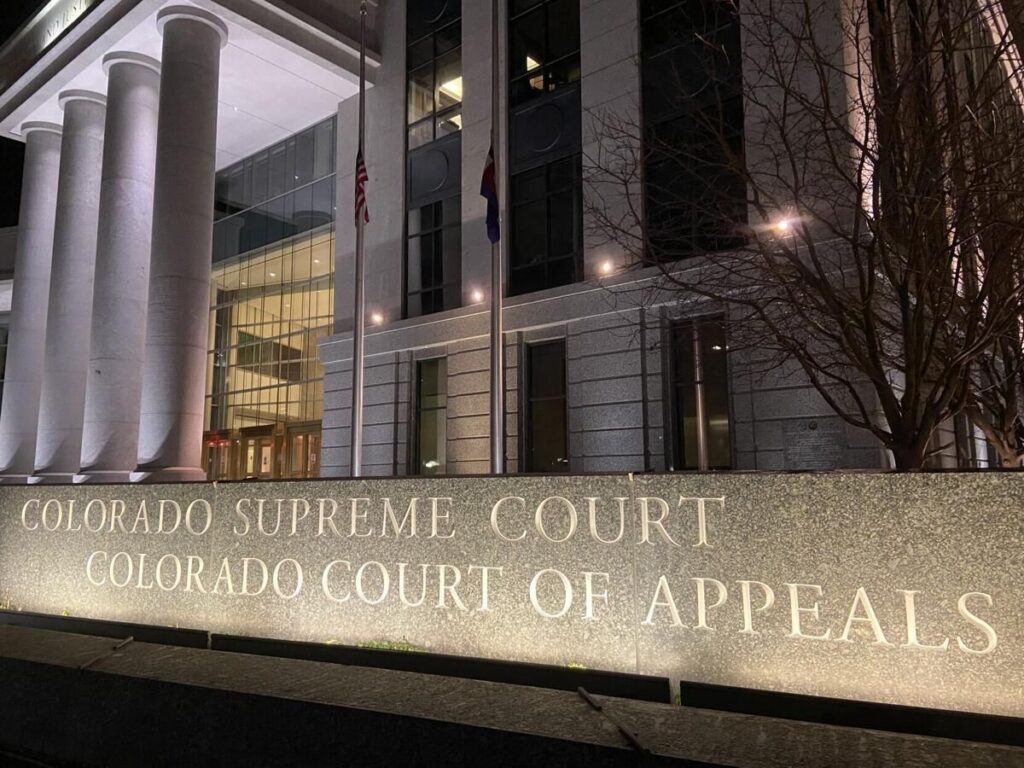
Colorado’s second-highest court upheld an Arapahoe County defendant’s murder conviction last month, even though jurors found he was not the one who shot the victim and the evidence suggested he was not present for the shooting. A three-judge Court of...

July 1 brings new Colorado rules on ammunition purchases, wildfire‑risk scoring and wildlife enforcement
Marissa Ventrelli
marissa.ventrelli@coloradopolitics.com
Updated 15 hours ago
Colorado will usher in a new set of laws on July 1 that touch everything from ammunition sales to insurance transparency and wildlife trafficking enforcement Here is a look at some of the state’s new laws: Ammunition sales Sponsored by...
Divided appeals court reverses conviction after judge declined to define ‘bludgeon’
Michael Karlik
michael.karlik@coloradopolitics.com
Updated 17 hours ago
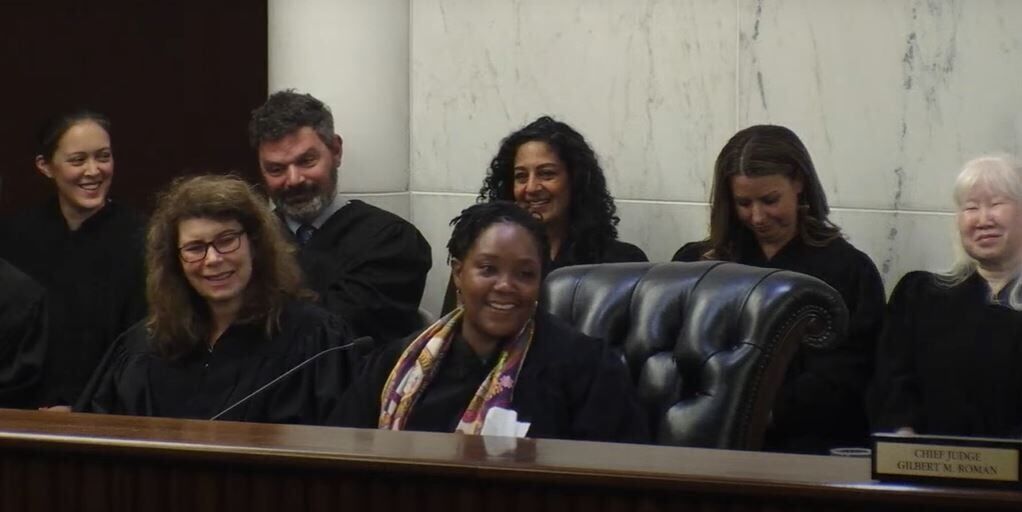
Colorado’s second-highest court reversed a Jefferson County defendant’s felony menacing conviction on Thursday, concluding that the trial judge’s failure to define “bludgeon” for jurors may have affected the outcome. A three-judge Court of Appeals panel divided in unusual ways in...

Poll finds majority believe US military action against Iran was a mistake
Brady Knox, Washington Examiner
brady.knox.washington.examiner@gazetteedit.wpenginepowered.com
Updated 16 hours ago
A poll found a wide majority of U.S. voters believed the decision to launch military action against Iran was a mistake. The Beacon Research and Shaw & Company Research poll for Fox News was conducted from June 12-15, meaning many...

For Vance, Iran deal presents opportunity and risk
W. James Antle III Washington Examiner
wjamesantleiiiwashingtonexaminer@wpstage.coloradopolitics.com
Updated 19 hours ago
Vice President JD Vance has a lot riding on the deal to end the war in Iran. The memorandum of understanding between the United States and Iran came together at the outset of Vance’s book tour, but that’s not the...
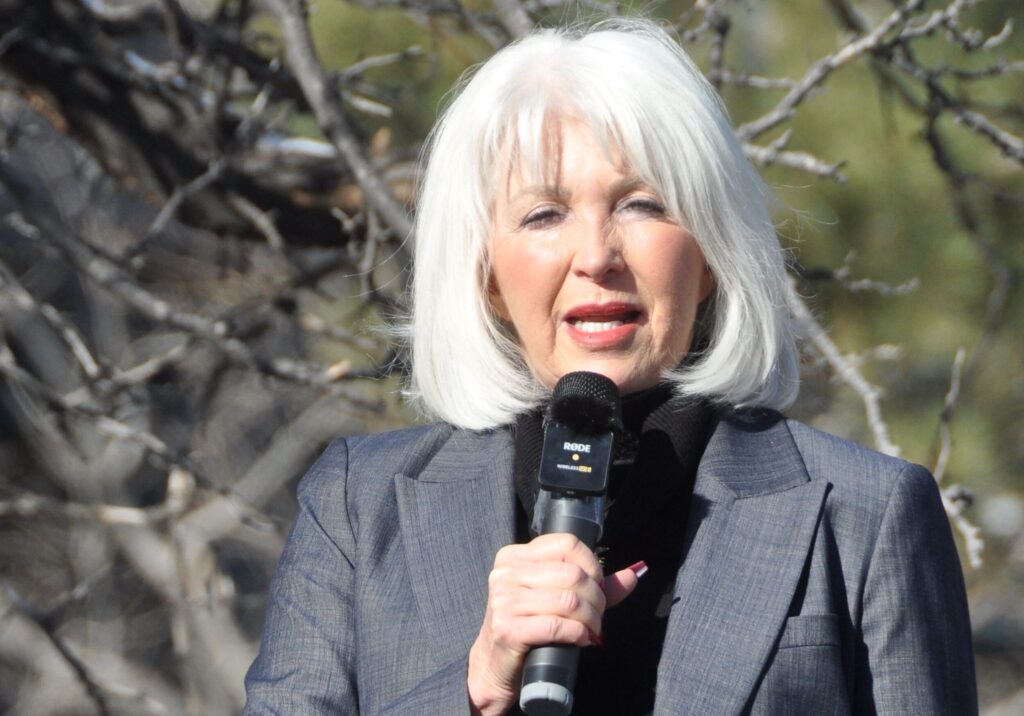
10th Circuit dismisses Tina Peters’ challenge to confinement as moot
Michael Karlik
michael.karlik@coloradopolitics.com
Updated 8 hours ago
The Denver-based federal appeals court granted the state’s unopposed request on Wednesday to dismiss former Mesa County clerk Tina Peters’ challenge to her confinement as moot. Although Peters received a commutation of her prison sentence last month from Gov. Jared...
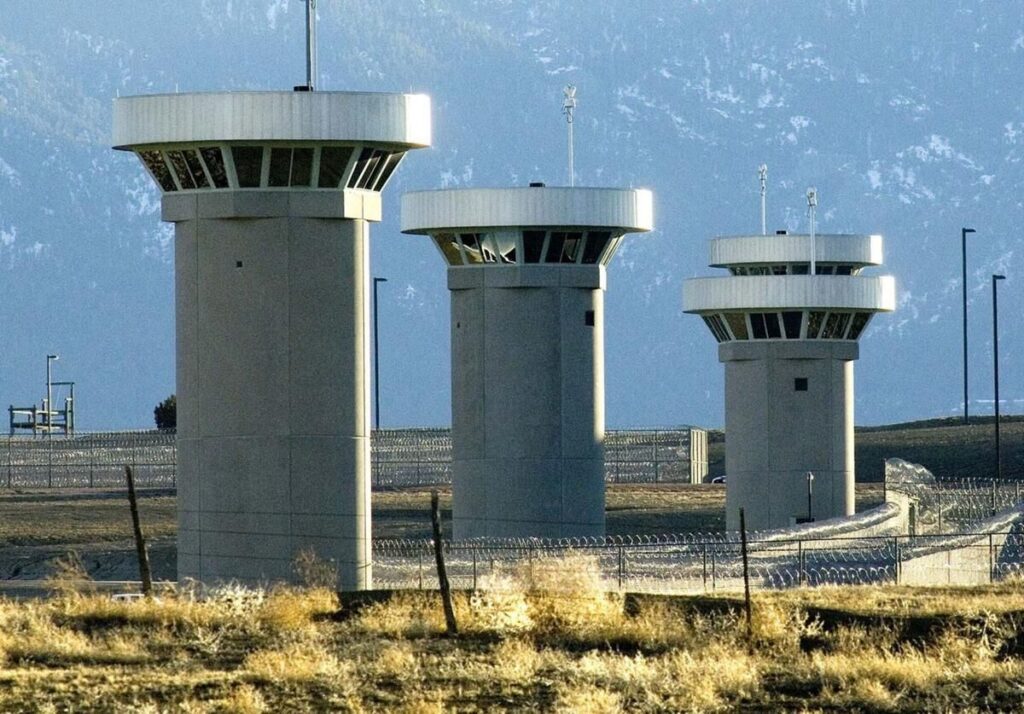
Federal judge declines to recuse from death penalty case after Supermax visit
Michael Karlik
michael.karlik@coloradopolitics.com
Updated 10 hours ago
A federal judge declined to recuse herself last month from a death penalty case arising out of Colorado’s “Supermax” prison, finding that her tour of the facility earlier this year did not bias her decision-making. U.S. District Court Judge Charlotte...

Amid public pressure, Colorado candidates tackle social media regulations for minors
Bethany Johnson
bethany.johnson@denvergazette.com
Updated 18 hours ago
Following the accidental overdose of her daughter in 2020, Patti Lujan pursued a lawsuit against Snapchat, the social media platform that, she claimed, connected her daughter with a drug dealer. In a news release announcing the lawsuit, Lujan alleged that...

Denver gets more time to answer FAA questions in probe regarding Key Lime lease denial
Deborah Grigsby
deborah.smith@denvergazette.com
Updated 17 hours ago
The City of Denver has asked the Federal Aviation Administration for additional time to gather information and prepare its response to the federal agency’s investigation of the city’s 2025 denial of a Denver International Airport ground lease expansion for Key...