

Election Day was a game changer for key Colorado school districts

This turned out to be the year the teachers unions staged a comeback. Long on the defensive and losing members in Colorado and across the country amid expanding school choice and a rapidly shifting public education landscape, the unions dug in their heels. They opened their coffers and pushed back hard in Tuesday’s election against proliferating reforms like charter schools, performance pay, new accountability measures and in one district, school vouchers, all of which they have bitterly opposed.
And they regained a lot of ground:
A confluence of factors led to the union-driven victories.
Without a doubt, the deep pockets of the unions – the American Federation of Teachers, the National Education Association and their Colorado affiliates – played a pivotal role. Yet, that spending was matched and, in Denver Public Schools races, topped on the other side by well-heeled, pro-reform organizations and activists like Democrats for Education Reform and philanthropists Alex Cranberg, Pete Coors and Ed McVaney. In overwhelmingly Republican DougCo, the GOP played a big role in supporting the pro-reform board, too.
At least as instrumental in the gains of the anti-reform slates was an aggressive ground game. Organized labor’s inherent strength, after all, is organizing. And mobilizing. And it had a built-in network of motivated foot soldiers among teachers and other school staffers disaffected by reforms and, in DougCo, aggrieved at the loss of their collective-bargaining agreement several years ago at the hands of board reformers.
Also in play was the prevailing political climate in the era of the Trump presidency, which seeped into local board races to a degree that was arguably unprecedented. Particularly in decidedly Democratic Denver as well as in swing-voting Aurora, the polarizing president and his lightning-rod education secretary, Betsy DeVos, became bones of contention exploited by movement Democrats at the local level.
The war of words in the Denver races took on an almost ironic tone as candidates and their backers on each side – all registered Democrats – jockeyed for position as to who was more anti-Trump. Mailers and public statements, some the handiwork of independent committees, attempted to align pro-reform candidates – even board incumbent Barbara O’Brien, a former Democratic lieutenant governor and longtime liberal children’s advocate – with Trump administration education policies.
What’s the upshot of Tuesday’s potential game changer for some of Colorado’s largest school districts – and in some ways for the whole state?
One other thing appears certain: The fight over education reform will go on. Both sides have invested way too much – and believe there is too much at stake – to give up. And pro-school choice Democrats will be especially motivated to return to the fray. For them, it’s not only hard-won education reforms that are at risk but also the trajectory of their own party – a party whose last two U.S. presidents were committed advocates of charter schools.


Democratic group aims Spanish-language TV ad at Gabe Evans in Colorado’s battleground 8th CD
Ernest Luning
ernest.luning@coloradopolitics.com
Updated 2 hours ago
A national group tied to House Democratic leadership launched a six-figure Spanish-language TV ad in Colorado this week targeting Republican U.S. Rep. Gabe Evans and the GOP’s signature budget legislation. The 30-second spot is part of $15 million in new...

Colorado School of Mines lands major share in Trump’s $100M mining-education plan
Thelma Grimes
thelma.grimes@coloradopolitics.com
Updated 3 hours ago
President Donald Trump on Friday named the Colorado School of Mines among roughly a dozen institutions that will share in a $100 million commitment “to train the next generation of American miners.” Paul Johnson, the university’s president, said he is...

Local party leaders, incoming judge among members of judicial performance commission that violated law
Michael Karlik
michael.karlik@coloradopolitics.com
Updated 4 hours ago
A local Democratic leader and 2024 presidential elector. A legislative aide and leader in the Young Republicans. An incoming county court judge freshly appointed by the governor. They are among the eight members of the northeastern Colorado judicial performance commission...
Judge dismisses lawsuit seeking records from Colorado Democratic group
Marianne Goodland
marianne.goodland@coloradopolitics.com
Updated 4 hours ago
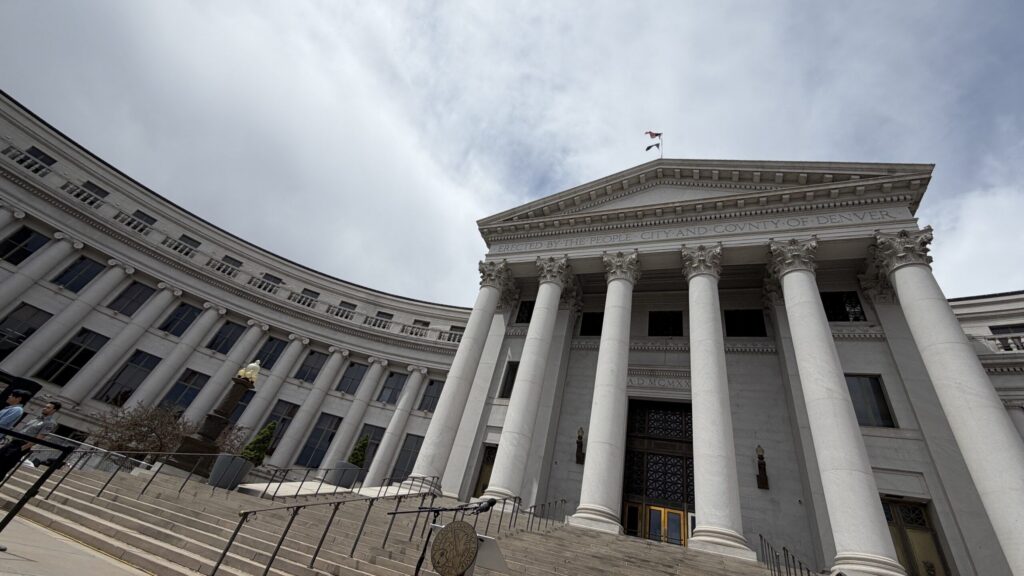
A lawsuit seeking to obtain records from Democratic lawmakers affiliated with a caucus has been thrown out by a Denver District Court judge. On July 17, Judge Ericka Englert dismissed the April lawsuit filed by progressive activist Derrick Blanton, who...

DOJ official decries ‘nonsense’ in Jeffco schools at fundraising gala
Matt Kyle
matt.kyle@denvergazette.com
Updated 9 hours ago
Amid a legal battle between Jeffco Public Schools and the federal government, a Department of Justice official spoke at a fundraising gala and decried “crazy stuff” and “nonsense” in the school district. The gala was for Jeffco Kids First, an...
Colorado Springs mother Deborah Nicholls’ murder conviction overturned
Nick Smith
nick-smith@coloradopolitics.com
Updated 1 day ago
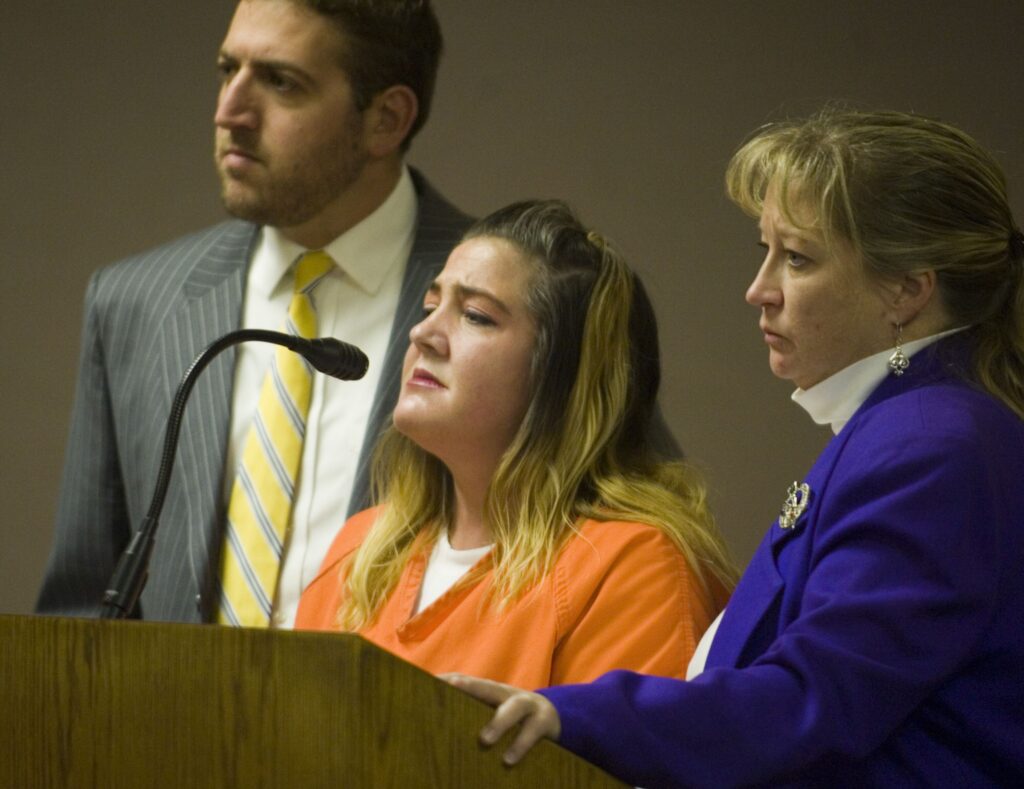
A Colorado Springs mother convicted in 2008 of murdering her three children in a house fire might get a new trial after a judge ruled that prosecutors withheld key evidence that could have impacted the jury’s verdict. Deborah Nicholls, whose...

Aurora Community College student journalist accuses college of ‘unconstitutional gag order’
Kyla Pearce
kyla.pearce@gazette.com
Updated 11 hours ago
An Aurora Community College student is accusing the college of putting an “unconstitutional gag order” on his student-run publication, saying the college banned it from publishing until students jumped through “countless bureaucratic hoops.” A college spokesperson said the college is...

Polis administration relaunches Colorado e-bike rebates with $3 million
Scott Weiser
scott.weiser@gazette.com
Updated 6 hours ago
Gov. Jared Polis and the Colorado Energy Office announced Thursday the return of the state’s popular e-bike rebate program, with registration set to open later this month. The office plans to provide point-of-sale rebates totaling $3 million from the Community...
Colorado court overturns illegal $7,000 restitution order
Michael Karlik
michael.karlik@coloradopolitics.com
Updated 46 minutes ago
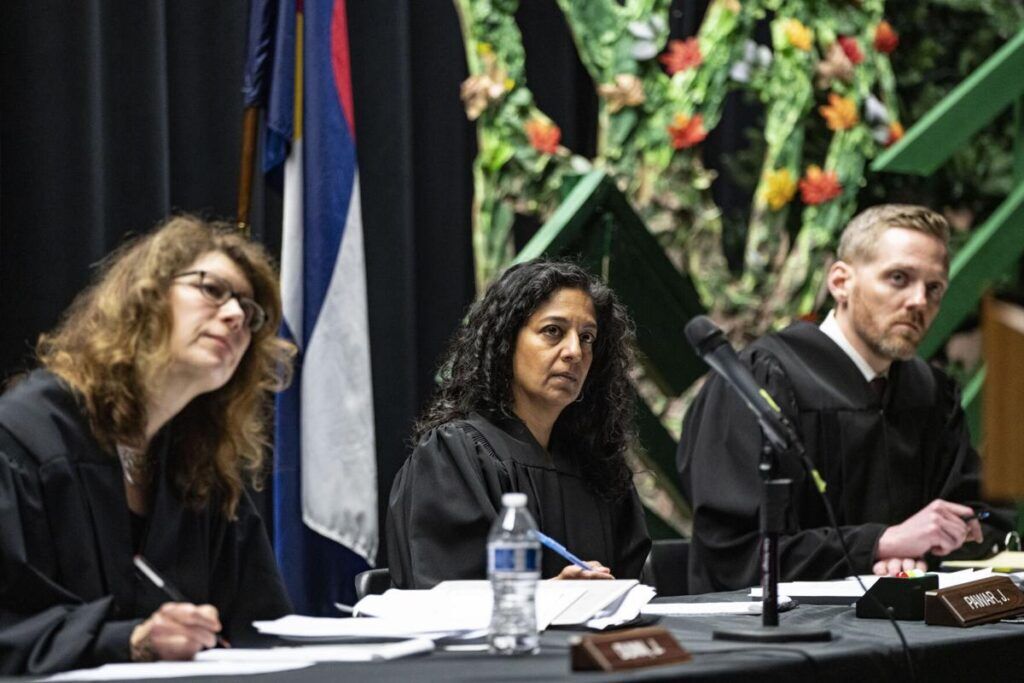
Colorado’s second-highest court overturned a Weld County defendant’s obligation to pay more than $7,000 in crime victim restitution on Thursday because a trial judge failed to issue a legally compliant restitution order at the time of sentencing. In Colorado, as...
Appeals court rejects former DougCo commissioner’s legal fee claim
Nicholas Fogleman
nicholas.fogleman@denvergazette.com
Updated 11 hours ago
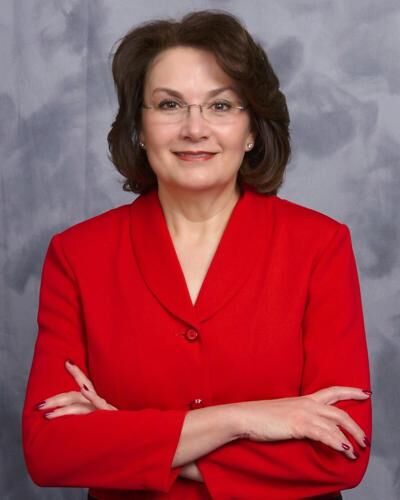
The Colorado Court of Appeals rejected a former Douglas County commissioner’s bid for reimbursement of attorney fees she incurred while responding to multiple investigations into her conduct. The dispute stemmed from a 2019 anonymous letter sent to county officials alleging...
PREV
PREVIOUS

Denver bond proposal for nearly $1 billion in infrastructure upgrades sails to early victory
A nearly $1 billion dollar bond proposal sailed to victory Tuesday night as Denver voters approved a finance package for infrastructure improvements throughout the city. “From the very beginning, this has always been the people of Denver’s bond,” Denver Mayor Michael Hancock said. The package represents what people want and need in their neighborhoods to […]

19-year-old Denver Public Schools board candidate Tay Anderson: ‘I’ll continue to fight’
Soon after the first round of results had posted at about 7 p.m. Tuesday, Auontai “Tay” Anderson, a candidate for a northeast Denver school board seat, spoke to the crowd gathered to watch election night returns at a popular food incubator in Denver’s trending RINO neighborhood. Anderson, a May graduate of Manual High School – […]