

Environmental groups sue to block Front Range reservoir
A group of environmental groups Thursday filed a lawsuit in U.S. District Court in Denver to block the Windy Gap Firming Project, a project being developed by the Northern Colorado Water Conservancy District that would divert water from the Colorado River to the northern Front Range, beginning around 2022 or 2023.
The environmental groups suing the conservancy district include the Save the Colorado and Save the Poudre River coalitions, WildEarth Guardians and Waterkeepers Alliance. They are represented by the University of Denver’s Environmental Law Clinic.
The existing Windy Gap project consists of a diversion dam on the Colorado River, about 10 miles west of Granby. The dam creates the 445-acre-foot Windy Gap Reservoir, a pumping plant and a six-mile pipeline to Lake Granby.
During wet periods, when Lake Granby is full, the pump plant cannot operate due to lack of reservoir storage. The Windy Gap Firming Project would build a new reservoir, known as Chimney Hollow, to be located near Carter Lake west of Loveland. Once completed, Chimney Hollow could hold up to 90,000 acre-feet of water. An acre-foot of water is 326,000 gallons, about the amount of water used by two families of four in a year.
The Chimney Hollow reservoir received its final approval from the U.S. Army Corps of Engineers last May. Construction is expected to begin in 2019, with an estimated cost of $400 million, paid for by the 12 water providers and municipalities the reservoir would serve.
In a statement, the coalition said the Colorado River in Grand County “already loses 70 percent of its flow by the time it reaches the town of Hot Sulphur Springs. If the Windy Gap Firming Project is built – along with Denver Water’s proposed Moffat Project – that loss would reach 80 percent.”
Gary Wockner of Save the Colorado said that draining 80 percent of the water from the Colorado “is ecological annihilation. If you try to further dam and drain the Colorado River or its tributaries, we will do everything we can to stop you.”
Wockner added that water agencies that need more water need to focus on conservation, water recycling and leasing or buying water from farmers.
The coalition also blasted the U.S. Bureau of Reclamation and the Corps for what the coalition called an “inadequate” environmental review of the project. That included a lack of examination of alternatives to the project, according to the announcement.
But Brian Werner, a spokesman for Northern Water, told Colorado Politics that the Windy Gap Firming Project has the buy-in of environmental group Trout Unlimited, as well as support from Grand County. The project “took years of delicate negotiations, including times when we didn’t even want to look at each other, to get to point that Grand County and Trout Unlimited are supportive.”
Werner added that there’s never been another water project in the history of Colorado that had support from the county of supply, Grand County, an endorsement from a major environmental group, and an endorsement from the governor.
“We put together one of the most robust mitigation plans ever done,” he said. “The Colorado River below Windy Gap is better off with the project than it is today.”


Trump lowers flags to half-staff for Dolly Parton: ‘The World loves you’
Naomi Lim
naomi-lim@coloradopolitics.com
Updated 8 hours ago
President Donald Trump is honoring the life of country music legend and philanthropist Dolly Parton by ordering federal buildings across the country to lower flags to half-staff for a week. “Very sad to report that Dolly Parton, one of the...
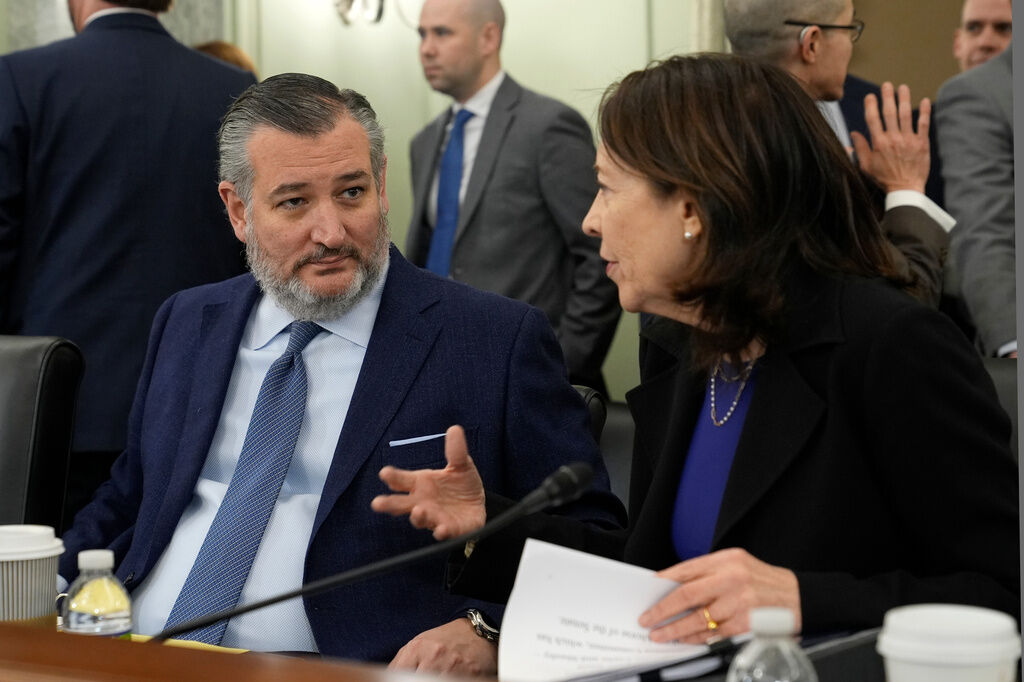
Ted Cruz suggests GOP realignment coming after Trump leaves office
Emily Hallas
emily-hallas@coloradopolitics.com
Updated 8 hours ago
Sen. Ted Cruz (R-TX) on Monday suggested the Republican Party could embrace a directional shift after President Donald Trump leaves office, a transition that promises to leave a gaping hole in the GOP. Cruz is known as a critical ally...
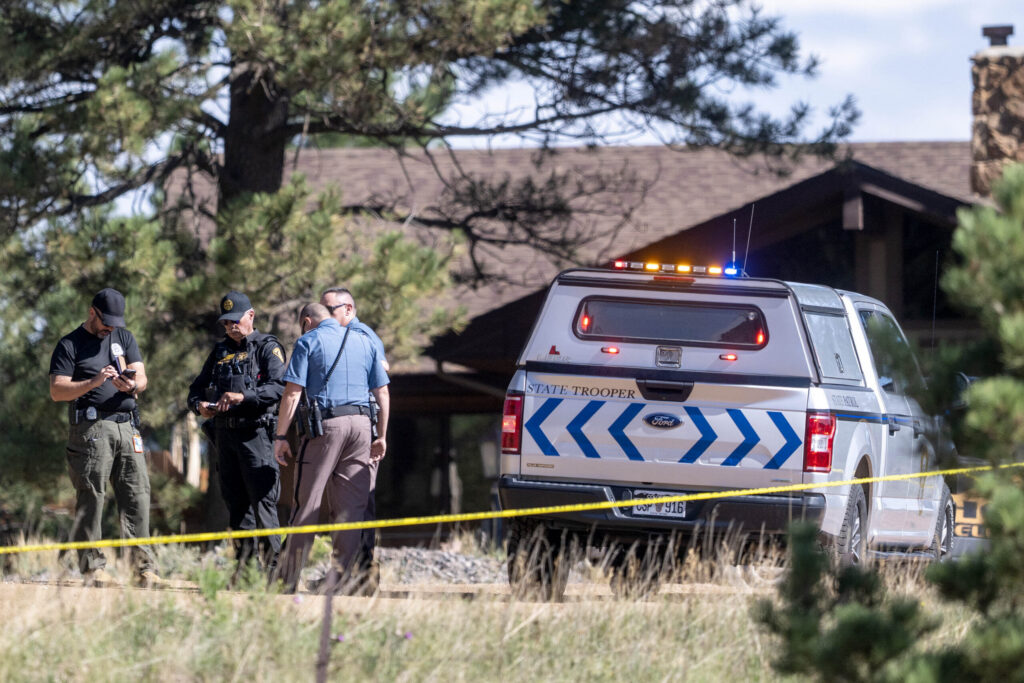
2 Colorado State troopers shot near Woodland Park; suspect killed
DEBBIE KELLEY
debbie-kelley@coloradopolitics.com
Updated 8 hours ago
Two Colorado State Patrol troopers were hospitalized, and a suspect is dead after a shooting during a traffic stop Tuesday. The initial incident happened at about 7:15 a.m., when a resident reported suspicious activity in the area near milepost 286...

Aurora moves forward with data center regulations
Kyla Pearce
kyla.pearce@gazette.com
Updated 8 hours ago
The Aurora City Council approved moving forward with two new regulations on data centers and directed staff to come back at the next study session with others. At a council meeting in early August, council members directed city management to...

Aurora City Council considers stricter food truck regulations
Kyla Pearce
kyla.pearce@gazette.com
Updated 8 hours ago
The Aurora City Council is considering passing laws to limit the number of food trucks on properties in the city and how and when they operate. Councilmember Angela Lawson, who sponsored the ordinance, said she understands the importance of food...
Denver murder conviction reversed for incomplete self-defense instruction
Michael Karlik
michael.karlik@coloradopolitics.com
Updated 6 hours ago
Colorado’s second-highest court reversed a defendant’s murder conviction last week because a Denver judge gave an incomplete instruction to the jury about the man’s right to self-defense. Donald R. Gonzales and Gary McLaughlin met up in a Capitol Hill parking...
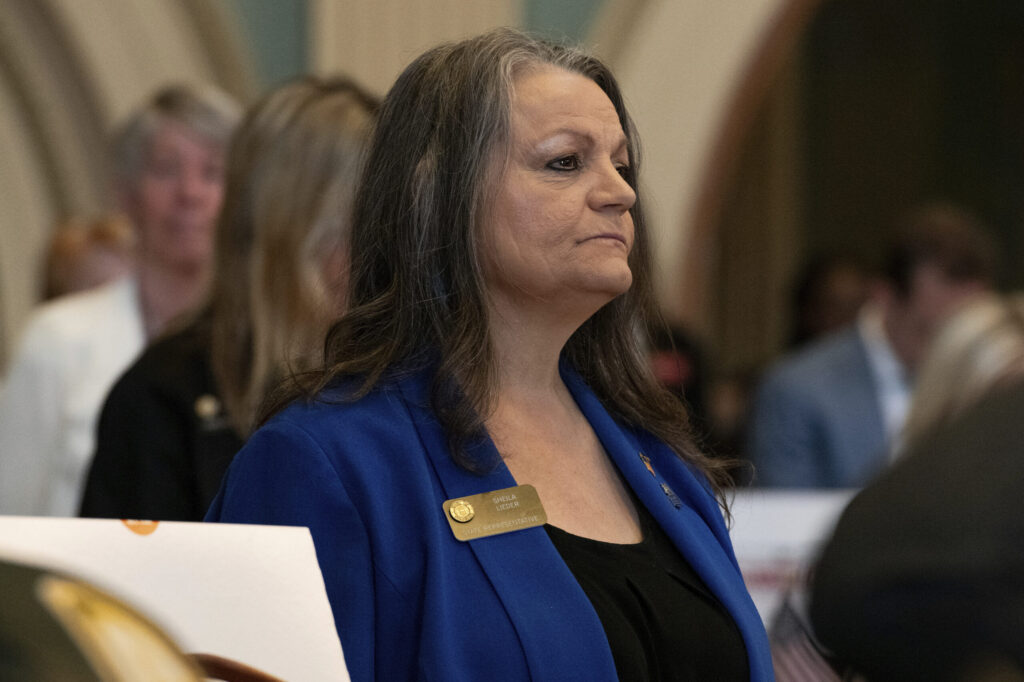
Colorado lawmaker, House leaders named in workplace-retaliation lawsuit
Marianne Goodland
marianne.goodland@coloradopolitics.com
Updated 9 hours ago
A former legislative aide has filed a lawsuit alleging she was mistreated, illegally directed to perform campaign work and harmed by a House leadership structure she charged was fragmented, politicized and ineffective at protecting employees. The lawsuit, filed by Jennifer...

Secret Service confirms awareness of Iranian state media video threatening Barron Trump’s life
The Associated Press
the-associated-press@coloradopolitics.com
Updated 13 hours ago
WASHINGTON (AP) — The U.S. Secret Service has confirmed it is aware that Iranian state media has aired a video that appears to threaten the life of Barron Trump, President Donald Trump’s youngest son. “The U.S. Secret Service is aware...
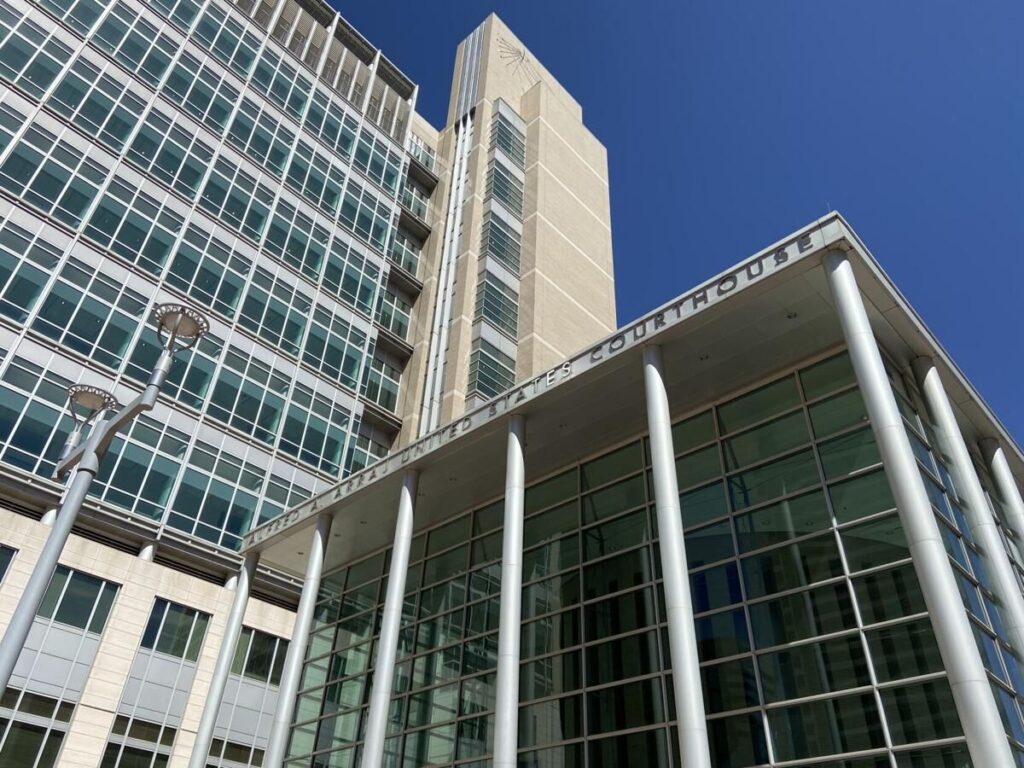
Federal judge hears arguments about Colorado’s 3-day gun purchase waiting period
Michael Karlik
michael.karlik@coloradopolitics.com
Updated 13 hours ago
A federal judge heard arguments on Monday about the constitutionality of a 2023 Colorado law that generally imposes a three-day waiting period on firearm purchases after the initiation of a background check. The test that the U.S. Supreme Court created...

Denver auditor finds oversight failures in $175.6M 16th Street project
Nico Brambila
nico.brambila@denvergazette.com
Updated 8 hours ago
Surprise historic sewer discovery delayed completion a year, cost $18M The Denver Auditor recently found significant oversight and contracting problems with the $175.6 million 16th Street Improvement Project, including an $18 million contract increase and a nearly one-year extension that...