

Denver liquor, pot license hearings to see changes
Proposed changes to the City and County of Denver’s hearings for liquor, live music and entertainment and marijuana licenses — described as chaotic under current procedures — include requiring more signatures to hold evening hearings, time limits for those hearings and formal training for hearing officers.
The changes were recently explained to the Denver City Council’s Business, Arts, Workforce and Aeronautical Services Committee, and a public hearing on the proposed changes is planned for Tuesday, May 2.
Councilwoman Kendra Black suggested a more formalized process would be helpful, and described one hearing she attended as “total chaos.”
Ashley Kilroy, executive director of the city’s Department of Excise and Licenses, said that while the department issues licenses for a variety of businesses, it holds hearings only on liquor, live music and entertainment, or cabaret, and marijuana licenses. Kilroy noted both city and state licenses are needed to operate a marijuana business.
The department manages licensing for a broad range of businesses, including retail and wholesale food operations, emergency and non-emergency vehicles, pedal cabs and peddlers, liquor and cabaret, medical marijuana centers and retail marijuana stores.
Kilroy explained the department held 223 hearings last year and through the first three months of this year, and most hearings were uncontested. Just seven were petitioned to be held in the evening, she said.
Kilroy added the hearing policies and procedures had not been updated since adoption in 2013, but recent ordinance changes made many policies and procedures outdated and antiquated. The policies and procedures were also in two different documents, which sometimes were confusing to use, she said.
Nathan Batchelder, legislative analyst for the department, provided a comparison of the current practices and proposed changes.
A working group started meeting in August of last year to review the hearing process and help develop proposals for changes to the process. Members included two representatives from registered neighborhood organizations and Denver INC (Inter Neighborhood Cooperation), a voluntary, non-profit coalition of representatives from registered neighborhood organizations, city agencies and others that promotes responsible city change and growth. The working group also included two industry, or applicant, representatives, a hearing officer, representatives from the city attorney’s office, excise and licenses and Office of Marijuana Policy.
They focused on clarification, communication and standardization, Batchelder added. The group’s recommendations included increasing the number of valid petition signatures to hold an evening instead of daytime hearing from 10 to 25.
“We think that number shows that there is a real need and opposition to a license application,” Batchelder said.
Councilwoman Debbie Ortega questioned the difficulty of gathering 25 signatures, especially if neighbors opposed to a license work outside the city and may not have enough time to meet the filing deadline.
Batchelder explained legal and enforceable “good neighbor agreement” stipulations considered at the hearing could be included on the face of the license.
The number of conditions that could be placed on a license would be unlimited, instead of the current limit of four conditions, if they are legal and enforceable, he added.
Other changes would require petitions of support or opposition to be filed seven days before a hearing date and hearings may not last more than four hours, but could be continued to another day and time. The department will also set up a guideline to help determine expert witnesses, which would require such witnesses to file a brief statement on their subject matter expertise, as well as any other information describing their expertise in a particular area.
Other minor changes include defining “designated areas” for parties of interest and including an elected official role in the hearing process, based on which Council district is involved or if they live within the designated area. The department will also codify hearing communication processes.
No changes were proposed for live music and entertainment standards and licenses.
After the hearing officer makes a recommendation to either approve, approve with conditions, or deny the license, the Excise and Licenses Department’s executive director makes the final decision. Parties may object to the hearing officer’s recommendation and appeal the executive director’s final decision to Denver district court.
Kilroy said the changes would take effect when they are formally adopted, after the May 2 hearing. A citizen’s academy is also planned to help educate the public how the hearing process will work. The academy will be videotaped for additional uses, Kilroy noted. Liquor and marijuana licensing pamphlets that explain the new processes will also be printed in English and Spanish.
Kilroy said the department has seven hearings officers on contract, who will all undergo formal training on the new procedures. She also offered to attend any Council or neighborhood meeting to talk about the changes.
Councilwoman Stacie Gilmore asked for information about the citizen academy so a Council staff member can attend and help Council offices field and answer questions about the license hearing process.
The proposed policies and procedures can be found online at the Excise and Licenses Department website: denvergov.org/businesslicensing.


Colorado Politics Calendar Sept. 14-20
Rachael Wright, Special to Colorado Politics
rachael.wright@coloradopolitics.com
Updated 3 days ago
CoPo’s weekly political calendar will help you find political and public-policy events throughout Colorado. It includes candidate and issue campaign events, public policy meetings, court hearings, state and local party conventions, assemblies, debates, rallies, parades, speaking engagements, traveling dignitary appearances,...
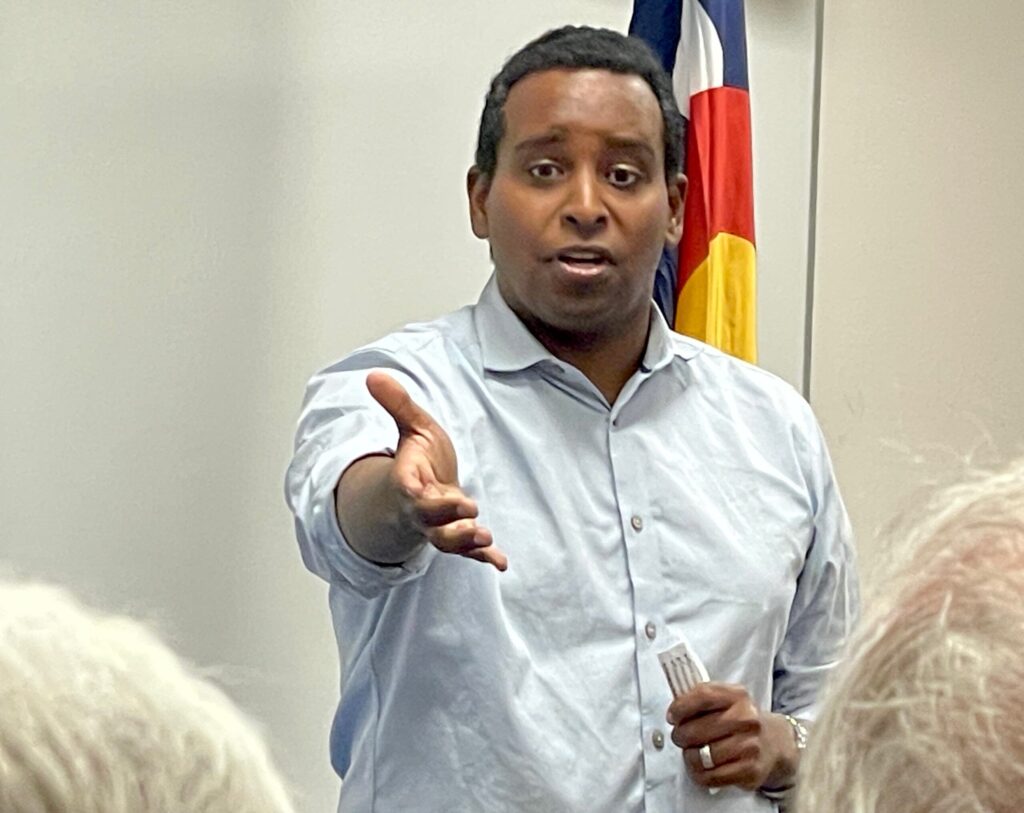
The African roots of three Colorado leaders | SONDERMANN
Eric Sondermann
eric-sondermann@coloradopolitics.com
Updated 2 days ago
Colorado’s political transformation is measured in many ways. A once reliably red state (with asterisks) became purple and is now a rather deep blue. For better or worse, probably the latter, power is ever more consolidated along the Front Range...
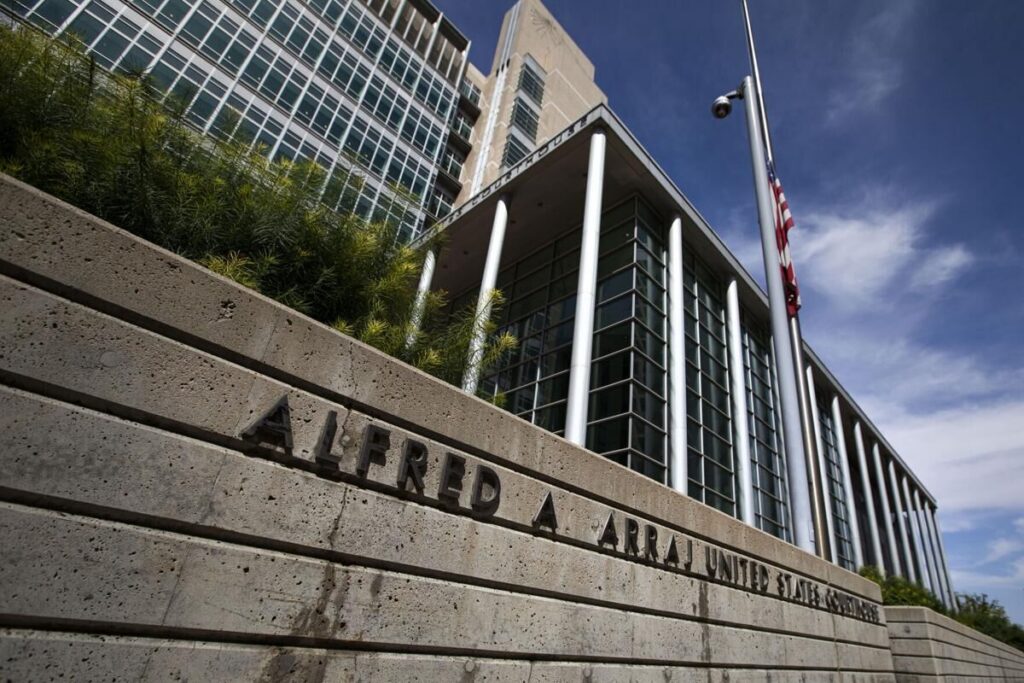
Federal judge green-lights civil trial against ex-Fort Collins DUI officer
Michael Karlik
michael.karlik@coloradopolitics.com
Updated 14 hours ago
A federal judge ruled on Thursday that Fort Collins’ former “DUI officer” will face a civil trial for allegedly investigating a motorist for impaired driving without any reasonable suspicion to do so. In recent years, several people arrested by Officer...

Denver police reopen 13 sex assault cases after retesting Missy Woods’ CBI work
Jenny Deam
jenny.deam@gazette.com
Updated 12 hours ago
Thirteen previously closed Denver sexual assault cases have been reopened after the city’s crime lab retested DNA evidence once analyzed by former Colorado Bureau of Investigation forensic analyst Yvonne Woods. A police spokesperson told The Denver Gazette the once-closed cases...

Ballot measure aims to shift Colorado sporting-goods tax revenue to land, water and wildfire projects
Marissa Ventrelli
marissa.ventrelli@coloradopolitics.com
Updated 16 hours ago
Colorado voters this November will decide whether to direct a share of sales tax revenue from sporting goods — including bicycles and skiing equipment — toward land and water conservation, wildfire prevention and expanding outdoor recreation. Supporters say the measure...

Colorado Supreme Court suspends Mesa County judge pending misconduct investigation
Michael Karlik
michael.karlik@coloradopolitics.com
Updated 18 hours ago
The Colorado Supreme Court suspended Mesa County Court Judge Michael J. Grattan on Thursday amid a misconduct investigation. The court’s Sept. 10 order gave Grattan 21 days to explain why his paid suspension should not continue through the end of...

Trump honors the fallen of the 9/11 terrorist attacks during Pentagon speech
Mabinty Quarshie
mabinty-quarshie@coloradopolitics.com
Updated 18 hours ago
President Donald Trump and first lady Melania Trump honored the roughly 3,000 Americans killed during the Sept. 11, 2001, terrorist attacks during a ceremony at the Pentagon. The event marking the 25th anniversary of the deadliest attack on American soil...

Immigration reporting measure fuels debate over Colorado’s role with ICE
Marissa Ventrelli
marissa.ventrelli@coloradopolitics.com
Updated 13 hours ago
A coalition of advocacy groups and several district attorneys rallied outside the Colorado Capitol on Thursday to oppose a ballot measure that, if approved by voters in November, would require state and local law enforcement to cooperate with federal immigration...
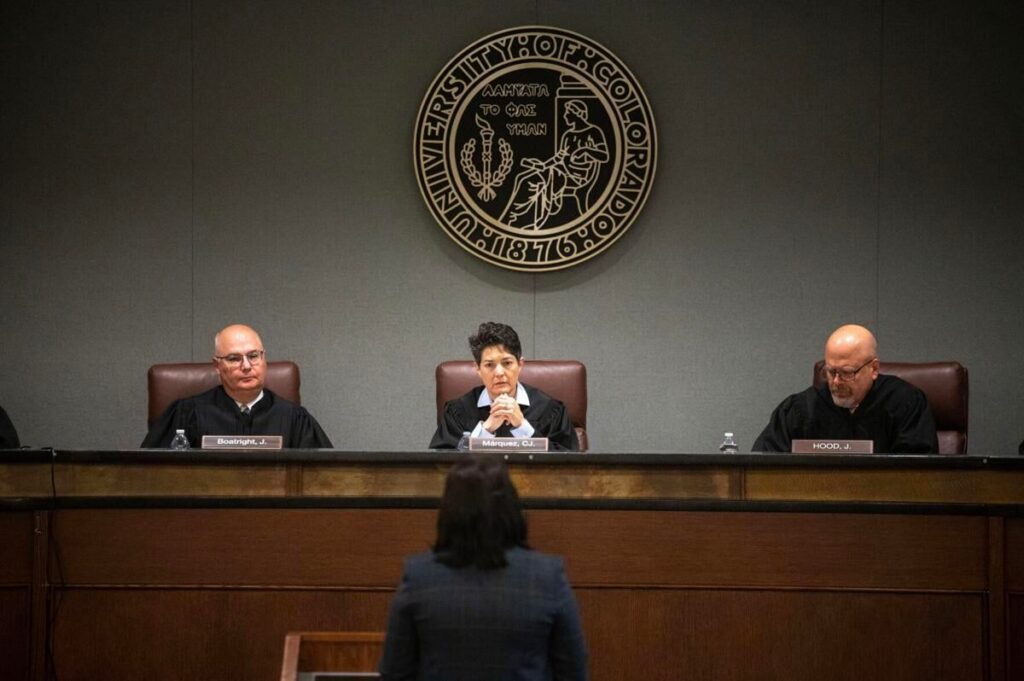
Colorado Supreme Court changes course, dismisses case about special district bonds
Michael Karlik
michael.karlik@coloradopolitics.com
Updated 14 hours ago
The Colorado Supreme Court declined on Friday to decide a dispute between a large-scale Commerce City development and the various districts financing it, after initially showing interest in the ongoing case. Colorado has roughly 2,800 special districts, which are local...
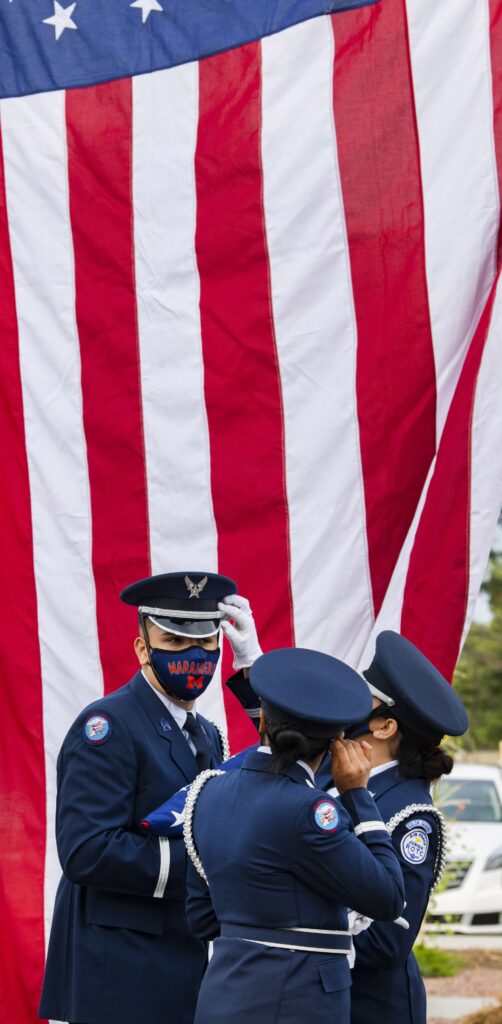
Colorado leaders express outrage and pain following 9/11 attacks | A LOOK BACK
Rachael Wright, Special to Colorado Politics
rachael.wright@coloradopolitics.com
Updated 23 hours ago
Twenty-Five Years Ago This Week: “Responding to the 9/11 terrorist attacks, Colorado Gov. Bill Owens told reporters in a statement, “I join all Coloradans in expressing outrage and horror at the senseless terrorist bombings in New York and Washington D.C....