

In bipartisan vote, state Senate votes down religious freedom-style bill
The Republican-controlled Senate Tuesday voted down a “right to disagree” bill that opponents view as either an untested or euphemistic version of the religious freedom bills introduced in recent years by conservatives around the country that many believe risk diluting the nation’s anti-discrimination laws.
All of the Democrats in the chamber were joined by three Republicans in opposing the bill — Sens. Don Coram from Durango, Beth Martinez Humenik from Thornton, and Jack Tate from Centennial.
Republicans hold a majority of just one vote in the Senate. When what was sure to be a close vote on the bill was called, Minority party Whip Mike Merrifield from Colorado Springs called a “division” vote, in which members stand or sit to be counted.
Civil rights and some religious groups rallied against Senate Bill 283 from the time it was introduced.
“Any bill that attempts to exclude certain practices under the legal definition of discrimination is a bill designed to allow people to discriminate,” said Scott Levin, Mountain States regional director of the Anti-Defamation League at a Capitol press conference. “This bill would make it OK to discriminate if you don’t like the message it sends when you do business with people — ‘those people.’ The problem is, ‘those people’ are you and me, our neighbors, our friends…
“If there are some who don’t like the message being sent when they bake a cake for a gay wedding,” Levin said, “there are others who may not like the message sent by baking a cake for an interfaith couple, for a Muslim couple, or for a Jewish couple.”
He agued that the problem would extend across public business — to hotels, pharmacies, bus services, events centers, and beyond.
“Let’s not forget, the law already allows us to discriminate against others, so long as they’re not part of a protected class… That said, do we really need to put in law the idea that, if I disagree with the language on your T-shirt and the message that it sends, that I can refuse to contract with you to provide goods and services? That is a message I don’t think any Coloradan wants enshrined in law.”
Mario Nicolais, a lawyer and high-profile conservative figure in the state, said he opposed the bill on legal and philosophical grounds.
“I think this bill would undercut the entire public accommodations statute guarding against discrimination, that it would apply to all races and gender, ethnicity and nationality and to religion as well.”
Nicolais argued that the state shouldn’t be made to revisit the battles of the civil rights era.
A week earlier, the bill passed on a party line vote in the Senate State Affairs Committee.
At the hearing, sponsor Sen. Kevin Lundberg, R-Berthoud, gave a searching argument in defense of his bill. He characterized it as a rough attempt to address an issue that was “getting closer and closer to everyone” and that would “destroy us” if is left to take its course.
“This issue continues to divide us,” he said. “I’m not trying to get rid of discrimination laws. I’m trying to add balance… We have to find a part of the law that can accommodate the rights of citizens that current law runs roughshod over… What we have found is a complete disregard for the individual who has chosen to go into business. Personal conviction shouldn’t be set aside for political trends. The idea that the government knows right is more Orwellian than it is American.
“I’ve had legal folks say, ‘You’re confusing me with this bill,’” Lundberg admitted. “That’s because we’re trying to do something different…
“I’m open to suggestions that might strengthen the bill,” he said. “I’m very open to adjusting the language to increase its focus.”
“A lot of people said to me, ‘Oh no, don’t go there.’ But I have to go there,” Lundberg said. “The rights of Coloradans are being violated.”

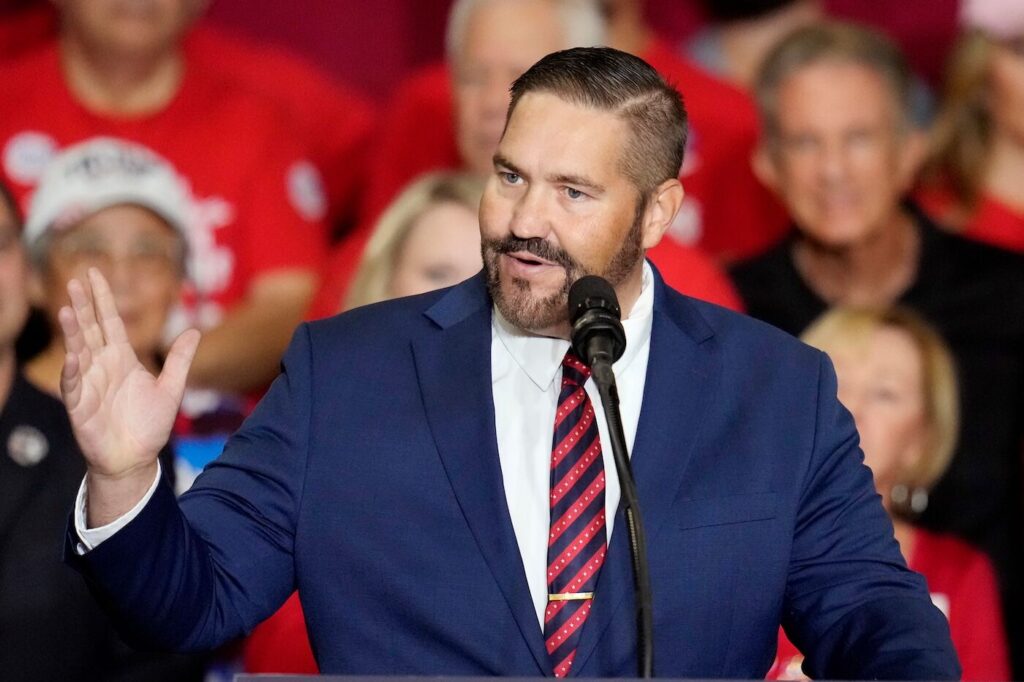
Top officials in Arizona’s Maricopa County agree on how to oversee elections | OUT WEST ROUNDUP
The Associated Press
the-associated-press@coloradopolitics.com
Updated 4 days ago
ARIZONA Officials agree on election oversight PHOENIX — Election officials in Arizona’s most populous county reached an agreement a week before the state’s July 21 primary on how to jointly oversee the vote, ending a prolonged legal battle. Republican Maricopa...

Colorado Politics Calendar Aug. 3-9
Rachael Wright, Special to Colorado Politics
rachael.wright@coloradopolitics.com
Updated 4 days ago
CoPo’s weekly political calendar will help you find political and public-policy events throughout Colorado. It includes candidate and issue campaign events, public policy meetings, court hearings, state and local party conventions, assemblies, debates, rallies, parades, speaking engagements, traveling dignitary appearances,...

The primary political reform and precondition for all others | SONDERMANN
Eric Sondermann
eric-sondermann@coloradopolitics.com
Updated 4 days ago
In its current state, the American political system has no end of ailments. Far too many factors accelerate polarization and work against moderation and narrowing the differences. Media, and the way so many citizens limit themselves to agreeable, reinforcing sources,...
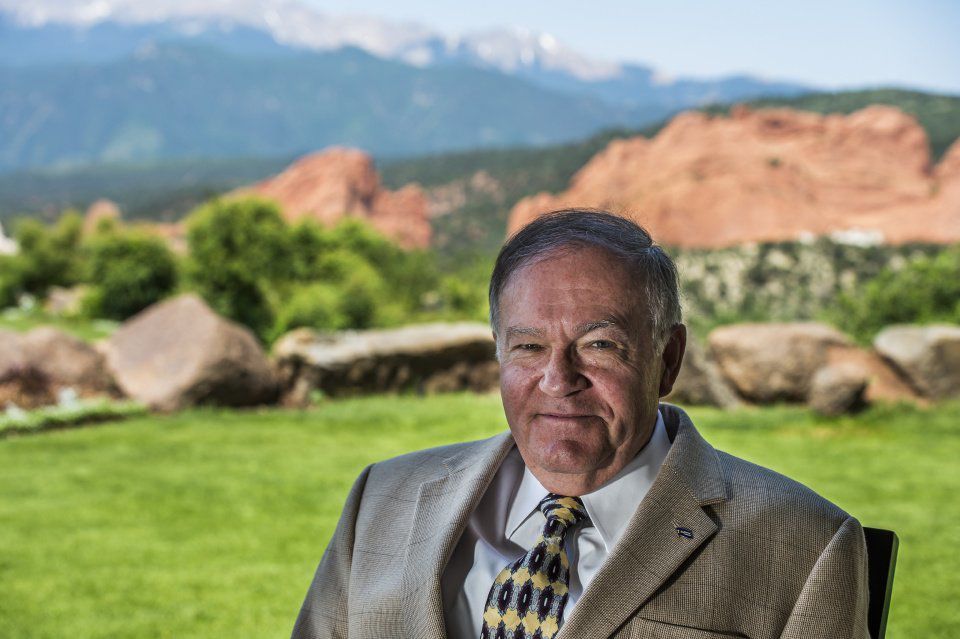
Susemihl wins surprise victory to replace Steve Durham as Colorado Springs state senator | A LOOK BACK
Rachael Wright, Special to Colorado Politics
rachael.wright@coloradopolitics.com
Updated 4 days ago
Forty-five years ago this week: In a closed session, the vacancy committee for Colorado’s Senate District 12 selected attorney Peter Susemihl to complete Sen. Steve Durham’s, R-Colorado Springs, term. Durham resigned his seat to become Region 8 Director of the...

10th Circuit partially revives lawsuit over 2020 Denver protest injuries
Michael Karlik
michael.karlik@coloradopolitics.com
Updated 2 hours ago
The Colorado-based federal appeals court revived a man’s claims against Denver on Friday after concluding a trial judge resolved the case in the city’s favor without analyzing two of the three instances of alleged excessive force and other constitutional violations....
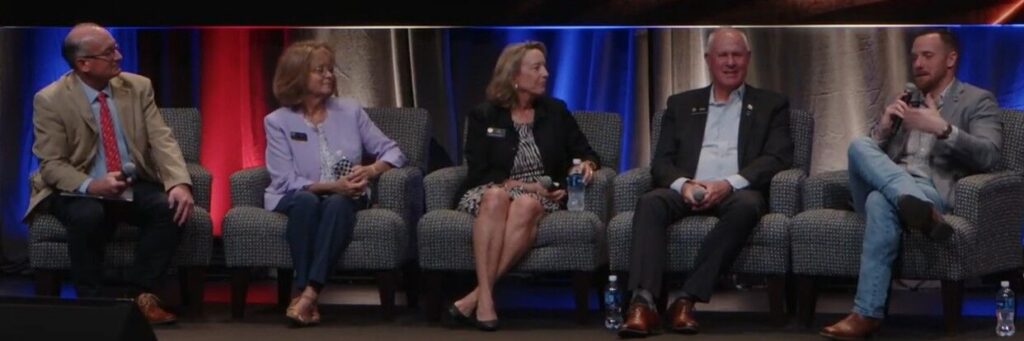
At conservative summit, Colorado Republican leaders concede Democrats’ election edge
Marissa Ventrelli
marissa.ventrelli@coloradopolitics.com
Updated 1 day ago
Four Republican state lawmakers told attendees at a gathering of conservative leaders on Friday they doubt their party can win statewide races, noting that Colorado’s electorate has been shifting toward Democrats but adding they see an opening in several pockets....

Federal judges find Colorado immigration judge violated several orders
Michael Karlik
michael.karlik@coloradopolitics.com
Updated 22 hours ago
Multiple federal judges in Colorado have freed people from immigration custody after determining that one immigration judge violated their directives for properly conducting bond hearings. For nearly a year, Colorado’s U.S. District Court has faced a flood of habeas corpus petitions...
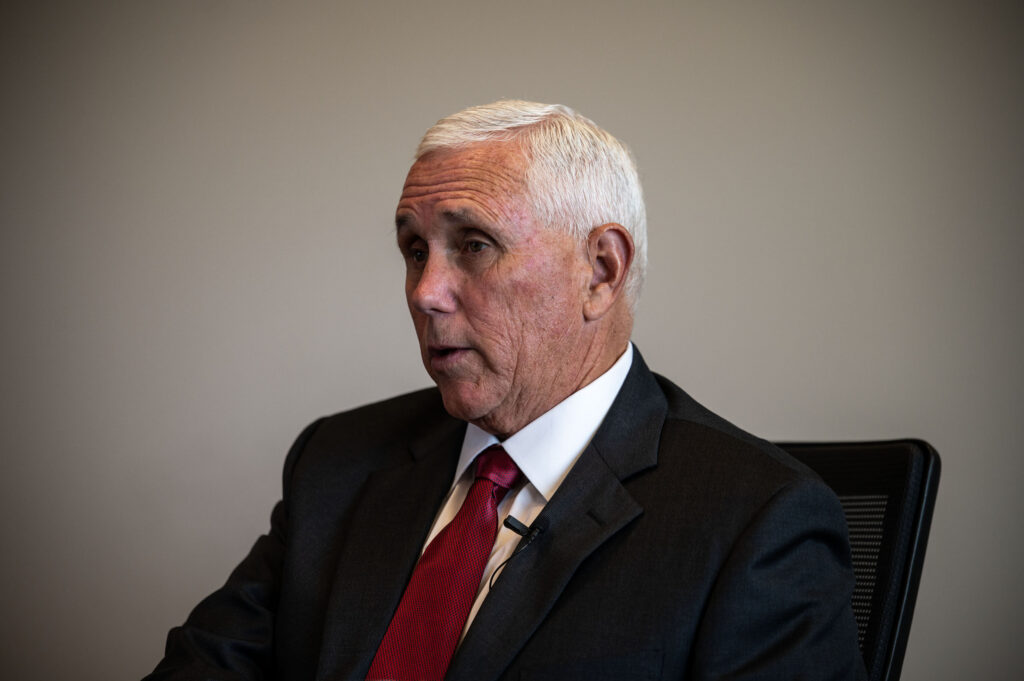
Q&A with Mike Pence | Former vice president says GOP’s populist turn from conservatism isn’t permanent
Ernest Luning
ernest.luning@coloradopolitics.com
Updated 1 day ago
Former Vice President Mike Pence says he’s concerned that the Republican Party has taken a populist turn away from bedrock conservative principles during President Donald Trump’s second term, but he believes the party will return to its roots when Trump...

New federal plan sets short-term rules for Colorado River management
Marianne Goodland
marianne.goodland@coloradopolitics.com
Updated 2 days ago
Interior Department’s plan spares Colorado from mandatory cuts for now After years of stalled negotiations among the seven states that rely on the Colorado River, the federal government on Friday released its own plan for managing the drought-strained system. Calling...
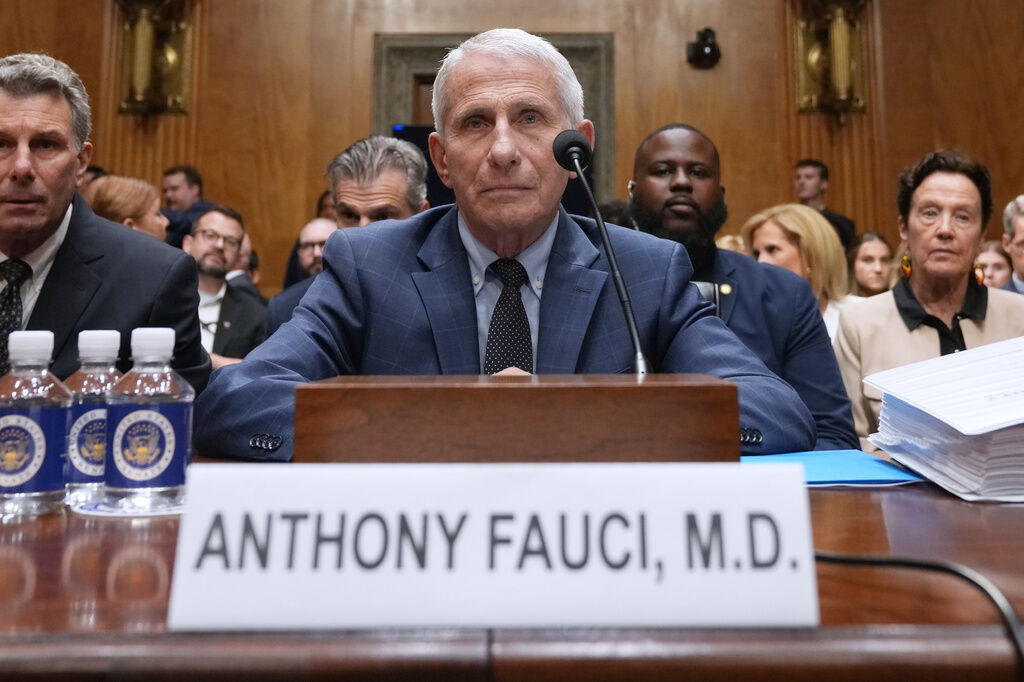
Fauci’s diary details blooming outrage toward ‘far right,’ softness toward Biden and China
Hudson Crozier
hudson.crozier@washingtonexaminer.com
Updated 2 days ago
Dr. Anthony Fauci increasingly railed against “far right” critics of his approach to COVID-19 issues while describing strong support from the Biden White House in his pandemic-era diary, which was recently released by Congress. The former National Institute of Allergy...