

Supporters rally to roll out Colorado states’ rights anti-registry, anti-detention bill
The press conference convened to roll out House Bill 1230 – the Ralph Carr Freedom Defense Act – was held in the blazing sun Thursday at noon and drew a crowd of supporters who lined up on the west steps of the Capitol behind the speakers.
The press conference acted like another rally for multi-cultural solidarity in the Trump era. The bill, which is being heard in the House Judiciary Committee Thursday, would bar officials in the state from providing any information that could be used by the federal government to unconstitutionally monitor or detain Colorado residents based on their race, ethnicity, national origin, immigration status or religious affiliation.
“Registration never works out too well for the registered,” Scott Levin, director of the Mountain States region of the Anti-defamation League, told the crowd.
“People ask, ‘Why is this bill necessary at this time? After all,’ they say, ‘talk of a registry was just loose campaign talk, where the president and the people around him talked of registration and cited the horrific internment of Japanese Americans as it were a positive precedent. He was just pandering for votes,'” said Levin. “Well, my friends, we have seen other loose campaign talk become the basis for policy and executive orders…
“The time is now, when we must make it clear that the state of Colorado does not fear the immigrant, does not fear the Muslim, or anyone else based on gross generalizations. This bill sends an important message that Colorado stands with all of its residents.”
Wednesday night came news that the President’s second executive order travel ban had been stayed by Hawaii U.S. District Court Judge Derrick Kahala Watson. “The record before this court is unique,” he wrote in his decision. “It includes significant and un-rebutted evidence of religious animus driving the promulgation of the Executive Order.” He argued that the motives behind the order were plainly articulated and cited as one example a Trump campaign document which stated that “Donald J. Trump is calling for a total and complete shutdown of Muslims entering the United States.”
Salazar had been drafting and talking about what he calls his states’ rights bill for months before introducing it last week. Salazar didn’t speak at the rollout event, however. He left it to co-sponsor Daneya Esgar, a Democrat from Pueblo, to say why she supported the bill.
“When [Salazar] asked me to be part of this bill, I was humbled, excited and afraid all at once,” she said. She talked about the large immigrant and undocumented population in Pueblo that was alarmed with the rhetoric of the Trump campaign. “This is something I can’t sit by and watch,” she said.
“I know what it means to have good allies. Being an openly gay woman I know how important allies are and I stand here today with all of you who are feeling threatened and I promise to be the best ally I can possible be,” she said.
The most powerful speeches came like bookends on controversial chapters of American history.
Jo Ann Ota Fujioka recounted her experience as a survivor of President Franklin Roosevelt’s Executive Order 9066, which forced the removal and internment of some 120,000 Japanese Americans in camps set up around the country. More than 60 percent of the people detained were U.S. citizens.
“I was a toddler, when the order was issued,” she said. “Though separated by this policy of fear and xenophobia by nearly a century, it seems that our country has learned nothing from our suffering and deprivation as we are on the brink of falling into the same political trap.”
She described the guarded bare-bones facility her family was sent to in the Arizona desert. The effect the internment had on her family, how her parents struggled, her mom died of cancer because doctors refused to treat her. She praised Ralph Carr, the Republican governor of Colorado, for pushing back against FDR’s executive order.
“He stood steadfastly despite the hatred he faced. His bravery and sacrifice of his political career is remembered today by the introduction” of House Bill 1230.
Iman Jodeh, of the Colorado Muslim Society and Interfaith Alliance, said she was dumbfounded that the United States was wrestling to protect civil rights on the most basic level – not on the sometimes gray area of street arrests and institutionally biased criminal justice systems, but on the level of sweeping national policy.
“I am a Muslim. I am a child of a refugee, I am an Arab and I am an American,” she said. “I am proud to say, I have family in the Armed Forces defending this country… and my family, my community has given back to this nation, whether through job creation, their careers as engineers and doctors or small business owners. We are a part of the fabric of this society and we will continue to be just so… We are the people you want as neighbors.
“These policies and these bigoted ideas coming out of our nation’s capital are a violation of the most sacred documents of our land.
“I am Jo Ann, 50 years later,” she said, her arm cast around Ota Fujioka’s shoulders, “This should not be happening. I should not have to go through what she went through. If Muslims are forced to register or go to an internment camp in 2017, this is a disgrace to our forefathers and what they stood for.”
In introducing his bill in the Judiciary Committee later in the afternoon, Salazar called his bill historic. “No bill like this has ever been introduced in any other state, ever,” he said.
Esgar wanted to state clearly that the bill only aims to prevent Colorado authorities from cooperating with illegal federal policies, that it wouldn’t stop federal authorities from carrying out legal policies. “There has been much that has been written about the bill, not all of it accurate, but that’s what it would do,” she said.
The bill has already drawn much attention. Testimony in committee will center on personal experience of the darkening political climate and on Trump administration policy proposals. Salazar said the list of groups who support the bill keeps growing. Most observers believe the bill will pass in the Democratic-controlled House and fail in the Republican-controlled Senate.

Unsustainable: How Colorado’s Medicaid spending exploded
Nico Brambila
nico.brambila@denvergazette.com
Updated 12 hours ago
The state’s Medicaid program — which covers about one in four Coloradans — is poised for its largest single-year jump in at least two decades, with officials proposing a $2.3 billion increase, even as lawmakers face a $1.5 billion budget...
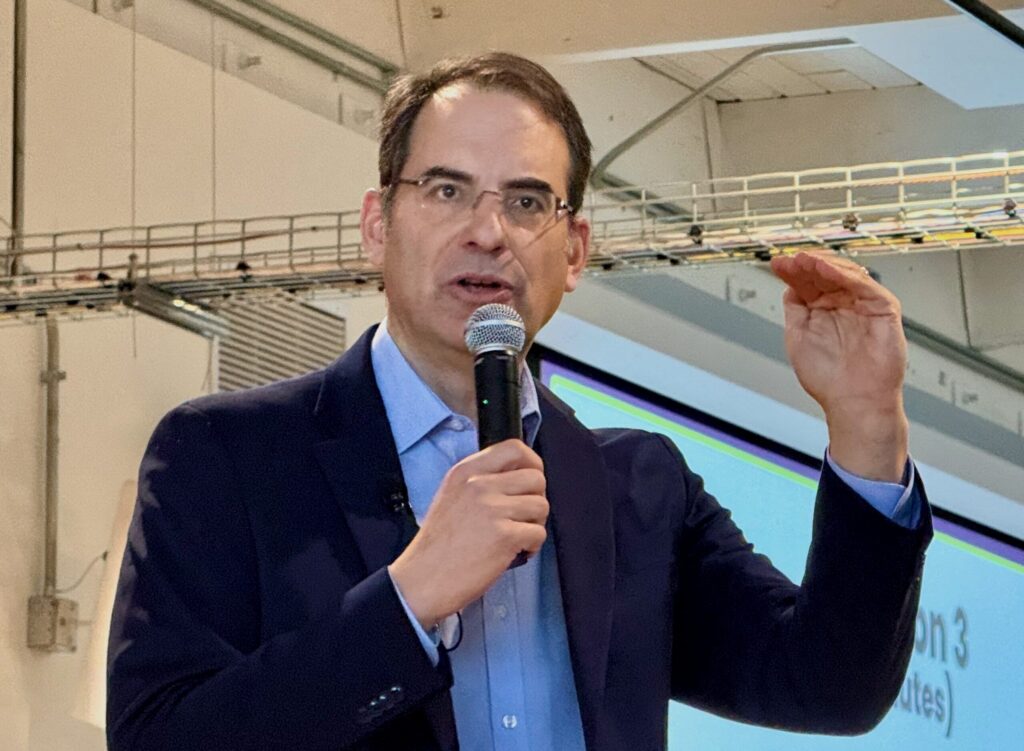
Phil Weiser wins top spot in Colorado’s Democratic gubernatorial primary at party’s state assembly
Ernest Luning
ernest.luning@coloradopolitics.com
Updated 1 day ago
Attorney General Phil Weiser’s name will appear first on Colorado’s Democratic gubernatorial primary ballot after his overwhelming win Saturday at the party’s state assembly in Pueblo. Weiser joins U.S. Sen. Michael Bennet in the June 30 primary for the office...
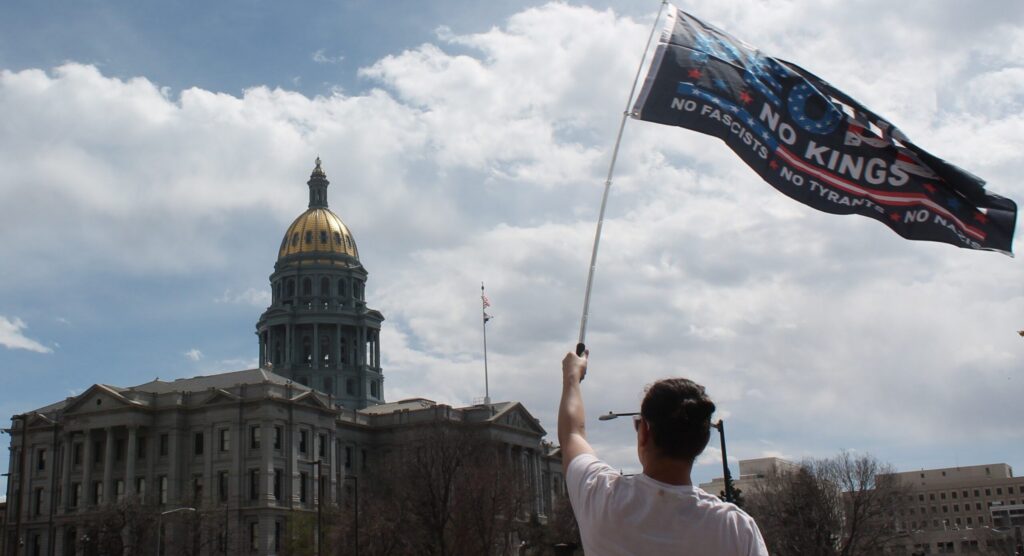
‘No Kings’ protest draws tens of thousands to Colorado state Capitol
Matt Kyle
matt.kyle@denvergazette.com
Updated 1 day ago
The third round of the national No Kings Day protests hit Denver Saturday, when tens of thousands gathered near the Colorado state Capitol to criticize the Trump administration. Organizers addressing the crowd estimated there were 30,000 present for the Saturday...
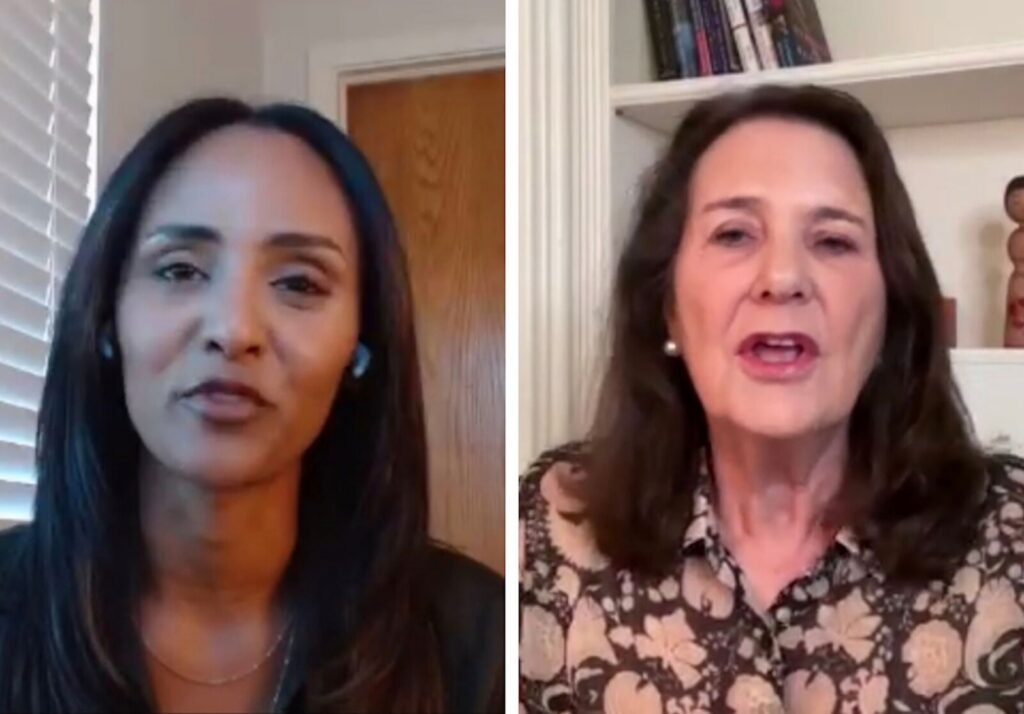
Denver Democrat Diana DeGette trails challenger Melat Kiros at assembly as both qualify for primary
Ernest Luning
ernest.luning@coloradopolitics.com
Updated 2 days ago
U.S. Rep Diana DeGette, a Denver Democrat, qualified for Colorado’s June primary by the skin of her teeth Friday at the party’s district assembly, where the 15-term incumbent received fewer than half as many delegate votes as her challenger, 28-year-old...
Kwame Spearman warrants plenty of criticism, not cancellation | SONDERMANN
By Eric Sondermann
by-eric-sondermann@coloradopolitics.com
Updated 4 days ago
All of us are flawed humans, some more so than others. This is the tale of Kwame Spearman who burst onto Denver’s business and political scene a handful of years back. His ride has taken a downhill trajectory. Within the...
Colorado Politics Calendar Mar. 30-Apr. 5
Rachael Wright, Special to Colorado Politics
rachael.wright@coloradopolitics.com
Updated 3 days ago
CoPo’s weekly political calendar will help you find political and public-policy events throughout Colorado. It includes candidate and issue campaign events, public policy meetings, court hearings, state and local party conventions, assemblies, debates, rallies, parades, speaking engagements, traveling dignitary appearances,...
Federal judge upholds constitutionality of Colorado campaign contribution limits
Michael Karlik
michael.karlik@coloradopolitics.com
Updated 2 days ago
A federal judge upheld Colorado’s individual campaign contribution limits as constitutional on Thursday, finding that three Republican plaintiffs failed to prove the campaign finance framework violates their First Amendment rights. U.S. District Court Senior Judge John L. Kane recognized that...
Appeals court rejects theory that existing tax revenue undermines need for new fees
Michael Karlik
michael.karlik@coloradopolitics.com
Updated 3 days ago
Colorado’s second-highest court rejected a plaintiff’s claim on Thursday that the tax revenue generated by an existing activity should prevent local governments from imposing new fees aimed at regulating the activity. The question stemmed from Colorado’s unique constraints on taxation...
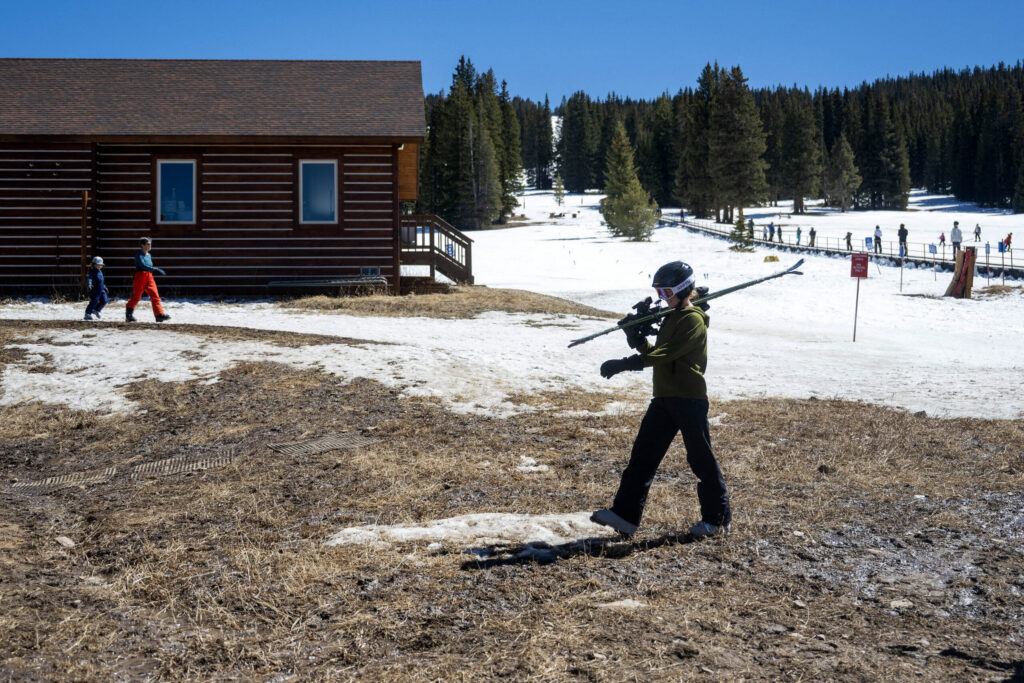
Colorado ski resorts announce early closures amid historic snowpack lows, high temperatures
Kyla Pearce
kyla.pearce@gazette.com
Updated 3 days ago
As Colorado’s historically low snowpack year comes to a close and spring conditions take over the mountains, the state’s major ski resorts are announcing closing dates — some of which are weeks before historic closing dates. Most of Colorado’s ski...
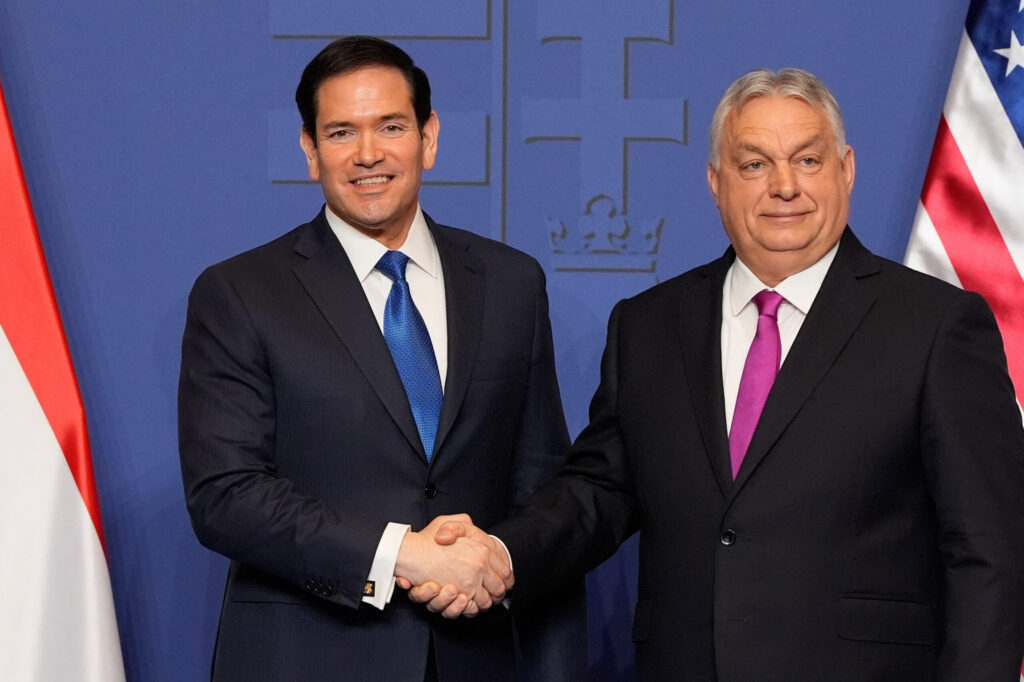
Marco Rubio’s star power rises at CPAC 2026
Mabinty Quarshie and Samantha-Jo Roth, Washington Examiner
mabinty.quarshie.and.samantha-jo.roth.washington.examiner@gazetteedit.wpenginepowered.com
Updated 3 days ago
GRAPEVINE, Texas — Secretary of State Marco Rubio’s popularity is growing and could possibly boost him to one of the top two spots in the 2028 GOP presidential race, if attendees at the Conservative Political Action Conference are to be believed. ...