

Building off of buzz from last year, efforts underway to expand Colorado alcohol laws
Less than a year after lawmakers passed a grand compromise gradually allowing the sale of full-strength alcohol in grocery stores, a buzz has again hit the Capitol to expand efforts.
The legislation last year represented the biggest change to state liquor laws since Prohibition. It marked progress after decades of failures trying to reform outdated liquor laws.
“When you finally break the stalemate, maybe to some extent there is this sense of open season,” said Senate President Kevin Grantham, R-Canon City. “It’s not the sacred cow it once was.”
A wide range of bills has been introduced this year on the subject of alcohol, including measures that address hotel wine sales, serving on higher education campuses, extending the hours bars can stay open and sales at events by government agencies, to name a few.
A Senate committee on Monday advanced a measure that aimed at cleaning up the law passed by the legislature last year to include any store that has a pharmacy on its premises. The issue applies to liquor licenses that are attached to drugstore licenses.
The intention of Senate Bill 143 is technical, as it attempts to solve a problem some stores have experienced: selling off a pharmacy facility but continuing to run a pharmacy on premises.
The measure would extend licenses to stores with a pharmacy on premise regardless of the ownership of the pharmacy license. The bill unanimously passed the Senate Business, Labor and Technology Committee Monday.
It seemed simple on its face. But some stakeholders used the opportunity to attempt to build on the compromise from last year.
An amendment was offered that aimed at “leveling the playing field” by creating a new license for food stores that do not qualify for a liquor licensed drugstore license. The amendment would have allowed those stores, like Natural Grocers, to sell beer and wine.
But lawmakers felt the amendment went too far, attempting to expand licensing when stakeholders are still grappling with implementing significant changes from last year.
“The industry believes this is a major policy shift from technical issues,” Sen. Angela Williams, D-Denver, a sponsor of Senate Bill 143, said of the amendment. “Any major policy issue should be considered in individual bills.”
In the stunning and historic compromise reached last year, full-strength alcohol sales are being phased in over 20 years, with grocery stores allowed to gradually purchase 20 licenses. After the program is phased in, stores are allowed to obtain unlimited licenses. Grocery store sales aren’t slated to be expanded until 2019.
But stores like Natural Grocers felt it was left out of progress because it does not operate pharmacies out of its Colorado-based stores and it does not qualify for a retail liquor store license.
Alan Lewis, director of government affairs for Natural Grocers, said as supermarkets start expanding their sales of alcohol, small liquor stores will close. Natural Grocers depends on traffic at nearby smaller liquor stores to drive business, according to Lewis.
“It would create a fair and level playing field for all grocery stores in Colorado, not just the big out-of-state concerns,” Lewis said of the amendment. “We’ve given the biggest and richest grocery store chains and retail chains the right to operate liquor stores.”
The amendment failed by a vote of 6-1.
“We agreed as a coalition that we would not be looking to expand any major policy issues on this bill,” said Micki Hackenberger, executive director of the Wine and Spirit Wholesalers of Colorado.
One lingering issue is what will happen to low-alcohol beer. Until the changes last year, and until the law is fully rolled out, grocery stores are largely stuck with selling only low-alcohol beer, aside from at the one flagship store each chain is allowed to identify for full-strength sales. Many would like to see so-called “near beer” disappear from grocery store shelves.
Legislative leaders appear to be in agreement that they don’t want to see major changes to liquor policy this year until the loose ends from last year’s effort are tied off.
“I would prefer that it be minimized,” Senate Republican Leader Chris Holbert of Parker said of any effort to build on the changes from last year. “Let the industry settle out a bit. Let’s see full-strength beer, liquor, in grocery stores. Let’s see consumers adapt to that.”


10th Circuit agrees Colorado Springs paramedic, officer not liable for constitutional violations in man’s death
Michael Karlik
michael.karlik@coloradopolitics.com
Updated 6 hours ago
The Denver-based federal appeals court decided on Monday that a Colorado Springs paramedic and police officer could not be held liable for constitutional violations for their roles in restraining a man in a mental health crisis, leading to his death....
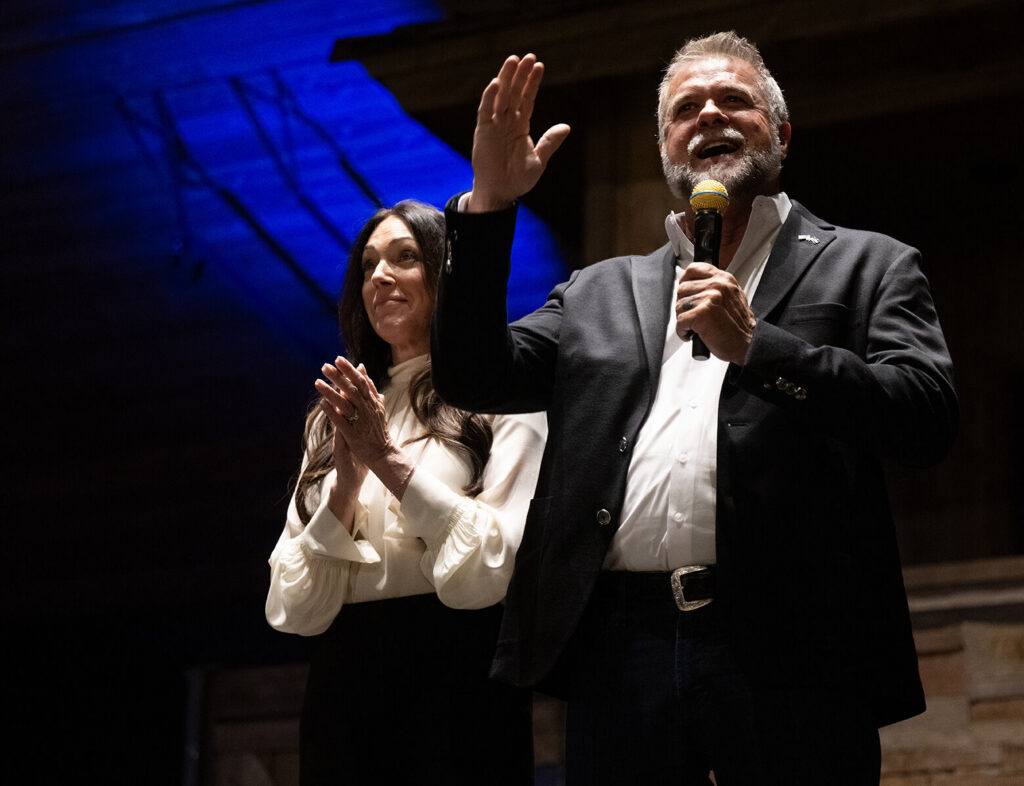
Republican Victor Marx maintains slim lead over Barb Kirkmeyer in Colorado gubernatorial primary
Ernest Luning
ernest.luning@coloradopolitics.com
Updated 5 hours ago
Republican Victor Marx held on to a narrow lead Monday over state Sen. Barb Kirkmeyer as county clerks continued to count ballots in Colorado’s gubernatorial primary. Following an update posted at 3:30 p.m. by the Colorado Secretary of State’s Office,...
10th Circuit revives Colorado voter intimidation lawsuit due to judge’s error
Michael Karlik
michael.karlik@coloradopolitics.com
Updated 10 hours ago
The Denver-based federal appeals court on Monday reversed a trial judge’s finding that the leaders of an “election integrity” effort had not illegally intimidated Colorado voters through an organized door-to-door canvassing project to search for election fraud in the wake...

State Supreme Court’s final decisions of term, Trump’s judicial nominee appears before Senate | COURT CRAWL
Michael Karlik
michael.karlik@coloradopolitics.com
Updated 6 hours ago
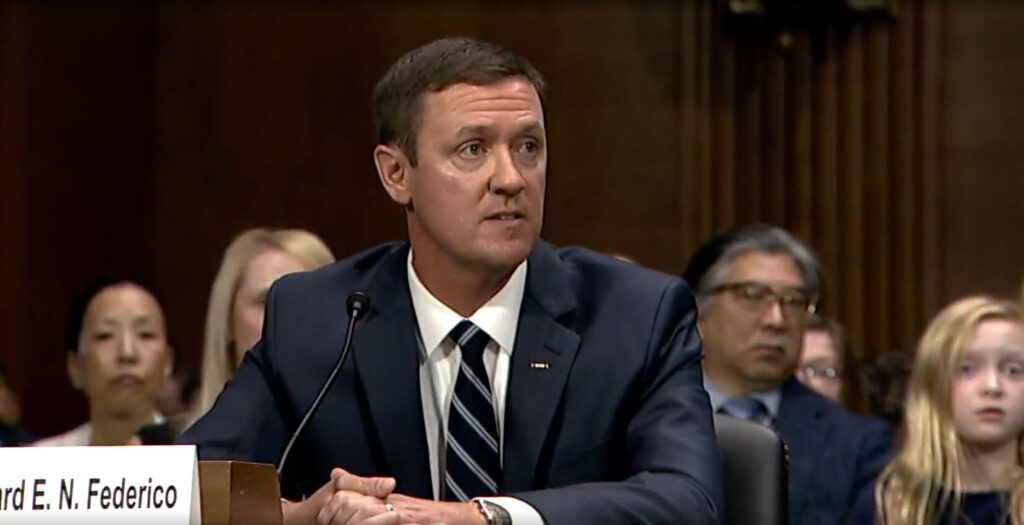
Welcome to Court Crawl, Colorado Politics’ roundup of news from the third branch of government. The state Supreme Court has released its final opinions before its summer recess, plus the president’s nominee for the Denver-based federal appeals court fielded questions...
Colorado joins 24-state challenge to USPS rule tied to Trump election order
Marissa Ventrelli
marissa.ventrelli@coloradopolitics.com
Updated 4 hours ago
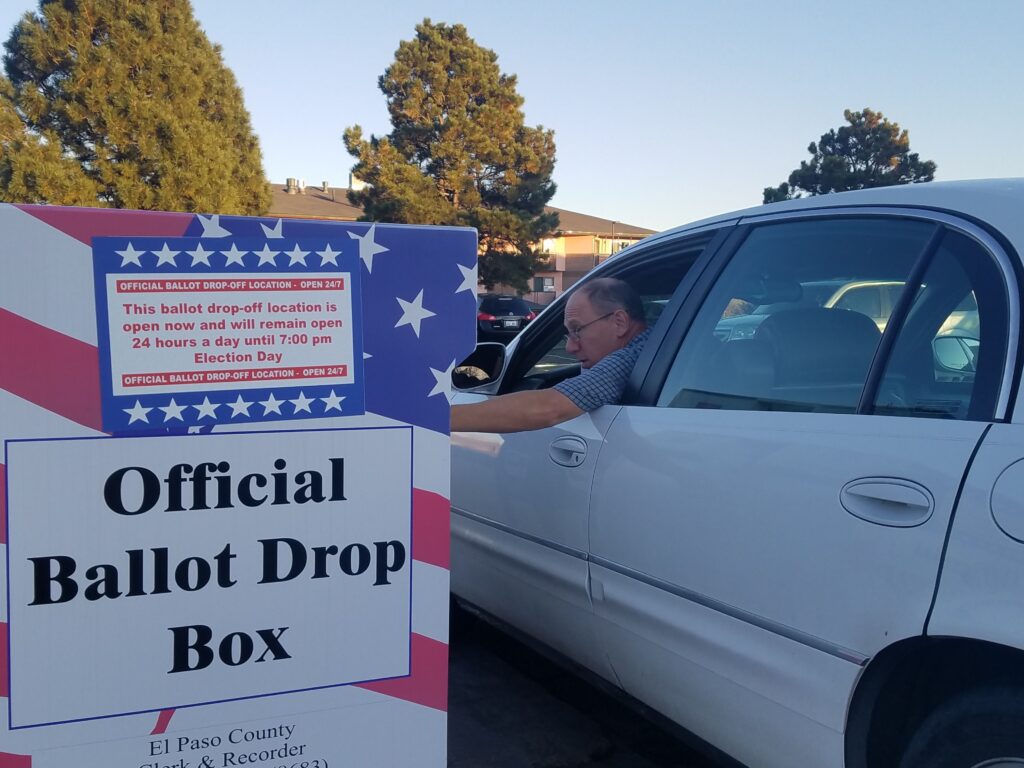
The Colorado Attorney General’s Office joined 24 state attorneys general in filing a formal complaint against what it called the U.S. Postal Service’s attempt to aid President Donald Trump’s efforts to seize control of elections and restrict mail-in voting. In...
Wyoming governor sues state board, asks court to enforce property tax cap | OUT WEST ROUNDUP
The Associated Press
the-associated-press@coloradopolitics.com
Updated 6 days ago
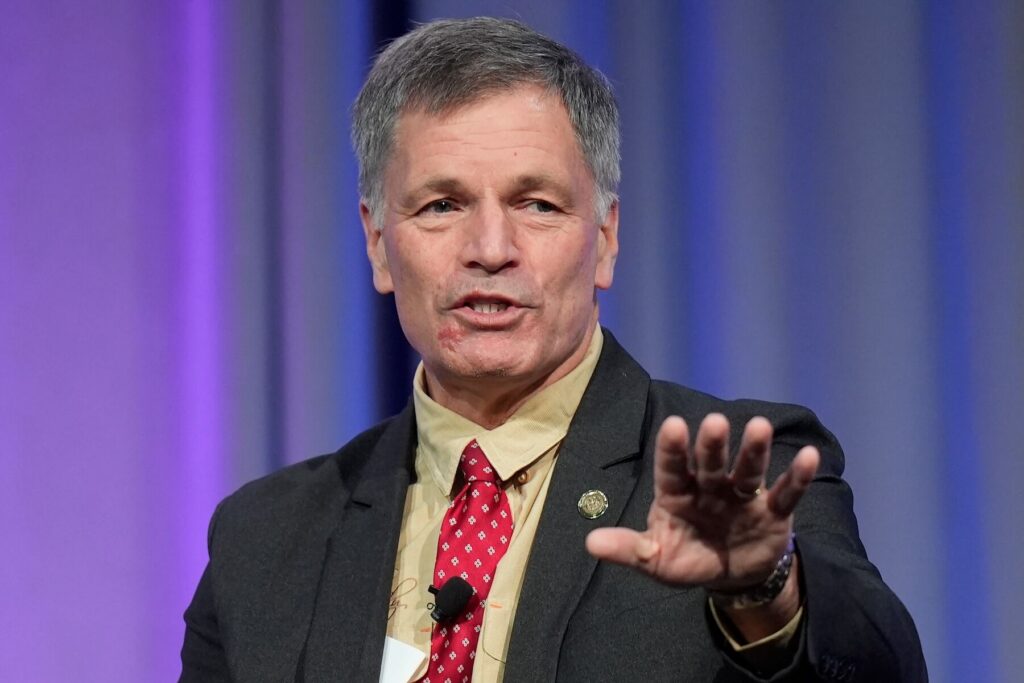
WYOMING Governor sues over property tax cap Gov. Mark Gordon filed a lawsuit on June 16 to force the State Board of Equalization to certify residential property tax values after the panel concluded it could not do so due to...

25 lessons and wishes to celebrate America’s 250th | SONDERMANN
By Eric Sondermann
by-eric-sondermann@coloradopolitics.com
Updated 6 days ago
The 250th celebration of America’s birth is upon us. There is undoubtedly much to salute. Despite plenty of strife and discontent at home, America remains a beacon to much of the world. The wisdom of our founders has largely withstood...
Colorado Politics Calendar July 6-12
Rachael Wright, Special to Colorado Politics
rachael.wright@coloradopolitics.com
Updated 6 days ago
CoPo’s weekly political calendar helps you find political and public policy events throughout Colorado. It includes candidate and issue campaign events, public policy meetings, court hearings, state and local party conventions, assemblies, debates, rallies, parades, speaking engagements, traveling dignitary appearances,...
Democratic Colorado rural congressman threatens to caucus with GOP to preserve PILT | A LOOK BACK
Rachael Wright, Special to Colorado Politics
rachael.wright@coloradopolitics.com
Updated 5 days ago
Forty-Five Years Ago This Week: “It’s sometimes like talking to a brick wall,” said Colorado Congressional District 3 U.S. Rep. Ray Kogovsek. Kogovsek was frustrated at the lack of support from congressional representatives from the East Coast and the Midwest...
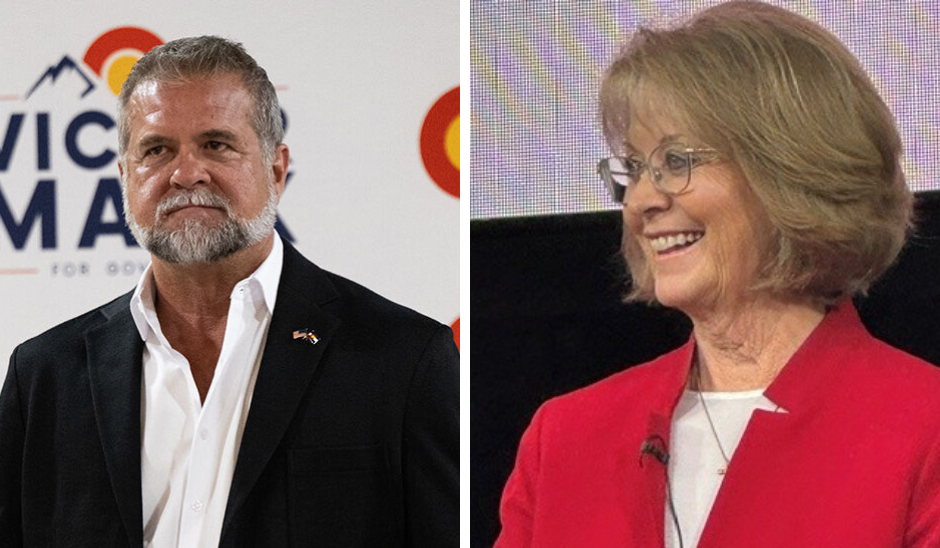
Victor Marx holds a steady lead over Barbara Kirkmeyer in Colorado Republican governor contest
Thelma Grimes
thelma.grimes@coloradopolitics.com
Updated 4 days ago
Victor Marx overtook state Sen. Barbara Kirkmeyer in the Republican primary for governor on Wednesday evening, seizing a narrow lead after trailing her since polls closed. Kirkmeyer, one of three candidates, opened the night with a clear advantage, at one...