

Zenzinger: transportation measure "long time coming"
Any legislation that addresses the state’s transportation needs should take the entire state of Colorado into account and is “a long time coming,” freshman state Sen. Rachel Zenzinger, D-Arvada, said in an interview with the Transit Alliance.
The Denver-based group is a public-advocacy organization that started in 1997 and works to help citizens to “lead the transformation of Colorado’s mobility future.”
Zenzinger is a 2008 graduate of the group’s Citizen’s Academy and spoke to Transit Alliance Program Manager Jamie Perkins in her office shortly before the start of the legislative session. Here is some of that interview:
I asked Sen. Zenzinger what she hopes will come before the transportation committee this session:
“We’re looking at doing a bill (probably a referred measure) to create a revenue stream to address our transportation needs in the state. It’s been a long time coming. How that particular measure looks is undetermined at the moment, because we have a lot of different policy considerations to look at. We need to think about how we’re going to address our aging infrastructure, which is then tied to our economy, and how are we going to make sure that we increase transit options so that our system will go further, work more efficiently, and provide more options to people.”
“I’m very interested in lots of transportation concepts, in particular the idea of investing money from the Volkswagen settlement into infrastructure that would help electric vehicles in our state. I’m very interested in that…I’m also interested in conversations around driver-less cars. It’s a new area, and it’s something that we’re just starting to grapple with. It’s been a concept that [we] thought was in the future. Well, the future is now. The future is here, we have driver-less cars. We’re going to have to think about what the policy considerations are around that. How’s that going to impact state policy? I’m excited about that.”
Sen. Zenzinger was adamant that any transportation funding bill must address the needs of the whole state, not just the Front Range:
“We need to make sure that this referred measure applies to all Coloradans and not just those people who live on the Front Range. That means that we need to be thinking of the needs of people who live in our rural communities across the state and we need to have a vision to make sure that they’re included.
“Ultimately, because of population growth, we need to make sure that whatever we’re doing with our transportation dollars, we’re taking into consideration how we relieve congestion, and we address some of the impacts that come with population growth…There are a lot of stakeholders and a lot of conversations to be had and people have very different ideas about [the] different policy considerations, so we need to make sure that we’re listening…We also have to think about the taxpayer and what they can do and what they’re willing to do…I think we need to be innovative and creative as much as possible and put in lots of different ideas so that we’re not putting all of our eggs in one basket.”
We shifted our discussion to the adjustment from local to state politics (Zenzinger served on the Arvada City Council from 2009-13 and as mayor pro tem from 2011-13):
“The biggest adjustment is the partisanship. When I served on (the Denver Regional Council of Governments), I saw different politicians with the different paradigms and ways of looking at things. Some had ‘R’s after their names, some had ‘D’s after their names, and some had ‘U’s after their names, but they came together to do regional planning, think about what’s good for our state and our region, and how we could support one another. Even though it was highly competitive and everyone was trying to get their piece of the pie, we were able to do it in such a way where we thought about policy first and thought about projects second.
“That’s not the way that things work here. It’s partisan first and policy second. That’s really hard. Extremely hard. It gets in the way of getting things done, in my view. It creates a lot of pressure on both sides. There’s pressure from your own side to do one thing and if you think differently or think your community needs something else, they put a lot of pressure on you to fold or to bend, because you’re the one person holding up a particular position. And then the partisanship from the opposite side doesn’t even allow good ideas to come to the table just because it’s coming from you. The don’t even look at the policy to see if it’s a good idea, just refuse to look at it. Just kill it right away because of who’s carrying it. That’s extremely frustrating.”

Colorado podcaster who has called for political foes to be executed joins GOP primary for governor
Ernest Luning
ernest.luning@coloradopolitics.com
Updated 1 hour ago
Joe Oltmann, the conservative Colorado podcaster who has repeatedly called for Colorado’s top elected officials to be executed and whose uncorroborated claims that the 2020 election was rigged spawned multiple defamation lawsuits, declared his candidacy for the Republican nomination for...
‘The canary in the democracy mine is local journalism’ | Vince Bzdek
Vince Bzdek
vince.bzdek@gazette.com
Updated 3 hours ago
Colorado could do a lot more to save newspapers – and democracy – in rural areas By Vince Bzdek As another new year and another legislative session dawn for Colorado, it’s a good time to ask what the absolute most...
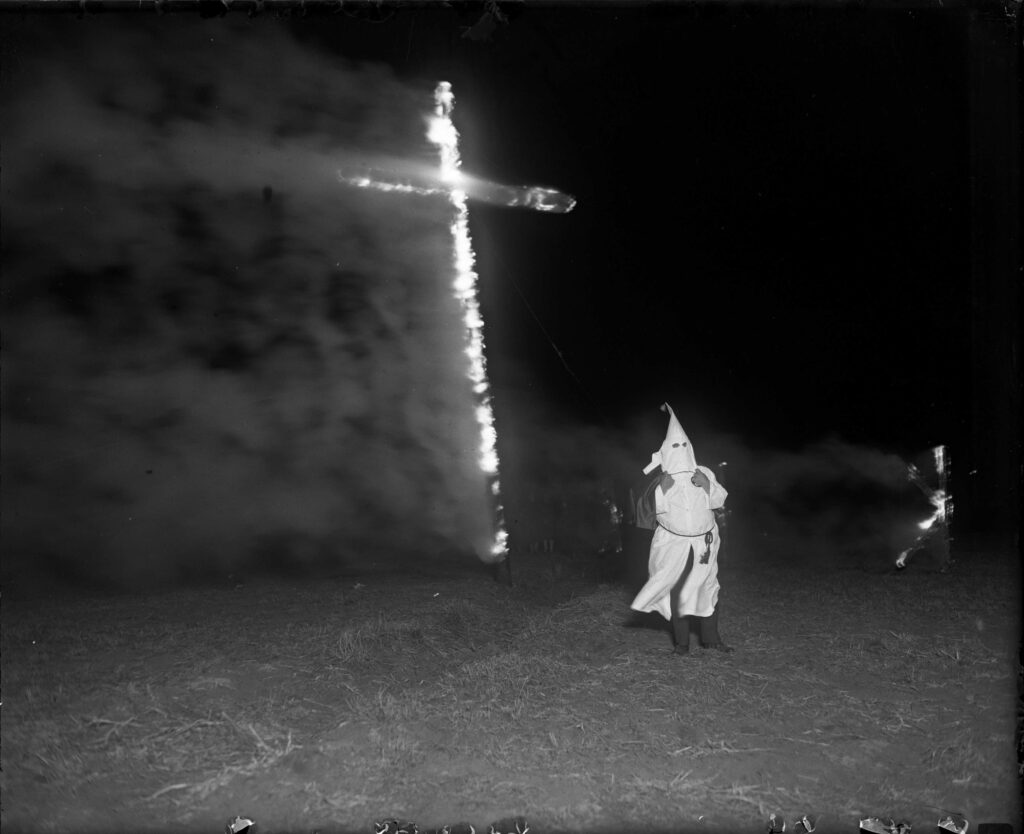
Colorado’s national correspondent recounts violent KKK march in D.C. | A LOOK BACK
Rachael Wright
rachael.wright@coloradopolitics.com
Updated 4 days ago
by Rachael Wright Thirty-Five Years Ago This Week: “I had forgotten about the Ku Klux Klan,” said Ann Downing Schmidt, The Colorado Statesman’s Washington, D.C., correspondent. In a commentary piece published in The Statesman, Schmidt described trying to make the ten-minute drive from...
2025 Unfiltered: Ethics investigations, scandals plague Colorado Capitol
Marianne Goodland
marianne.goodland@coloradopolitics.com
Updated 3 hours ago
Over the course of the year, a series of investigations, allegations and controversies emerged at the state Capitol, drawing scrutiny to the behavior of elected officials and, in some cases, overshadowing policy debates. Here are some of the notable investigations,...
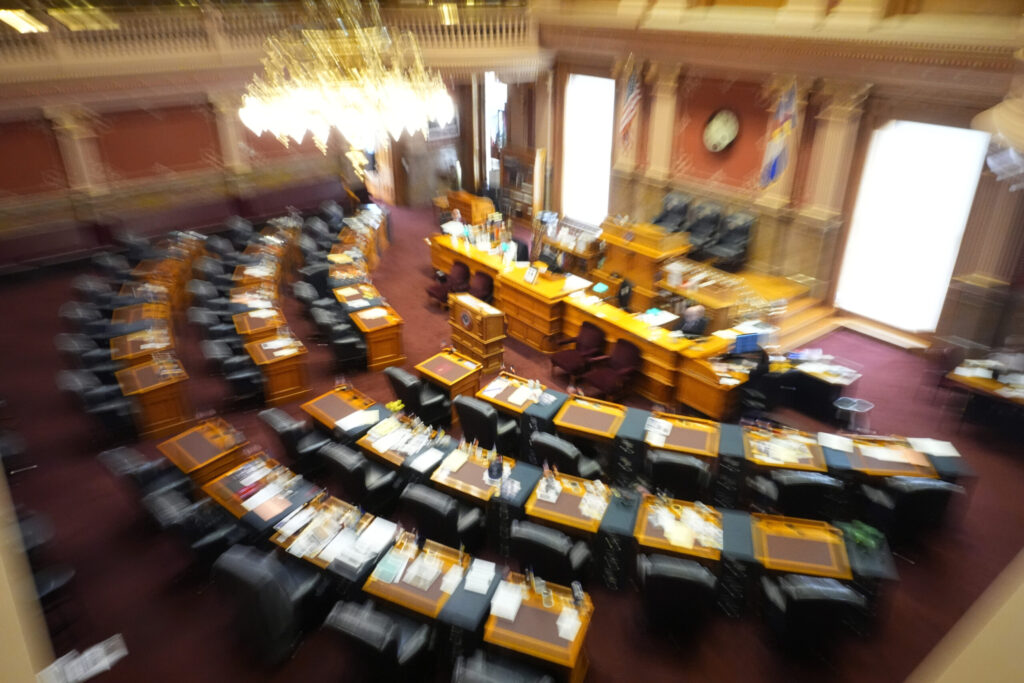
2025 Unfiltered: Top stories of the Colorado General Assembly
Marianne Goodland
marianne.goodland@coloradopolitics.com
Updated 3 hours ago
In 2025, the Colorado legislature faced a budget deficit, sought to tackle a lingering housing crisis and saw a wave of lawmakers leaving for other opportunities, prompting multiple vacancy committees to act. Here are a look at the year’s top...
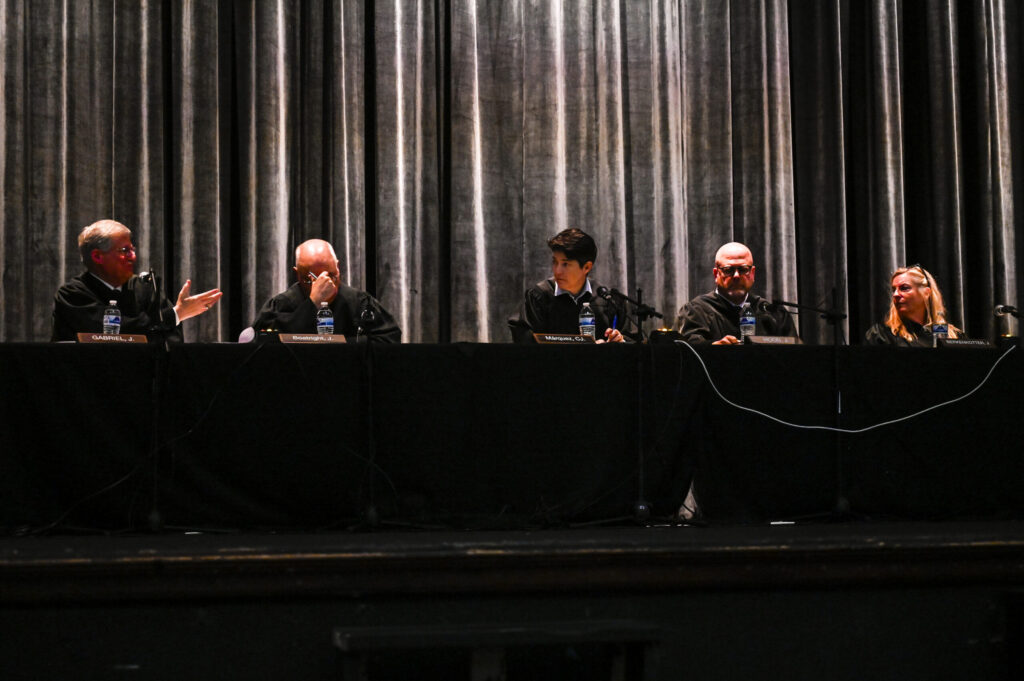
2025 Unfiltered: Colorado Supreme Court vacancy, surge in federal filings and more
Michael Karlik
michael.karlik@coloradopolitics.com
Updated 2 hours ago
This year was awash in legal news nationally, with federal courts taking an outsize role in responding to executive branch actions. In Colorado, that effect was evident, but it was not the only factor at play. Here are the top...
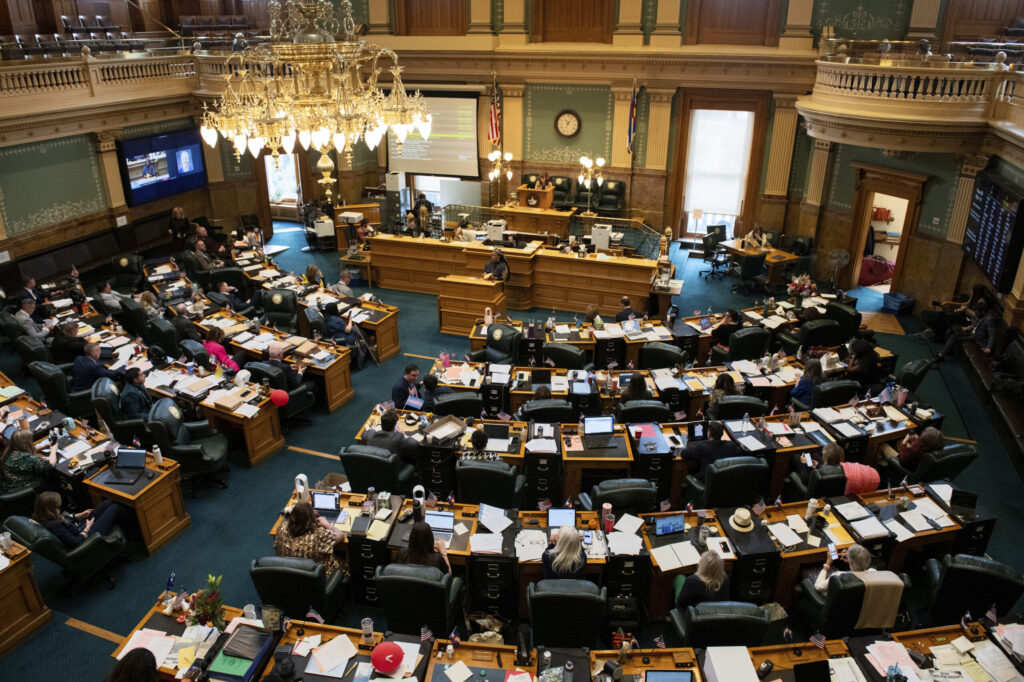
2025 Unfiltered: Unions, guns and vetoes — inside Colorado’s political year
Marissa Ventrelli
marissa.ventrelli@coloradopolitics.com
Updated 1 hour ago
From affordability and labor rights to gun policy — as well as public safety and gubernatorial vetoes — 2025 proved to be one of the most consequential and contentious years in recent Colorado political history. Lawmakers entered the session pledging...
Calendar Dec. 29-Jan. 4
Rachael Wright
rachael.wright@coloradopolitics.com
Updated 4 days ago
CoPo’s weekly political calendar will help you find political and public-policy events throughout Colorado. It includes candidate and issue campaign events, public policy meetings, court hearings, state and local party conventions, assemblies, debates, rallies, parades, speaking engagements, traveling dignitary appearances,...
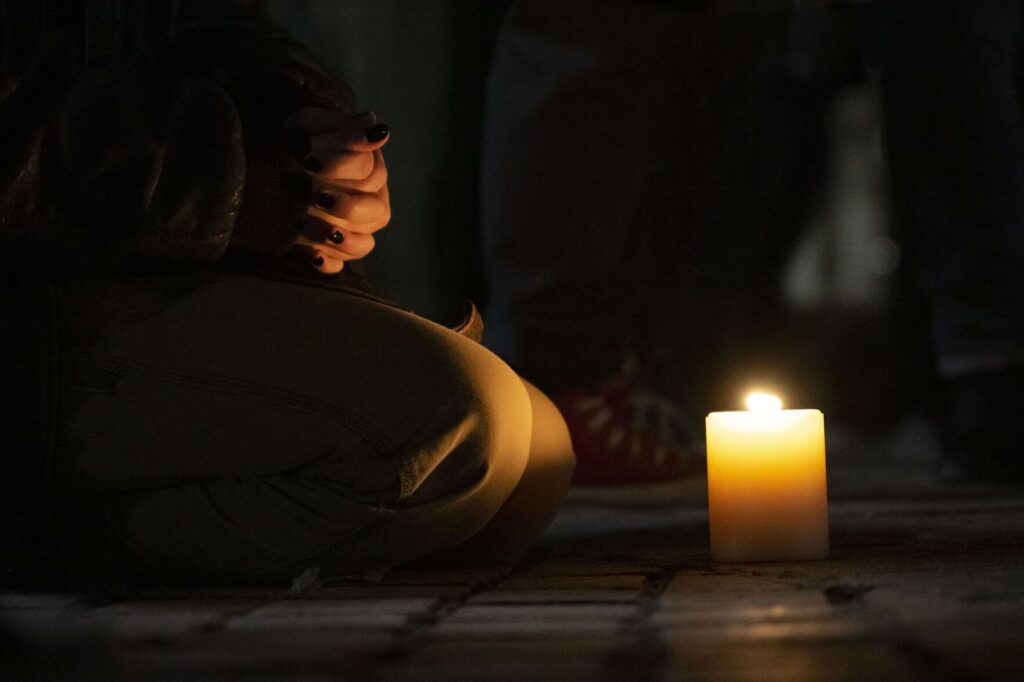
2025 Unfiltered: Remembering those we lost in Colorado
Marianne Goodland
marianne.goodland@coloradopolitics.com
Updated 1 hour ago
Rod Bockenfeld Former Rep. Rod Bockenfeld, R-Watkins, died on Feb. 13, 2025, at his home in Watkins. He was 69. Bockenfeld served in the Colorado House from 2019 to 2025, including on the Joint Budget Committee. He battled cancer during...
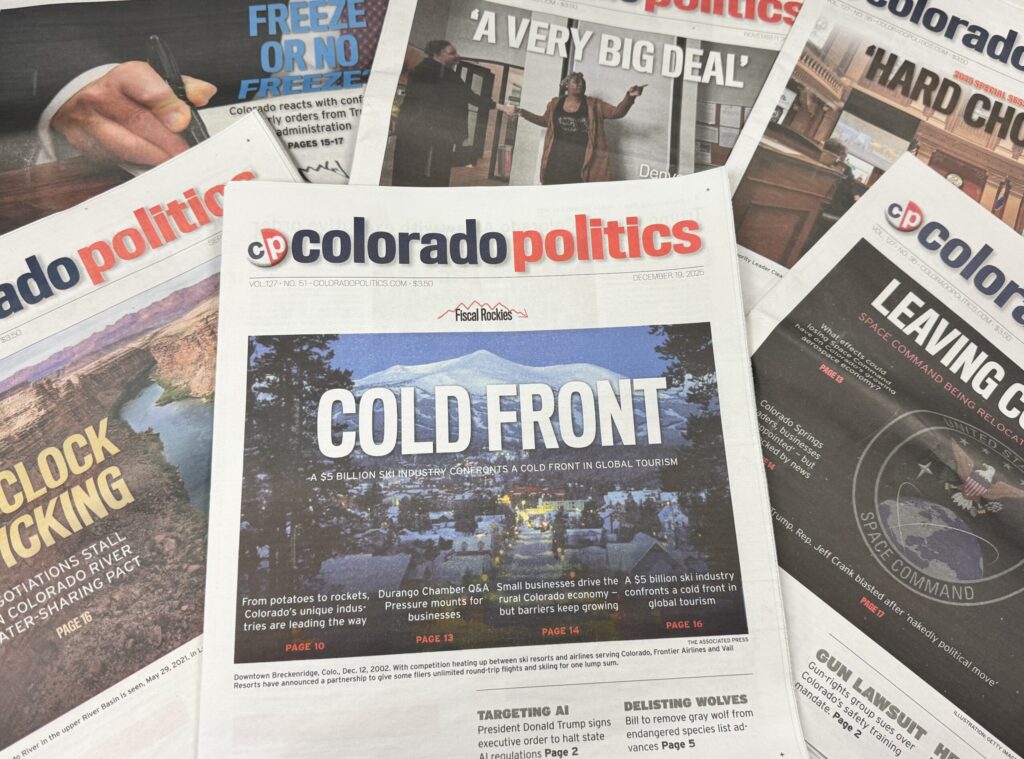
Colorado Politics in focus: the year’s top in-depth cover stories and series | 2025 unfiltered
Thelma Grimes
thelma.grimes@coloradopolitics.com
Updated 1 hour ago
In 2025, Colorado Politics went beyond the daily headlines, delivering in-depth reporting on the major issues shaping the state — from congressional action to legislative proposals to the urban-rural divide and the future of Colorado’s economy. Here’s a look at...