

Woods, Zenzinger pitch the middle as problem solvers in state Senate rematch
The maps on the wall at Democrat Rachel Zenzinger’s state Senate District 19 campaign headquarters in Arvada are a web of lines outlining voter precincts, each precinct speckled with marker colors. Some precincts are predominantly Republican, some predominantly Democratic, and there are numbers written onto each of them.
“479-480” reads one of them, another “412-410.” In 2014, Zenzinger lost that first precinct to incumbent Republican Sen. Laura Woods by one vote. She won the second one by two votes. It’s an eye-popping map in part because so many of the voter totals are separated by ultraslim margins.
“Yep, I know,” said Zenzinger looking up at the lines and numbers. “Every vote counts.”
This is swing-state Colorado’s most swingy seat. It represents a swing Jefferson County district in the swing Senate chamber. Most political analysts see the race this year as the one that will decide whether Democrats take full control of the lawmaking levers in the state.
Democrats already enjoy a majority in the House, and Democratic Gov. John Hickenlooper is serving out his second and final term in office. Republicans currently control the Senate by just one seat.
“Look, even registered party voters can swing out here,” Woods told The Colorado Statesman. “The way you have to approach the campaign is just to knock the doors – to find all those swingers. You have to focus on all those unaffiliated voters.”
Zenzinger is thinking the same way.
“Even if all of the Democrats vote, I don’t win. Even if all the Republicans come out, my opponent doesn’t win,” she said. “I think the swing voters are everywhere and you have to find them. They’re Republicans, Democrats and unaffiliated voters. The margins in elections in this district are always under a thousand votes, so we have to go to everybody. That’s what makes this district so tough.”
The story of the seat lies in the numbers, which like the cast of characters in the story, don’t really change that much.
According to tallies posted in July by the secretary of state, there are roughly 92,000 active voters in the district; 28,370 of those are registered Republicans; 29,295 are registered Democrats; and 33,373 are registered as unaffiliated.
In 2012, the last presidential election year, Democrat Evie Hudak won re-election to the Senate District 19 seat over Republican rival Lang Sias by 584 votes. Sias now Represents House District 27, which sits in the southern half of larger Senate District 19. Sias was appointed to the seat after Rep. Libby Szabo resigned to join the Jefferson County board of commissioners.
Democrat Zenzinger was appointed to the Senate seat when Hudak resigned in November 2013 ahead of a recall effort launched in reaction to Hudak’s support of new gun-control laws. Now-Sen. Woods was a leading figure in that recall effort.
In the 2014 mandatory midterm election triggered by Hudak’s resignation, Woods ran against Zenzinger, who was a one-legislative-session incumbent. Woods won by 663 votes. That’s the election traced in the maps on Zenzinger’s wall.
Incumbency, mailers, doors
There’s no reliable shorthand way to say who will win this race.
For one, the usual advantage of incumbency doesn’t seem to apply. Voters are familiar with both candidates.
While Woods worked the Hudak recall efforts of 2013, she gathered signatures from residents and met with district businesses in the spring and the fall of that year. The following year, she knocked doors as a Senate candidate, and she has served the district in the Senate for the last two years.
Zenzinger has been an active citizen and elected official in the district for more than a decade. In addition to serving in the Senate, she was a twice-elected member of the Arvada City Council and acted as mayor pro tem. She has also served as a committee and board member for the the Transit Alliance and the Denver Regional Council of Governments, the body that coordinates growth and transportation plans across the five counties of the Denver Metro area. She also served on the board of Ralston House, an innovative nonprofit that works with human services and law enforcement agencies to address child abuse.
It’s clearly all about the ground game. The candidates both speak in similar phrases about the need to make connections with the voters and to get out their own messages in order to combat the outside interests that for months already have been pouring money and messaging into the race. They also both believe that voter contact is probably the best way to gird their candidacies against the shifting tides of this year’s wild and wooly, unpredictable presidential race.
“This is a different year. It doesn’t have the look or feel of past elections,” Zenzinger said, and she would know. In addition to running in her own campaigns for city council and for state Senate, she has run local issue campaigns and electoral campaigns over the last decade for more than a handful of state and local candidates. “At the doors, people always start with the presidential campaigns, but they’re feeling disconnected from all that,” she said, shaking her head side to side.
Jobs, education, health care
The candidates are also finding that, no matter what routes they’re walking in the district, the same issues rise to the top on resident priority lists – jobs, education, health care. Residents want the economic recovery to produce more and better job opportunities, they want local schools to be better run and fully funded, and they want less expensive and more reliable lifelong access to medical care.
Woods addresses those issue by pitching herself as a job creator with a record in the Senate of battling regulation on business, shining a spotlight on top-heavy local school administration and standing against what she believes is expensive and wasteful government-run health care, specifically this year’s proposed Amendment 69, the ballot initiative that would make public health coverage available to all state residents who wish to enroll.
“I’ve worked to deregulate the oil-and-gas industry and lower taxes, because we know that’s what creates business opportunities and puts people to work and helps the economy flourish,” she said.
“Mining is big with me,” she adds. “I come from the northwest part of the state, where Coloradans mine the cleanest coal in the country. Now we have a mine closing in Idaho Springs and one in Cripple Creek. Miners in the state are all going, ‘Now what do we do?’ They’ve heard the old song and dance about, ‘We’ll retrain you.’ Well, they don’t believe it. What we can do for them is to help small businesses grow and to stand against the (Environmental Protection Agency) that’s shutting down our mines and, with the Clean Power Plan, changing our (coal-fired) power plants.”
Zenzinger pitches herself as a bridge-builder with long experience in productive bipartisan governance and deep familiarity with the issues.
“I’m a moderate and that comes from my roots in local government,” she said. “I worked on regional issues as part of the Denver Regional Council of Governments, where I worked with all officials from all 64 municipalities and counties. We were working with limited amounts of dollars that we had to spread out and share. We had to figure out how to listen to each other and work with one another. I had to work across the aisle and I did. On city council, the majority of members were Republican, and we worked together very well.
“When I was a state senator, I was the only legislator with a 100 percent bipartisan record,” she adds. “All of the bills I carried and passed were bipartisan. Democrats controlled the House and the Senate that year, but I always went and found people across the aisle before I introduced my bills.”
Voters, principles, competence
Woods said the district isn’t looking to send an ideological warrior to the Capitol. She listed some of the bills she sponsored over the last two years, bills on subjects that have an “in the weeds” ring about them – civil forfeiture, probate court, crime victim privacy.
“My constituents didn’t elect me to go down there and be an ideologue,” she said. “They want me to use common sense to do what’s right for my constituents and for residents of the state. I’ve voted against Republican leadership and Democrat leadership. They can see I have principles. If something goes against my principles, I oppose the bill.”
Zenzinger recites a three-bullet-point list about what she thinks the district voters are looking for in a candidate.
“They don’t care about majorities at the Legislature. Most of them don’t care about ideology either,” she said. “What motivates them are their own values and whether they believe that the person they’re selecting to do the job is listening to them and whether that person can actually get the job done.”

Vince Bzdek: Coloradans are fed up with the high price of cars
Vince Bzdek
vince.bzdek@gazette.com
Updated 2 hours ago
Car buyers in Colorado – and America – are fed up. Cars are too damn expensive. The average price of a new car broke the $50,000 barrier last fall, according to Kelley Blue Book stats. The Wall Street Journal recently...
Unsolicited advice to both Republicans and Democrats | SONDERMANN
Eric Sondermann
eric-sondermann@coloradopolitics.com
Updated 3 days ago
This even-numbered year will be one of political turnover in Colorado with the governor’s chair opening up, along with the other state executive offices (attorney general, state treasurer, and secretary of state), all due to term limits. A U.S. Senate...

New Jersey signs legislation banning cellphones in schools
Molly Parks, Washington Examiner
molly.parks.washington.examiner@gazetteedit.wpenginepowered.com
Updated 23 hours ago
K-12 students in New Jersey will no longer be allowed to use their cellphones in school starting in the fall of 2026. Gov. Phil Murphy (D-NJ) signed a bill into law on Thursday establishing “phone-free” schools in the Garden State....
Gov. Jared Polis ‘frustrated, surprised’ at efforts to revive vetoed union bill
Marissa Ventrelli
marissa.ventrelli@coloradopolitics.com
Updated 22 hours ago
Gov. Jared Polis was surprised that Democratic lawmakers and labor groups are seeking to revive a union-backed legislation less than a year after he vetoed the bill due to concerns about its impact on businesses and mandatory dues. Elected officials...
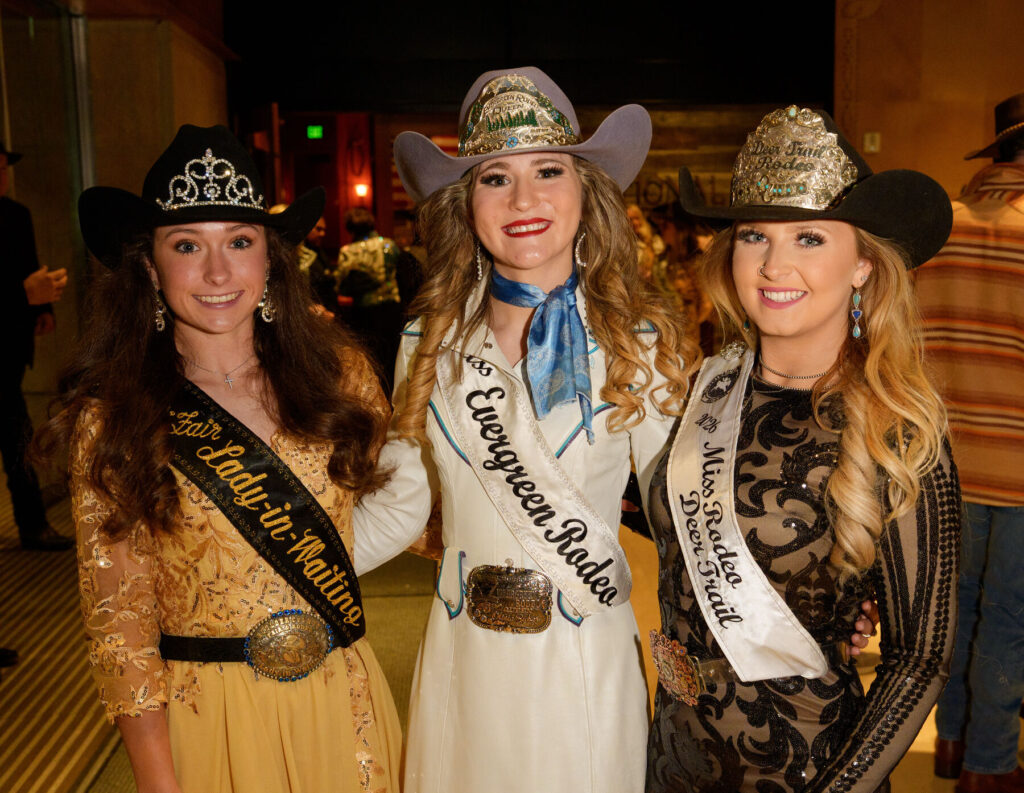
Red Carpet Reception proves new home’s a winner for Coors Western Art Exhibit & Sale | NONPROFIT REGISTER
Joanne Davidson Special to Colorado Politics
joanne-davidson-special-to-colorado-politics@coloradopolitics.com
Updated 23 hours ago
NATIONAL WESTERN STOCK SHOW News: It wasn’t just the art that people were talking about at Thursday night’s Red Carpet Reception for the 34th Coors Western Art Exhibit & Sale. A good number of the 1,000-plus guests were on their first visit to the show’s spacious new location on the...
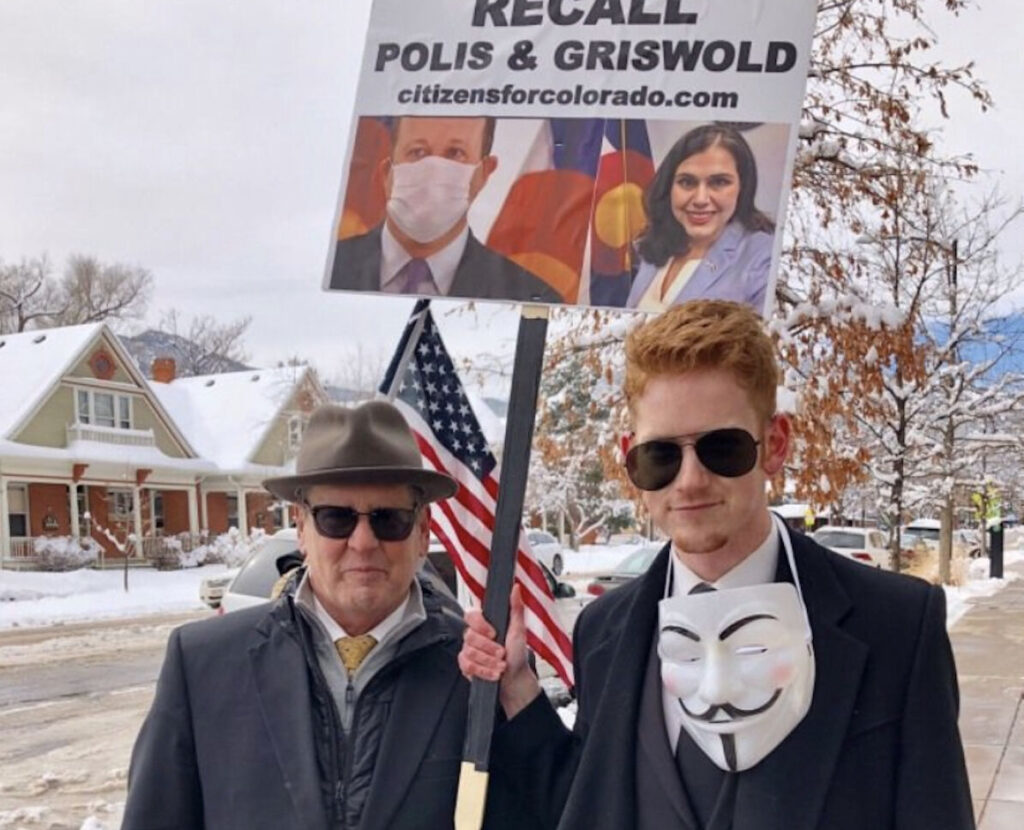
Colorado candidates switch parties, races as midterm election year looms | TRAIL MIX
Ernest Luning
ernest.luning@coloradopolitics.com
Updated 1 day ago
The final days of 2025 saw an unusually high number of Colorado candidates switch parties and races, reshaping at least a few primaries ahead of this year’s midterm elections. The state has seen its share of switchers over the years,...
Denver Auditor: Office of Social Equity and Innovation risks mismanaging or losing taxpayer money
Deborah Grigsby
deborah.smith@denvergazette.com
Updated 21 hours ago
Denver’s Office of Social Equity and Innovation has yet to implement half of the 14 recommendations made by auditors in 2024, leaving the city and the Colorado Youth Detention Continuum Program at risk of misusing small-dollar funds. A follow-up report...

New Aurora councilmembers to host meetings about creating civilian oversight of police
Kyla Pearce
kyla.pearce@gazette.com
Updated 21 hours ago
Two of Aurora’s new councilmembers plan to hold listening sessions with community members to talk about establishing an independent civilian oversight committee for Aurora police. Gianina Horton and Amy Wiles, who were both elected to the Aurora City Council in...
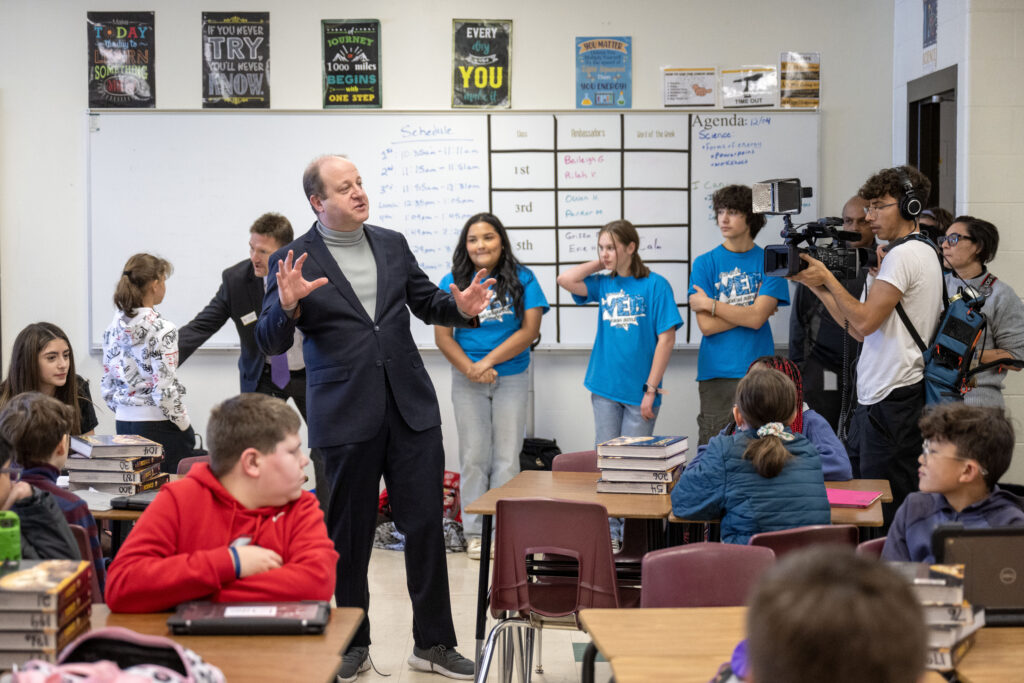
Final Lap: Gov. Jared Polis outlines his 2026 agenda for Colorado as he nears the end of his term
Marianne Goodland
marianne.goodland@coloradopolitics.com
Updated 2 days ago
A year from now, Gov. Jared Polis will wrap up eight years as the state’s chief executive officer, take off the governor’s mantle and go back to private life. The governor recently reflected on what remains to do in his...
Ski patrollers end strike against Telluride
RACHAEL WRIGHT Special to The Gazette
rachael-wright-special-to-the-gazette@coloradopolitics.com
Updated 2 days ago
After 13 days, the longest ski patrol strike in U.S. history has come to an end. On Dec. 27, the 72-member Telluride Professional Ski Patrol Association voted to go on strike after approaching Telluride Ski Resort (Telski) owner Chuck Horning...
PREV
PREVIOUS

Hacker posts personal info of House Democrats and staff
After receiving a deluge of obscene voicemails and text messages, House Minority Leader Nancy Pelosi informed her fellow Democrats on Saturday of “an electronic Watergate break-in” and warned them not to allow family members to answer their phones or read incoming texts. The breach targeted the Democratic Congressional Campaign Committee and other Democratic Party entities, […]

Trump makes a pitch for Connecticut, a Democratic stronghold
Connecticut has not been in Republican hands since George H.W. Bush won the state in 1988. No matter, Donald Trump says as he promises to pursue the Democratic stronghold. “I’m making a big play for Connecticut. Normally the party wouldn’t make a play,” the Republican presidential nominee told those at an evening rally inside a […]