

Debate begins at last on real live hospital provider fee bill

The months-long dress rehearsal at the Legislature has given way at last to the big show.
Speaker of the House Dickey Lee Hullinghorst, D-Gunbarrel, on Tuesday introduced to the House Appropriations Committee House Bill 1420, which would reclassify the state’s hospital provider fee as an enterprise fund. Committee members and witnesses took turns weighing the merits of the bill — not a theoretical version of the bill, but the thing itself, printed in black and white for all to read.
The bill is sponsored by Hullinghorst and Sen. Larry Crowder, an Alamosa Republican, which technically makes it a bipartisan proposal, although for now Crowder might be the only Republican at the Capitol who supports the bill.
Reclassifying the hospital fee would move hundreds of millions of dollars out of the state’s general fund, making room for an equivalent amount of tax money, which lawmakers will spend on state programs without hitting the cap put in place by the Taxpayer Bill of Rights. The proposal has wide support outside the Capitol, but Republican lawmakers have lined up as a bloc in opposition to the plan, seeing it as a kind of accounting trick that will only fuel more government growth.
The bill passed through the appropriations committee on a party-line vote after hours of testimony from supporters.
Hullinghorst and representatives from schools, hospitals and the business committee spoke about how the change will pay for underfunded education programs and transportation infrastructure. Witnesses also touched on the numerous legal opinions that have approved the move, including an opinion from Republican state Attorney General Cynthia Coffman.
“Critics of this proposal argue that it’s an end run on TABOR. That is not correct. This approach honors the TABOR cap approved by voters in an amendment to the Constitution in 2005, often referred to as Ref C, by accurately accounting for a revenue source that isn’t funded with state tax dollars and to more accurately account for general fund money that’s actually paid by taxpayers,” Hullinghorst said. “This solution allows a state program already acting like a business to do so just as TABOR envisioned. That’s why Colorado entities like unemployment insurance, the Colorado lottery parks and open space and wildlife and higher education are enterprises.”
Republicans on the committee said the move represents an overreach on the part of lawmakers.
Rep. Bob Rankin, R-Carbondale, a member of the Joint Budget Committee, said the bill sidesteps the original intent of TABOR, which put it to taxpayers to sign off on increases in state revenue. He said that, given the decrease in revenue forecasts for this year, state spending won’t be limited by mandatory tax refunds, so the urgency that has fueled support for the bill is gone.
“For me, there’s just too many unresolved issues with this,” Rankin said. “I just don’t feel the urgency I felt recently about doing it this year. For now, I just don’t think we have to do it.”
Rankin voted against the bill, but he joined Democrats in approving HB 1421, a related measure that would create guidelines for how the state can spend any additional revenue generated from the hospital fee reclassification.
HB 1421 would reserve up to $50 million for the state’s Highway Users Tax Fund, up to $16.2 million for the state’s Severance Trust Fund, up to $40 million to bolster education reserves, and up to $49.5 million to fund the state higher education system.
Hullinghorst said the bill still gives the Legislature the ability to spend more revenue above the forecast on additional programs, a concern for Rankin and one he hoped would be clarified in debate on the House floor.

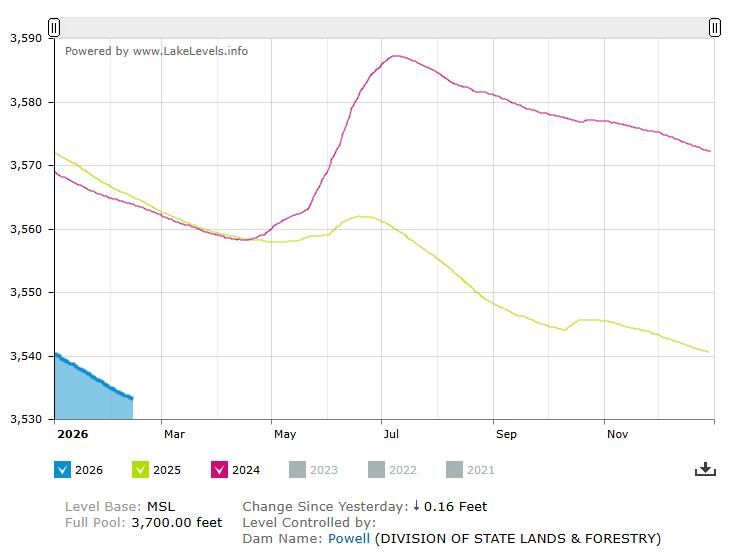
With the deadline missed, Bureau of Reclamation plans to move forward on Colorado River operations
Marianne Goodland
marianne.goodland@coloradopolitics.com
Updated 15 hours ago
Feb. 14 was no Valentine for the seven states of the Colorado River, which failed to come up with an agreement by that deadline on how to manage the river beginning Oct. 1. The Department of the Interior and the...
Democrat Shannon Bird qualifies by petition for primary ballot in Colorado’s toss-up 8th CD
Ernest Luning
ernest.luning@coloradopolitics.com
Updated 13 hours ago
Former state Rep. Shannon Bird has qualified for the Democratic primary ballot in Colorado’s hotly contested 8th Congressional District by submitting a sufficient number of petition signatures, state election officials said this week. The winner of the Democrats’ June 30...
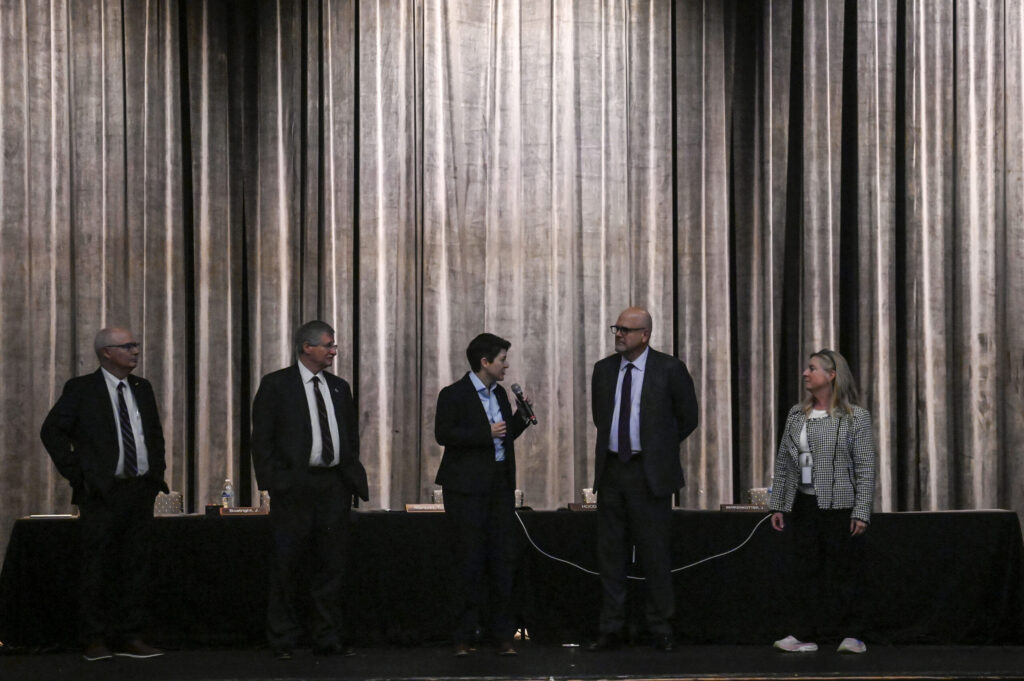
Colorado Supreme Court accepts cases about reliability of gun-to-bullet matching
Michael Karlik
michael.karlik@coloradopolitics.com
Updated 15 hours ago
The Colorado Supreme Court announced on Monday that it will hear two cases questioning the reliability of expert testimony that purports to identify whether a specific bullet was fired from a specific gun. At least three of the court’s seven...

State Rep. Peña outlines significant inequalities in Colorado’s school finance law | A LOOK BACK
Rachael Wright, Special to Colorado Politics
rachael.wright@coloradopolitics.com
Updated 3 days ago
Forty-Five Years Ago This Week: In a guest column published in The Colorado Statesman, House Minority Leader Rep. Federico Peña, D-Denver, wrote that his greatest disappointment with the legislative process was “the inability, or unwillingness, of the General Assembly to...

Colorado Politics Calendar Feb. 16-22
Rachael Wright, Special to Colorado Politics
rachael.wright@coloradopolitics.com
Updated 3 days ago
CoPo’s weekly political calendar will help you find political and public-policy events throughout Colorado. It includes candidate and issue campaign events, public policy meetings, court hearings, state and local party conventions, assemblies, debates, rallies, parades, speaking engagements, traveling dignitary appearances,...

Michael Bennet and ‘the question’ | SONDERMANN
Eric Sondermann
eric-sondermann@coloradopolitics.com
Updated 11 hours ago
The train usually runs only one way. The route goes from the state Capitol to Washington, D.C. State legislators become members of Congress; governors become senators. See Hickenlooper, John. Including our junior senator, no matter his years, a total of...

Colorado District Attorneys unveil 2026 legislative priorities | WHAT’S YOUR AGENDA?
Marissa Ventrelli
marissa.ventrelli@coloradopolitics.com
Updated 2 days ago
Welcome to What’s Your Agenda?: The Colorado Politics’ weekly publication of trade association priorities for the state’s 2026 legislative session. The Colorado District Attorneys’ Council provides training, resources, and legislative support to every prosecutor in the state. In order to...
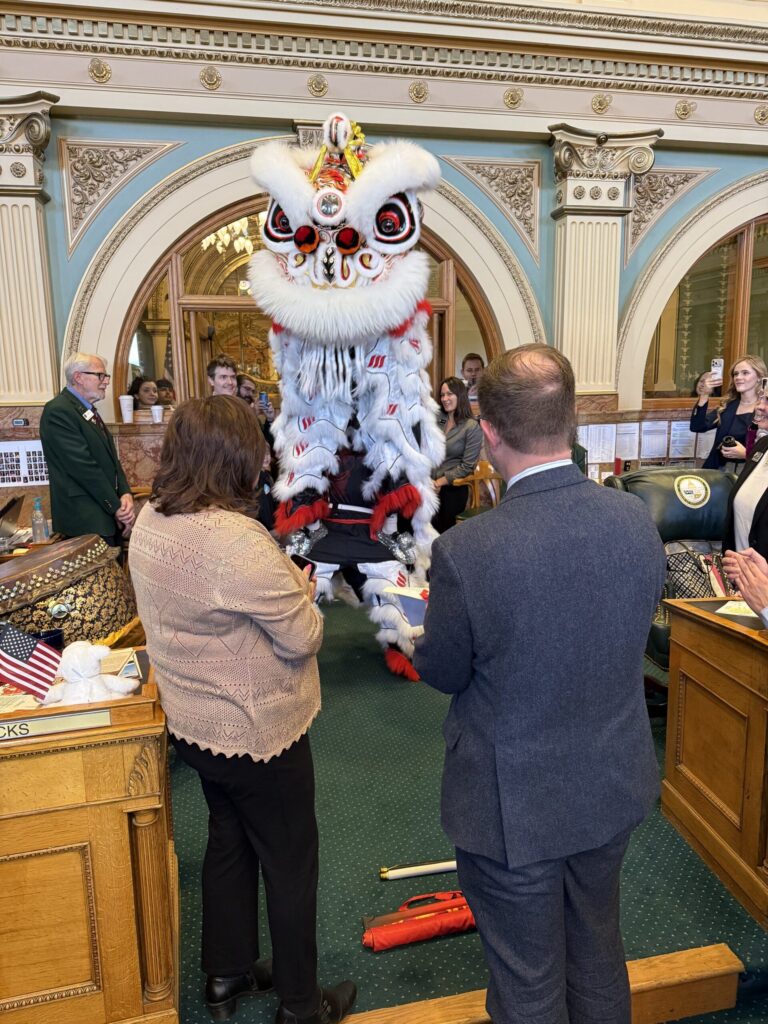
A day in the life of the Capitol: Capitol M | Week of Feb. 14, 2026
Marianne Goodland
marianne.goodland@coloradopolitics.com
Updated 2 days ago
The lighter side of the Capitol, usually. If you were walking around the Capitol on Feb. 12, there was plenty to see and to be amused (or delighted) by. Let’s start with the high school kids from Greeley’s District 6....
Appeals court clarifies what materials judges may rely on for postconviction decisions
Michael Karlik
michael.karlik@coloradopolitics.com
Updated 1 day ago
Colorado’s second-highest court clarified on Thursday that trial judges who are deciding whether to grant relief to convicted defendants may rely on the materials attached to, or referenced in, the parties’ arguments. In contrast to direct appeals of criminal convictions,...

Here’s what to know about the Homeland Security shutdown starting this weekend
Deborah Grigsby
deborah.smith@denvergazette.com
Updated 1 day ago
Another shutdown for parts of the federal government is expected this weekend, following an impasse over funding for the U.S. Department of Homeland Security amid a push by Democrats for changes in immigration enforcement. Funding for the federal agency is set to...
PREV
PREVIOUS

Small Business Day attendees at Capitol celebrate victories, gird against defeats
Colorado legislative leaders and top business owners mingled on St. Patrick’s Day with about 100 attendees at Small Business Day events at the Capitol sponsored by the state chapter of the National Federation of Independent Business. Group members and guests spoke with enthusiasm about benefits the small business community brings to the state economy and […]

Lamm undecided over third term as candidates emerge
Thirty-Five Years Ago this week in The Colorado Statesman … Gov. Dick Lamm hadn’t decided yet whether he planned to run for a third term in 1982, but the Democrat conceded he could be unseated by Colorado Republicans, who had said their major goal in the next year was retaking the governor’s mansion. “Oh, sure,” […]