

Linkhart says it’s time for domestic partners law, Buchanan embarks on petition drive for Senate
Twenty-five Years Ago this week in The Colorado Statesman … Neighborhood activist and Statesman columnist Doug Linkhart marked Gay Pride Month as a time to “celebrate differences among people and the freedom to live as we choose,” but he noted that progress “establishing equal treatment for homosexuals” has been hampered by those threatened by change to the status quo. Some cities, including Boulder, had recently enacted equal protection ordinances to prohibit discrimination, and Denver was working on one. “Another step toward greater human rights would be enactment of domestic partners legislation,” Linkhart wrote. “This registration would be available to any two people living together, not just homosexuals.” It might mean domestic partners could share health benefits, visitation rights and protection from discrimination based on their relationship. Still, he cautioned, “No government ordinance will accomplish what is needed most in the struggle against discrimination: a change in people’s attitudes. Until we can learn to respect differences among people, and to pay more than lip service to the concept of equal opportunity, we have no reason to be proud of our record on human rights.” …
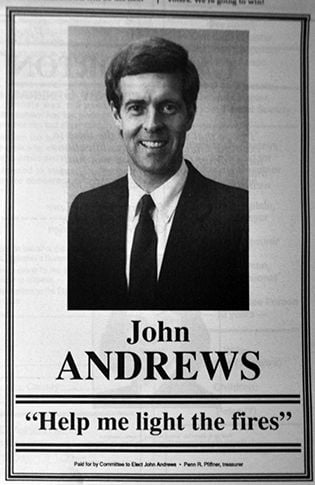

… Statesman scribe Leslie Jorgensen took Republican gubernatorial candidate John Andrews’ campaign to task for luring reporters to a meeting between Andrews and President George H.W. Bush in Washington, D.C., promising it would be a “personal meeting” and not just an “obligatory campaign photo session.” Heavens no, said Andrews campaign manager Rick Grice. “The President requested a personal meeting with John.” Although Jorgensen was skeptical, Grice maintained that only five reporters would be allowed to witness the “personal meeting,” and dangled a potential confrontation between Andrews and his fellow Republican as further motive to show up at the White House. Andrews, Grice said, planned to tell Bush “to start having us read your lips again — no new taxes.” What “actually transpired,” however, confirmed Jorgensen’s initial skepticism. Turns out 14 GOP candidates were in the room for the traditional photo op and a few canned words from the commander in chief. Andrews didn’t even mention taxes during his brief encounter with Bush and instead “emerged from the bright lights with a new outlook on raising taxes.” Seems the Bush administration was considering hiking various taxes — including on gasoline, alcohol, cigarettes and energy — in exchange for a capital gains tax cut, and the flip-flop wasn’t bothering Bushies. Outraged conservatives would return to the fold, a Bush advisor said. “They have no place else to go.” …
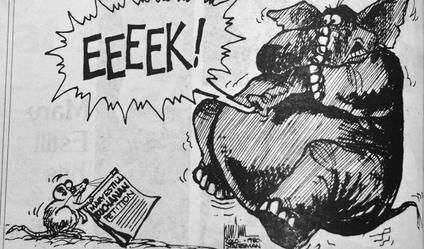
Thirty-five Years Ago this week in The Colorado Statesman … Colorado Secretary of State Mary Estill Buchanan’s petition drive to get onto the primary ballot for the Republican nomination for U.S. Senate was in full swing. She came up short at the state assembly two weeks earlier, trailing the three Republicans who made the ballot, John Cogswell, Sam Zakhem and Bo Callaway, and many were crying foul, blaming her finish on a “last-minute smear campaign.” She’d have to collect 10,000 signatures, evenly divided between the state’s five congressional districts, and had reportedly secured 1,200 in just a couple days, with an astonishing 85 percent of Republicans contacted wanting to pen their names. But not everyone was encouraging. “Mrs. Buchanan’s actions could be harmful to her political reputation and to party unity,” said state GOP chairman Phil Winn. “For years she has advocated and defended the candidate selection process. Now she is attempting to circumvent that process and refuses to recognize her sound defeat at the convention,” he added. Buchanan was having none of it, pointing out in an open letter to Winn that Republican bylaws forbade any party officer from endorsing, supporting or opposing a duly registered candidate for nomination. “I would appreciate your recognition of this fact, and receiving the same courtesies as other Republican candidates,” she wrote, asking Winn to join her in acknowledging that party assemblies and conventions weren’t the only ways to the ballot. “Our Republican policy of equal, official treatment to all candidates enables our strongest candidate to emerge,” she concluded. …

This 1980 Statesman cartoon poked fun at the Republican reaction to Secretary of State Mary Estill Buchanan’s petition drive for a spot on the GOP primary ballot in the U.S. Senate race.Colorado Statesman Archive

… Republican Hank Brown, a former state senator from Greeley, and Democrat Polly Baca-Barragan, a state senator from Thornton, were squaring off in the vast 4th Congressional District, vying for the seat left open by retiring U.S. Rep. Jim Johnson, a Fort Collins Republican. The two answered many questions about the race identically, both saying their best quality was independence, both saying their opponent’s best quality was likeability, both calling the 4th a swingy district that could go either way, and both pegging energy, development and agriculture as the top issues facing voters. Both, it turns out, also shared a Zodiac sign. “We know for sure that the next congressperson from the 4th District will be an Aquarian,” Baca-Barrigan chuckled. But their differences on key issues were stark. Brown blasted Baca-Barragan’s involvement with the Carter administration and its western water-project hit list, though she countered that she had called the White House to argue against canceling storage projects, and, besides, knew all the players in D.C. so could get more done for Colorado. When he was in the Legislature, Brown said, he championed the state open-meetings law, passed legislation to require lobbyists to register with the secretary of state’s office, and always voted independently. Baca-Barragan, noting she was serving in the minority, pointed out that about half of the bills she’d sponsored had passed, including one to require county assessors to list all properties on the tax rolls instead of deleting some. Asked about a range of pressing concerns, however, the two candidates found themselves again in much agreement: Both thought the grain embargo against the U.S.S.R. was a bad idea, both thought it a good idea to cut government spending, and neither supported rationing or price controls.


Immigration reporting measure fuels debate over Colorado’s role with ICE
Marissa Ventrelli
marissa.ventrelli@coloradopolitics.com
Updated 3 hours ago
A coalition of advocacy groups and several district attorneys rallied outside the Colorado Capitol on Thursday to oppose a ballot measure that, if approved by voters in November, would require state and local law enforcement to cooperate with federal immigration...
Colorado Politics Calendar Sept. 14-20
Rachael Wright, Special to Colorado Politics
rachael.wright@coloradopolitics.com
Updated 3 days ago
CoPo’s weekly political calendar will help you find political and public-policy events throughout Colorado. It includes candidate and issue campaign events, public policy meetings, court hearings, state and local party conventions, assemblies, debates, rallies, parades, speaking engagements, traveling dignitary appearances,...
The African roots of three Colorado leaders | SONDERMANN
Eric Sondermann
eric-sondermann@coloradopolitics.com
Updated 2 days ago
Colorado’s political transformation is measured in many ways. A once reliably red state (with asterisks) became purple and is now a rather deep blue. For better or worse, probably the latter, power is ever more consolidated along the Front Range...
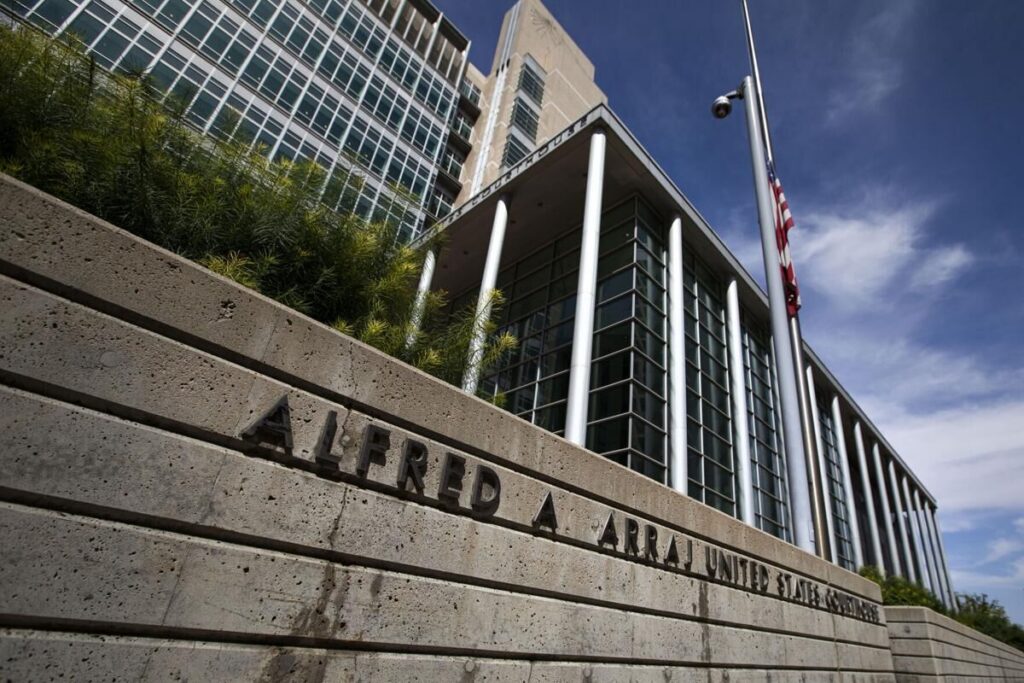
Federal judge green-lights civil trial against ex-Fort Collins DUI officer
Michael Karlik
michael.karlik@coloradopolitics.com
Updated 22 hours ago
A federal judge ruled on Thursday that Fort Collins’ former “DUI officer” will face a civil trial for allegedly investigating a motorist for impaired driving without any reasonable suspicion to do so. In recent years, several people arrested by Officer...

Denver police reopen 13 sex assault cases after retesting Missy Woods’ CBI work
Jenny Deam
jenny.deam@gazette.com
Updated 19 hours ago
Thirteen previously closed Denver sexual assault cases have been reopened after the city’s crime lab retested DNA evidence once analyzed by former Colorado Bureau of Investigation forensic analyst Yvonne Woods. A police spokesperson told The Denver Gazette the once-closed cases...

Ballot measure aims to shift Colorado sporting goods tax revenue to land, water and wildfire projects
Marissa Ventrelli
marissa.ventrelli@coloradopolitics.com
Updated 9 minutes ago
Colorado voters this November will decide whether to direct a share of sales tax revenue from sporting goods — including bicycles and skiing equipment — toward land and water conservation, wildfire prevention and expanding outdoor recreation. Supporters say the measure...

Colorado Supreme Court suspends Mesa County judge pending misconduct investigation
Michael Karlik
michael.karlik@coloradopolitics.com
Updated 1 day ago
The Colorado Supreme Court suspended Mesa County Court Judge Michael J. Grattan on Thursday amid a misconduct investigation. The court’s Sept. 10 order gave Grattan 21 days to explain why his paid suspension should not continue through the end of...

Trump honors the fallen of the 9/11 terrorist attacks during Pentagon speech
Mabinty Quarshie
mabinty-quarshie@coloradopolitics.com
Updated 1 day ago
President Donald Trump and first lady Melania Trump honored the roughly 3,000 Americans killed during the Sept. 11, 2001, terrorist attacks during a ceremony at the Pentagon. The event marking the 25th anniversary of the deadliest attack on American soil...
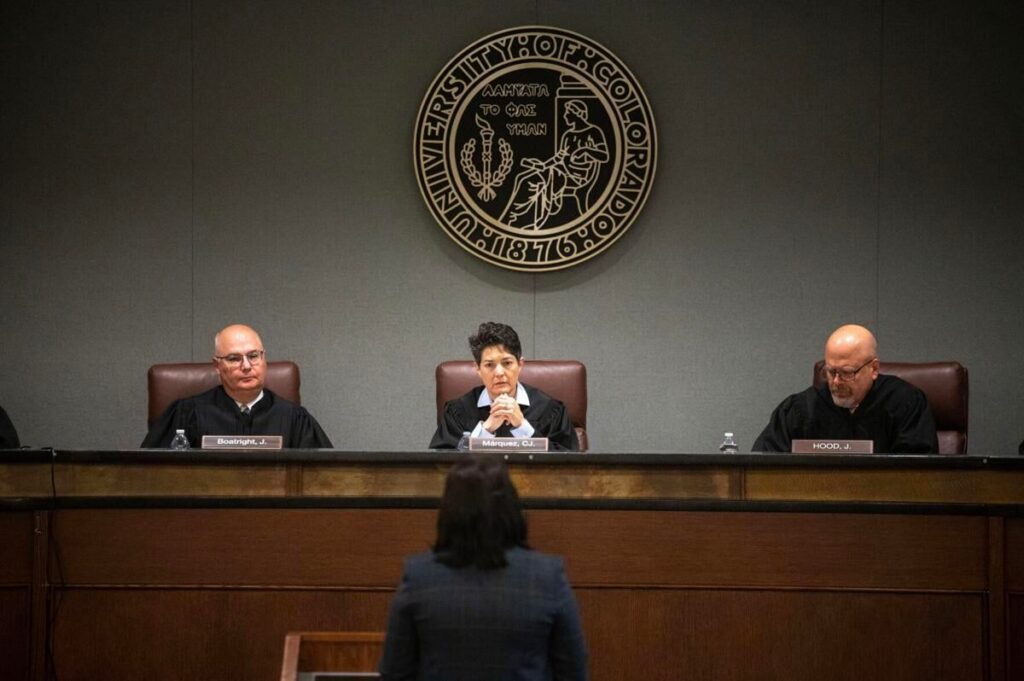
Colorado Supreme Court changes course, dismisses case about special district bonds
Michael Karlik
michael.karlik@coloradopolitics.com
Updated 21 hours ago
The Colorado Supreme Court declined on Friday to decide a dispute between a large-scale Commerce City development and the various districts financing it, after initially showing interest in the ongoing case. Colorado has roughly 2,800 special districts, which are local...
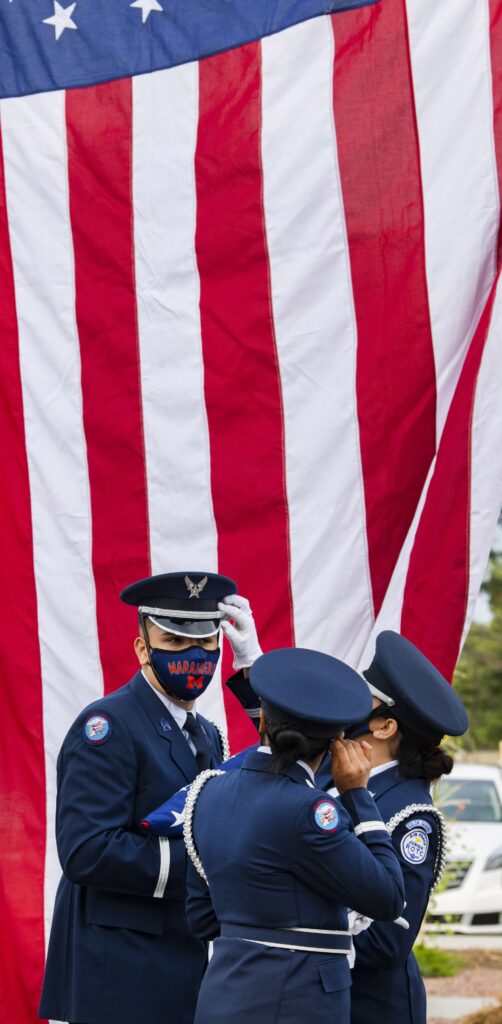
Colorado leaders express outrage and pain following 9/11 attacks | A LOOK BACK
Rachael Wright, Special to Colorado Politics
rachael.wright@coloradopolitics.com
Updated 1 day ago
Twenty-Five Years Ago This Week: “Responding to the 9/11 terrorist attacks, Colorado Gov. Bill Owens told reporters in a statement, “I join all Coloradans in expressing outrage and horror at the senseless terrorist bombings in New York and Washington D.C....
PREV
PREVIOUS
Ethics panel accepts ex-lawmaker’s guilt admission in tale of two Kings
The Independent Ethics Commission’s vote Tuesday on disgraced former state Sen. Steve King might have seemed like overkill to some, but not to Kevin King. It was King who filed the ethics complaint against the ex-Republican lawmaker almost exactly a year ago, before Steve King pleaded guilty to embezzlement and official misconduct for submitting falsified […]

GOP Senate candidates emerge, others in wings?
Another Republican candidate for the U.S. Senate announced his run this week, but observers on both sides of the aisle — and from Colorado to the nation’s capital — are still left wondering when the “real” candidate is going to get into the race to challenge Democrat Michael Bennet. Former Parker Mayor Greg Lopez, a […]