

Rainbarrel bill dead for session
Don’t go buying those rain barrels just yet. Colorado law isn’t going to change this year to allow you to collect rainwater that falls off your roof.
A stubborn Sen. Jerry Sonnenberg, R-Sterling, is blocking any opportunity for House Bill 15-1259 to get to the Senate for a vote. The bill would allow Coloradans to collect up to two 55-gallon rain barrels of water that drain off their rooftops. The water could then be used for outdoor purposes, such as lawn and garden irrigation.
The bill was heard on April 16 in the Senate Agriculture, Natural Resources and Energy Committee, which Sonnenberg chairs. Sonnenberg opposes the bill but it does have the support of Senate President Pro Tem Ellen Roberts, R-Durango, the committee’s vice-chair. That would give the bill enough votes to go to the Senate floor for final action.
Supporters, including municipal water districts, believe allowing rain barrels would help educate people on how much water they use and eventually help reduce water consumption. The legislation accomplishes two goals, according to Chris Arend of Conservation Colorado. It legalizes the use of rain barrels, which most Coloradans support. People would like to use rainwater on their gardens, he explained. Secondly, the legislation would increase awareness of water issues, such as the scarcity of water. When it doesn’t rain, a rain barrel would illustrate that Coloradans live in a desert environment and should be careful with water. “It’s a practical, common sense bill,” Arend said.
Opponents, including farmers and ranchers, believe that rainwater is covered under the state’s prior appropriations law, since it runs off into groundwater and surface water, such as rivers. The bill’s Senate sponsor, Sen. Mike Merrifield, D-Manitou Springs, told members of the Ag committee that he would not have carried the bill if he thought it would hurt farmers and ranchers.
There’s a reason why rain barrels have been illegal in Colorado for the past 160 years, according to Chris Kraft of Fort Morgan, who operates one of the largest dairies in the state. “We’re short of water. People keep moving here. This is a worse idea today than it was a long time ago. Kraft explained that farmers have to get a water court decree to get water, and some of those decrees date back to Colorado’s earliest days as a state. Kraft said his decree dates back to the 1890s, and he has to pay a lot of money for that decree and the ditch that supplies his farm with irrigation water. “This would allow people to steal water from my appropriation,” he told the Ag Committee. Kraft, who is on the board of the Morgan Ditch, said he also is concerned about lawsuits and environmental problems should the bill become law.
Senate rules require committees to take action on all bills assigned to them. However, during the April 16 hearing, Sonnenberg laid the bill over to allow time for the state engineer to respond on several questions. Sonnenberg wanted an amendment to require those who use rain barrels to register them with the state engineer so that he could monitor just how many people were using them. Sonnenberg admitted to the committee that he had not reviewed his amendment with the state engineer prior to the hearing, so he had no idea whether what he wanted was even doable. The state engineer submitted that information through the proper channels although Sonnenberg had not seen it as of Monday.
On Monday, the bill was mistakenly placed on the schedule for the Ag Committee, but Sonnenberg told The Colorado Statesman he did not approve that addition. A Legislative Council staff member admitted the mistake; she had placed all bills awaiting committee action on the calendar without checking with the committee chairs first. Sonnenberg later announced HB 1259 would not be heard on Monday’s calendar.
The committee’s next meeting is on Wednesday, May 6, the session’s last day. Sonnenberg plans to bring the bill up for action then. Should the committee approve it, the Senate can still debate the bill on second reading that day. If the Senate passes it on second reading, there will be no time for a final vote, which by law cannot take place on the same day.
In the past several weeks, supporters, including House sponsor Rep. Jesse Danielson, D-Wheat Ridge, have launched a social media campaign to persuade Sonnenberg to allow the bill to be voted out of committee before it’s too late.
Danielson told The Statesman she is disappointed but not surprised by Sonnenberg’s strategy, but that she hopes the Senate gives the bill a fair shot on second reading. “My constituents and constituents across the state are wild about it. They hope our legislature takes action on a common sense bill.”
Pete Maysmith of Conservation Colorado addressed the delaying tactics, too. Coloradans don’t understand why rain barrels are illegal, Maysmith said this week. He pointed out that editorial pages statewide, as well as water providers, businesses and legislators on both sides of the aisle support HB 1259. “But for unclear reasons, Senate Agriculture, Natural Resources and Energy Committee Chairman, Jerry Sonnenberg has not yet scheduled the bill for a vote.” He called upon Senate President Bill Cadman, R-Colorado Springs, to “release the rain barrel bill” for a committee vote and a floor vote before time runs out.
With the demise of HB 1259, Colorado remains the only state in the 48 contiguous states that does not allow people to collect rainwater.
– Marianne@coloradostatesman.com

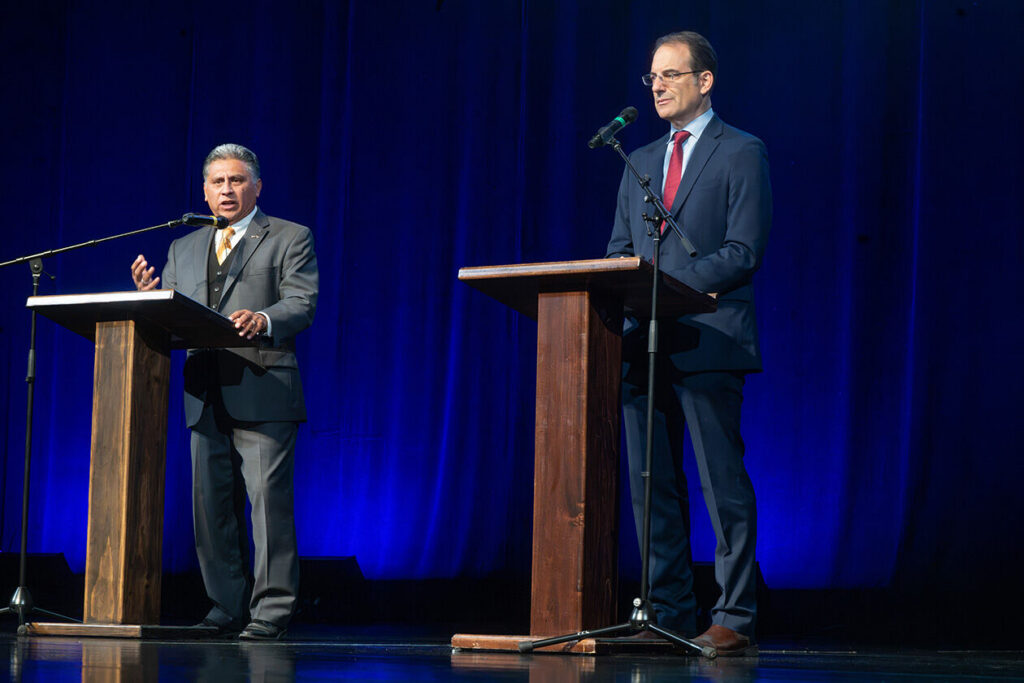
Gubernatorial candidates Phil Weiser, Greg Lopez spar, as Marx skips debate
Deborah Grigsby
deborah.smith@denvergazette.com
Updated 53 minutes ago
Two of the candidates for Colorado governor squared off in a televised debate on Thursday night, when Attorney General Phil Weiser, the Democratic nominee, and former U.S. Rep. Greg Lopez, an unaffiliated candidate, delved into issues of affordability, data center...
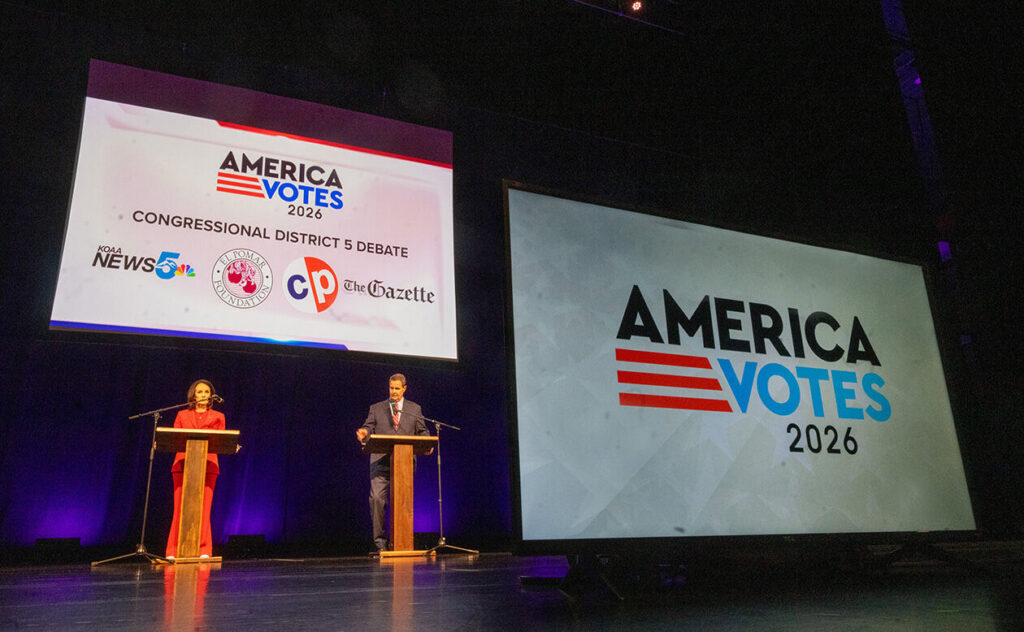
Troops, taxes, war dominate Colorado’s 5th CD debate between Jeff Crank, Jessica Killin
Deborah Grigsby
deborah.smith@denvergazette.com
Updated 2 hours ago
Republican U.S. Rep. Jeff Crank and Democratic challenger Jessica Killin on Thursday night clashed over the war in Iran, the federal budget and healthcare when they took the stage in Colorado Springs for a sold-out debate in the race to...
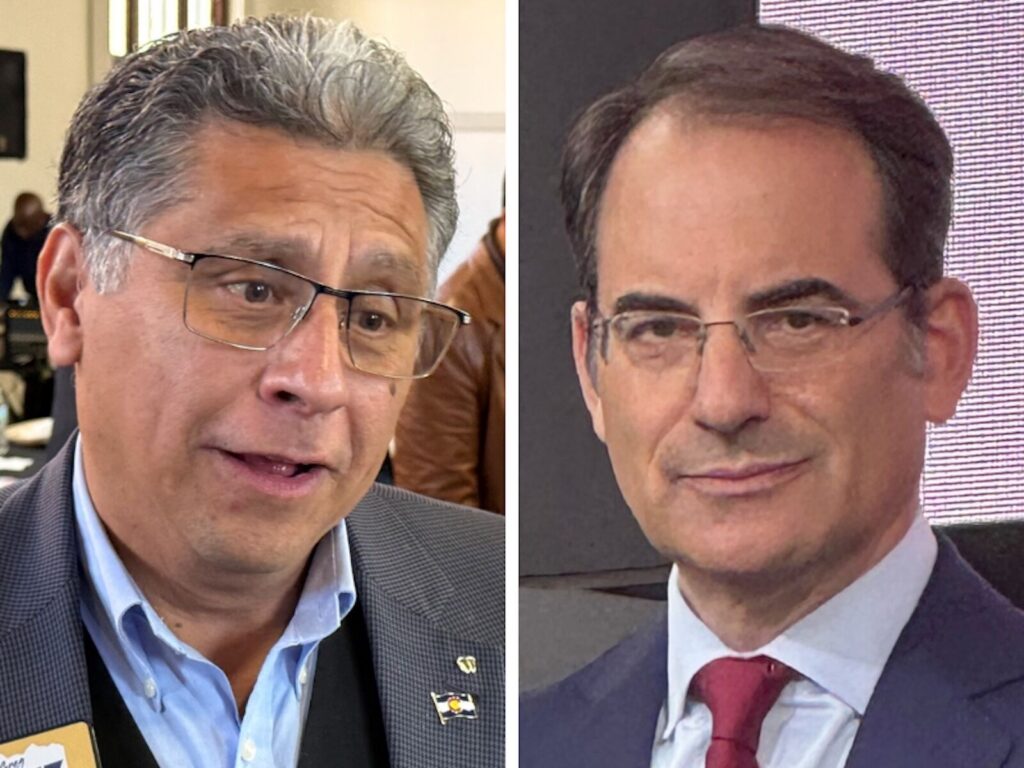
WATCH: Colorado gubernatorial candidates Phil Weiser, Greg Lopez face off Thursday in televised debate
Ernest Luning
ernest.luning@coloradopolitics.com
Updated 3 hours ago
Two of the candidates for governor of Colorado are set to square off in a televised debate for the first time Thursday night, when Attorney General Phil Weiser, the Democratic nominee, and former U.S. Rep. Greg Lopez, an unaffiliated candidate,...
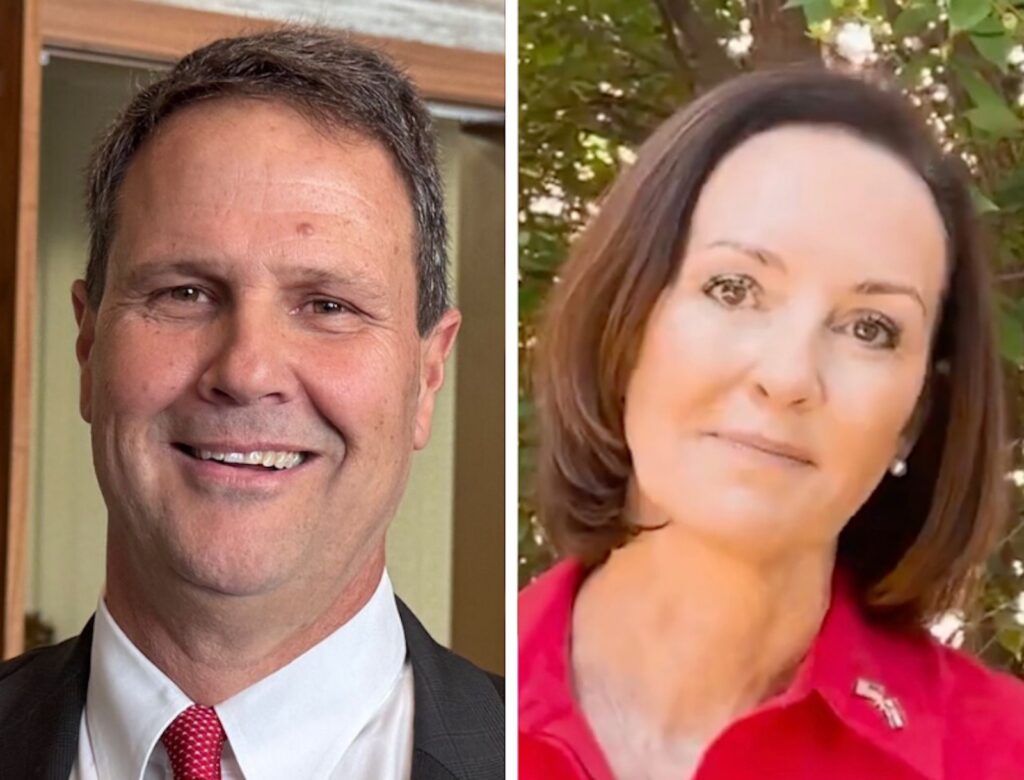
WATCH: Republican US Rep. Jeff Crank, Democratic challenger Jessica Killin debate in Colorado’s 5th CD
Ernest Luning
ernest.luning@coloradopolitics.com
Updated 5 hours ago
Republican U.S. Rep. Jeff Crank and Jessica Killin, his Democratic challenger, are scheduled to meet for a televised debate in the race to represent Colorado’s 5th Congressional District on Thursday night. The candidates are set to take the stage at...
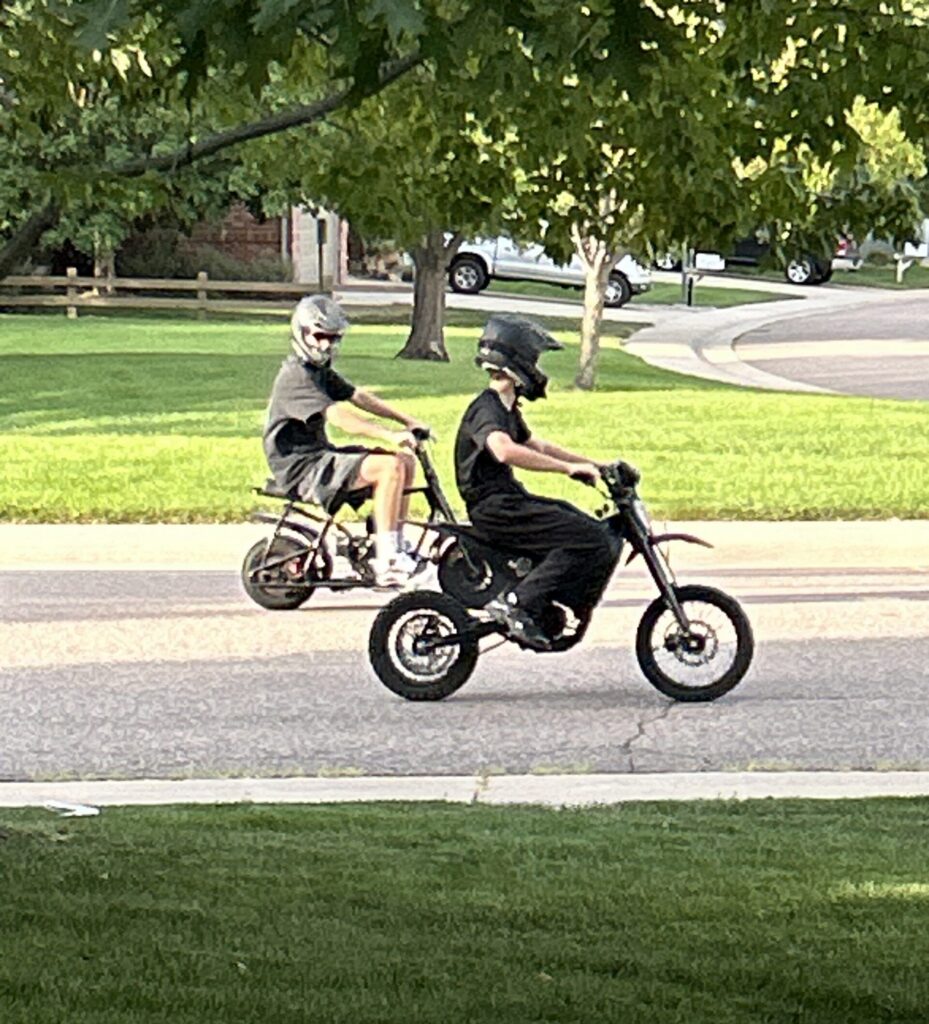
Colorado officials warn of e-bike safety amid increase in serious youth injuries
Matt Kyle
matt.kyle@denvergazette.com
Updated 20 minutes ago
Serious injuries involving e-bikes, e-scooters and children have risen significantly in Colorado over the past year and a half. Traumatic injuries involving e-bikes have risen 184%, according to Alicia Melven, Colorado injury prevention and outreach specialist for Children’s Hospital Colorado’s...
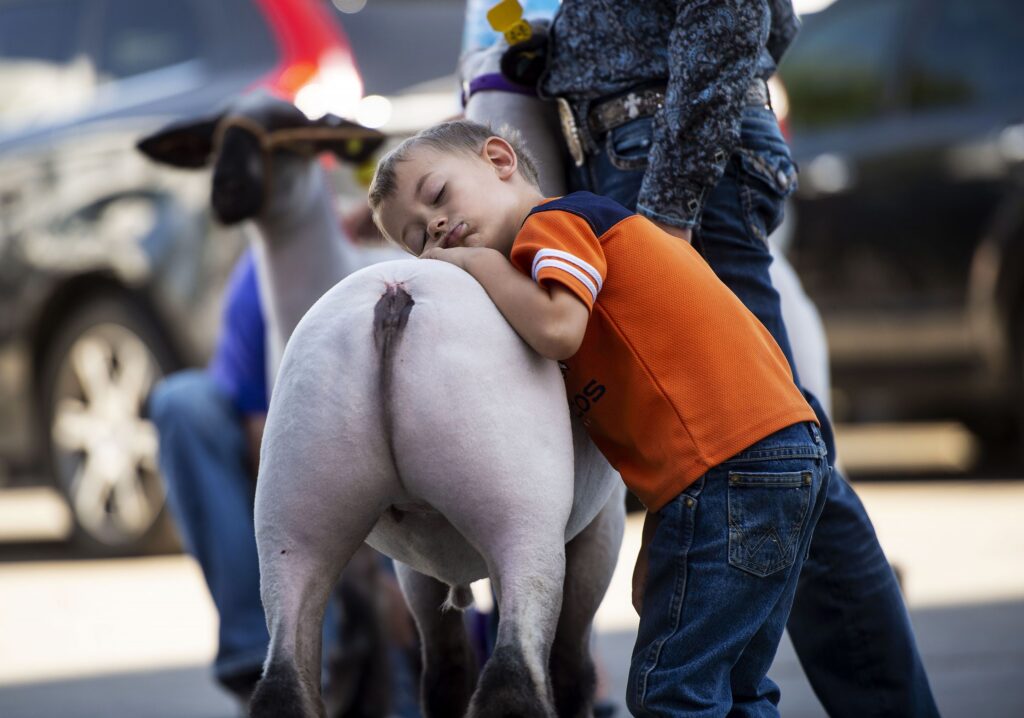
Colorado State Fair youth golf tournament celebrates 11 years
Marianne Goodland
marianne.goodland@coloradopolitics.com
Updated 7 hours ago
Twenty-eight teams tee off Friday at Walking Stick Golf Course in Pueblo for a tournament supporting 4-H, Future Farmers of America and capital improvements at the Colorado State Fair. Now in its 11th year, the Partners of Youth in Ag...

Controversial two-bag furbearer limit heads to CPW meeting under legal threat
Marianne Goodland
marianne.goodland@coloradopolitics.com
Updated 7 hours ago
Next week’s Colorado Parks and Wildlife Commission meeting in La Junta is likely to open under the cloud of threatened legal action. Safari Club International and the Sportsmen’s Alliance Foundation warned the commission this month that its July vote imposing...
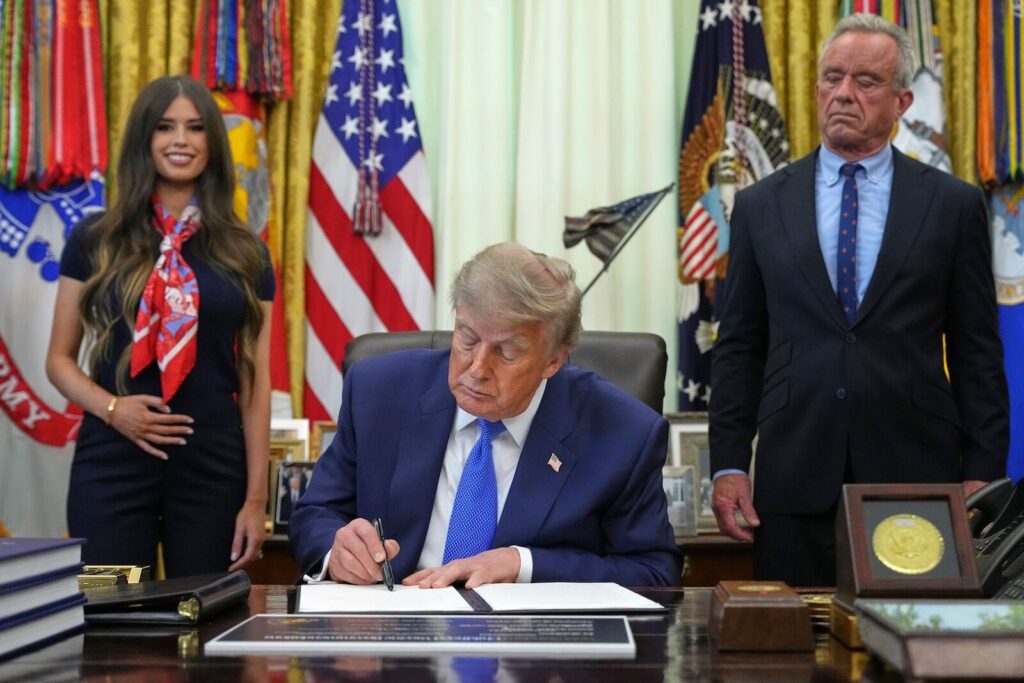
Democratic-aligned poll shows big majority of swing-seat voters support routine childhood vaccines
Ernest Luning
ernest.luning@coloradopolitics.com
Updated 9 hours ago
A new poll conducted by Democratic-aligned groups found that voters in competitive U.S. House districts — including a battleground seat in Colorado — support routine childhood vaccinations by a wide margin and oppose a recent order by President Donald Trump...
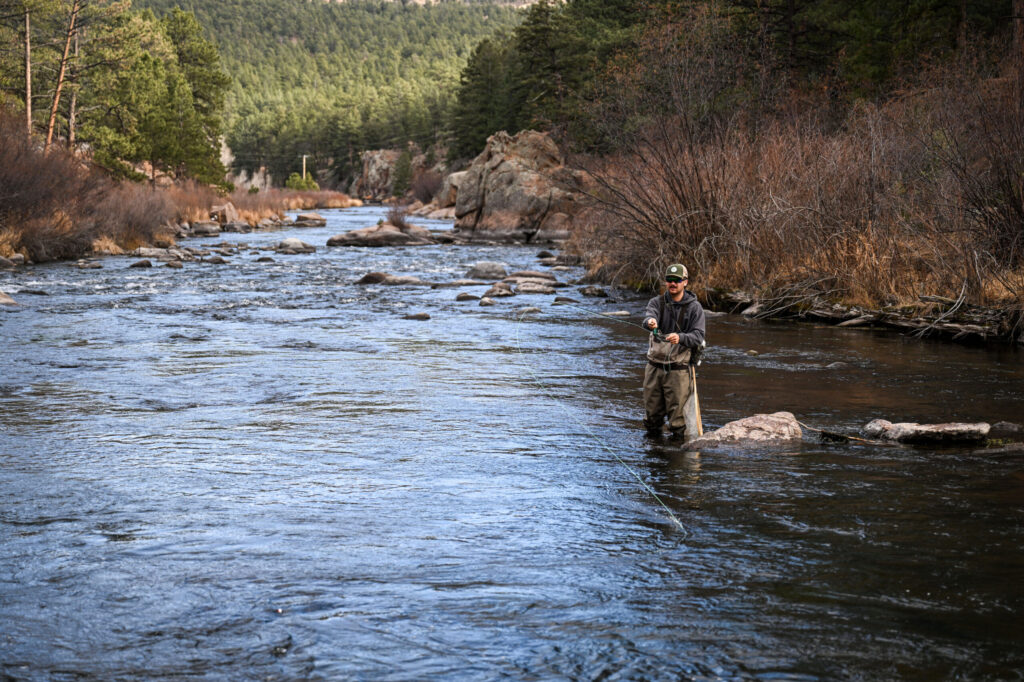
Some Colorado hunters oppose measure establishing constitutional right to hunt, fish proposal, group says
Marissa Ventrelli
marissa.ventrelli@coloradopolitics.com
Updated 4 hours ago
A group that says it represents hunters and anglers from across Colorado announced its opposition to a ballot measure that would establish the right to hunt and fish in Colorado’s constitution, saying it could result in the overturning of bans...
Coalition drops Colorado transportation ballot measure after securing deal
Marissa Ventrelli
marissa.ventrelli@coloradopolitics.com
Updated 5 hours ago
The proposed constitutional amendment seeking to dedicate all transportation-related revenue to Colorado’s roads and bridges will no longer appear in this November’s ballot after its proponents reached an agreement with lawmakers following months of negotiations. Initiative No. 175, backed by...