

What happens when robotaxis meet motorcades in DC? The mother of all traffic jams, says AI expert
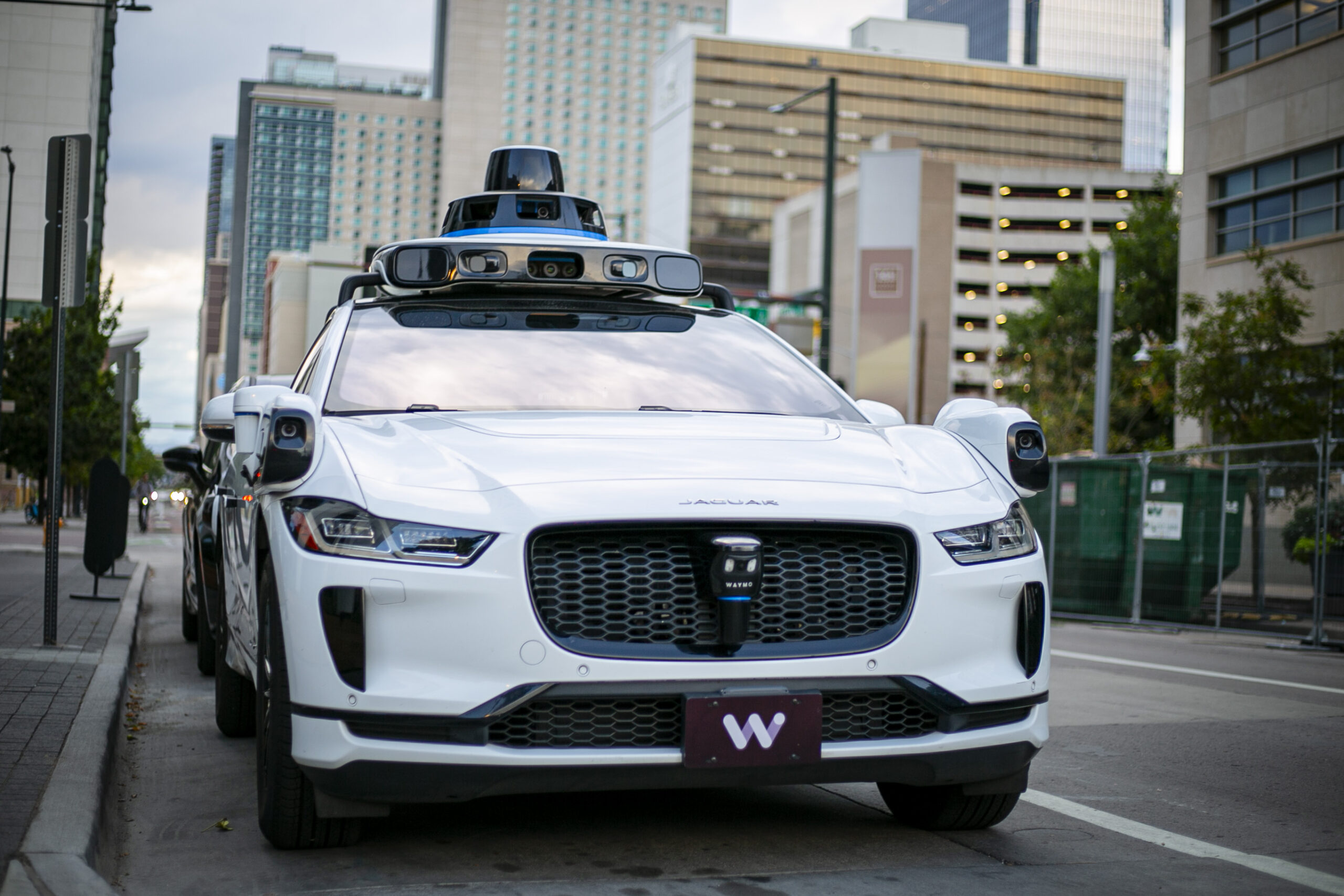
Waymo has Washington, D.C., on its list of targets for self-driving taxis.
Just two problems: Can they cope with motorcades? And how would lawmakers feel if every time the vehicles grind to a halt in front of the flashing lights of a presidential convoy, there is a chance that sensor data, maps, and camera feeds are being sent to staff in the Philippines?
“I’m not sure that people have thought through all the national security issues that go along with having remote operators looking at real-time footage of everything going on in D.C.,” said Dr. Missy Cummings, director of George Mason University’s Autonomy and Robotics Center.
The issue is up before the city council in the fall. It will consider a bill that would allow the deployment of driverless cars offering ride-hailing services, such as Waymo.
At present, self-driving vehicles are legal only if a person is behind the wheel for emergencies.
Waymo is already operating in 11 cities, and has another 21 on its target list. But experts point out that D.C. presents its own problems.
Cummings said uncertainty was the kryptonite of artificial intelligence.
“So as long as everything is going fine and normal, no bad weather, no weird event that’s causing a lot of pedestrians in the street, no motorcades, things will probably go okay,” she said.
D.C., with its VIP visitors, hordes of tourists, daily protests, constant road closures, security cordons, or fences and bollards in front of federal buildings provide exactly the sort of novelty that can cause a driverless car to freeze.
“I think we would see traffic jams in D.C. unlike anything we’ve ever seen,” she said. “Then there is the national security question.”
Waymo uses remote workers in the Philippines, as well as in Michigan and Arizona, to fix problems such as cars freezing up when confronted by new problems.
Waymo Chief Safety Officer Mauricio Pena likened it to a “phone a friend” system when he gave evidence before the Senate Commerce Committee in February.
Add in the fact that the latest Waymo robotaxis are manufactured in Ningbo, China, and the issue has caught the attention of Trump officials.
“This is a serious matter and given the constant threats against the president and officials of this administration, I cannot fathom a scenario where they’d welcome the presence of Chinese made robocars not only surveilling sensitive security areas and landmarks, but imagine stalling out the middle of rush-hour DC when a motorcade trying to get through,” said a source close to the administration.
In the meantime, Waymo is pushing ahead with its plans. Earlier this month, it showed journalists around a 32,000-square-foot depot in D.C., where its robotaxis will be serviced.
Waymo spokesman Ethan Teicher said the company had provided more than 20 million fully autonomous rides, serving the public in more than 11 major U.S. cities.
“However, the District has features that are distinct from other places we operate — from a density of motorcades to its street design based on the historic L’Enfant Plan,” Teicher said. “Waymo has been validating its technology on District streets for almost two years, driving more than 300,000 miles autonomously with a trained validation driver behind the wheel so we can responsibly deploy our service.”
Waymo also says its remote assistance is nothing to worry about. It offers guidance only when requested and does not remotely operate the vehicles, suggesting that foreign nationals using vehicles for sinister purposes is the stuff of sci-fi writers.
Teicher added: “Cybersecurity is core to Waymo’s design and our safety mission. The safety of our technology is protected by its design: it is independently in control of the vehicle and can refuse any guidance it deems unsafe.”
D.C. was once at the front of the line for autonomous vehicles, but regulatory delays mean they won’t be here until next year at the earliest. And that depends on a city council vote that has yet to be put on the calendar.
“D.C. is a unique market for autonomous vehicles and it has numerous potential pratfalls that can hinder not only public safety but in the most extreme cases, national security,” said the source close to the Trump administration. “Until these vehicles are able to adapt to all spontaneous, yet common scenarios, they really aren’t safe for this kind of environment.”

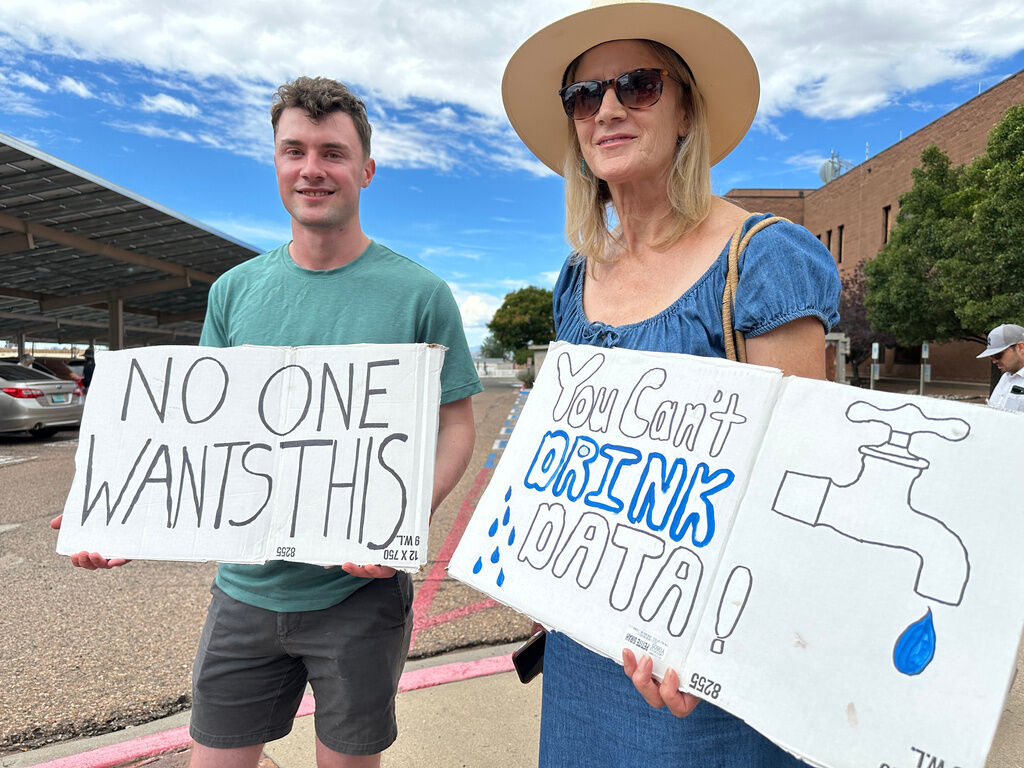
Trump says communities that don’t build data centers will be ‘backwards and poor’
Christian Datoc
christian-datoc@coloradopolitics.com
Updated 58 minutes ago
President Donald Trump criticized the rising wave of anti-data center sentiment, clashing with his administration’s aggressive efforts to build out the domestic artificial intelligence sector. Trump has placed a concerted focus on making the U.S. the global leader in AI,...
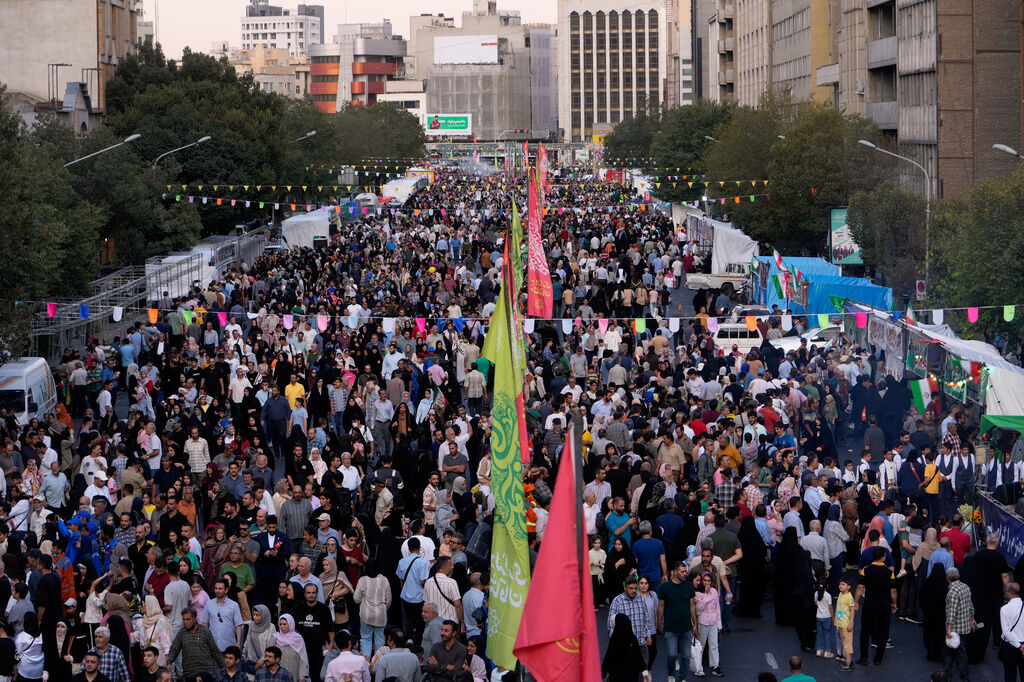
Trump promises retaliation for Iran attacks: ‘We’re going to hit them hard’
Rena Rowe
rena.rowe@washingtonexaminer.com
Updated 1 hour ago
President Donald Trump on Monday vowed to retaliate against Iran following the latest attack on a U.S. base in Jordan, marking a return to military action after weeks of relative calm. “We’re going to hit them hard. There will be...
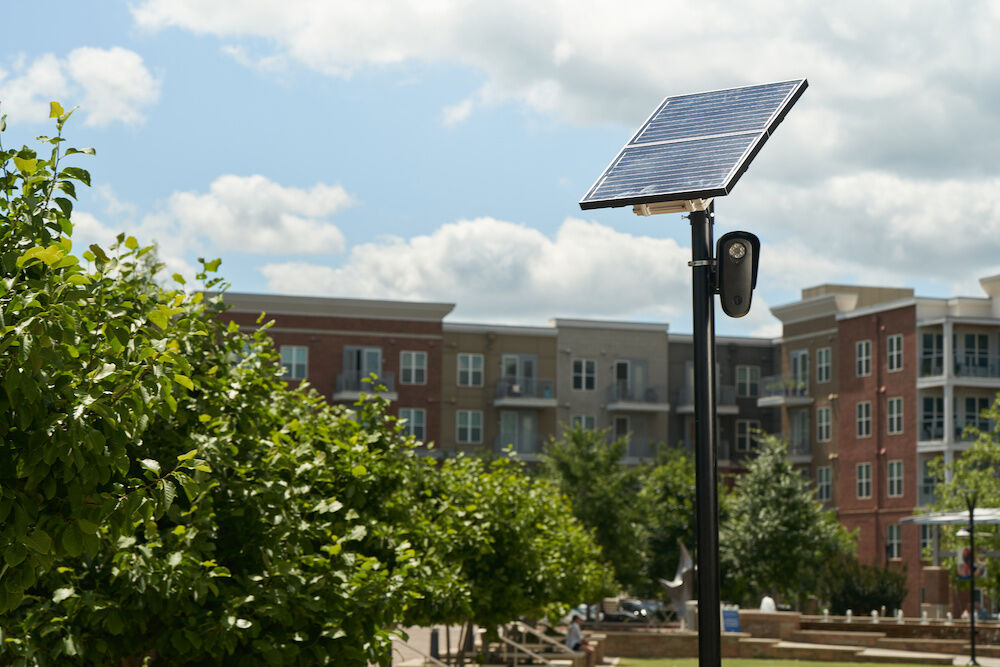
DeFlock started from one man’s curiosity — now Flock cameras are a midterm issue
Claire Carter
claire.carter@washingtonexaminer.com
Updated 3 days ago
Will Freeman wasn’t looking to start a national movement when he launched DeFlock after noticing Flock Safety’s automatic license plate readers along the side of the road. The software engineer was driving across the country in 2024 when the cameras...

House will vote to denounce socialism
Lauren Green
lauren-green@coloradopolitics.com
Updated 3 days ago
The House of Representatives is set to vote next week when lawmakers return to condemn and denounce “socialism in all its forms,” specifically pointing to the growing Democratic Socialists of America organization. The House voted to condemn socialism last year,...
Iran and Oman come to agreement to open Strait of Hormuz, but await US buy-in
Claire Carter
claire.carter@washingtonexaminer.com
Updated 4 days ago
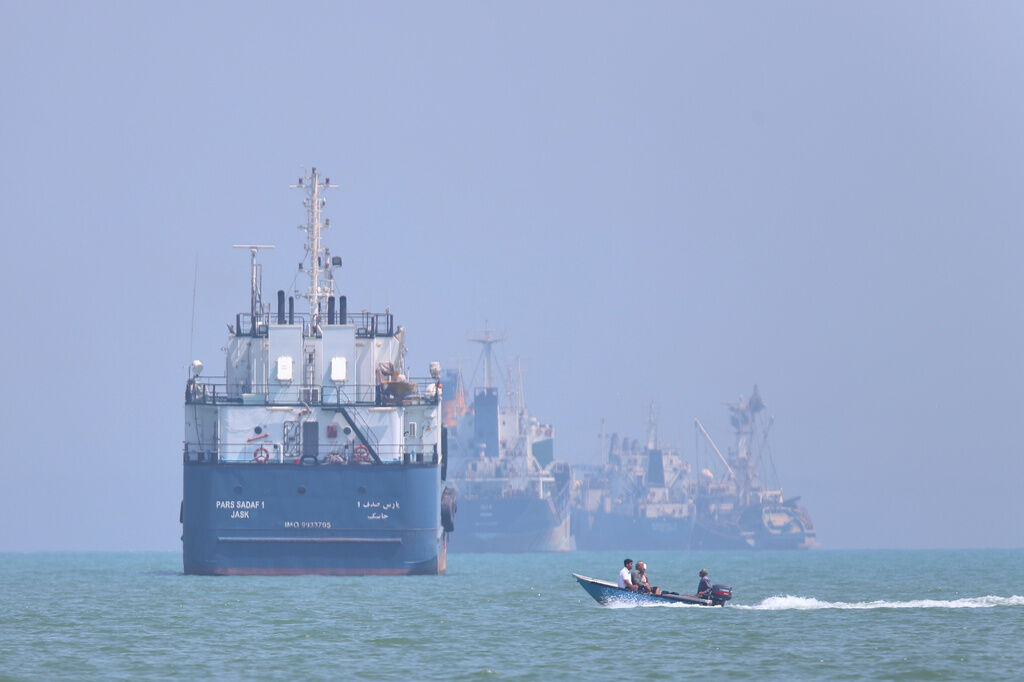
Iran and Oman reached an understanding on a temporary shipping corridor through the Strait of Hormuz, clearing a major hurdle to reopening the critical waterway, but Tehran says implementation depends on the United States meeting a series of demands. The...
Trump faces warning signs among women ahead of midterm elections
Rena Rowe
rena.rowe@washingtonexaminer.com
Updated 4 days ago
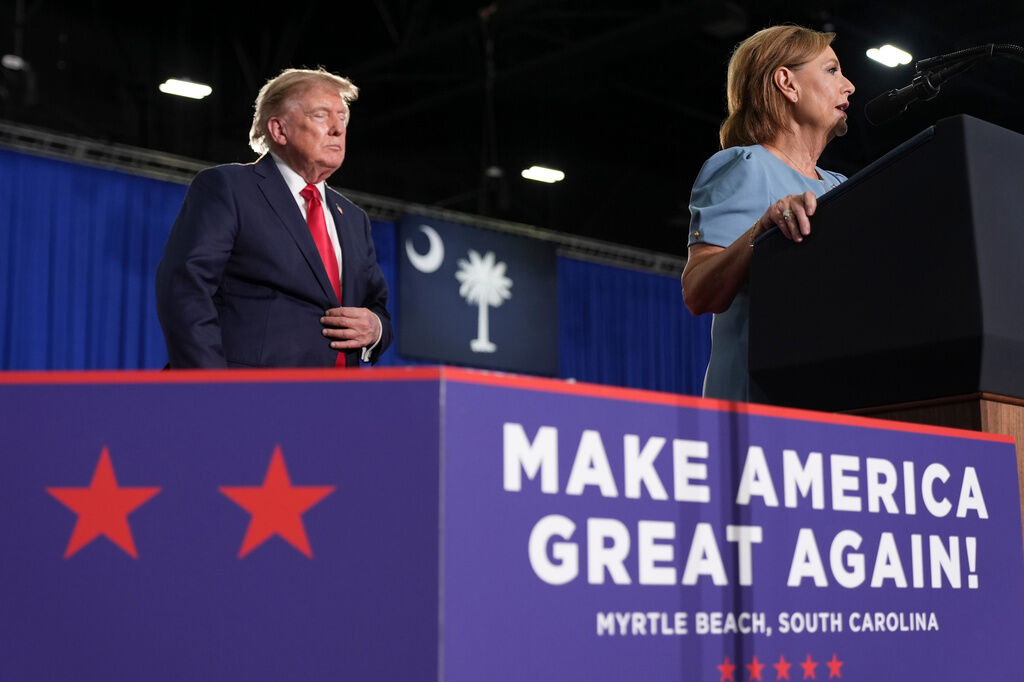
President Donald Trump is facing significant challenges among women voters heading into the 2026 midterm elections, with a new survey showing low approval of his job performance and broad opposition to key policies in his administration’s agenda. A national survey...

Trump says the US doesn’t need Canada. America’s economy says otherwise.
The Associated Press
the-associated-press@coloradopolitics.com
Updated 5 days ago
TORONTO (AP) — U.S. President Donald Trump says his country does not need Canada. But every day, roughly 4 million barrels of Canadian crude oil flow south, helping fuel American cars, trucks and airplanes and supply U.S. industry. And oil...

FDA approves landmark pancreatic cancer drug that’s shown to improve survival
The Associated Press
the-associated-press@coloradopolitics.com
Updated 5 days ago
WASHINGTON (AP) — The Food and Drug Administration on Wednesday approved a groundbreaking new drug for advanced pancreatic cancer, offering U.S. patients a more effective treatment against one of the deadliest types of cancer. FDA officials gave expedited approval to...
Trump defends pause on beef tariffs: Prices are ‘coming down very rapidly’
Naomi Lim
naomi-lim@coloradopolitics.com
Updated 5 days ago
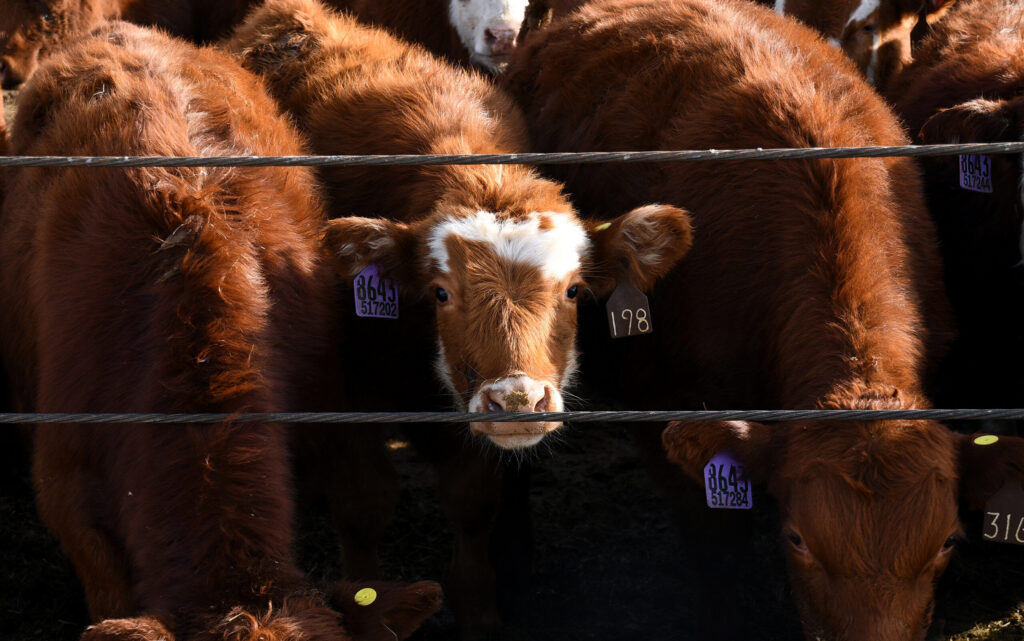
President Donald Trump defended his decision to pause tariffs on some beef imports, even as Republicans criticize the decision. “Prices are coming down very rapidly, and now beef is starting to come down,” Trump told The Glenn Beck Program on...
Colorado’s Ursa Major to go public in $2.3B deal as demand for missiles skyrockets
Bernadette Berdychowski
bernadette.berdychowski@denvergazette.com
Updated 4 days ago
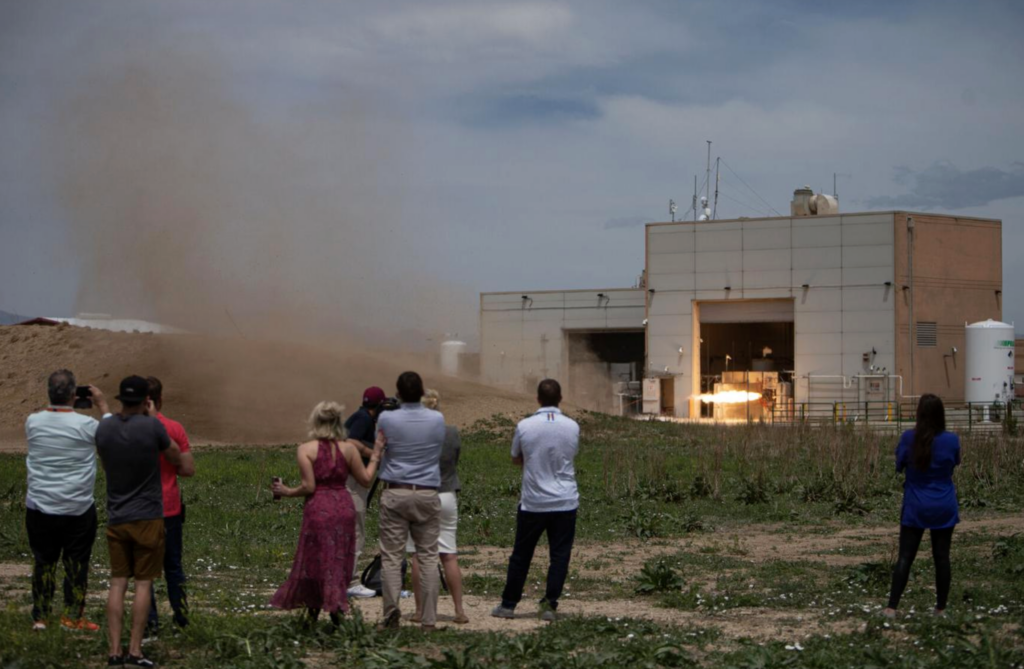
Ursa Major Technologies, one of Colorado’s biggest aerospace and defense companies, is undergoing a period of major growth. Following on the heels of solidifying the creation of more than a thousand jobs for the state, Ursa Major now plans to...
PREV
PREVIOUS

Trump promises retaliation for Iran attacks: ‘We’re going to hit them hard’
President Donald Trump on Monday vowed to retaliate against Iran following the latest attack on a U.S. base in Jordan, marking a return to military action after weeks of relative calm. “We’re going to hit them hard. There will be a response,” Trump told Fox News reporter Trey Yingst in a phone call Monday morning. […]

Trump says communities that don’t build data centers will be ‘backwards and poor’
President Donald Trump criticized the rising wave of anti-data center sentiment, clashing with his administration’s aggressive efforts to build out the domestic artificial intelligence sector. Trump has placed a concerted focus on making the U.S. the global leader in AI, but voters have steadily voiced concerns about building the data centers needed to power the […]