Colorado groups push policies on hunting, taxes, transgender issues this November election
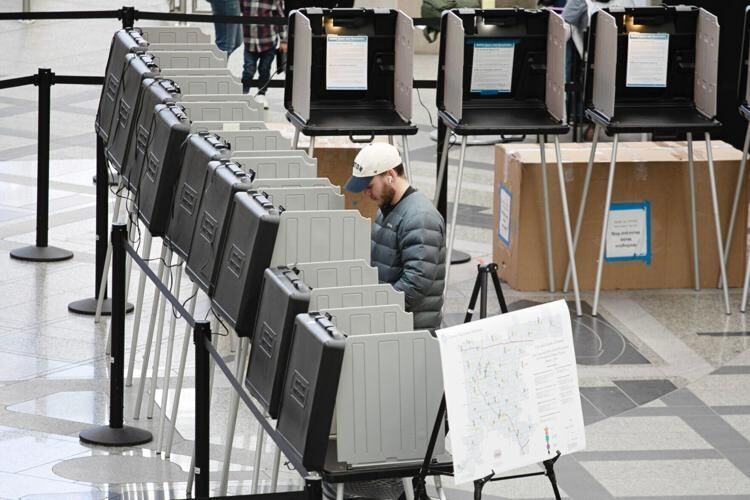
With five initiatives already cleared and many more in the pipeline, Colorado voters will face major policy decisions this fall that would affect their income taxes, how schools deal with transgender athletes and whether hundreds of millions in funding should go exclusively to road maintenance and operations.
Behind the ballot measure fights are issue committees — the political groups formed to support or oppose ballot measures, which are playing an increasingly central role in policymaking as signature‑gathering and legal expenses climb.
According to the Secretary of State’s Office, issue committees are groups whose primary purpose is to support or oppose a ballot measure that have accepted contributions of $200 or more or have printed 200 or more petition sections.
Here’s a breakdown of the issue committees backing or opposing measures approved for November, along with those still working to gather enough signatures to qualify.
Transgender policy
A pair of ballot initiatives backed by the issue committee Protect Kids Colorado — both focused on transgender youth — have qualified for the statewide ballot, along with a third measure dealing with human trafficking of minors.
Initiatives 109 and 110 would, respectively, require students to join sports teams based on their biological sex and ban gender surgeries for minors.
Colorado does not track how many transgender students participate in school sports, but several districts have already adopted policies that bar students from joining teams that do not match their biological gender.
Protect Kids Colorado’s website says its mission is to “mobilize the people of Colorado and the Church to engage with biblical and biological truth.”
The organization’s board of directors includes former state Sen. Kevin Lundberg, Colorado Parent Advocacy Network Executive Director Lori Gimelshteyn, and activist Erin Lee.
According to the most recent campaign contribution report, Protect Kids Colorado has raised about $64,000 and spent about $26,000 so far this year.
After initiatives 109 and 110 qualified for the ballot in March, a coalition of organizations and LGBTQ+ advocates launched Families Not Politics, which opposes the measures.
Families Not Politics describes itself as a “grassroots group of parents, coaches, teachers, doctors, nurses and mental health providers, faith leaders and community members from across Colorado who are standing up to attacks against all Colorado kids and LGBT teens.”
According to its June 1 campaign contribution report, Families Not Politics has raised about $220,000 and spent about $33,000 so far this year.
Graduated income tax
Backed by the Denver-based think tank Bell Policy Center, Initiative 195 is a proposed constitutional amendment to replace the state’s flat income tax rate with a graduated structure, meaning individuals would be taxed at different rates depending on their income.
For example, those making $25,000 or less annually would be taxed at 3.71%, while those making over $1 million would be taxed at 8.41%. Colorado’s current income tax rate is 4.4% across the board.
The measure has drawn criticism from Gov. Jared Polis, who has been outspoken in his support of eliminating state income tax entirely.
During The Colorado Sun’s post-legislative session event, Polis said he believes Initiative 195 would “destroy Colorado’s economy and be absolutely devastating.”
“You can have a graduated income tax that’s not a tax increase,” he said. “That’s not what this is. This is a big tax increase.”
An issue committee known as Protect Colorado’s Future Coalition, represented by Bell Policy Center Executive Director Chris DeGruy Kennedy, has raised about $86,600 and spent about $31,000 so far this year.
Coalition members include the Colorado Fiscal Institute, Colorado PTA, Conservation Colorado, and the Colorado Center on Law and Policy.
“Coloradans work hard to make ends meet,” the organization’s website states. “Our tax system shouldn’t get in the way of their success. We’re fighting for a fair tax code and a Colorado graduated income tax proposal that supports our schools, childcare, health care, and the future we all deserve.”
Road infrastructure dollars
The Colorado Contractors Association is behind Initiative 175, which would require that all transportation-related revenue be used exclusively for building and repairing roads and bridges, improving safety, conducting transportation planning and engineering, and supporting Colorado State Patrol operations.
Organizers submitted over 180,000 petition signatures to the Secretary of State’s Office for review last week. To qualify for the ballot, 124,000 of those signatures need to be valid.
Restore Our Roads, the issue committee supporting the measure, is represented by Michael A. Hancock. According to the coalition’s website, only 34% of Colorado’s roads are in “good” condition, and the American Society of Civil Engineers gave the state a D+ grade for its roads and highways in 2025.
Financial records showed that Restore Our Roads has raised more than $1.8 million and has spent most of that to get the initiative on the ballot.
At the state Capitol, lawmakers passed legislation that would effectively negate Initiative 175 should it pass, arguing that it would divest about $700 million from other critical programs like health care and education.
“Nobody would argue that we need to better fund roads in our state,” said House Speaker Pro Tempore Andrew Boesenecker, D-Fort Collins, who sponsored the legislation. “However, if you’re going to propose that the voters are being asked to do this for the price of nothing, of course, the voters are going to say yes.”
He said the real issue comes when you ask whether the hospital might have to shut down, which, he added, is a much bigger question.
“Anyone who drives our roads knows how bad they are. Potholes and crumbling pavement are costing me and other drivers across the state time and money,” Hancock, the Initiative 175 proponent, countered in a statement.
Constitutional right to hunt and fish
The newly formed issue committee called The T. Roosevelt Conservation Alliance is pushing for a constitutional amendment establishing Coloradans’ right to hunt and fish and declaring hunting and fishing as the state’s preferred means of “responsibly managing fish and wildlife populations.”
Initiative 302 is currently in the signature-gathering phase. Proponents must collect about 124,000 valid signatures by Aug. 3 to qualify for the November ballot.
The T. Roosevelt Conservation Alliance appears to be a branch of the International Order of T. Roosevelt, a nonprofit organization that advocates hunting as a conservation tool.
“We must protect the North American Model of Wildlife Conservation that is so closely tied to our namesake’s legacy,” the organization’s website states. “The International Order of T. Roosevelt will stand up against bad actors to protect our hunting heritage and at-risk wildlife habitats before they are gone.”
Luke Hilgemann, the organization’s director from Wisconsin, is also the Conservation Alliance’s chairman.
The T. Roosevelt Conservation Alliance has raised $750,000 and spent $300,000 so far this year, according to the Secretary of State’s Office.

Gov. Polis signs law allowing ‘conversion therapy’ recipients to sue providers
Marissa Ventrelli
marissa.ventrelli@coloradopolitics.com
Updated 60 minutes ago
Gov. Jared Polis on Monday signed a bill enabling individuals who underwent “conversion therapy” to seek damages from practitioners, calling it harmful and ineffective as he also moved to prohibit state funding for it. Conversion therapy refers to practices that...

Rediscovering the shared purpose that brings us Coloradans together again | Miller Hudson
Miller Hudson
miller-hudson@coloradopolitics.com
Updated 21 hours ago
Perhaps a good place to start considering gerrymandering is to take a closer look at Elbridge Gerry, signer of the Declaration of Independence, a member of Congress, Massachusetts governor and fifth vice president of the United States. Born in 1744,...
Colorado Republicans elect software engineer Craig Steiner to fill vacant state chairman position
Ernest Luning
ernest.luning@coloradopolitics.com
Updated 8 hours ago
The Colorado Republican Party on Saturday elected Craig Steiner to fill the party’s vacant state chair position at a state central committee meeting in Buena Vista, just over a week before primary ballots go out to voters and five months...

Pay raises for incompetence at the Colorado Capitol | Jon Caldara
Jon Caldara
jon-caldara@coloradopolitics.com
Updated 2 days ago
By Jon Caldara I am personally responsible for helping overpay socialists to make Colorado unaffordable, overregulated and one windstorm away from a power blackout. I failed you. Colorado legislators already get automatic inflation raises. You know, just like your job...
Founding documents reconnect us to our shared American roots – and rebelliousness | Vince Bzdek
Vince Bzdek
vince.bzdek@gazette.com
Updated 2 days ago
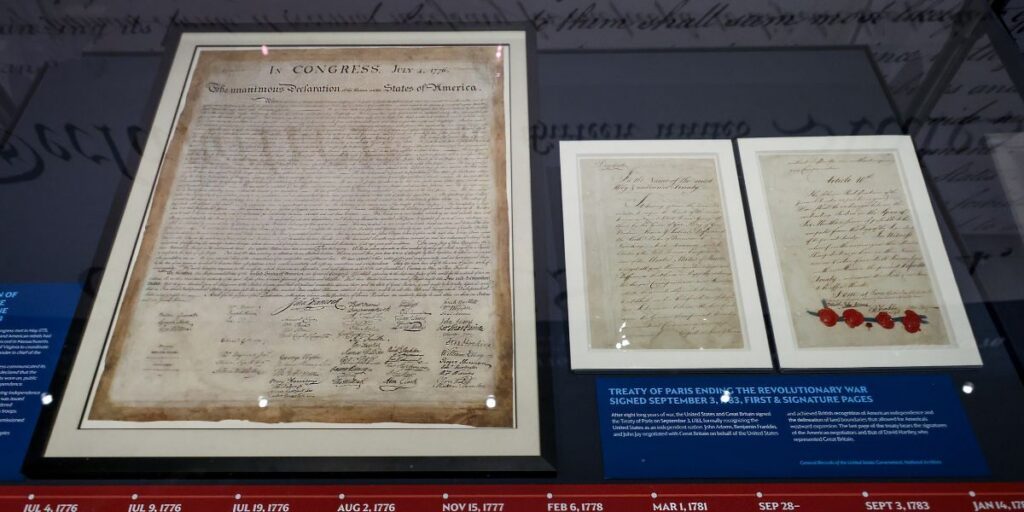
When you first lay eyes on the actual founding documents of our country that, for the first time in history, have traveled together from their gilded cages in Washington to visit us out here in the hinterlands, you’re struck not...
Attorney General Phil Weiser’s underdog campaign for Colorado governor | Cronin and Loevy
Tom Cronin Bob Loevy
tom-cronin-bob-loevy@coloradopolitics.com
Updated 6 hours ago
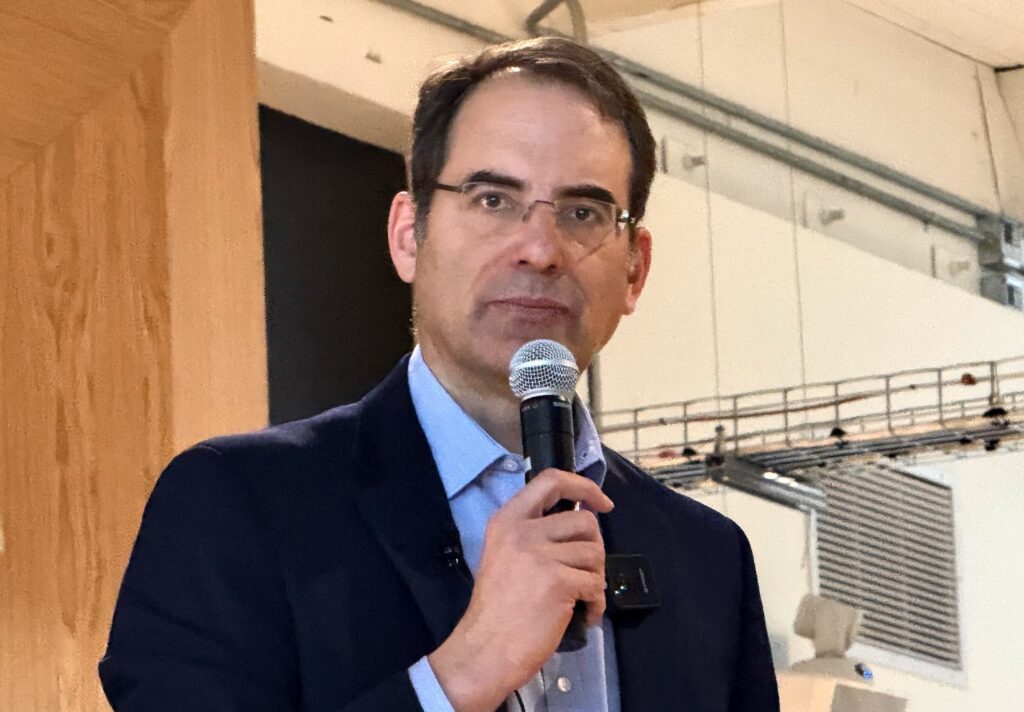
Phil Weiser, 58, Colorado’s attorney general, is in a heated race against U.S. Sen. Michael Bennet, 61, for the Democratic nomination for governor. They are friends and share mostly similar progressive, Democratic policy views. Primary election day is June 30....
Gov. Jared Polis vetoes bill requiring disclosure from administration lobbyists
Marianne Goodland
marianne.goodland@coloradopolitics.com
Updated 2 days ago
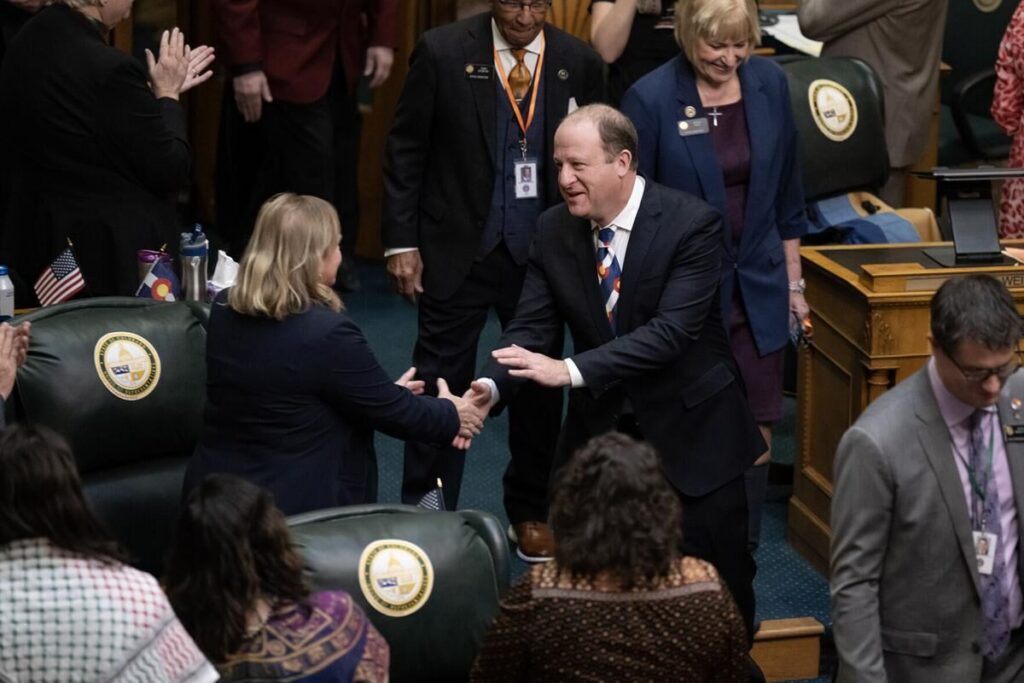
Gov. Jared Polis on Friday vetoed a bill that would have required executive branch lobbyists to follow much of the same disclosure rules that already govern other Capitol lobbyists. Lobbyists for organizations are required to state their clients’ position on...

Gov. Jared Polis blocks Colorado Lottery’s move to allow credit card sales
Marianne Goodland
marianne.goodland@coloradopolitics.com
Updated 2 days ago
Gov. Jared Polis on Friday signed legislation to block the Colorado Lottery’s move to allow the purchase of tickets with credit cards, effectively reversing his earlier position. Last November, Polis had said that he supported the decision of the Colorado...

Colorado Democratic attorney general candidates clash over experience and Trump lawsuits
Marianne Goodland
marianne.goodland@coloradopolitics.com
Updated 3 days ago
Colorado’s four Democratic candidates for attorney general clashed sharply Thursday night in a debate that repeatedly returned to one theme — whether the state’s top lawyer should be a courtroom veteran or a political fighter. The contenders additionally sparred over...
Colorado governor signs new regulations on AI chatbots for minors
Marissa Ventrelli
marissa.ventrelli@coloradopolitics.com
Updated 3 days ago
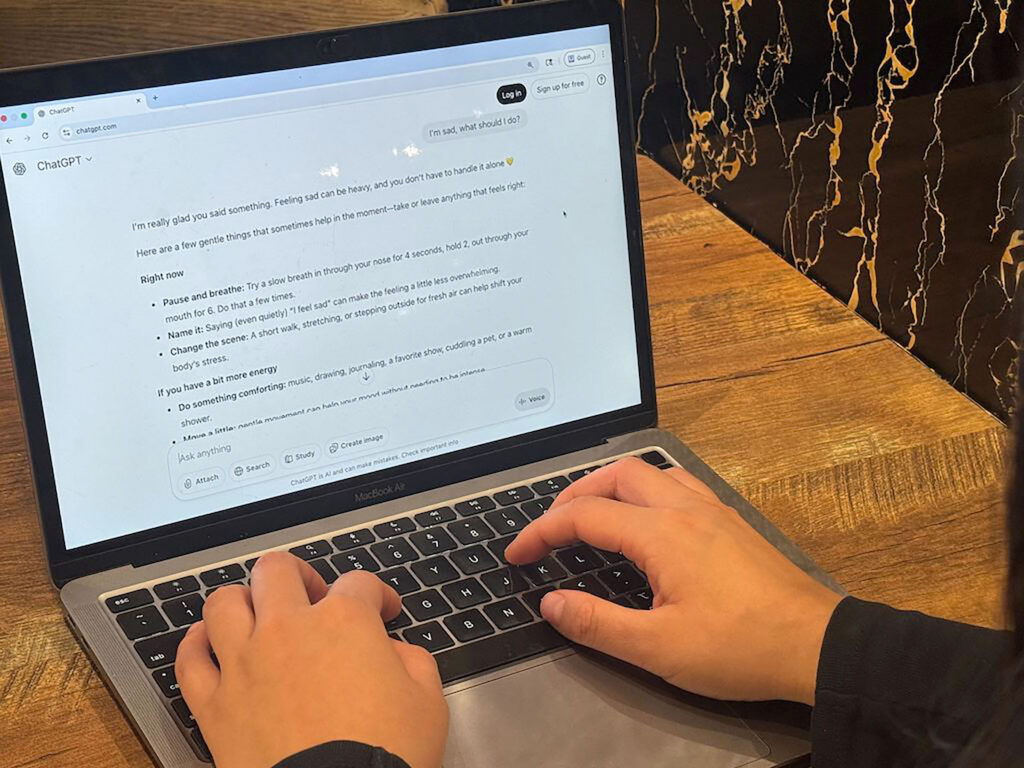
Colorado will impose restrictions on AI chatbots used by minors after Gov. Jared Polis on Friday signed a bill requiring developers to disclose when kids are talking to a machine and block features that can mimic intimacy or encourage addictive...