

High-potency hemp products are hurting Colorado kids | GUEST COLUMN

By Heidi Lawrence
Six years ago, my daughter, by most metrics, was a typical overachieving teenager. She was a straight-A, pre-professional ballet dancer. She loved school and art, had lots of friends, and above all else, she was kind, funny and driven.
Unfortunately, her life was derailed upon her discovery and usage of THC. I watched how exposure to THC over time can end up sending a teenager into a psychotic episode. I know because I watched it happen to my daughter, over and over again for several years. It nearly destroyed our family.
Now, at 19 years old, Ella struggles with daily functioning, having abandoned her hopes of a college education, pursuing ballet and art, along with losing most childhood friendships. I don’t say this to fear-monger, but to bring awareness to the dangers of what high-potency THC does to developing brains. Thankfully, Congress voted to close the federal hemp loophole last year. Now, as industry lobbyists press Congress to reopen the hemp loophole, I want to make it clear what’s at stake and why it’s so important it remain closed.
In 2018, Congress legalized industrial hemp production in order to help support our nation’s agricultural industry. They saw it as a way to help create a new economic avenue for farmers across the country. But companies began taking advantage of a loophole in the law, manufacturing intoxicating products with synthetic THC they could say was “hemp-derived” and sell with no regulation.
My family’s experience with this compound has driven me to learn far more about the dangers of THC than any parent should ever have to know. Research shows these hemp products aren’t just littered with dangerous components like pesticides and synthetic chemicals, but are also sold with inaccurate labels and require no age verification.
Worst of all, these products are specifically tailor made to prey on children, as they did on mine. These companies have chosen to deliberately market hemp products as everyday snacks that catch the eye of teenagers and young adults, following the same playbook as big tobacco. This means any child can simply walk into a gas station, buy any hemp product of their choosing, and walk out the door, without any questions asked due to a lack of restrictions. This has led to a significant number of children consuming THC products without even being aware. According to the Food and Drug Administration, 83% of unintentional edible THC cases that required medical care were children.
Colorado officials banned these dangerous products and Congress rightfully closed the hemp loophole last November. This was a necessary decision that will help save lives. However, the industry is already fighting to reopen it. They will tell you it’s about protecting farmers or economic opportunity, but they’ll leave out the part about the children who’ve ended up in emergency rooms or in psychiatric hospitals or the families who’ve been torn apart. Instead of even considering reopening the hemp loophole, Congress should instead be considering what the next best course of action is for protecting children from dangerous hemp products.
The answer is simple.
When I think about other families, other 13-year-olds who might be where Ella was six years ago, I think about what we owe them. We owe them every protection we can provide, systems that treat their developing brains as more important than someone’s profit margin, and adults who will say no to an industry that has shown, over and over again, it will exploit children if we let it.
Congress got this right when they closed the hemp loophole. Our members of Congress should ask themselves a simple question: What matters more — the profits of an industry that targets children, or the children themselves?
For Ella, and for every child like her, I hope they choose the children.
Heidi Lawrence advocates for substance use disorder (SUD) education; facilitates Community Reinforcement and Family Training (CRAFT) classes and serves on the advisory council for Signal Behavioral Health Network. Lawrence also is a nonprofit development professional, with more than 15 years of experience serving organizations in Boulder County.


Wolf killed would have kept preying on livestock, Colorado agency says
Marissa Ventrelli
marissa.ventrelli@coloradopolitics.com
Updated 4 hours ago
A gray wolf killed on June 12 in Routt County would have “likely continued” its pattern of chronic depredation had it not been removed, according to a report issued by Colorado’s wildlife agency. The uncollared wolf was responsible for killing...

What makes a ‘real American’ after all? | Miller Hudson
Miller Hudson
miller-hudson@coloradopolitics.com
Updated 3 days ago
I presume in each generation of a family there’s a member who assumes the role of heredity tracker. In mine it’s been my father, also Miller, followed by my twin brother, Richard. We still possess copies of correspondence returned to my...

7 years in, Colorado Springs Democratic socialists say they’re making inroads
DEBBIE KELLEY
debbie-kelley@coloradopolitics.com
Updated 2 days ago
If further proof is needed that the political arena in Colorado Springs isn’t like matchups in Denver, the Democratic Socialists of America is a case in point, say some people involved with the local chapter of the nationwide organization. It’s...
The Weiser-Bennet primary election political geography | Cronin & Loevy
Tom Cronin Bob Loevy
tom-cronin-bob-loevy@coloradopolitics.com
Updated 3 days ago
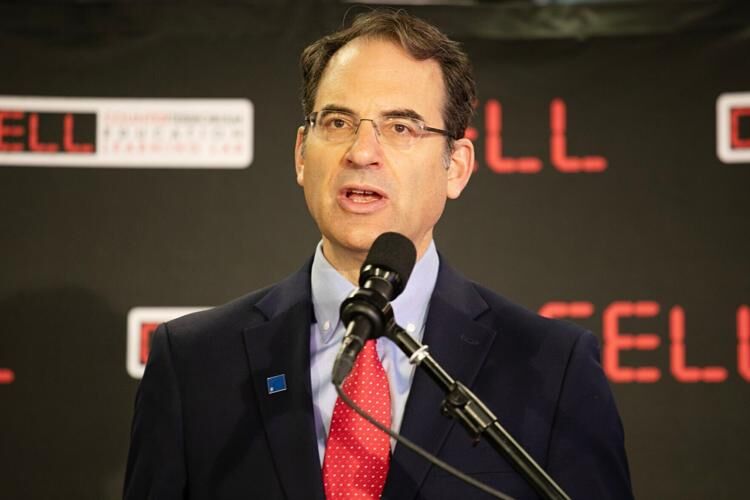
Regional analysis of the vote in the recent Democratic Party primary election for governor of Colorado shows primary election winner Phil Weiser sweeping the Denver metropolitan area with 59.4% of the vote. Weiser’s losing opponent, U.S. Sen. Michael Bennet, garnered...

What Colorado could look like in a year under a Gov. Phil Weiser | Jon Caldara
Jon Caldara
jon-caldara@coloradopolitics.com
Updated 4 days ago
Why is it that Victor Marx is going to become a superb governor? Because he’s the self-proclaimed world’s fastest at disarming someone holding a gun to his head. Seriously, watch the videos. It’s pretty impressive. How could I not vote...

Half of Americans don’t know what the 250th anniversary celebrates | Vince Bzdek
Vince Bzdek
vince.bzdek@gazette.com
Updated 2 days ago
Do you want the good news or the bad news, America? Let’s start with the bad: Nearly half of all Americans don’t know what America’s 250th anniversary commemorates (namely, the adoption of the Declaration of Independence), according to a new...

Turnout surges and winning margins stretch as final returns post in Colorado’s 2026 primary
Ernest Luning
ernest.luning@coloradopolitics.com
Updated 2 days ago
County clerks finished posting unofficial results in Colorado’s primary election on Friday, drawing a line under a series of nominating contests that witnessed upsets, surprises and outright shockers by the time the votes were tallied. While the outcome changed in...
Gov. Polis outlines vision for Colorado’s higher ed, workforce development
Marissa Ventrelli
marissa.ventrelli@coloradopolitics.com
Updated 3 days ago
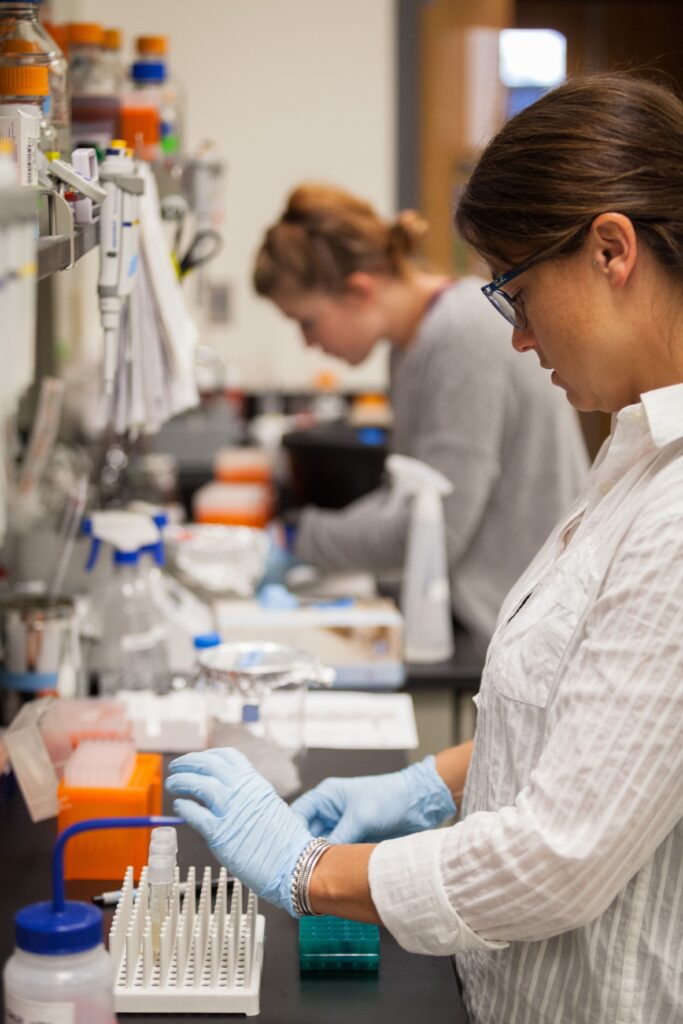
Gov. Jared Polis spoke with the Colorado Commission for Higher Education on Friday about his vision for the future of the state’s higher education and workforce training programs, telling the commission that the state needs to do a better job...

Polis tobacco stance is a win for the addiction-for-profit industry | GUEST COLUMN
Colorado Politics
colorado-politics@coloradopolitics.com
Updated 4 days ago
By Eric Anderson Give Gov. Jared Polis points for sticking to his guns. Despite a healthy heaping of criticism, Polis has refused to back down from his surprising 2024 tweet expressing excitement for the selection of Robert F. Kennedy Jr....
Gabe Evans challenger Manny Rutinel makes House Democrats’ ‘Red to Blue’ program in Colorado’s 8th CD
Ernest Luning
ernest.luning@coloradopolitics.com
Updated 4 days ago
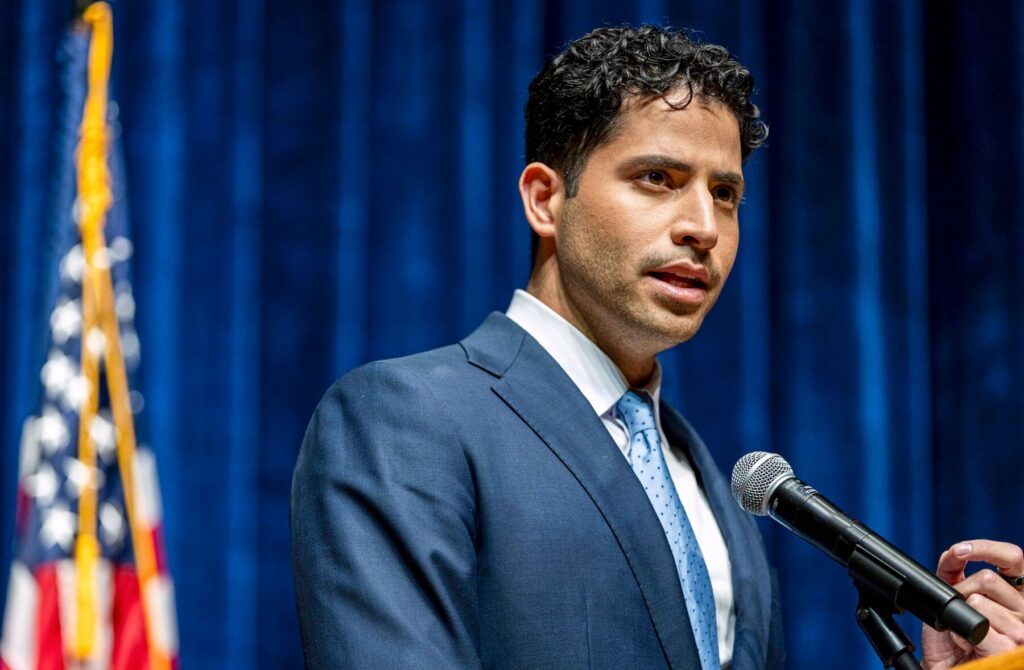
The House Democrats’ main campaign arm on Thursday added state Rep. Manny Rutinel to its “Red to Blue” program, saying the party’s freshly minted nominee in Colorado’s battleground 8th Congressional District is primed to flip the seat held by Republican...
PREV
PREVIOUS

Republicans Kirkmeyer, Bottoms say they won’t back Marx if he wins Colorado’s gubernatorial primary
Two of the Republicans running for governor of Colorado said Tuesday night in a debate that they won’t support the third candidate if he wins next month’s primary election. State Sen. Barb Kirkmeyer and state Rep. Scott Bottoms said that Colorado Springs-based ministry leader Victor Marx, the race’s fundraising leader, won’t have their backing if […]
Trends to track as Colorado's in precarious position pre-gubernatorial primaries | Paula Noonan
As they say on Colorado Public Radio’s Marketplace, let’s do the numbers. April 2026 voter registrations continued a long-term Colorado trend with a large majority of new or changed voter registrations joining the unaffiliated cohort. Total registrations of Democrats, Republicans and unaffiliated active voters increased from April 2025 to April 2026 by 566,731. Unaffiliated voter […]