Note to Colorado lawmakers — parents protecting kids isn’t abuse, it’s their job | OPINION

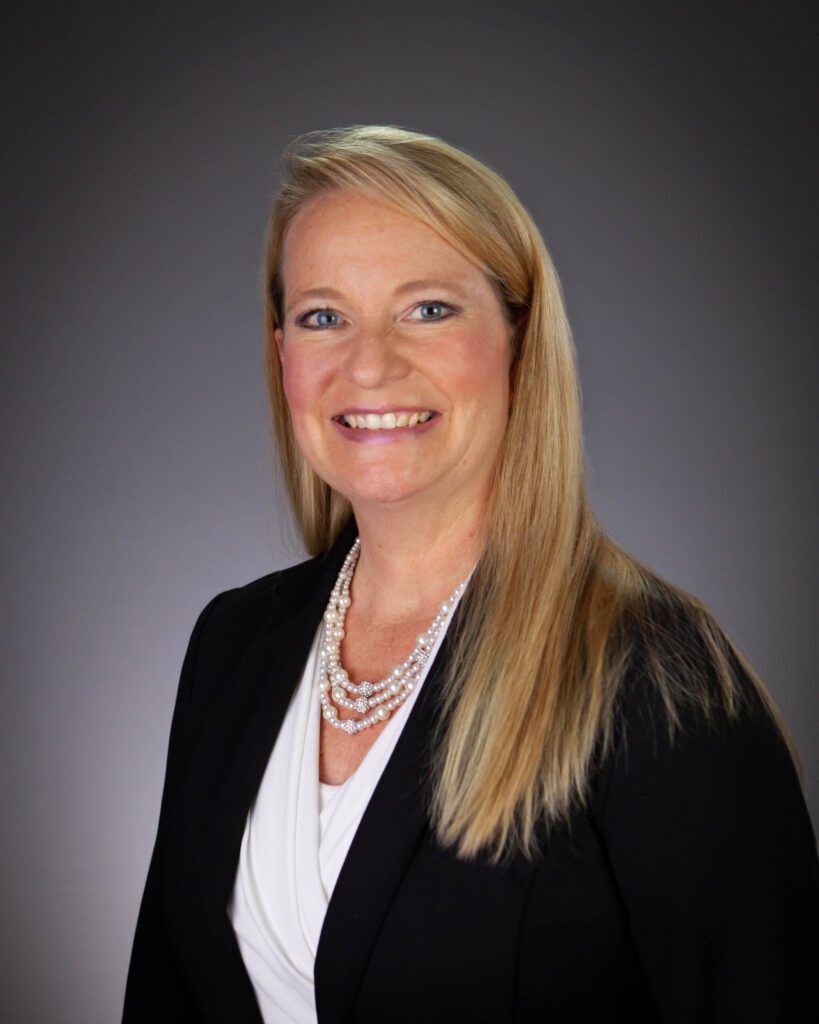
By Matt Sharp and Sharon Supp
During the last few years, the U.S. Supreme Court has made at least one thing clear: Colorado is consistently overreaching to apply its laws in unconstitutional ways.
Colorado treated a cake artist with hostility because of his religious beliefs in Masterpiece Cakeshop v. Colorado Civil Rights Commission. The state threatened to coerce the speech of a graphic designer in 303 Creative v. Elenis. And last week, in an 8–1 vote in Chiles v. Salazar, the Supreme Court held a Colorado law violates basic First Amendment principles by censoring counselors from helping children regain comfort with their biological sex.
Given this history, it should come as no surprise another problematic bill is working its way through the Colorado legislature.
On the same day as its most recent Supreme Court loss, Colorado held a hearing to consider House Bill 26-1309. Like its prior efforts that have been condemned, this bill is another attempt to impose the state’s radical ideology on its citizens.
HB26-1309 does that by interfering with parents’ constitutional right to make important decisions regarding what’s best for their child. The bill passing out of committee clearly demonstrates Colorado hasn’t learned its lesson about what it means to respect the Constitution, despite repeated losses for violating fundamental rights.
For more than 100 years, the Supreme Court has affirmed parents — not the government — have primary authority over their children’s critical life decisions. And for good reasons. Parents know and love their children best and are most uniquely positioned to be their child’s advocate and protector.
HB26-1309 rightfully prohibits threats to truly harm a child, but its definition of “coercive control” is so broad it sweeps in many normal parenting practices of caring parents.
For example, the bill defines “coercive control” to include a parent who monitors their child’s “activities, communications, or movements, including through technology.” This means a responsible parent who tracks their child’s social media use or monitors their physical location through popular apps like the Find My or Life360 could be considered abusive in custody proceedings.
A parent who uses the Screen Time feature to limit what apps their child accesses, which websites they visit, and how long they use their phone could be accused of exercising “coercive control” over their child by “regulating or controlling… the child’s… activities (and) communications.”
And grounding one’s child from spending time with certain friends the parent deems bad influences could be labeled “coercive” because the parent is “isolating (them) from friends.”
The bill’s definition of “health-related abuse” is also sweeping. And under HB26-1309’s provisions, the possibilities for redefining normal and responsible parental decisions as abuse are endless.
Consider, for example, many teenage girls struggle with self-esteem and feel self-conscious about certain facial features. Cosmetic surgery among teens is on the rise. But, under HB26-1309, a parent who refuses to take their teenage daughter for elective procedures to reshape her nose, ears, or breasts could be considered “interfering” with her access to “medical care, medicine (and) health-related services.”
And earlier this month, a new study from Finland indicated adolescents who received gender transition hormones and surgeries had “significantly more psychiatric morbidity” than their peers. Evidence like this is why many families are choosing “watchful waiting” for a child experiencing gender distress, rather than experimental medical interventions. Yet HB26-1309 could declare such prudent parental decisions as abuse.
Parents overseeing their children and protecting them from harm isn’t “coercive control.” And it isn’t abuse. It’s their responsibility.
HB26-1309 would effectively upend the historical legal framework governing custody determinations. Under relevant law and landmark Supreme Court cases like Parham v. J.R., parents are presumed fit and are presumed to act in their child’s best interests. This presumption has long prevented the government from overriding a parent’s authority absent a specific finding of unfitness.
This bill departs sharply from that principle. And it turns more than 100 years of Supreme Court precedent on its head. It risks sweeping many otherwise fit and loving parents into an unsubstantiated “abuser” category. And good parents could lose custody of their children when they need them the most.
We should also not overlook the simple fact the bill is unnecessary. Colorado has long had statutes on the books regarding domestic violence and abuse. Another one isn’t needed — and certainly not one that intrudes on loving parental guidance with regard to technology, relationships and health care decisions, and unjustly labels those parents as “coercive.”
Colorado shouldn’t be about driving a wedge between loving parents and their children. Parents and kids deserve better. And the Constitution demands it.
Matt Sharp is senior counsel and director for the Center for Public Policy with Alliance Defending Freedom(@ADFLegal). Sharon Supp is legal counsel for the ADF Center for Parental Rights.


H.R. 1 underscores unfairness in Colorado tax code | OPINION
Colorado Politics
colorado-politics@coloradopolitics.com
Updated 3 hours ago
By Caroline Nutter On July 4, 2025, Colorado’s budget was overturned with the stroke of a pen. When President Donald Trump signed into law H.R. 1, or the One Big Beautiful Bill Act, he didn’t only cut federal funding by...
Colorado lawmakers grapple with spending cuts amid $1 billion-plus deficit
Marianne Goodland
marianne.goodland@coloradopolitics.com
Updated 5 hours ago
The battle over Colorado’s budget for next year — which stalled in the House over a procedural maneuver — entered a more difficult phase on Thursday, when legislators grappled with hundreds of millions of dollars in proposed reductions to balance...

Colorado bill reshaping RTD board advances
Marissa Ventrelli
marissa.ventrelli@coloradopolitics.com
Updated 8 hours ago
A proposal to reshape the Regional Transportation District’s leadership easily cleared a committee vote Wednesday, advancing the bill sponsors say is needed to revive a transit system still struggling to regain riders and public trust. Critics have countered that, while...

Colorado Democrat John Hickenlooper pulls in nearly $1.4M in 1st quarter, heads into primary with $4M
Ernest Luning
ernest.luning@coloradopolitics.com
Updated 5 hours ago
U.S. Sen. John Hickenlooper’s campaign raised nearly $1.4 million in the first quarter of 2026 and plans to report more than $4 million on hand heading into Colorado’s June primary, the first-term Democrat’s campaign said Thursday. That brings Hickenlooper’s total...

Republican Ron Hanks plans ‘grassroots’ primary challenge to US Rep. Jeff Hurd in Colorado’s 3rd CD
Ernest Luning
ernest.luning@coloradopolitics.com
Updated 9 hours ago
Colorado Republican Ron Hanks, a former state lawmaker, plans to challenge first-term U.S. Rep. Jeff Hurd in the 3rd Congressional District primary by seeking a spot on the June ballot at the GOP’s district assembly in Pueblo on Friday, Colorado...

House GOP stalls Colorado budget debate by forcing full reading of 661-page bill
Marianne Goodland
marianne.goodland@coloradopolitics.com
Updated 9 hours ago
A procedural battle at the Colorado Capitol boiled over on Wednesday night, when a House Republican demanded the 661‑page state budget be read aloud in full — a move that delayed the advance of the proposed $46.8 billion spending plan....

Colorado lawmakers propose changes to family court procedures | Bills in Brief
Marissa Ventrelli
marissa.ventrelli@coloradopolitics.com
Updated 1 day ago
Colorado lawmakers introduce hundreds of bills each year. Bills in brief cuts through the noise by explaining which proposals matter, what’s at stake, and how decisions at the Capitol could affect everyday life across the state. Colorado lawmakers from both parties are...

Colorado Medicaid director’s resignation long-overdue inflection point for our families, kids | OPINION
Colorado Politics
colorado-politics@coloradopolitics.com
Updated 3 hours ago
By Heidi Baskfield For years, the consequences of a strained and fragmented Medicaid system have fallen on those least able to navigate it — the children with complex needs and the families fighting to care for them. Though policy debates...
The danger of when government goes rogue | Paula Noonan
Paula Noonan
paula-noonan@coloradopolitics.com
Updated 14 hours ago
It’s dangerous, even fatal, when government goes rogue whether in a democracy or autocracy. Government officials who ignore or taunt laws that constrain bad acts should be given the heave ho. We’re witnessing these egregious scenarios now at the federal...

The future of Colorado condo development | OPINION
Colorado Politics
colorado-politics@coloradopolitics.com
Updated 14 hours ago
By Peter LiFari For nearly two decades, the story of condominium construction in Colorado has been mistold, misunderstood and misrepresented. This outcome reflects the cumulative effect of more than two decades of Colorado policy, beginning with the Construction Defect Action Reform...