

Officials, residents respond to Lakewood rezoning special election results

Nearly 17,000 residents fought back against Lakewood zoning changes on Tuesday, reversing the ordinances put in place that sought to allow for more housing density.
The City of Lakewood’s special election regarding the zoning code changes put in place in October was held Tuesday after nearly a year of debate. About 16,700 residents voted to rebuff the proposed changes, instead sticking with the zoning enacted around 2014.
The ballot included four questions, each involving a different ordinance in the nearly 400-page zoning code update. A “yes” vote meant opposing the zoning changes while a “no” vote was in favor of keeping the changes.
Ultimately, between 16,600 and 16,700 residents voted yes on each question. Meanwhile, between 9,300 and 9,500 voted no.
The official results are set to be announced by April 17.
“If the results hold, then I believe this shows how the people of Lakewood feel,” Karen Gordey, head of opposition group Lakewood Citizens Alliance, told The Denver Gazette on Wednesday.
Lakewood Citizens Alliance was one of several resident groups that worked together on a petition that caused the special election, arguing that residents wanted the right to decide on the zoning changes themselves.
Those who were in favor of the changes allege misinformation and fearmongering from the opposing camp, potentially leading to a vote that was not based on facts.
“When homeowners are inaccurately told that their home is under threat, they vote accordingly,” Sophia Mayott-Guerrero, Make Lakewood Livable campaign manager and a former councilmember, said.
Make Lakewood Livable was the biggest campaign in favor of the zoning changes.
“It was never just about this election, it was about creating a more compassionate system, and that continues to be an important goal,” Mayott-Guerrero added.
The changes aimed to create more multifamily housing development by allowing for “residential dwellings” — an umbrella category encompassing single-family homes, duplexes, triplexes and townhomes — on once single-family lots, according to supporters.
Critics said they would alter the character of neighborhoods without achieving their ends.
The opposition was never about the need for affordability, but whether the changes would actually create affordability, according to resident Joy Anderson.
“It’s not that we don’t want affordability, it’s just that upzoning established neighborhoods won’t create affordability,” she said. “You’re going to sacrifice quality of life in older neighborhoods. I’m not against affordability. We’re not rich.”
Now that the code will remain in its prior form, the city will maintain eight different residential districts instead of the three proposed in the changes. Seven allow single-family homes and accessory dwelling units that have met specific standards. Two include permitted uses of duplexes. One includes multi-family dwelling units and attached dwelling units.
None are single-family residential use only.
All eight districts include permitted use of group homes. Some allow bed and breakfast buildings, cemeteries, day cares and even golf courses.
Moving forward
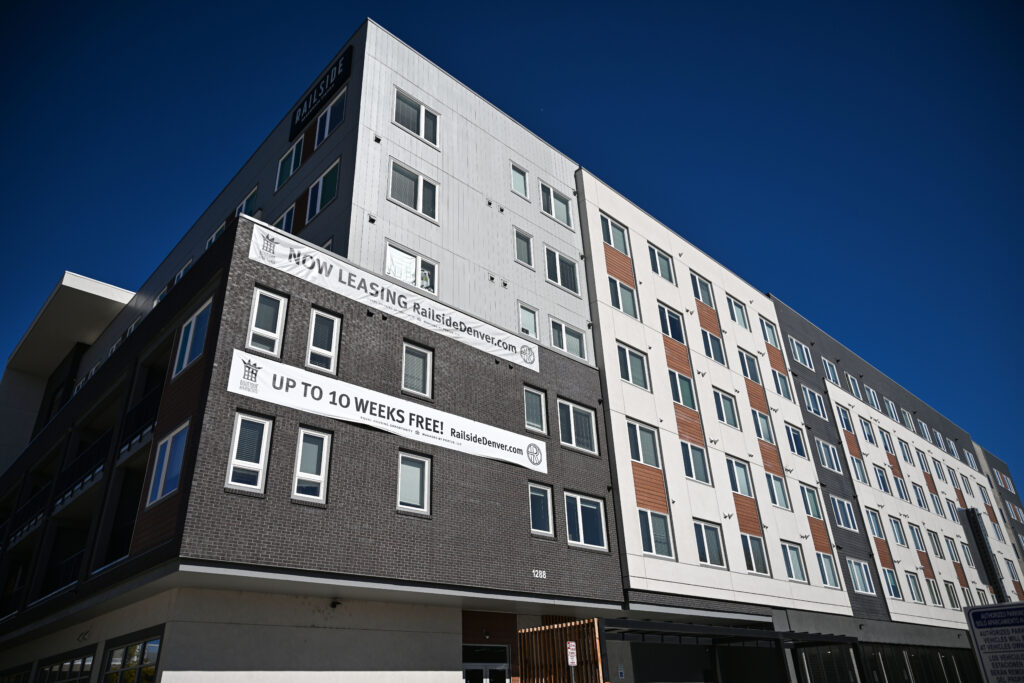
The special election was the second time in five months that metro Denver voters have rejected efforts to permit multiple housing types in predominantly single-family home neighborhoods.
Last November, Littleton residents also sided with critics in voting against the city’s “density” campaign. The arguments for both sides looked identical to those in Lakewood.
But with only around 25% of registered voters turning out for Lakewood’s special election, questions still remain around how — or if — to approach affordable housing in the future.
“The people of Lakewood have spoken, and it’s too bad that the loudest voice in this entire election was the voice that remained silent and refrained from voting all together,” Ben David Hensley, a resident in favor of the zoning changes, said.
The priority of figuring out affordable housing in the future remains on the minds of officials.
“I hope both sides of the issues, and the 75% of voters who didn’t weigh in, will join in to move together as neighbors with this behind us,” Councilmember Isabel Cruz told The Denver Gazette.
Cruz added that she heard from some “yes” voters that they want affordable housing but didn’t agree with how the city chose to approach it — much like Anderson said.
“I just hope that all of the folks who were the most vocal, especially on Nextdoor, will be deeply involved in the revision zoning process,” resident Suzy Rosemeyer wrote on social media. “It’s not enough to just say ‘no’ to change. Please get involved and make positive contribution to the process.”
Even the opposing groups agreed that open discussions around the future should be held.
“When the council would bring up one of the ordinances and pass it the same night, that wasn’t public engagement,” Anderson said. “When you say the word affordability, what does that even mean? Give me a number. Tell me what you’re talking about and what you can build.”
“We are hopeful that (the) City Council will engage in meaningful and thoughtful discussions going forward,” Gordey said. “As well, this particular election cycle was a pretty divisive topic and as a community we need to begin healing and come to common ground.”
“It’s too early to know what course we may chart from here, but setbacks are an opportunity to revisit, refine and re-direct,” Mayor Wendi Strom told The Denver Gazette.

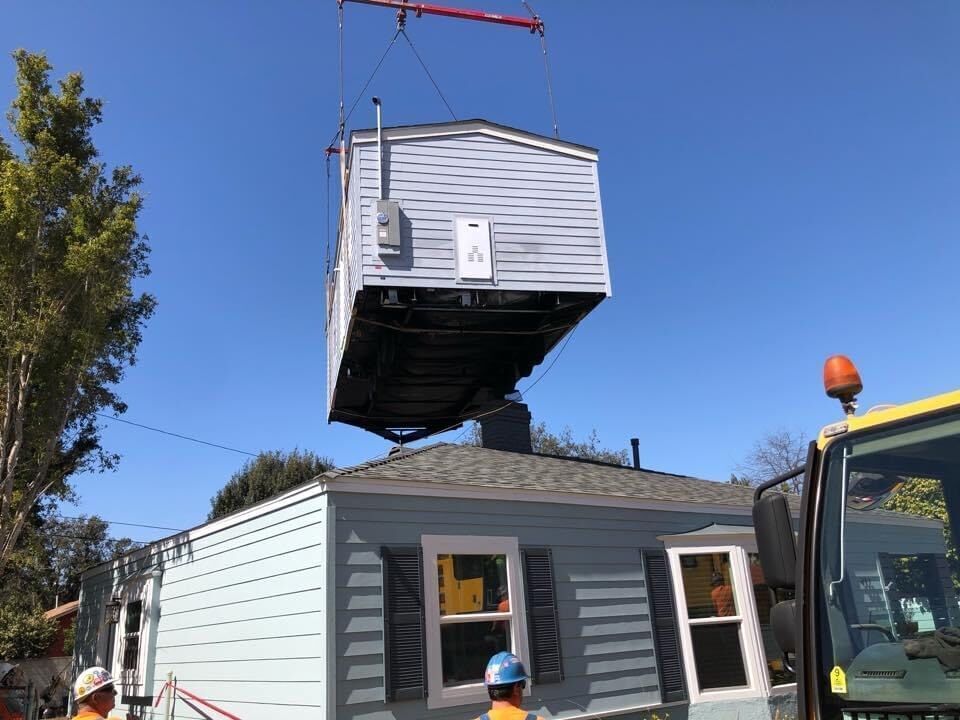
Colorado Springs, other front Range cities oppose proposal to permit lot‑splitting
Marianne Goodland
marianne.goodland@coloradopolitics.com
Updated 4 days ago
Colorado lawmakers are pressing ahead with a plan to let homeowners split their lots to make room for smaller, less expensive houses — a proposal that has drawn sharp opposition from Colorado Springs, Aurora, Denver and other Front Range cities...
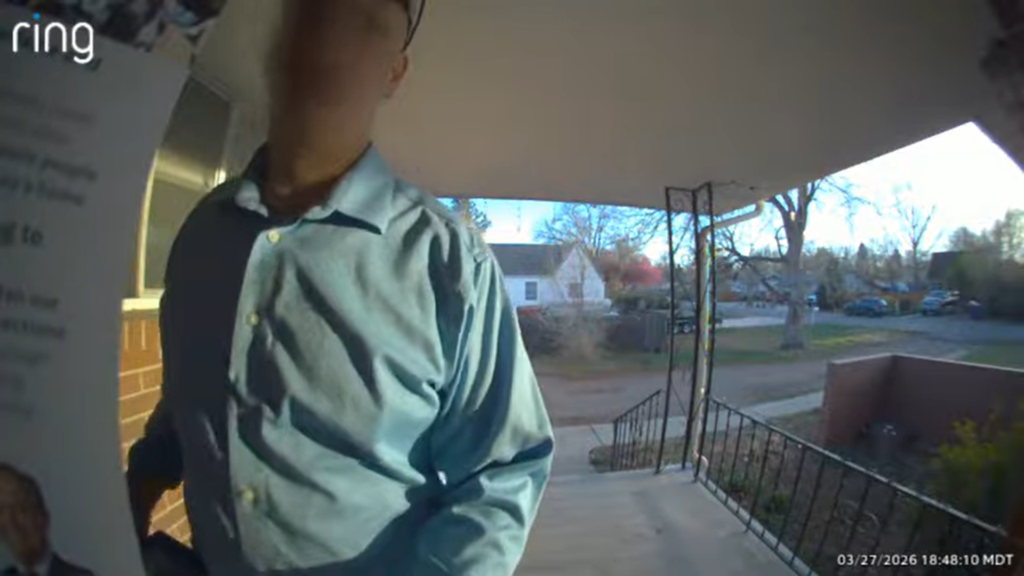
Lakewood zoning canvasser accused of stealing opposition material
Sage Kelley
sage.kelley@denvergazette.com
Updated 4 days ago
Allegations of sign stealing and electioneering have emerged in the Lakewood special election over zoning. A resident recently shared security camera footage online of a man appearing to steal an opposition door knocker. Meanwhile, the city also filed a complaint...

Gov. Jared Polis signs housing bills amid push for ‘affordability’
Marissa Ventrelli
marissa.ventrelli@coloradopolitics.com
Updated 2 weeks ago
Gov. Jared Polis held the first public bill signing of the 2026 legislative session on Wednesday on a pair of housing measures that, sponsors said, are aimed at affordability. Part of Democrats’ “affordable” housing package this year, the bills —...
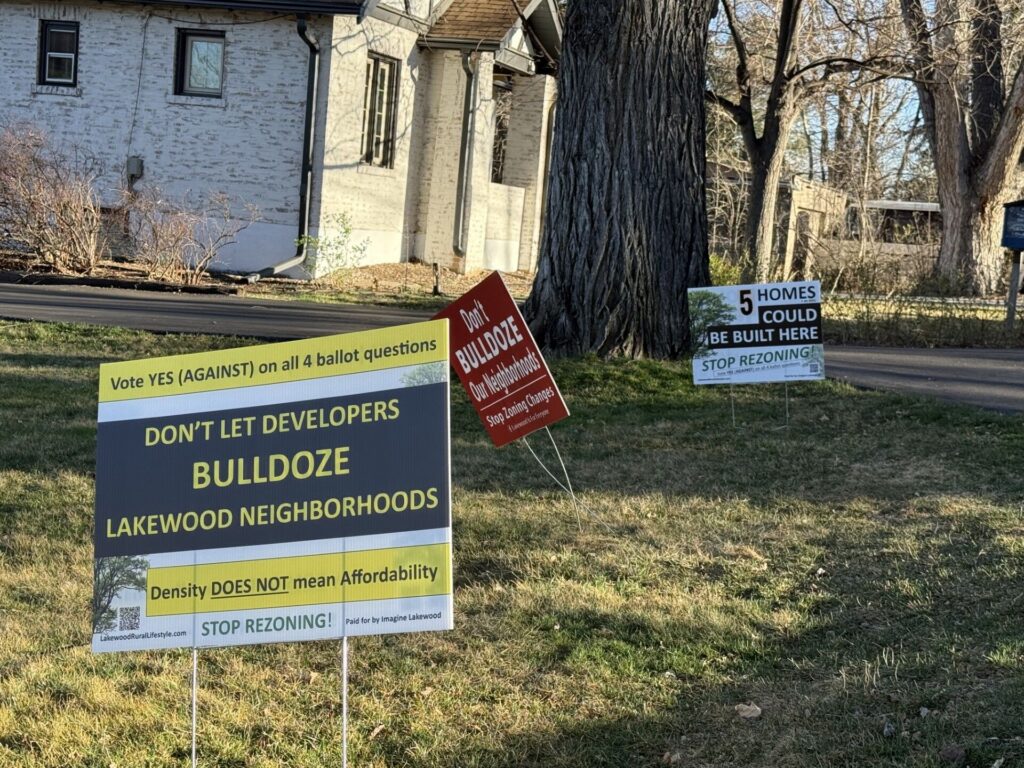
What to know before Lakewood’s zoning special election
Sage Kelley
sage.kelley@denvergazette.com
Updated 3 days ago
Contentious Lakewood zoning changes will be decided by voters at the beginning of next month. Ballots have been sent to all active registered Lakewood voters ahead of the April 7 special election that will cost the city $155,000 to conduct,...

Artificial intelligence working group agrees on framework to replace Colorado law
Marianne Goodland
marianne.goodland@coloradopolitics.com
Updated 3 weeks ago
A group that has been working on artificial intelligence policy has reached an agreement on a framework that would replace the regulations adopted by Colorado legislators two years ago. The agreement has the backing of Gov. Jared Polis, who reluctantly...

The Turnberry tension: Adams County lawsuit highlights questions around metro districts
Sage Kelley
sage.kelley@denvergazette.com
Updated 3 weeks ago
Homeowners of a small neighborhood in Commerce City remain confused and irate about the future of their property taxes in the aftermath of a lawsuit between the metropolitan district where they live and a bank. The conflict stems from a...

Greeley voters halt landmark development project
Hap Fry, Special to The Gazette
hap-fry@gazette.com
Updated 1 month ago
GREELEY – The landscape-altering Cascadia development project has been put on ice, according to unofficial results of a city referendum on the project Tuesday. The proposed development would have included an 8,600-seat multiuse arena and ice center that would be home to the Colorado Eagles,...

Bipartisan opposition sinks eviction bill in Colorado
Marissa Ventrelli
marissa.ventrelli@coloradopolitics.com
Updated 1 month ago
Two Democrats sided with Republicans on a legislative panel to reject a proposal that would have made several changes to eviction filings and proceedings, including requiring judges to suppress court records. Sponsored by Rep. Junie Joseph, D-Boulder, House Bill 1047...
Democratic lawmakers propose changes to landlord-tenant laws in Colorado | Bills in Brief
Marissa Ventrelli
marissa.ventrelli@coloradopolitics.com
Updated 1 month ago
Colorado lawmakers introduce hundreds of bills each year. Bills in brief cuts through the noise by explaining which proposals matter, what’s at stake, and how decisions at the Capitol could affect everyday life across the state. House Bill 1013, sponsored by Reps....

Greeley voters to decide fate of project that includes minor league hockey arena
Hap Fry, Special to The Gazette
hap-fry@gazette.com
Updated 2 months ago
GREELEY • The fate of the Cascadia development — and quite possibly the future direction of the city — is in the hands of Greeley voters this Tuesday during a special city election on whether the landscape-altering project should be...
PREV
PREVIOUS

Federal judge dismisses lawsuit seeking to force Colorado secretary of state to screen out scam filings
A federal judge dismissed a lawsuit last week that sought to require Colorado’s secretary of state to verify corporate filings in the state’s database to reduce the risk of future fraud. Bernard Butts of Florida, who was 83 when he filed suit last year, alleged that he contacted a company listed in the state’s business […]

Federal judge partially allows second World Cup trafficking lawsuit to move forward
A federal judge allowed some claims to move forward last month against companies operating out of Colorado that allegedly participated in a human trafficking venture involving Filipino laborers who constructed facilities for the 2022 World Cup in Qatar. There are three lawsuits pending in Colorado, each brought by a group of workers under the federal […]