

Recognizing the value of generational work | Rachel Gabel
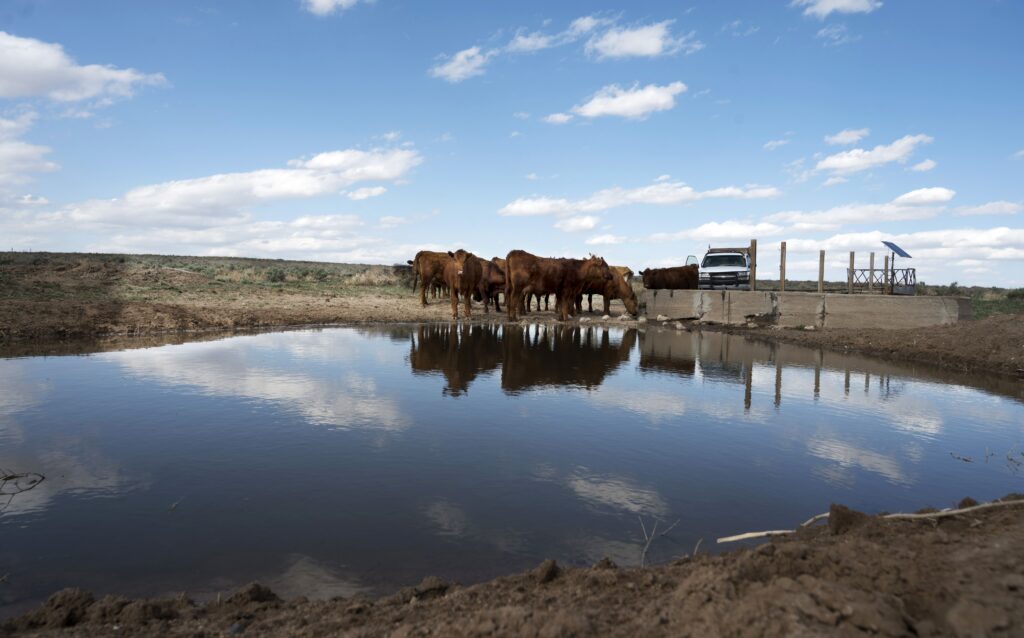
The Lesser Prairie Chicken habitat in southeastern Colorado is a swath of prairie that begins in Cheyenne and far-southeastern Lincoln counties and moves south and east into Kiowa, Prowers and Baca counties. This is cattle country where the short grass is nutrient dense, and a little bit of rain makes the prairie explode. A little less rain, though, and it returns to being hard, dry country, but beautiful all the same.
The Chicken, or LPC, is declining in population and has been listed (and unlisted) as threatened under the Endangered Species Act (ESA). It is thought only about 35,000 birds exist across five prairie states with Colorado Parks and Wildlife estimating Colorado is home to fewer than 100 breeding males.
The State Land Board will meet in Lamar this week and the LPC Stewardship Action Plan is on the agenda. According to the materials in the board packet, the SLB has 114 agricultural leases involving about 84,300 acres of surface trust lands in LPC habitat, about 3% of the state’s LPC habitat. Other leases within LPC habitat include planning and production leases for wind development and rights-of-way, three private recreation leases, and 6,490 acres leased under the CPW Hunting and Fishing Access Program. The SLB also holds 170,300 acres of state trust mineral estate in LPC habitat areas.
The Stewardship Action Plan for approval at the upcoming meeting has several changes from the previous plan, the most interesting include new direction for staff to provide information to grazing lessees on the use of regenerative grazing practices that vary the seasonal timing, intensity and duration of grazing, followed by long recovery periods as a grazing management tool that can improve LPC habitat; new direction for staff to provide information to grazing and cropland lessees on the potential for grassland carbon and cropland practices than increase the sequestration of soil organic carbon and provide a revenue-share mechanism for lessees; new goal for staff to assess the quality of LPC habitat on state trust lands in focal areas and connectivity zones across different seasons of growth starting in late spring and summer of 2026; New goal for staff will work to increase LPC habitat quality assessment scores by at least 10%, in the aggregate, across all state trust lands, with particular focus on LPC focal areas and connectivity zones, new goal for staff exploration of a State Land Board deferred grazing or incentive program; new goal for staff to initiate development of a State Land Board LPC species conservation bank project in the SSGG to be phased in over several years starting in 2027, and stronger protections against new oil and gas, solid mineral, rights of ways, and renewable energy development on state trust lands in the SSGG and within 2.2 miles of active LPC leks (mating grounds), including: no new oil and gas, solid mineral, and renewable energy development within 2.2 miles of active LPC leks, in the SSGG, focal areas, and connectivity zones, no surface occupancy (NSO) for oil and gas development within 2.2 miles of active LPC leks in Estimated Occupied Range, and no new renewable energy leasing for wind or solar development within 2.2 miles of active LPC leks, in the SSGG, focal areas, and connectivity zones.
All of this reinforces the value of good grazing and the value of land management by people and demonstrates the quality of work done by SLB staff. It also harkens a reminder the overriding goal of the SLB is to manage trust lands for the greatest economic return for schools, which staff said they believe can be accomplished.
It also is nearly overshadowed by the enormous swath of land designated for a transmission project of some sort by the NIETC. You’ll recall this is a huge federal project involving a 5-to-15-mile-wide, 640-mile-long corridor encompassing 1.9 million acres in New Mexico and 325,000 acres in Colorado of mostly private land. Within this corridor, Federal Energy Regulatory Commission could give power to corporations to use imminent domain for speculative transmission and renewable projects, multiple transmission lines and “energy storage solutions” or open-ended “other solutions,” making the corridor a 2.2-million-acre zone open for speculation by private for-profit companies.
Ranchers in this area are doing good work and are creating habitat not only for LPC, but scads of other species in the area. If the Polis administration or the feds are interested in reaching their renewable energy goals, it would be wise for them to summon the ways of former Govs. Roy Romer and Bill Owens. Both recognized taking something by force creates an equal opposing force. I’m told it’s physics. If you want to see it in action, release wolves in the state and watch agriculture and hunting interests push back.
Those with an even minimal level of consciousness recognize cooperating with landowners will result in greater returns than attempting to take by force. This state will need wild things and wild places long after this administration leaves. This state will need ranchers and farmers and agriculture long after this administration leaves. Cooperation with landowners can be a win-win situation across the board if cooperation results in paying mitigation for projects where the effects are located and recognizing the value of the generational work at play.
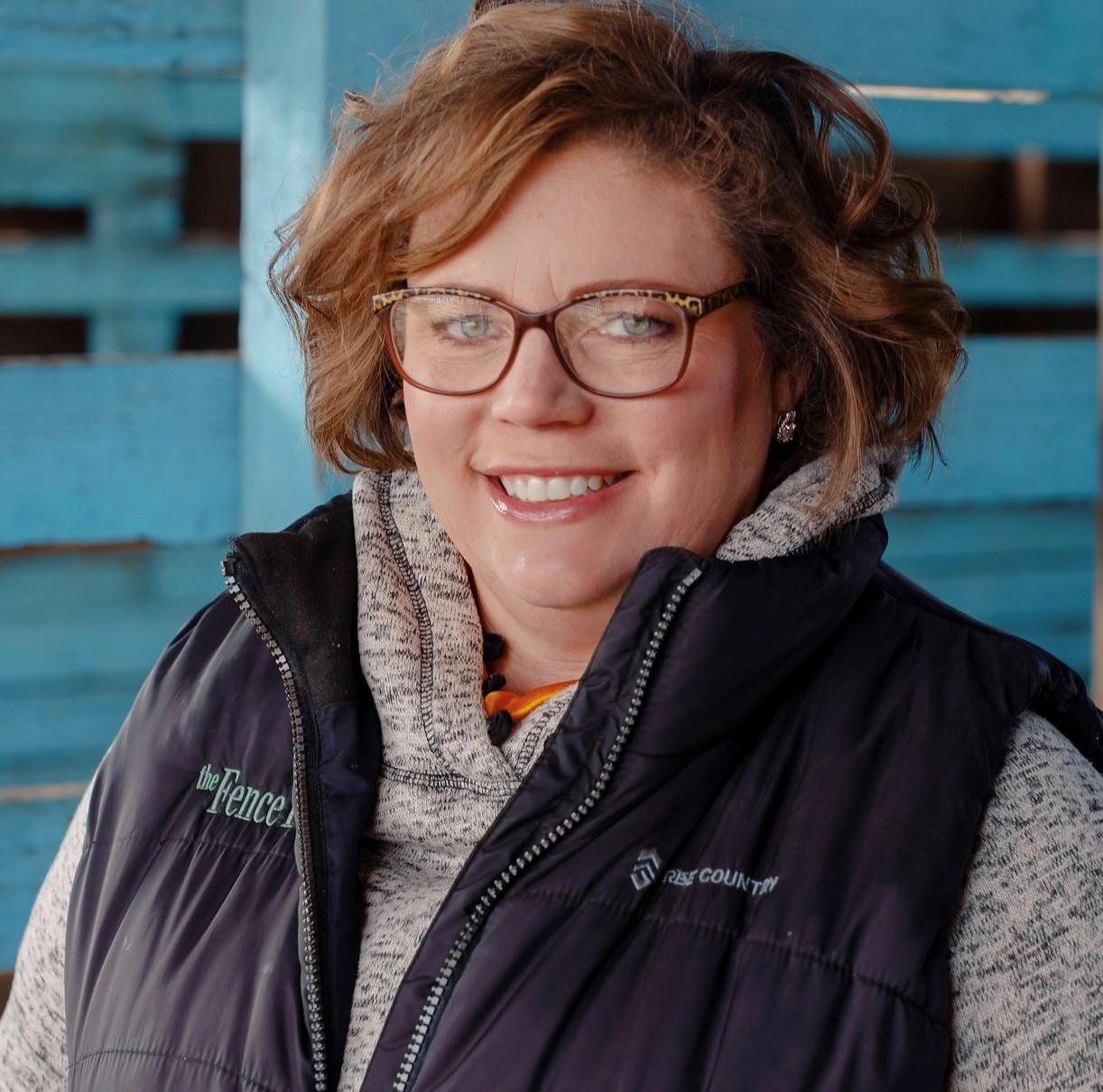
Rachel Gabel writes about agriculture and rural issues. She is assistant editor of The Fence Post Magazine, the region’s preeminent agriculture publication.

Update, safeguard Colorado’s mail ballot with voter ID | PODIUM
Colorado Politics
colorado-politics@coloradopolitics.com
Updated 51 seconds ago
By Chuck Broerman and Suzanne Taheri Coloradans often refer to our state as a leader for accessible and secure elections. We have led on all-mail ballots, automatic voter registration, and same-day registration, turning Colorado into a model for modern elections...

Preserving access for vulnerable communities should be a top priority in Congress | OPINION
Colorado Politics
colorado-politics@coloradopolitics.com
Updated 27 minutes ago
By Tony Henderson As both a minister and as president of the NAACP Denver, I believe access to high-quality, accessible health care is a right that should be afforded to each and every one of us. To that end, Medicare...
Colorado House Democrats focus on rising prison costs amid declining crime rates during budget discussion
Marissa Ventrelli
marissa.ventrelli@coloradopolitics.com
Updated 16 hours ago
Colorado’s House Democrats pressed budget writers Tuesday over a nearly $70 million increase for the Department of Corrections, questioning why the state plans to add 941 prison beds and explore new prison capacity at a time when crime rates are...
Inside the GOP caucus: Colorado legislator explains why a bigger budget still means cuts
Marianne Goodland
marianne.goodland@coloradopolitics.com
Updated 14 hours ago
Tasked with explaining a budget driven by rising caseloads, shifting federal dollars and a $1.5 billion shortfall, Joint Budget Committee member Rep. Rick Taggart spent Tuesday’s Republican caucus meeting detailing why the 2026–27 spending plan appears larger on paper, even...
Senate-passed farmworkers overtime bill easily clears Colorado House committee
Marianne Goodland
marianne.goodland@coloradopolitics.com
Updated 15 hours ago
A proposal to ease Colorado’s overtime requirements for agricultural employers cleared a key House committee Monday, setting up a broader fight over whether the state should scale back a labor policy adopted just five years ago. The House Agriculture, Water...
Public comment period opens as federal review targets Colorado’s wolf reintroduction program
Marianne Goodland
marianne.goodland@coloradopolitics.com
Updated 15 hours ago
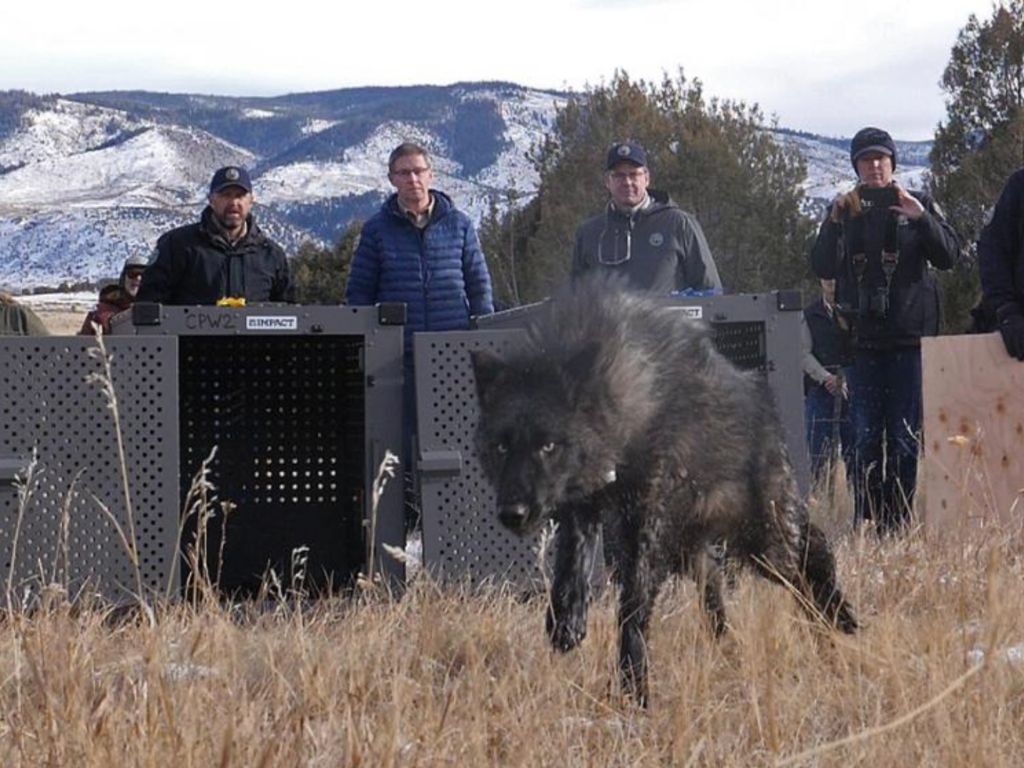
Federal wildlife officials have opened a formal review of Colorado’s wolf reintroduction program, launching a public comment period to assess how the state has handled rising conflicts between wolves and livestock. A notice from the U.S. Fish and Wildlife Service...

Yet again, when rights are in conflict | Hal Bidlack
Hal Bidlack
hal-bidlack@coloradopolitics.com
Updated 1 day ago
I admit, it is going to take quite a bit of self-control to not have this entire column end up being yet another screed about a certain president who continues to shock the world in his race to the bottom...

Turn blueprint into action with the Outdoors Opportunities Act | OPINION
Kent Thiry
kent-thiry@gazette.com
Updated 1 day ago
Nearly a year has passed since Gov. Jared Polis, Colorado Parks and Wildlife, the Colorado Department of Natural Resources, Colorado’s Outdoor Recreation Industry Office and other key partners finalized the visionary Colorado Outdoor Strategy, establishing the framework to ensure Colorado’s...
Let Colorado’s communities govern their own neighborhoods | OPINION
Colorado Politics
colorado-politics@coloradopolitics.com
Updated 1 day ago
By Jeff Bailey and Cindy Bailey Coloradans have always done things their own way. From how we manage our land to how we build our economies, the instinct to govern locally — to trust mayors, councils and commissioners over distant...

Colorado legislators propose $46.8 billion budget, driven by Medicaid costs
Marianne Goodland
marianne.goodland@coloradopolitics.com
Updated 2 days ago
The six-member panel of legislators in charge of crafting the state budget has now turned over its plan to the Colorado legislature, proposing to spend $1.5 billion more for the Medicaid program. The increase is driven by Medicaid costs, which...
PREV
PREVIOUS

Why the controversy with mail-in ballots? | Cronin & Loevy
Most Coloradans enjoy the right to vote “by mail” at election time. Most Americans favor this process. But U.S. President Donald Trump is trying to federalize (nationalize) this practice and shift the supervision of voting from county clerks to the Department of Homeland Security and the U.S. Postal Service. He issued an executive order to […]

Is it time for both parties to bail on Colorado's political nominating system? | Miller Hudson
Cracks are beginning to appear in Colorado’s political nominating system. Recently, Mario Nicolais, a formerly Republican-leaning pundit, and Doug Friednash, former Democratic legislator, have opined regarding the imminent demise of the caucus/assembly framework which controls partisan candidate selection. There has always been a legal detour around this process whereby candidates petition directly onto the ballot. […]