

‘Steel for fuel’ — but bill consumers for both | PODIUM

By Sarah Montalbano
In 2018, Xcel Energy, an investor-owned utility serving millions of customers across eight states, was the first U.S. utility to pledge to deliver 100% carbon-free electricity by 2050.
Eight years later, Xcel is pleading with Colorado regulators to let it continue running its coal plants until 2030. What happened to “steel for fuel,” the company’s slogan for replacing reliable power plants with wind and solar and saving everyone money in the process?
“Steel for fuel” hasn’t worked out for grid reliability. Xcel Energy filed a report on March 2 updating the Colorado Public Utilities Commission (PUC) of its progress in bringing Comanche Unit 3, a coal-fired generator near Pueblo, back online.
The company speaks frankly about its near-term reliability issues. The next two years are likely to see shortfalls and even 2028, in the company’s words, “is challenged.” That’s after accounting for the continued operation of Comanche Unit 2 through the end of 2026, which the PUC begrudgingly allowed. Comanche 2 was originally supposed to retire at the end of 2025.
Xcel’s proposal is to repair Comanche 3 and extend the life of all four of its remaining coal units in Colorado through 2030. Xcel Energy does not mince words declining to repair Comanche 3 is not an option, though its necessity has “recently been questioned,” including by Western Resource Advocates. A spokesperson for the group has said “the renewables on the system have shown that we can meet the system needs without that coal unit.”
That’s not what Xcel thinks about it. The company says developing new generation to replace the unit’s 415 megawatts of capacity would “cost billions of dollars” and could be online “at best,” in 2029, far too late to avert blackouts. There are “no viable alternatives” to the continued operation of Comanche 3. Even past 2028, when there is a slight positive reserve margin, Xcel says the “margin for success is razor thin.”
You know the situation is bad when a company states “all things will need to go to plan” to avoid blackouts.
This is a huge departure from the same company that leapt to promise full retirement of coal in Colorado by the end of 2030. And if you were to only read Xcel’s investor materials, you wouldn’t think the company is worried about keeping the lights on.
Take Xcel’s March 2026 investor presentation. The “steel for fuel” brand remains alive and well, enjoying seven slides in the deck — and for good reason. Utilities earn no regulated rate of return on fuel expenses. But the steel part of “steel for fuel,” or capital investment, earns them a guaranteed 9% to 11% return. The more it builds, the more it earns.

Unfortunately, what “steel for fuel” means for ratepayers is more like “steel for fuel, and still fuel,” because that swap isn’t happening. Instead, Xcel has to maintain reliable coal and natural gas plants while massively overbuilding wind and solar. Reliable, baseload thermal plants still supply 54.4% of Colorado’s electricity annually. And they’re indispensable when temperatures drop, as they did during Winter Storm Fern, when coal and natural gas together supplied 85% of Xcel Energy’s electricity.
Overbuilding wind and solar also has consequences for ratepayers’ wallets. Former chief executive of Xcel Energy, Ben Fowke, said in 2019, “In fact, we are saving customers money,” through transitioning to wind and solar. That’s hard to believe when Xcel Energy believes residential electricity prices could increase by as much as 55% by 2029, compared with 2024 levels, thanks to new infrastructure buildout.
Across the eight states it serves, Xcel is planning to spend $60 billion in new capital through 2030, with Colorado alone seeing $2.2 billion of new spending on renewables. The only category costing Xcel’s ratepayers more than renewables is electric transmission — which is needed to bring wind and solar energy from far-flung areas to population centers.
Xcel didn’t stumble into a reliability crisis, as much as it would like to be viewed as an innocent bystander. Colorado lobbying records show the company was actively involved in supporting the state’s economy-wide greenhouse gas reduction laws, including SB19-236, which requires Xcel to cut emissions 80% by 2030. A favorable provision in that law allowed Xcel to own 50% of its future renewable assets, meaning customers would pay for them, plus the company’s guaranteed return on every dollar spent. When Xcel filed its Clean Energy Plan with the PUC in 2023, it proposed owning two-thirds of new generation, well above the 50% target in the law it helped write. The PUC trimmed it back, but the instinct was telling.
Keeping reliable, baseload generation running is what’s best for consumers and the grid. The problem is Xcel used coal retirement pledges to justify a massive buildout of wind and solar, on which it makes guaranteed returns, while the coal plants it promised to shut down turned out to be indispensable. The company helped write the laws that created this predicament, lobbied for the greenhouse gas targets, and secured the right to own and charge customers for its wind and solar assets. Now it’s seeking rate increases to pay for all of it.
“Steel for fuel” was never about saving customers money. It was about building its rate base. And on that score, it’s working exactly as designed.
Sarah Montalbano is an energy policy analyst at the Independence Institute and Always On Energy Research.


Threats inside and out loom for Colorado’s Republicans | Dick Wadhams
Dick Wadhams
dick-wadhams@coloradopolitics.com
Updated 17 hours ago
Colorado Republicans made strides in 2024 despite an insidious state chairman who tried to defeat successful Republican candidates. Newly elected U.S. Reps. Gabe Evans, Jeff Hurd and Jeff Crank fought off unethical opposition from their own state party chairman, making...

Is it time for both parties to bail on Colorado’s political nominating system? | Miller Hudson
Miller Hudson
miller-hudson@coloradopolitics.com
Updated 16 hours ago
Cracks are beginning to appear in Colorado’s political nominating system. Recently, Mario Nicolais, a formerly Republican-leaning pundit, and Doug Friednash, former Democratic legislator, have opined regarding the imminent demise of the caucus/assembly framework which controls partisan candidate selection. There has...

Recognizing the value of generational work | Rachel Gabel
Rachel Gabel
rachel-gabel@coloradopolitics.com
Updated 16 hours ago
The Lesser Prairie Chicken habitat in southeastern Colorado is a swath of prairie that begins in Cheyenne and far-southeastern Lincoln counties and moves south and east into Kiowa, Prowers and Baca counties. This is cattle country where the short grass...

Why the controversy with mail-in ballots? | Cronin & Loevy
Tom Cronin Bob Loevy
tom-cronin-bob-loevy@coloradopolitics.com
Updated 16 hours ago
Most Coloradans enjoy the right to vote “by mail” at election time. Most Americans favor this process. But U.S. President Donald Trump is trying to federalize (nationalize) this practice and shift the supervision of voting from county clerks to the...

Who are the kings being crowned here in Colorado? | Jon Caldara
Jon Caldara
jon-caldara@coloradopolitics.com
Updated 3 days ago
Though most of us celebrate “No Kings Day” on July 4, the Trump-deranged got a head start last weekend with rallies around the state. Attendees bravely fought oppression by blocking traffic for people with jobs. Rally-goers demanded freedom from tyranny,...
An April Fool’s Day to remember | Capitol M | Week of April 4, 2026
Marianne Goodland
marianne.goodland@coloradopolitics.com
Updated 4 days ago
The lighter side of the Capitol, and if light were weight, the Capitol would have lifted off better than the Artemis II rocket on April Fool’s Day. There was a plethora of Fools at the Capitol for April Fool’s Day...
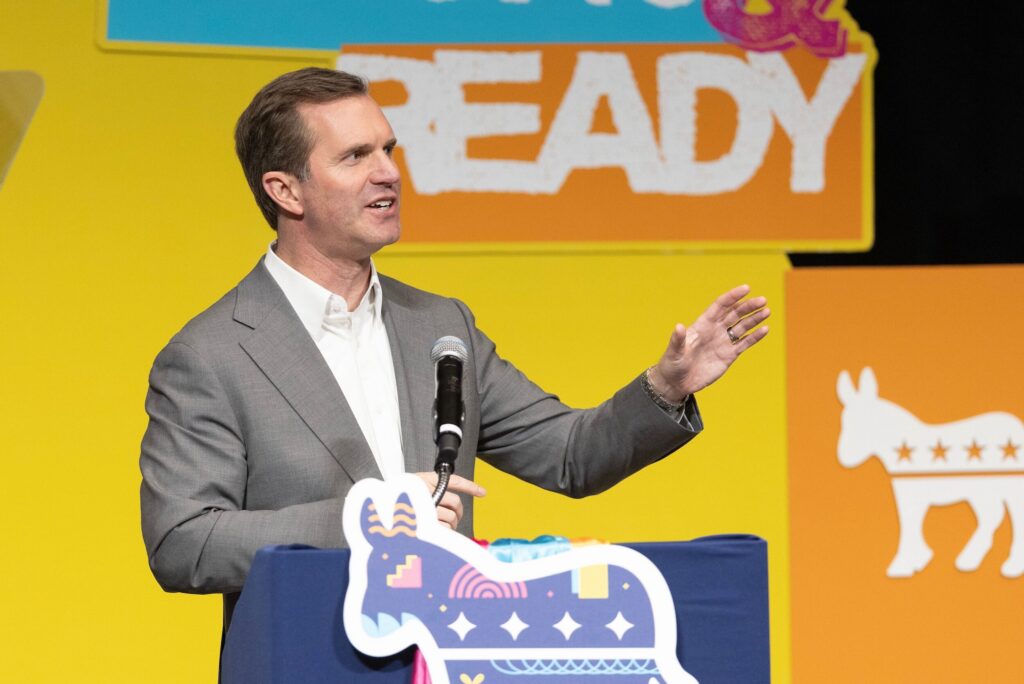
Kentucky Gov. Andy Beshear set to headline Colorado Democrats’ annual fundraising dinner
Ernest Luning
ernest.luning@coloradopolitics.com
Updated 3 days ago
Kentucky Gov. Andy Beshear, one of the Democrats’ top 2028 presidential prospects, is scheduled to deliver the keynote address at the Colorado Democratic Party’s annual fundraising dinner in June in Denver, the party said Friday. Serving his second term as...
Gov. Polis names new leaders for Colorado health agencies in wake of Medicaid turmoil
Marianne Goodland
marianne.goodland@coloradopolitics.com
Updated 3 days ago
Gov. Jared Polis, on Thursday, announced he was appointing Gretchen Hammer to serve as acting executive director of the Colorado Department of Health Care Policy and Financing, and deputy executive director Stephanie Beasley to become the next commissioner of the...
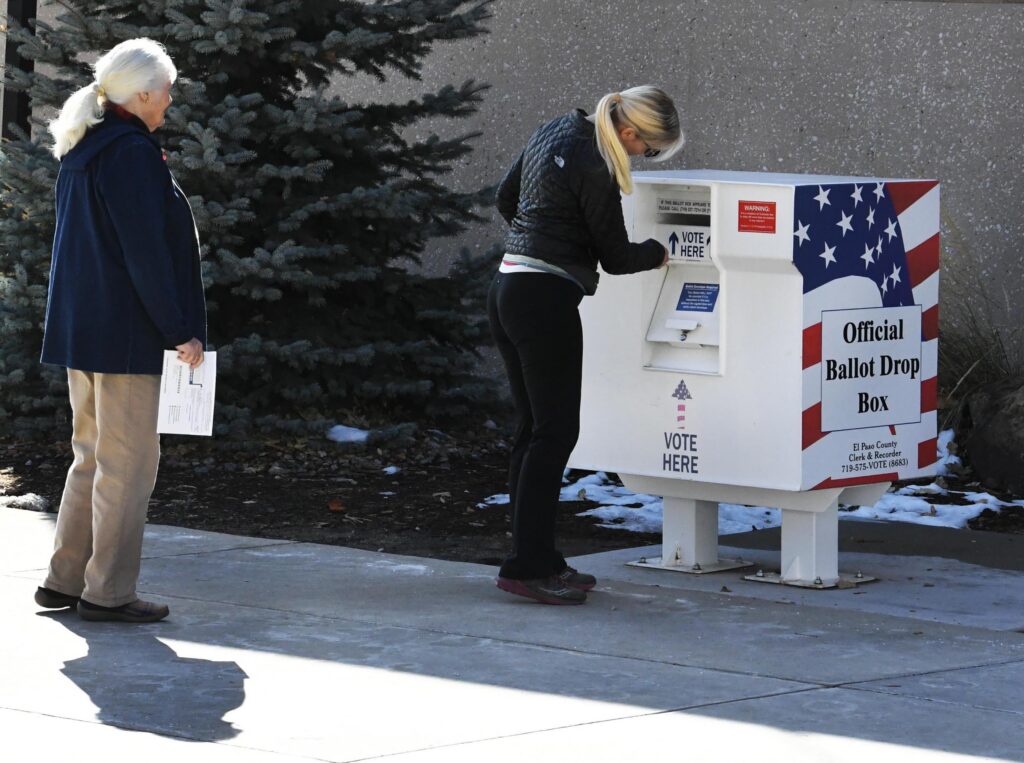
Colorado sues Trump administration, calling new election order ‘unconstitutional’
Marissa Ventrelli
marissa.ventrelli@coloradopolitics.com
Updated 2 days ago
Colorado Attorney General Phil Weiser has joined a multistate coalition suing President Donald Trump over a new executive order on elections, arguing the directive unlawfully intrudes on states’ authority to run their own voting systems and threatens access to mail...
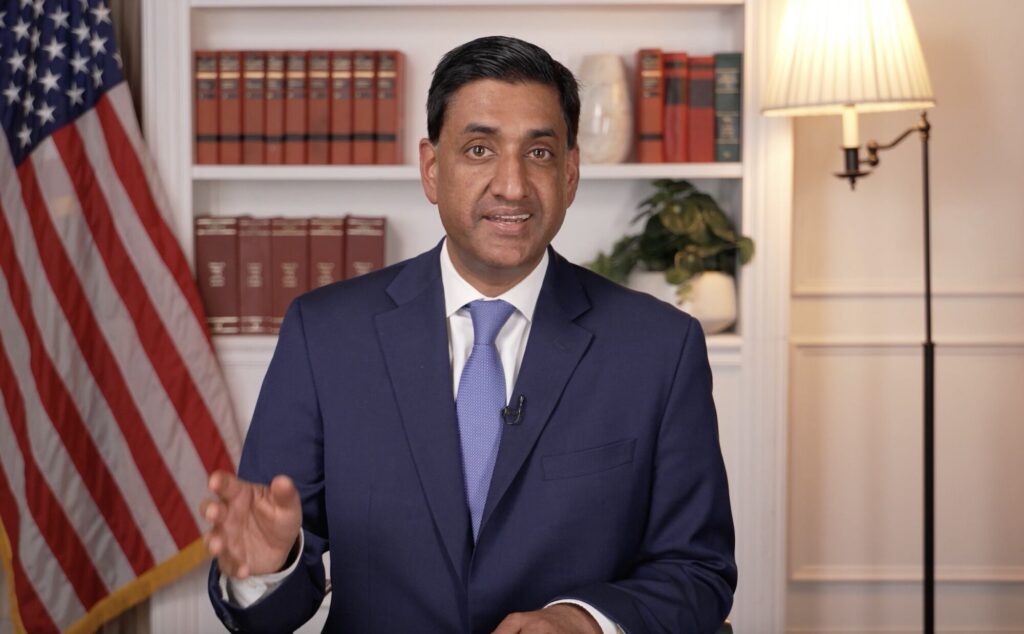
Denver Democrat Neal Walia lands endorsement from Ro Khanna in Colorado’s state House District 9
Ernest Luning
ernest.luning@coloradopolitics.com
Updated 3 days ago
California Rep. Ro Khanna on Friday endorsed legislative candidate Neal Walia in the race for an open state House seat, praising the Denver Democrat’s commitment to public service and progressive goals. Walia, who mounted an unsuccessful challenge against U.S. Rep....
PREV
PREVIOUS

Mental health education for coaches can help young athletes on and off the field | OPINION
By Erin Harrop Youth athletics have become significantly more intense and competitive. The physical effects of training or injury can be grueling — but so are the mental health effects, particularly as performance pressure increases. As leaders and mentors, coaches play a vital role in building kids’ and teens’ confidence and shaping how athletes value […]

Colorado leaders say Trump's executive order targeting mail voting violates state election authority
Colorado leaders criticized President Donald Trump’s new executive order issued Tuesday, arguing that its creation of a national voter‑eligibility list and new limits on mail voting violate states’ constitutional authority to run their own elections. President Donald Trump has frequently criticized mail-in voting, calling it “mail-in cheating.” Through the SAVE Act in Congress, the president […]