

Colorado lawmakers push legislation to shrink RTD board, increase pay as ridership struggles continue
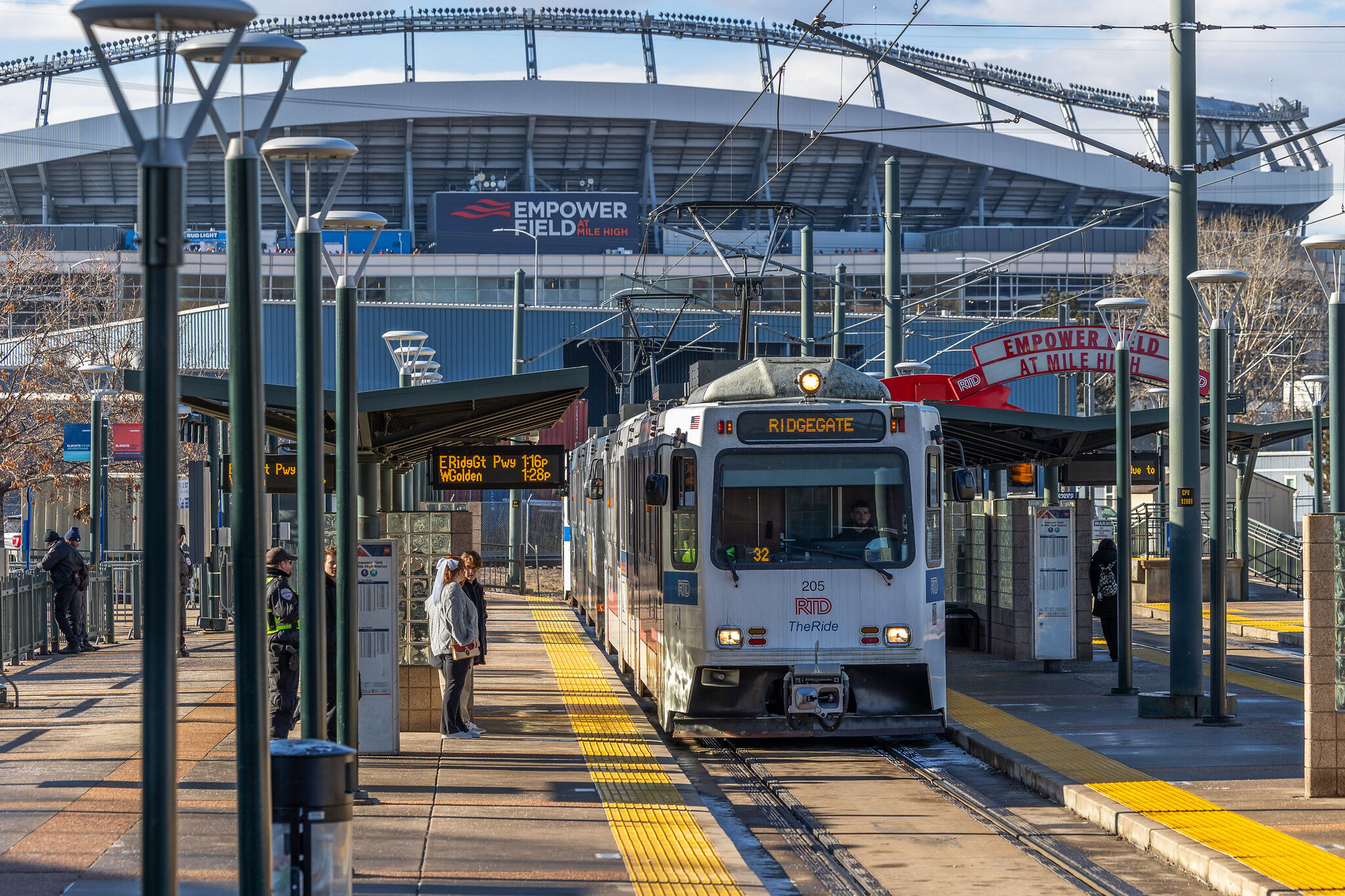
Colorado lawmakers are advancing a new push to overhaul the Regional Transportation District, proposing to shrink the board, raise member pay, and boost ridership back to pre-pandemic levels.
While some stakeholders see the effort as a step forward, others warn that the changes could reduce representation and make it harder for candidates to qualify for the RTD Board of Directors.
Introduced on Monday, Senate Bill 150 proposes reducing the board’s membership from 15 to nine members, with two members appointed by the governor and two selected by the Denver Regional Council of Governments. The number of signatures required for an RTD Board candidate to qualify for the ballot would also be increased from 250 to 1,000.
Senate Bill 150 is scheduled to be heard by the Senate Transportation & Energy Committee on April 8.
Chris Nicholson, who currently sits on the RTD Board, said the bill comes very close to making changes he can be happy with, but he believes it still needs some work before it can be signed into law.
Nicholson said he wasn’t outright opposed to reducing the size of the RTD board — the Colorado Board of Regents has nine members, for example — but he was concerned about nearly half of the board’s members being unelected officials.
“That’s a problematic split, because it both gives a substantial amount of power to unelected officials, and it also makes the districts huge,” he said. “I think we need to make sure that the voices that are involved in funding public transit in the region are at the table.”
With only five board members elected by constituents, districts would need to be expanded to three times their current size. The Regional Transportation District serves about three million people across eight counties.
“We need to have districts that are small enough that a reasonable person can take regular meetings, phone calls, go to events; that kind of thing,” Nicholson said. “I physically could not get to all of the meetings that I think I should be at as a member of the board with a district that’s three times the size of the one I have now, and no other public official in the state is asked to do that.”
Requiring potential candidates to get four times as many signatures to make the ballot as they currently need could “meaningfully dissuade” first-time candidates and individuals without the necessary funds to gather that many signatures, Nicholson said. While he said he thought positively of the bill’s sponsors, he noted that all four were selected by the vacancy committee and never had to collect signatures to get on the ballot.
“What this bill is creating is a world in which most people would have to raise tens of thousands of dollars just to get on the ballot,” he said.
The bill would also increase board member salaries and require RTD to submit a plan to the General Assembly for providing service to riders with disabilities.
Nicholson said he believed the proposed pay increase for board members — from $12,000 to $36,000 for general members and $54,000 for the board chair — was “within striking distance of the right number.”
In 2024, lawmakers introduced an omnibus measure proposing changes to the RTD’s Board of Directors. The bill also required RTD to work more closely with the Denver Regional Council of Governments and submit a “10-year strategic plan” to the General Assembly.
While Nicholson opposed the 2024 legislation, he said he was confident this year’s measure was moving in the right direction.
“I think the most important thing is, let’s get this right so that we can move on, because the biggest problems we face don’t have anything to do with who’s on the board,” he said.
Climate activists, disability advocates, and even members of the RTD board expressed concerns about the bill, particularly that it did not provide an increase in funding for RTD.
Sponsors ultimately withdrew the bill, and a new measure was introduced in the following session and ultimately signed into law.
That bill, Senate Bill 161, is 23 pages long. Among those pages are requirements for RTD to align itself with the state’s climate goals, create worker retention goals, submit a financial report to the Transportation Legislation Review Committee, and contract with a third party to study and identify opportunities to increase funding.
The bill also established an RTD Accountability Committee within the state’s Energy Office.
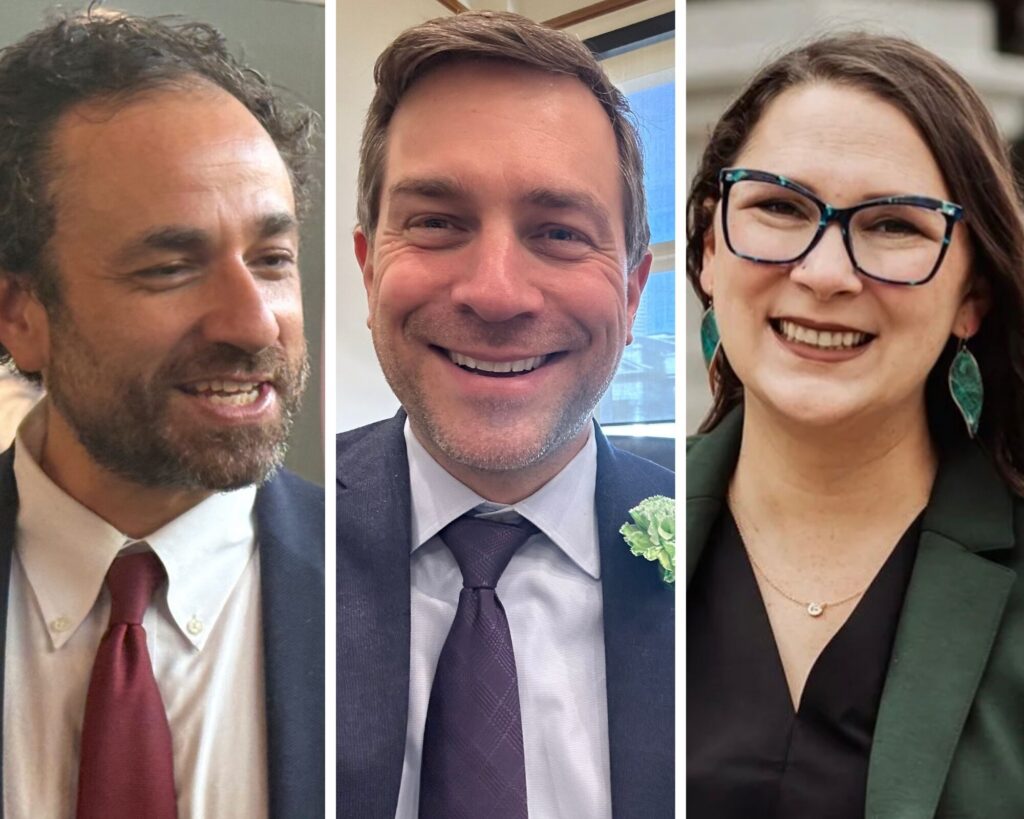
This year’s bill includes two sponsors from last year’s bill — Sen. Iman Jodeh, D-Aurora, and Rep. Meg Froelich, D-Englewood — as well as two newcomers, Sen. Matt Ball, D-Denver, and Rep. Jamie Jackson, D-Aurora.
At a press conference at the Capitol on Monday, Ball said RTD is “essential to life on the Front Range.”
“It connects us to jobs, schools, health care, and each other,” he said. “It also plays a critical role in addressing some of the biggest challenges we face, including air pollution, rising costs for families, and yes, even traffic.”
According to Ball, RTD has the second-worst recovery to pre-pandemic ridership levels in the nation. While similar-sized cities have seen ridership return to 94% of 2019 levels, RTD has only recovered 62% of its ridership.
“At the same time taxpayers continue to invest in RTD, they should be able to expect a system that delivers consistent, high-quality service in return,” he said.
Jodeh said she was inspired to sponsor this year’s RTD legislation because she felt it was a continuation of the work she did on 2024’s House Bill 1313, which established a new category of local government known as a “transit-oriented community.”
Around 30% of households in the Denver Metro Area don’t have reliable access to a car, Jodeh said, which is why a robust, accessible transit system is critical.
“When transit doesn’t work, it impacts whether families are able to go to work, go to school, and stay connected to their families,” she said. “This particularly impacts communities of color, immigrants, refugees, our disability community, and our aging community. I’m proud to be a part of this bill because it is, in fact, the next step for transit-oriented communities.”
Nicholson’s said RTD won’t increase ridership in any meaningful way without more funding. About 70% of RTD’s revenue comes from taxpayers, so the agency has to earn their trust to secure approval for any tax increase.
“The worst thing we could do is spend another two years fighting over this when what we really need to do is work on persuading the public that investing in public transit is valuable, so I want to put this to bed.” Nicholson said of the bill. “I want to come out with something that everybody’s happy with, and then everyone who worked on this bill and cared about the issues involved in this legislation needs to get together and figure out how we fund public transit and put in the work to actually get it done.”


Colorado legislators drove up cost of Medicaid program
Marissa Ventrelli
marissa.ventrelli@coloradopolitics.com
Updated 3 hours ago
Some of Colorado’s spending woes in Medicaid can be traced to lawmakers who had approved new or expanded programs in the last few years, driving up state costs to the tune of tens of millions of dollars. Just three measures...

Colorado Gov. Polis signs social media warrant bill after last year’s veto
Marissa Ventrelli
marissa.ventrelli@coloradopolitics.com
Updated 19 hours ago
Colorado law enforcement will soon have faster access to digital evidence after Gov. Jared Polis signed a pared‑down bill requiring social media companies to acknowledge and respond to search warrants on a tight timeline, a shift from a broader proposal...
Under fire from legislators and critics, Colorado’s top Medicaid official resigns
Marianne Goodland
marianne.goodland@coloradopolitics.com
Updated 22 hours ago
Colorado’s top Medicaid official stepped down on Monday, just as a bipartisan bloc of state senators prepared to formally urge Gov. Jared Polis to remove her over what they called years of mismanagement, waste and costly errors inside the state’s...

Unsustainable: How Colorado’s Medicaid spending exploded
Nico Brambila
nico.brambila@denvergazette.com
Updated 3 hours ago
The state’s Medicaid program — which covers about one in four Coloradans — is poised for its largest single-year jump in at least two decades, with officials proposing a $2.3 billion increase, even as lawmakers face a $1.5 billion budget...
Phil Weiser wins top spot in Colorado’s Democratic gubernatorial primary at party’s state assembly
Ernest Luning
ernest.luning@coloradopolitics.com
Updated 3 days ago
Attorney General Phil Weiser’s name will appear first on Colorado’s Democratic gubernatorial primary ballot after his overwhelming win Saturday at the party’s state assembly in Pueblo. Weiser joins U.S. Sen. Michael Bennet in the June 30 primary for the office...
Denver Democrat Diana DeGette trails challenger Melat Kiros at assembly as both qualify for primary
Ernest Luning
ernest.luning@coloradopolitics.com
Updated 4 hours ago
U.S. Rep Diana DeGette, a Denver Democrat, qualified for Colorado’s June primary by the skin of her teeth Friday at the party’s district assembly, where the 15-term incumbent received fewer than half as many delegate votes as her challenger, 28-year-old...
Seligman, Bridges, Gonzales lead downballot races heading into Colorado Democrats’ state assembly
Ernest Luning
ernest.luning@coloradopolitics.com
Updated 4 days ago
As Colorado Democrats prepare to designate candidates to the June primary ballot at the party’s state assembly in Pueblo on Saturday, three candidates appear poised to win top-line designation in downballot statewide races, according to data compiled by the state...

Democratic US Sen. John Hickenlooper qualifies for Colorado primary by petition, will skip assembly
Ernest Luning
ernest.luning@coloradopolitics.com
Updated 4 hours ago
U.S. Sen. John Hickenlooper has qualified for Colorado’s Democratic primary after the first-term incumbent submitted enough valid petition signatures to make the ballot, state officials said. Hickenlooper is facing primary challenges from state Sen. Julie Gonzales, D-Denver, and university professor...
Pinnacol separation bill delayed as Colorado budget remains in flux due to $1.5B deficit
Marianne Goodland
marianne.goodland@coloradopolitics.com
Updated 5 days ago
A bill that would allow Pinnacol Assurance to formally sever its remaining ties with the state appears unlikely to emerge anytime soon, as House leaders juggle a massive budget shortfall, unresolved negotiations with key stakeholders, and growing doubts about whether...
Colorado legislators consider $500 million in general fund cuts amid $1.5 billion deficit
Marianne Goodland
marianne.goodland@coloradopolitics.com
Updated 6 days ago
The legislature’s Joint Budget Committee is working through a list Wednesday of about 150 suggestions to cut as much as $1.5 billion in general fund dollars out of next year’s budget. The largest on the list prepared by JBC staff...
PREV
PREVIOUS
10th Circuit warns lawyers after finding fake case in filing
The Denver-based federal appeals court warned attorneys to be more careful last month after discovering one lawyer cited a fake case in his arguments. In recent months, federal and state judges in Colorado have begun cautioning lawyers explicitly about the pitfalls of using generative artificial intelligence in legal filings without verifying the output. The Colorado […]

Federal judge finds DOJ adequately searched for, disclosed records related to Bidens
A federal judge determined on Friday that the U.S. Department of Justice adequately searched for and disclosed records to a Colorado attorney in response to his request for documents related to former President Joe Biden’s son and brother. In November 2020, Kevin D. Evans and his Greenwood Village law firm submitted a Freedom of Information […]