

CDOT pivots from snowplowing to wildfire mitigation along highways
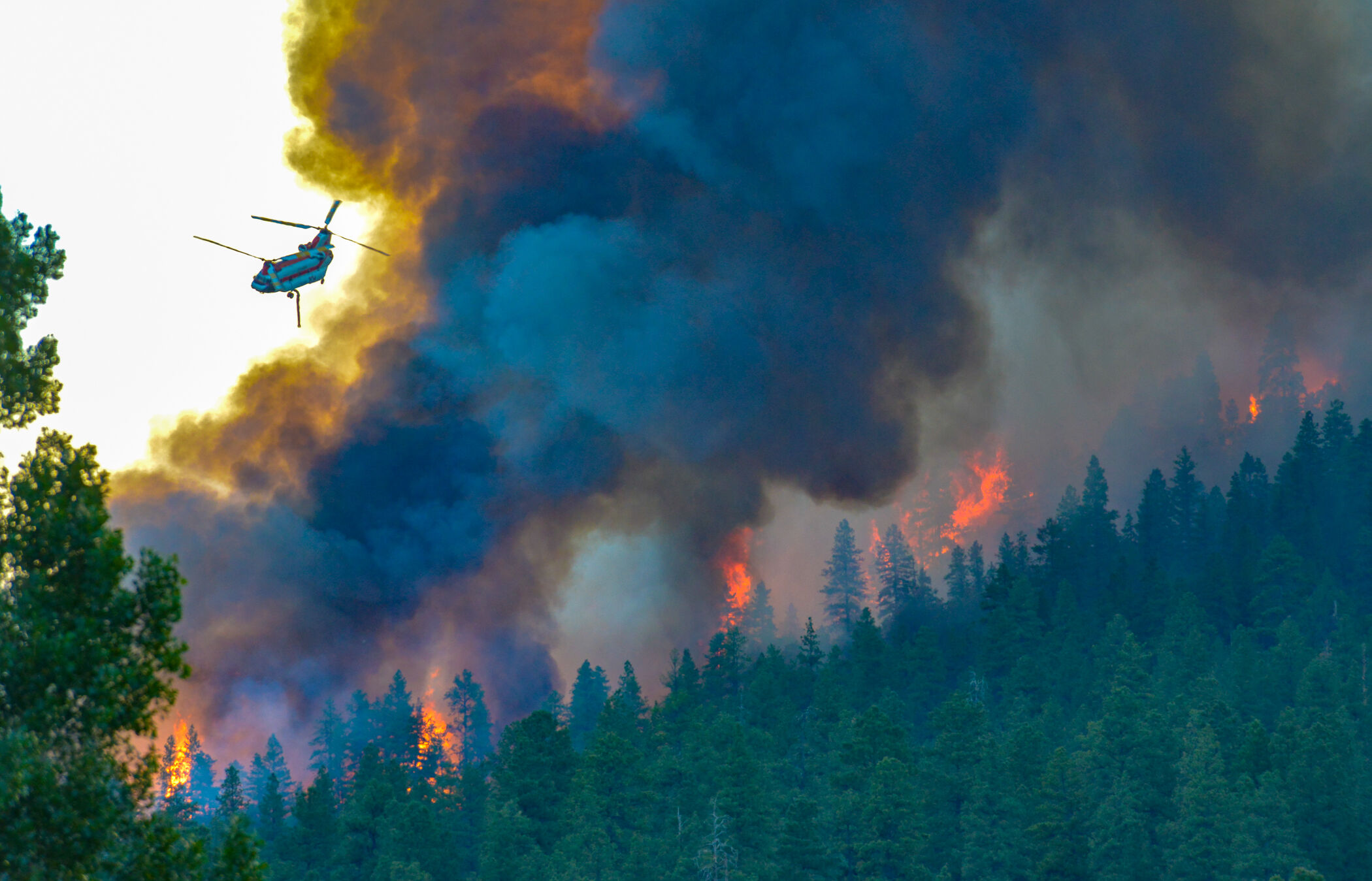
Colorado Department of Transportation maintenance crews have launched an early push to clear dry vegetation along highways to reduce the chance that sparks or cigarette butts from passing vehicles might ignite fast-moving fires this summer.
With CDOT meteorologists forecasting above-normal wildfire potential — particularly in the mountains and foothills — the department is ramping up mowing, brush removal and herbicide treatments on high-risk corridors while coordinating with local fire agencies and pre-positioning equipment for quick response.
“Our highway corridors run through some of the most fire-prone landscapes in the country,” said Bob Fifer, CDOT’s deputy director of operations. “We have a responsibility not only to keep roads open, but to make sure our right of way isn’t contributing to the fire problem. This year, with drought conditions already taking hold across Colorado, we’re moving earlier and working harder to get ahead of the risk.”
Dry, unmowed grass and dense brush along shoulders remain common starting points for roadside blazes. A single spark from a trailer chain dragging on the pavement can ignite dry vegetation.
That risk played out in the 2020 Grizzly Creek fire along I-70 in Glenwood Canyon, which burned more than 32,000 acres and closed the highway for weeks, and in a 2024 brush fire between Eagle and Wolcott on I-70 that officials attributed to dragging safety chains.
Colorado law prohibits throwing lit cigarettes or other burning materials from vehicles on the highways. Travelers should never pull over or park in dry grass, where hot exhaust or catalytic converters can easily start a fire, according to CDOT.
Crews have already begun accelerated work in elevated fire threat zones identified by the Colorado Division of Fire Prevention and Control. Those stretches run from El Paso and Teller counties north to Larimer County, from Jefferson County west to Garfield County, and across southwestern counties including Montezuma, La Plata, Archuleta, Dolores and San Miguel, said the agency in a release.
The department said it is also expanding mechanical brush removal and herbicide applications to create defensible fire breaks. On mountain routes such as U.S. Highway 6, Colorado Highway 72, U.S. Highway 160, U.S. Highway 285 and portions of Interstate 70, treatments are being coordinated with federal and local land managers to extend protection beyond CDOT right of way where feasible.
CDOT plans to nearly double overall vegetation management spending this year by redirecting $12 million in unspent snowplow funds from the mild winter, according to Stacia Sellers, spokesperson for the department. That money will be used primarily to hire contractors for targeted tree removal.
Regional maintenance centers have established direct communication with county emergency managers, the Colorado State Patrol and local fire departments. Equipment has been pre-positioned in areas where roadways could become critical for evacuations or suppression efforts, said the release
CDOT said it has updated closure and traffic management protocols with the Colorado Division of Homeland Security and Emergency Management. Variable message signs, alternate routes and public alerts will be deployed rapidly if fires threaten highways, with real-time information available through COtrip.org.

Front Range cities oppose Democratic proposal to permit lot‑splitting
Marianne Goodland
marianne.goodland@coloradopolitics.com
Updated 13 hours ago
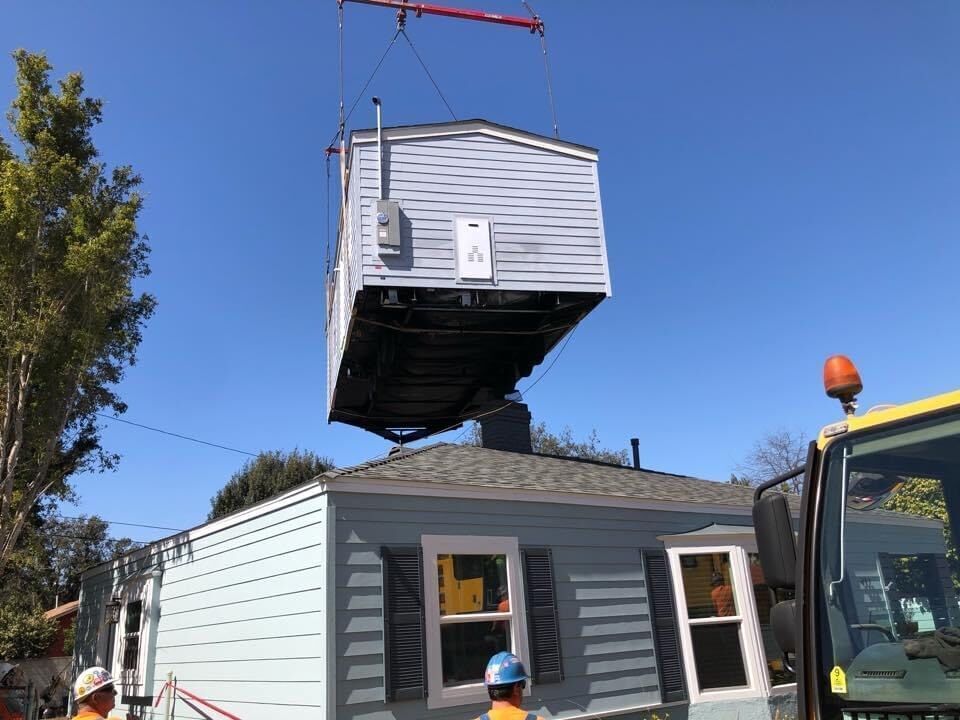
Colorado lawmakers are pressing ahead with a plan to let homeowners split their lots to make room for smaller, less expensive houses — a proposal that has drawn sharp opposition from Aurora, Colorado Springs, Denver and other Front Range cities...

Catalyst for Girls Award recipients to be honored at luncheon | NONPROFIT REGISTER
Joanne Davidson Special to Colorado Politics
joanne-davidson-special-to-colorado-politics@coloradopolitics.com
Updated 18 hours ago
GIRLS, INC. OF METRO DENVER Denver News: Girls, Inc. of Metro Denver is in final preparations for its annual My Bold Future luncheon, a May 13 fundraiser honoring the 2026 Catalyst for Girls award recipients. They are: Corporate Catalyst, Crocs, Inc.; Community Catalyst,...
Gov. Polis declares April ‘dig safely month’ to mark 40th anniversary of Colorado 811
Scott Weiser
scott.weiser@gazette.com
Updated 2 days ago
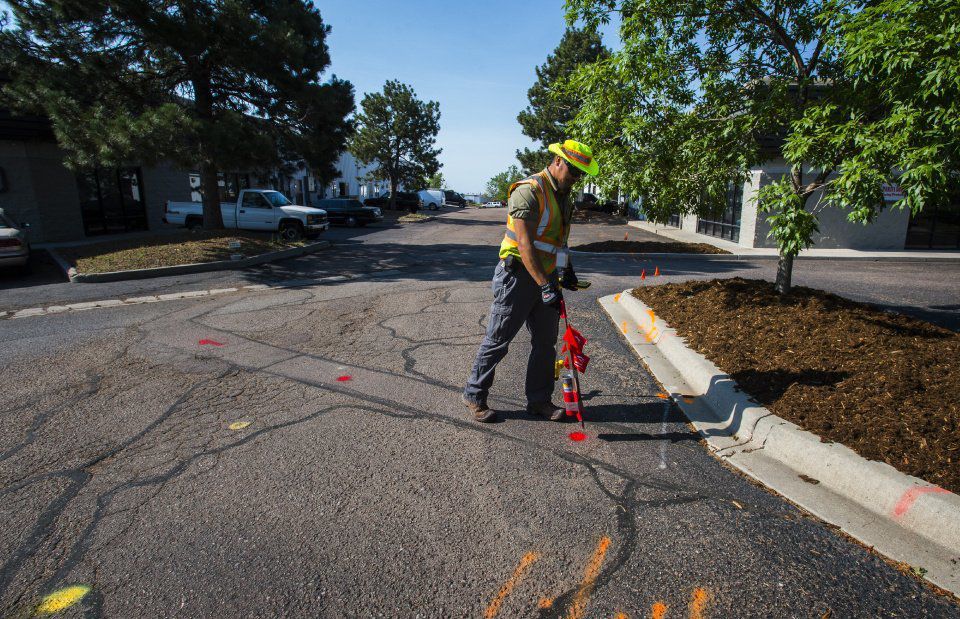
Gov. Jared Polis declared April 2026 as “Dig Safely Month” in Colorado, an annual observance that this year highlights the 40th anniversary of Colorado 811, the state’s One-Call Notification System. “Before everyone starts their warm weather projects around the house,...
Denver proposes yearlong moratorium on new data centers
Deborah Grigsby
deborah.smith@denvergazette.com
Updated 3 days ago
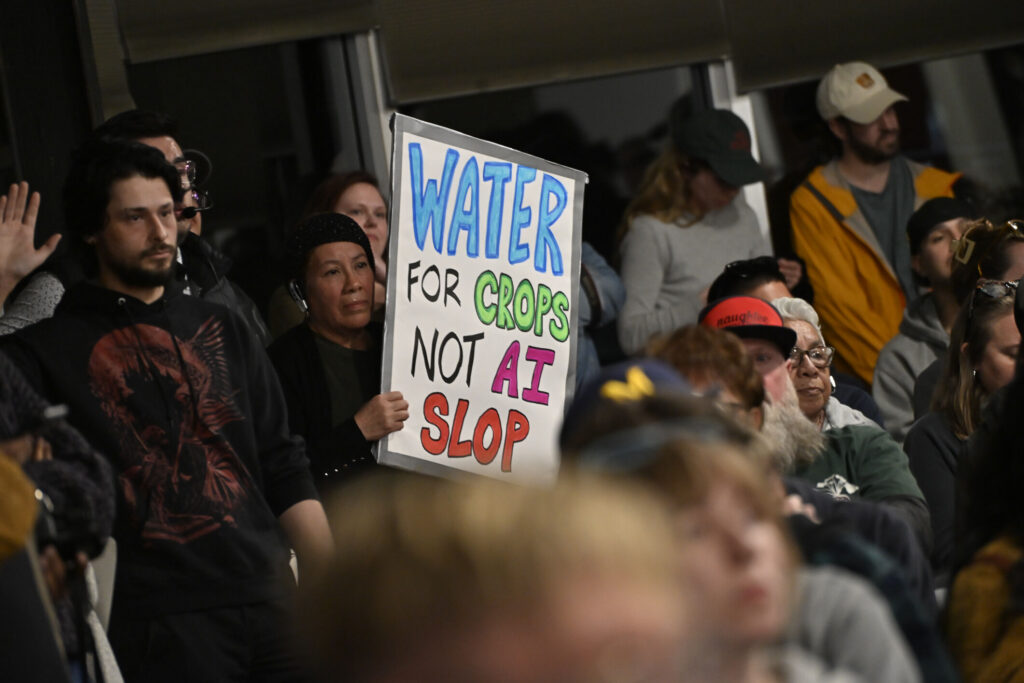
As Denver Water calls for a 20% reduction in water use during Stage 1 drought conditions, City Council members advanced a bill to rein in one of the largest water users — data centers — by proposing a yearlong moratorium...
Lakewood zoning canvasser accused of stealing opposition material
Sage Kelley
sage.kelley@denvergazette.com
Updated 2 days ago
Controversies surrounding the Lakewood special election continue, with the latest including allegations of sign-stealing. The city’s special election regarding already approved zoning changes is occurring on April 7 and — along with more than a year of contention between opponents...

Unique nonprofit serving single moms selects new leader | NONPROFIT REGISTER
Joanne Davidson Special to Colorado Politics
joanne-davidson-special-to-colorado-politics@coloradopolitics.com
Updated 3 days ago
SPARKHOPE AUTOMOTIVE Denver News: Jason Spears has been named chief executive officer of SparkHope Automotive. While its name might lead one to believe it is a car dealership, SparkHope Automotive, formerly Hands of the Carpenter, is a faith-based nonprofit serving employed single mothers by addressing a critical and...

Newly formed PAC promises a stronger voice for southern Colorado businesses
Breeanna Jent
breeanna-jent@coloradopolitics.com
Updated 3 days ago
A new political action committee has launched in southern Colorado, aiming to strengthen and elevate the voices of local businesses and their regional influence on state-level policy. Over the last two years, the Colorado Legislature has enacted more than 1,000...

Colorado auto thefts drop 56% from 2021 levels
Scott Weiser
scott.weiser@gazette.com
Updated 3 days ago
Colorado once ranked as the worst state in the nation for motor vehicle thefts per capita in 2021. The state has since seen a dramatic improvement, with auto thefts dropping 56% from 2021 levels. The state reported 16,291 motor vehicle...

Colorado Gov. Polis signs social media warrant bill after last year’s veto
Marissa Ventrelli
marissa.ventrelli@coloradopolitics.com
Updated 3 days ago
Colorado law enforcement will soon have faster access to digital evidence after Gov. Jared Polis signed a pared‑down bill requiring social media companies to acknowledge and respond to search warrants on a tight timeline, a shift from a broader proposal...
Power grid shutdowns in Colorado bring protection — and problems
Scott Weiser
scott.weiser@gazette.com
Updated 2 days ago
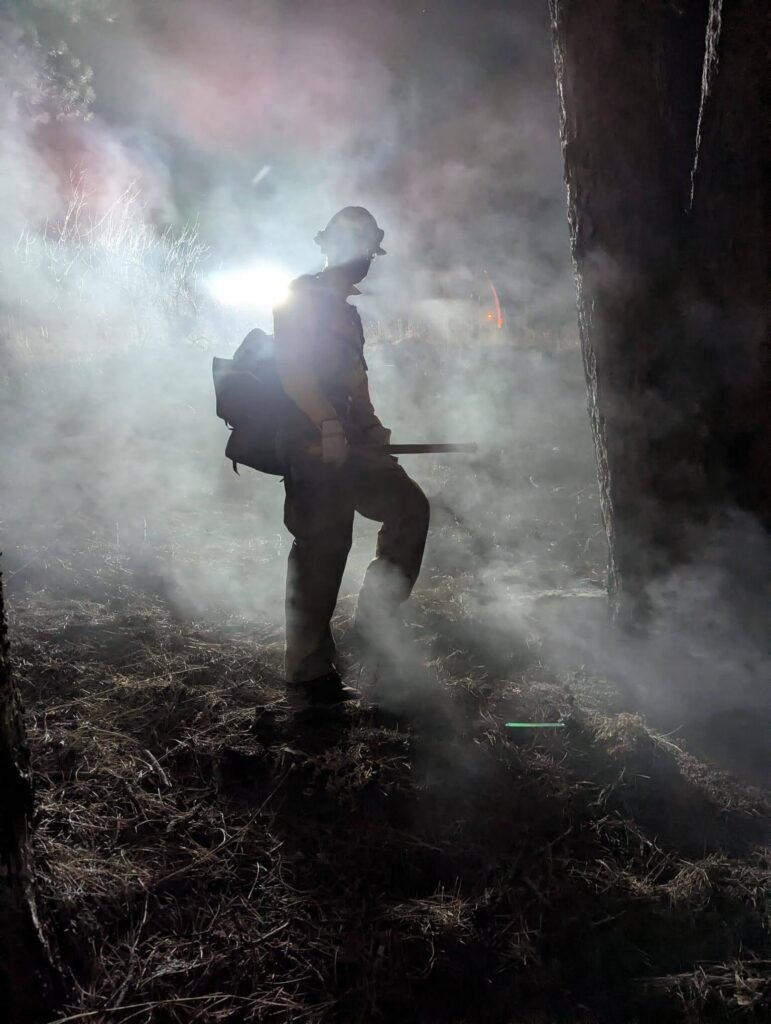
A downed power line in Sunshine Canyon in the mountains west of Boulder in December posed an electrocution risk to firefighters and bystanders after Xcel Energy re-energized it without repairing it, despite being notified of the break the day before....
PREV
PREVIOUS

Farmworker overtime bill advances after lengthy debate in Colorado Senate
The Colorado Senate on Tuesday narrowly advanced a bill to raise the overtime threshold for agricultural workers, defeating more than a dozen amendments from its leading opponent aimed at rewriting the measure. As introduced, Senate Bill 121 would raise the threshold for overtime pay from its current 48 to 56 hours during production season to 60 hours. […]

Colorado justices agree to review insurance question that has divided federal judges
The Colorado Supreme Court granted a federal judge’s request on Friday to address an issue that has produced conflicting answers in policyholders’ lawsuits against insurance companies over unpaid benefits. “Parties (and judges) regularly spend undue time and money fighting in the pretrial context about a legal question that should be resolved once and for all […]