It’s time to let unaffiliated voters caucus | Vince Bzdek
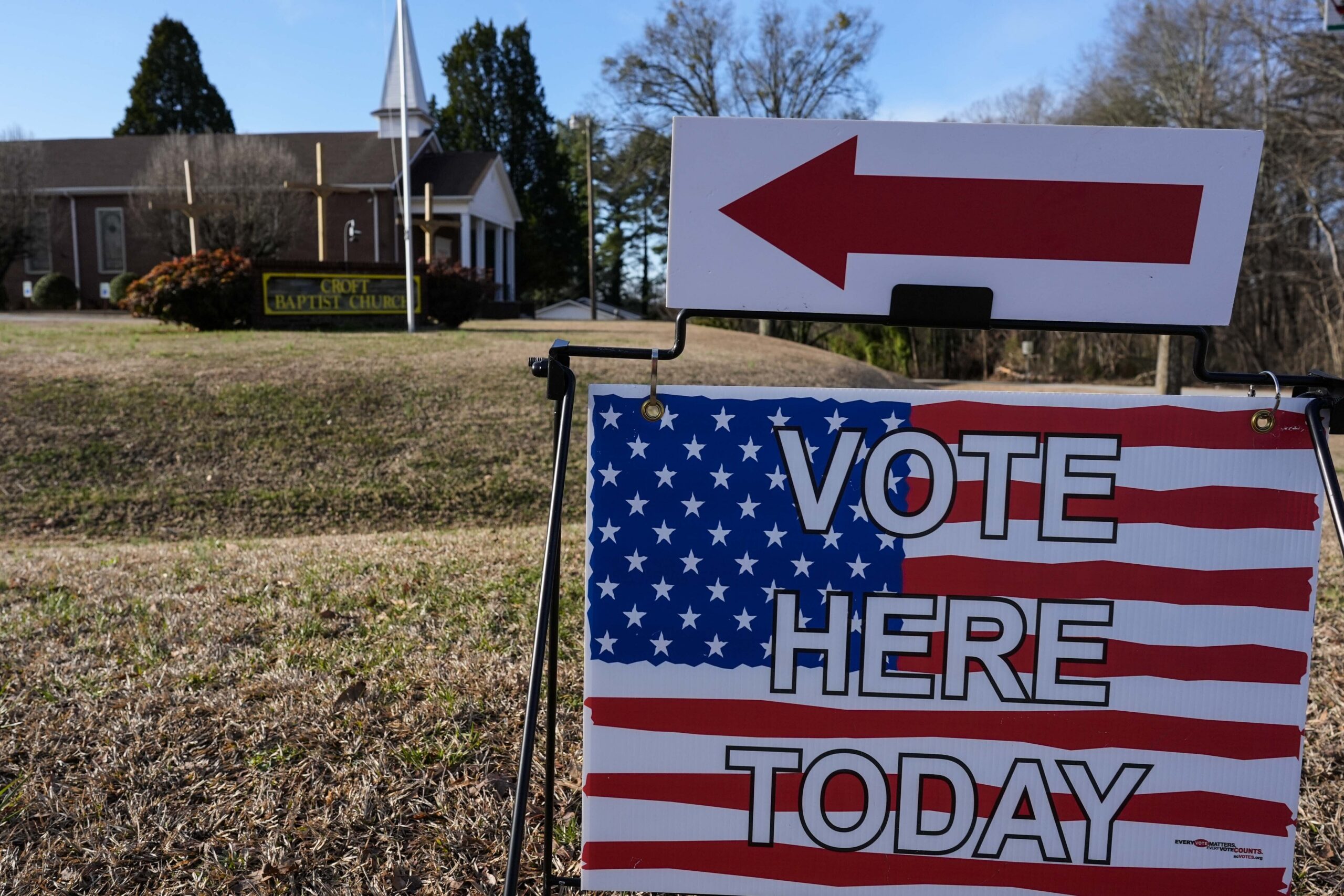
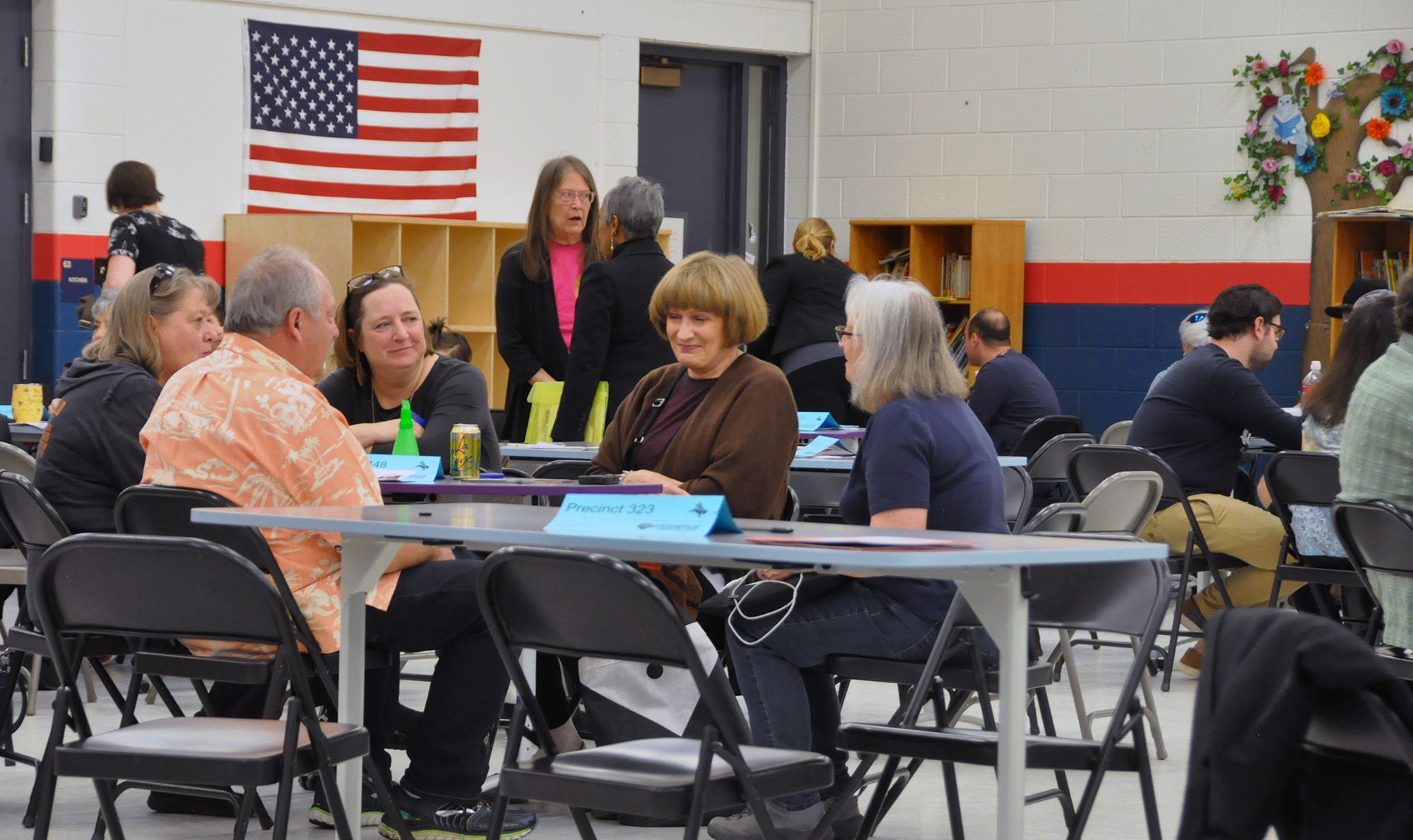
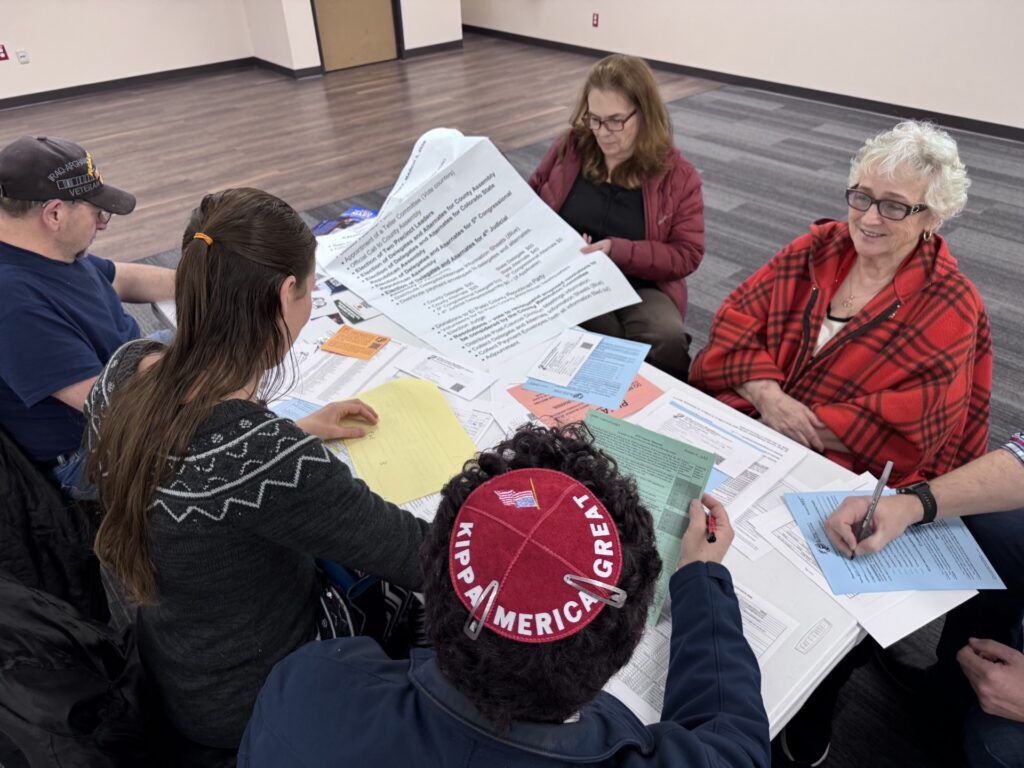
There’s no getting around it: Colorado’s 3,000 county caucuses, which just wrapped up recently, left half the electorate out in the cold.
Since unaffiliated voters now make up 51% of all Colorado voters, a majority of Colorado electors are barred from participating in our first round of democracy, which is reserved exclusively for card-carrying Democrats and Republicans.
Caucuses are about organizing at the neighborhood level — meeting your neighbors face-to-face, electing precinct organizers, and building grassroots infrastructure. Caucus-goers select delegates who will represent their precinct at the county assembly and eventually at the state assembly. When the nomination process that shapes who ultimately wins general elections excludes the single largest bloc of voters, those voters effectively get no say in choosing their own representatives. At that point, can we say we have a legitimate democracy?
In heavily partisan districts, the primary is often the election of consequence, with the winning candidate usually cruising to victory in the general — meaning the real decision on picking who the winning candidates likely are happens at a stage unaffiliated voters currently can’t influence.
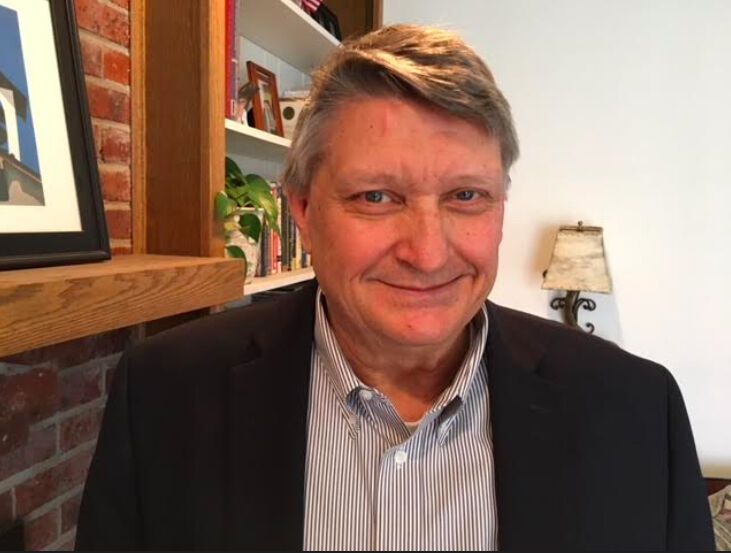
So I asked one of our state’s most respected political consultants and thinkers, former State Republican Chair Dick Wadhams, a question: What if we had an unaffiliated caucus? Or we let unaffiliated voters into our current party caucuses so half our voters aren’t disenfranchised at the stage, to quote one caucus goer, “where it all begins?”
“I think it would be great,” Wadhams said. “Because obviously, we had proposition 108, under which we now have had four elections of unaffiliated voters being able to vote in one of the two party primaries. To me, it would rejuvenate the caucuses.
“Now that unaffiliated voters are a majority of voters, I think it would help — if the caucuses are going to be around.”
Proposition 108, passed in 2016, allows unaffiliated voters to vote in primary elections of major political parties without declaring an affiliation. Unaffiliated voters receive a combined ballot with candidates separated by party and choose which party’s primary they want to participate in.
So even in the primary, so-called independent voters must temporarily become Democratic or Republican.
An open or unaffiliated caucus could produce more centrist nominees, which proponents argue better reflects the electorate. Unaffiliated voters tend to vote for the “person, not the party,” and the current system often produces an excessive percentage of candidates who are far-left or far-right.
But Wadhams believes the parties would fight such a move tooth and nail.
“Now, a lot of party activists, they’re the ones who want to eliminate Proposition 108, want to go to court to have it overturned,” he pointed out. “Because they just can’t stand the thought of an unaffiliated getting involved in the Republican nominating process,” he told me. “The pushback you’d get from Republican MAGA folks, and frankly, from the hardcore left of the Democrats … they would see that as a, to put mildly, a compromise of their sacred process.”
A political party is essentially a private organization with the right to choose its own nominees, and allowing non-members to participate dilutes that. If someone wants to shape a party’s direction, they can join it — the registration process is easy and free, they argue.
There’s also a “raiding” problem: in a competitive environment, unaffiliated voters (or even coordinated partisan voters temporarily registered as unaffiliated) could strategically back a weaker opponent in the other party’s process.
Though they’d fight it hard, Wadhams thinks the parties actually would benefit from allowing in unaffiliated voters.
“If an unaffiliated voter who prides themselves on being independent says, ‘I’m going to go to the Republican caucus to vote for X candidate, that gets them involved in the process. I would think the party would welcome that. And then if they got elected to a local assembly or the state assembly, then they’ve got buy-in, and they probably would stick with that.”
It might actually create more party members.
“One of the things I like about proposition 108 is that it’s pretty well shown that if an unaffiliated voter votes in a party primary, they’re going to stick with that party’s candidates in a general election.”
You’ll notice that Wadhams added the caveat earlier: if caucuses are still around, which is a real concern. They’ve been dying all across the United States.
Colorado is a good example of the trend. Following Colorado’s chaotic 2016 presidential caucuses, which one columnist compared to “a flea market during the apocalypse,” voters switched to a presidential primary system. Colorado still holds county caucuses, but they are now used only to elect representatives to national conventions — the primary is the sole method for determining the state’s preferred presidential candidates.
Caucuses require in-person attendance at specific times (often in winter), causing lower participation compared to the convenience of mail-in or day-long voting in primaries.
What suffers is any real face-to-face deliberation by caucus goers about candidates and party platforms. Our democracy becomes more and more virtual.
Regardless of what happens to caucuses, the growth of unaffiliateds is going to be hard for parties to ignore.
The number of unaffiliated voters was up to 51 percent last year from 49.5 percent in November 2024 and from just 42% in November 2020. Meanwhile, Democrats make up 25.1% of the electorate and Republicans 22.8%.
More than 8 in 10 unaffiliated voters say they chose their status intentionally, rejecting both major parties — so this isn’t just people who forgot to check a box. It’s a deliberate political identity.
“It shows just how independent they are, because they don’t like Trump, and they don’t like Republicans because of Trump, but they’re not crazy about Democrats either,” Wadhams said. Independents have voted like fiscal conservatives on many ballot initiatives, in fact.
The trend is happening around the country as disenfranchised voters leave parties by the hundreds of thousands, but it is even more pronounced in Colorado.
“I think part of it is due to this influx of something like 800,000 people since 2020. And a lot of these folks, they’re younger,” Wadhams said. “They pride themselves on being very independent of the parties, even though many of them vote straight Democratic right now anyway. But I think it’s just kind of their personal declaration of independence.”
Where might Colorado be heading in the future?
Wadhams thinks Kent Thiry, a major proponent of democratic reform in Colorado, will put an initiative on the ballot in 2028 that calls for an open primary for all candidates — Democratic, Republican, unaffiliated — with the top two vote-getters heading to the general election. That means two Democrats could face off in the general, or two Republicans, or a Democrat and a Republican, or two unaffiliated candidates, for that matter.
“But not ranked choice in the fall,” Wadhams adds. “No ranked choice.” Thiry tried to get both an open primary and ranked choice passed in 2024, and it was just too complicated for voters to embrace yet.
But Wadhams thinks Coloradans are ready to vote for an open primary, exactly because so many unaffiliated voters want more say.
“If you’re a Denver Republican, the general election is almost irrelevant. And for an El Paso County Democrat, most of the time, it’s irrelevant.”
But in a general election of the top two vote getters, if a Republican voter in Denver has to choose between Democrats, the chances are it will be a Democratic socialist and a more moderate Democrat. “You actually get a choice,” Wadhams said. And same thing in Colorado Springs, you could get a far-right Republican and a more centrist, moderate Republican.
“And a Democrat could say, well, I don’t want that crazy guy. I want to vote for this more centrist Republican. So it actually empowers voters who right now have no voice in the general election.”
And for the first time ever, an unaffiliated candidate could actually win an election in the state.
“I think so many voters are essentially disenfranchised by our current process, because there just isn’t any competition as we go through the process,” Wadhams adds. “And this would ensure competition.”
You’ve got to give a little credit to George Washington for warning us this day would come.
In his farewell address in 1796, he argued that the “spirit of party” was democracy’s greatest internal threat — a “potent engine” that could be used by “cunning, ambitious, and unprincipled men” to subvert the will of the people and seize power. He worried that intense partisanship would allow factions to become more loyal to their party than to the country, opening the door to corruption and foreign manipulation.
His deeper argument was almost philosophical: he believed that in a republic, the majority should govern through reason and deliberation, and that party loyalty tends to replace reason with tribalism. Voters stop asking “what is right?” and start asking “what does my side want?”
How striking is it that the fastest-growing political identity in Colorado and nationally is essentially people acting on exactly the instinct Washington described?

A Mile High, again: Capitol M | Week of March 21, 2026
Marianne Goodland
marianne.goodland@coloradopolitics.com
Updated 3 days ago
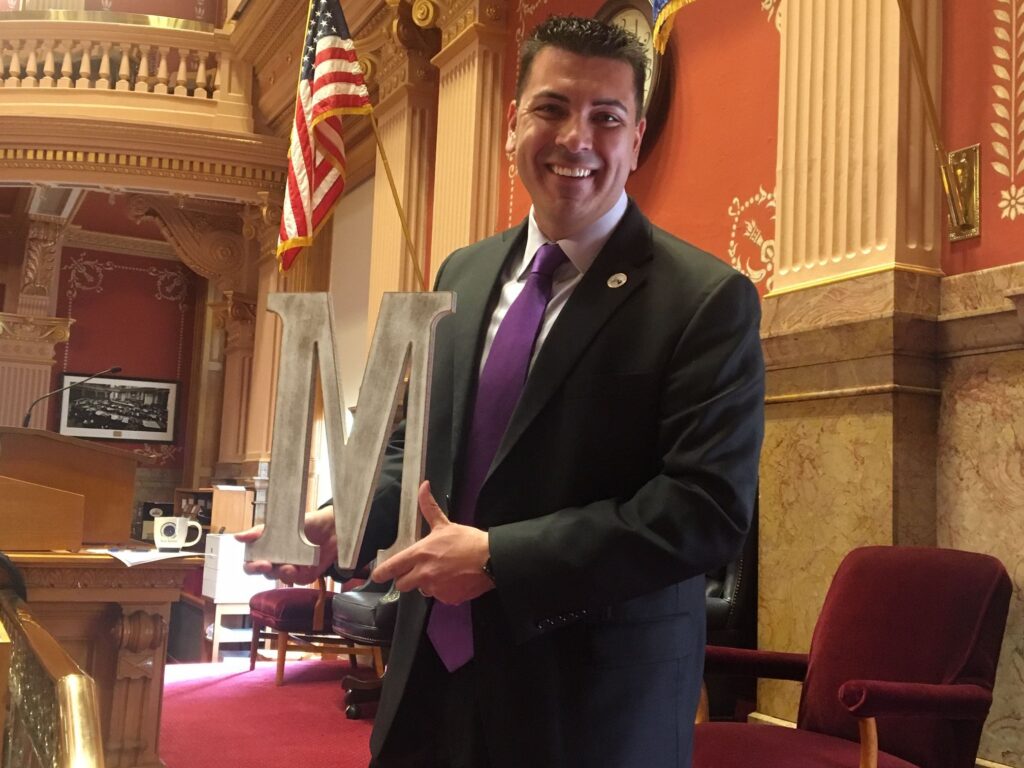
The lighter side of the Capitol, usually…. Local Journalism Day, except they forgot their very own local journalists. The state Senate on Thursday, March 19, passed a resolution recognizing Local Journalism Day. Everyone voted for it, which is good, because...
Colorado Senate committee advances bill increasing overtime threshold for farmworkers
Marianne Goodland
marianne.goodland@coloradopolitics.com
Updated 5 hours ago
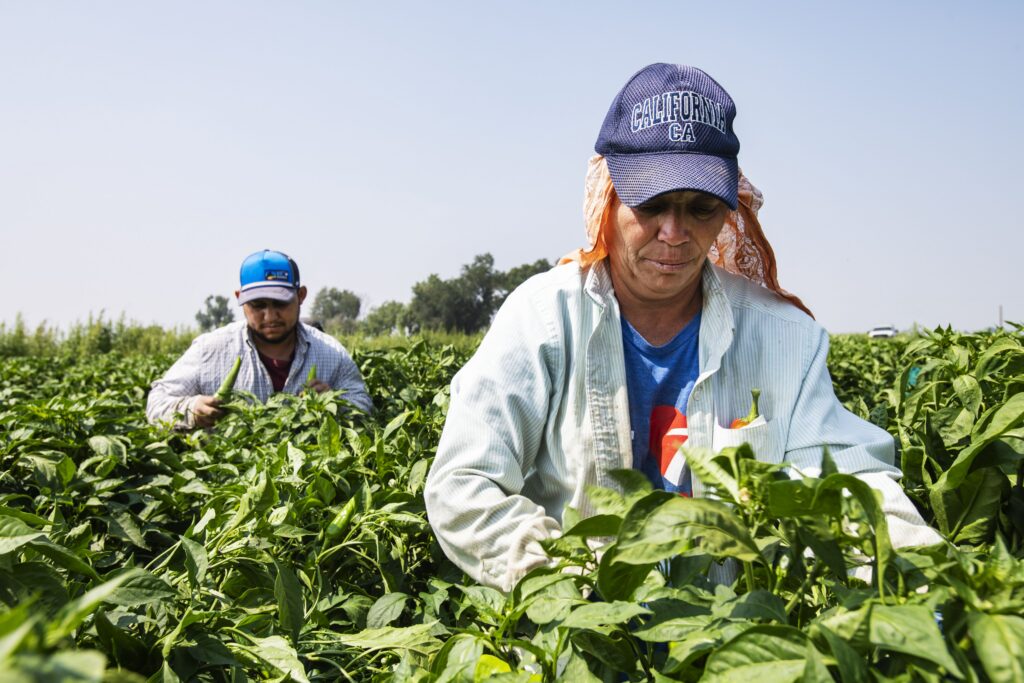
The struggle to balance farmworker protections with the survival of Colorado’s family farms took center stage Thursday as senators debated two competing overtime bills. The Senate Business, Labor and Technology Committee held a rare double-bill hearing that led to a...
Colorado bill to fund mental health by raising alcohol taxes defeated in House committee
Marissa Ventrelli
marissa.ventrelli@coloradopolitics.com
Updated 8 hours ago
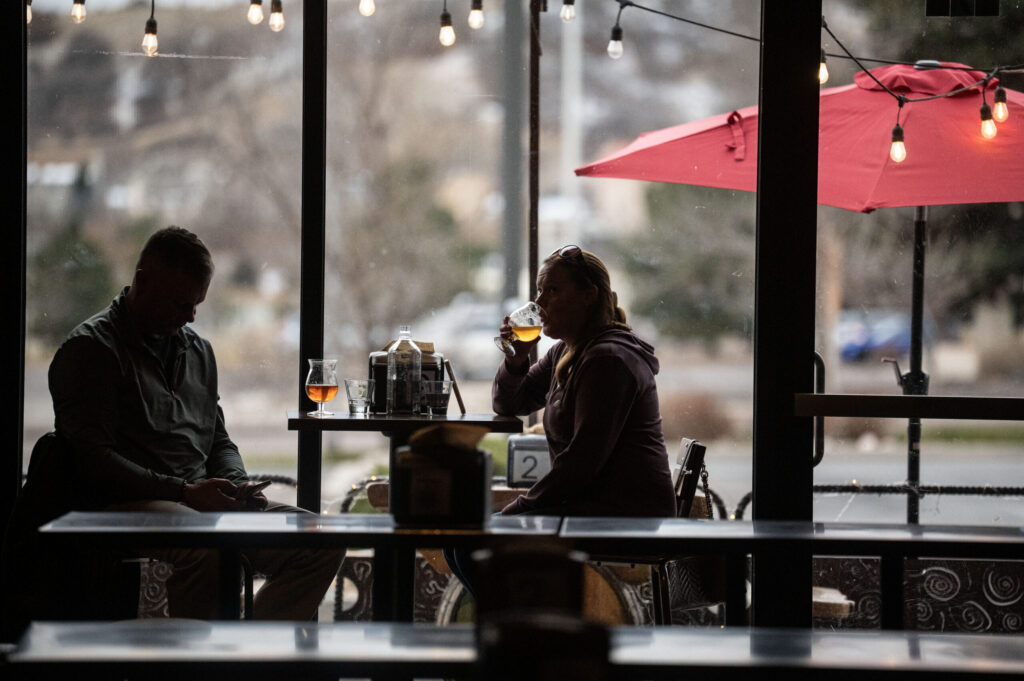
Colorado legislators on Wednesday narrowly rejected a second measure that would raised taxes on alcohol products in order to fund mental health care treatment in the state. Proponents said the new revenue is necessary to help pay for mental health...
Trump switches endorsement back to Jeff Hurd, says Hope Scheppelman is ending run in Colorado’s 3rd CD
Ernest Luning
ernest.luning@coloradopolitics.com
Updated 1 day ago
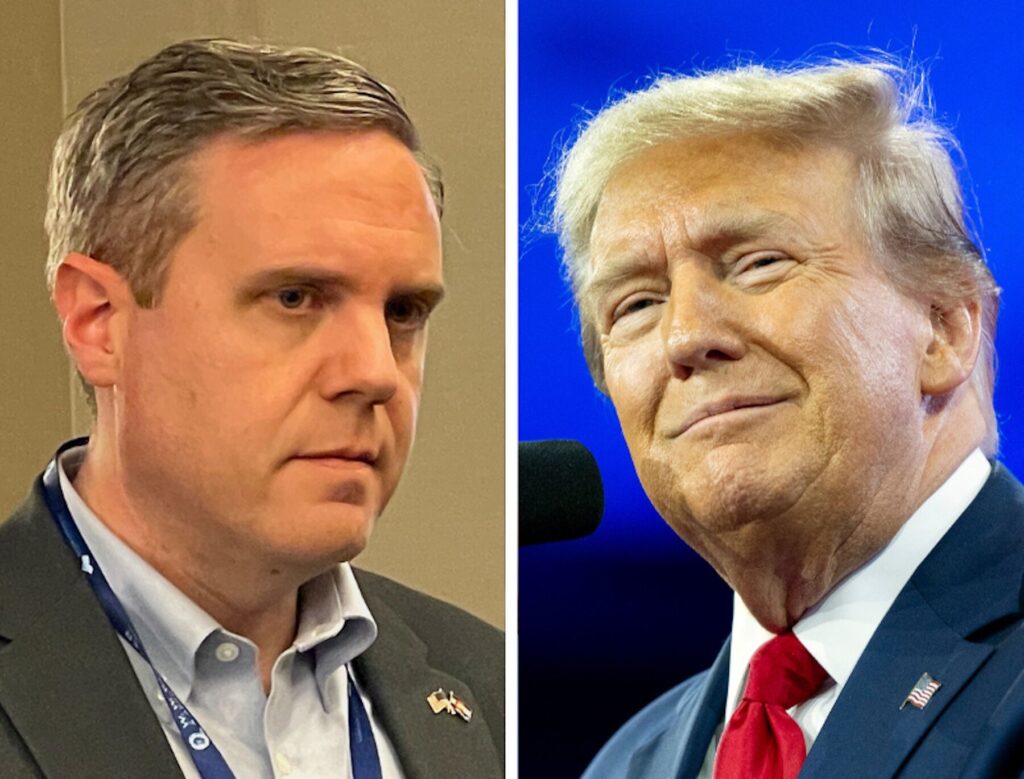
In a surprise twist, President Donald Trump on Friday said he was again endorsing Republican U.S. Rep. Jeff Hurd after pulling his support from the Grand Junction Republican last month and instead backing Hurd’s primary challenger in Colorado’s 3rd Congressional...
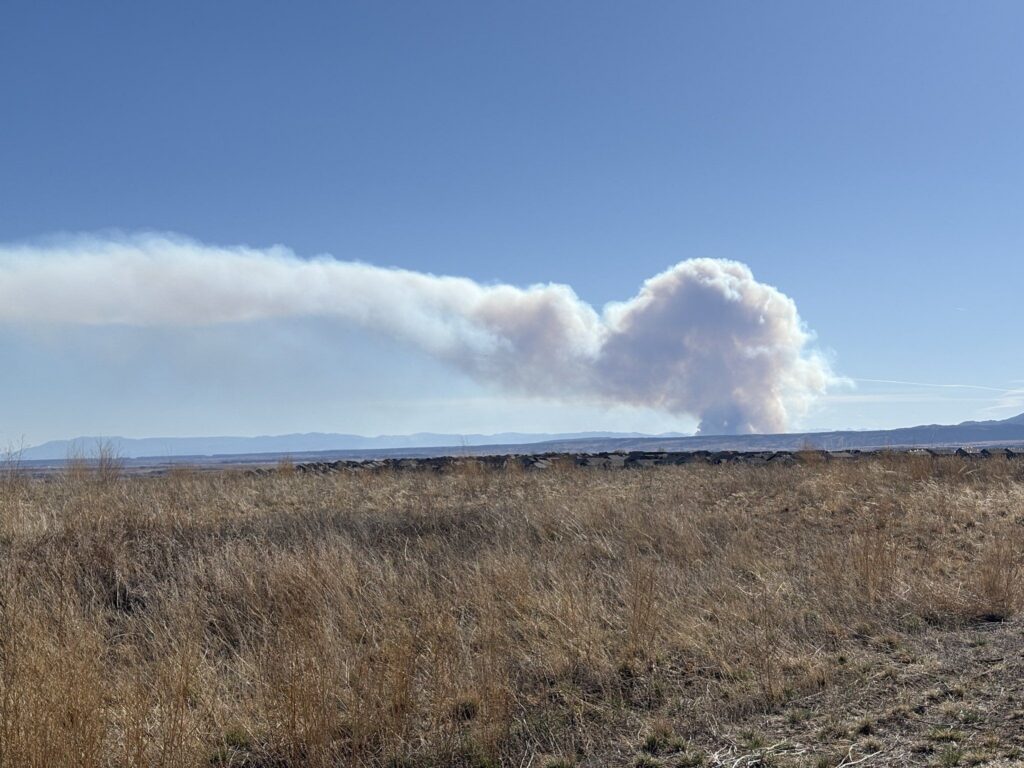
Highway 115 fire blows up, road closed south of Colorado Springs
Nick Smith
nick-smith@coloradopolitics.com
Updated 1 day ago
A fast-moving fire burning along Colorado 115 south of Colorado Springs blew the containment line Thursday, spreading farther east onto Fort Carson and scorching nearly 700 acres, officials said. The blaze, known as the 24 fire, was fully uncontained as...
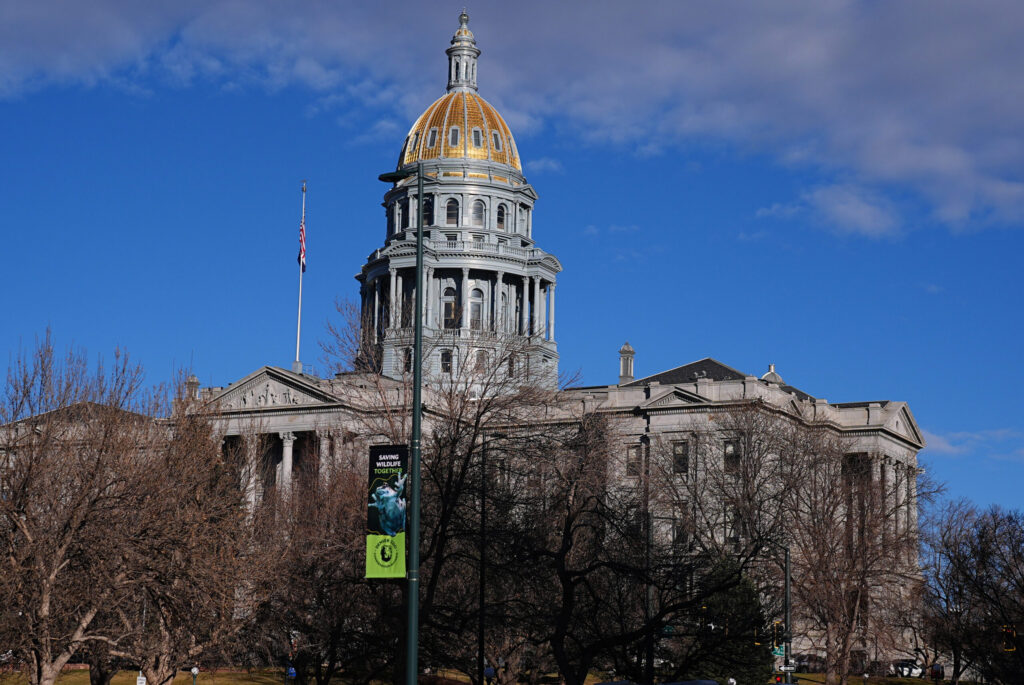
Proposed data center regulation in Colorado draws critics, backers
Scott Weiser
scott.weiser@gazette.com
Updated 2 days ago
A packed marathon hearing at the state Capitol in Colorado highlighted the sharp divide between two competing approaches to the effects of data centers, one of America’s fastest-growing technology sectors. Data centers are the physical facilities that host the servers,...
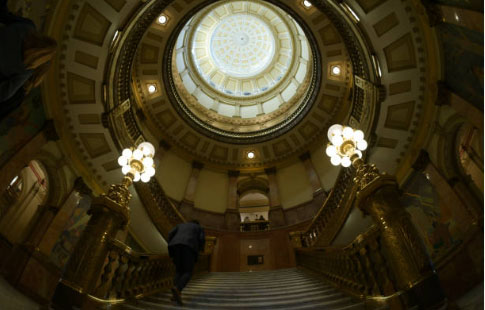
Colorado revenue forecast worsens, pushing budget shortfall to nearly $1.5B
Marianne Goodland
marianne.goodland@coloradopolitics.com
Updated 2 days ago
The latest revenue forecasts from economists at the state Capitol show that the state’s budget predicament has worsened — by hundreds of millions of dollars more. That, in turn, means cuts programs and services in next year’s fiscal budget will...
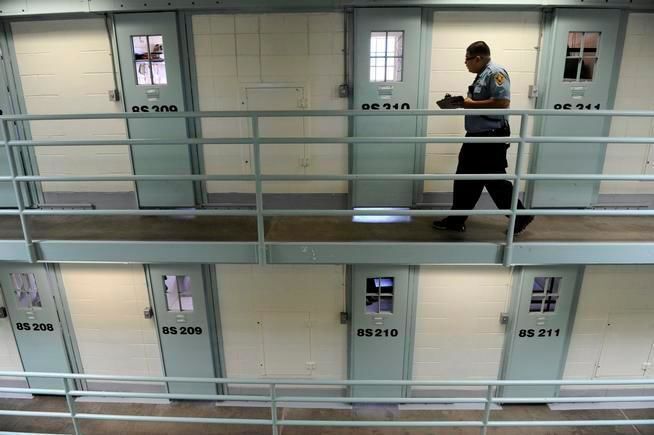
With jails overcrowding, Gov. Jared Polis asks for new prisons as lawmakers face budget shortfall
Marianne Goodland
marianne.goodland@coloradopolitics.com
Updated 1 day ago
The Polis administration is asking for hundreds of millions of dollars to expand the state’s prison system, just as Colorado’s legislators are bracing for a worsening fiscal outlook. The request sets up a clash over priorities at a time when...
Costs explode for Colorado program covering pregnant women and children living in the U.S. illegally
Marianne Goodland
marianne.goodland@coloradopolitics.com
Updated 3 days ago
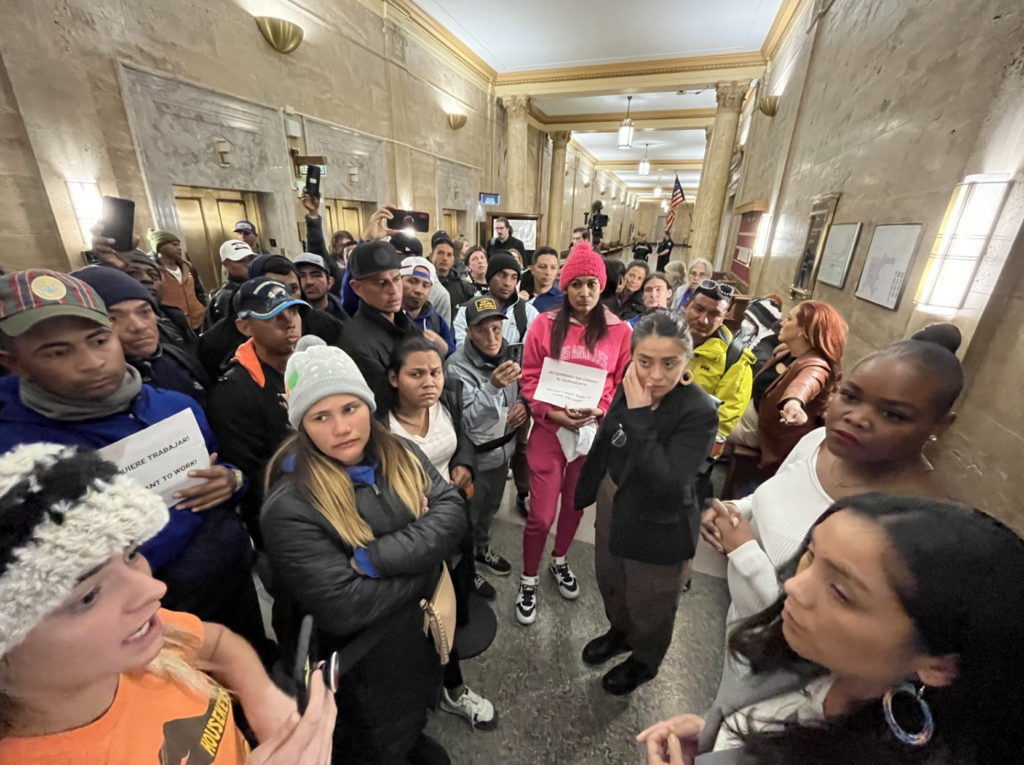
A state program providing health care to pregnant women and children living in the country illegally is costing far more than lawmakers expected, with expenses nearly tripling in just a year and threatening to squeeze Colorado’s budget amid a nearly...
Costs explode for Colorado program covering pregnant women and children living in the U.S. illegally
Marianne Goodland
marianne.goodland@coloradopolitics.com
Updated 3 days ago
A state program providing health care to pregnant women and children living in the country illegally is costing far more than lawmakers expected, with expenses nearly tripling in just a year and threatening to squeeze Colorado’s budget amid a $1...