

Puppy trafficking bill promotes inhumane breeding | OPINION

By Patti Strand
When Justice Thurgood Marshall wrote “The Constitution does not prohibit legislatures from enacting stupid laws,” he wasn’t wrong. He was referring to a political process sometimes ill-equipped to deal with complex issues that require subject-matter knowledge and a deliberative process. He was concerned politics would supersede evidence-based decision-making, resulting in unjust outcomes.
Were he alive today, Justice Marshall could have pointed to HB26-1011, one of the most ill-conceived, misdirected and fundamentally flawed pieces of animal-related legislation ever written to prove his point.
Rather than doing anything to improve animal health and wellbeing, HB-1011 will do the opposite — compromise the welfare of dogs, reverse more than 30 years of progress in animal welfare and undermine regulatory improvements and oversight in the process.
Animal welfare organizations oppose bills like HB-1011 precisely because we dedicate our lives to the well-being and humane treatment of all animals and know from history and first-hand observation these pet-store ban bills will lead to more animal neglect and mistreatment, not less. Prohibitions facilitate the inevitable proliferation of black markets. When it comes to dogs, history and experience tells us both good and bad breeders go underground when legal and regulated channels are closed. Many go online; others sell to rescues and shelters that distribute them across state lines, after being delivered by unregulated transporters. This is not conjecture — one need only look to states like California, where the nightmare of puppy trafficking reached endemic levels after they passed a bill just like HB-1011.
Amazingly, rescues and shelters — which remain unregulated at the federal level, despite engaging in commerce across state lines with dogs of multiple origins — are not addressed in this bill.
The deceptive tactics employed by the activist groups promoting such bills are both legendary and shameful. For example, the images commonly used by activist groups to generate support for their bills inaccurately represent today’s commercial dog breeders. They seek out the worst of the unregulated worst (the very “breeders” that will flourish if these bills pass!), or show unattributable, decades-old footage to paint a biased, distorted, and inaccurate narrative. When people, including the lawmakers who back HB1011, are shown images of dogs living in deplorable conditions, even if the images are inaccurate or fraudulent, they instinctively want to help. The activist class takes advantage of this compassionate instinct to manipulate the public into accepting their distorted narrative. In fact, it was tactics like these that resulted in a number of these groups, including outspoken supporters of HB-1011, being forced to pay out one of the largest RICO settlements in history.
Few, if any, of the proponents of HB-1011 have any idea of what the modern world of commercial dog breeding looks like. During the last 30 years, dog breeders, the USDA, state regulatory agencies like Colorado’s Pet Animal Care Facilities Act (PACFA), the American Kennel Club, national animal industry groups, veterinary organizations, and universities, have all played major roles in helping the industry make meaningful improvements in all areas of animal care — and they’ve been successful. The vast majority of commercial kennels today have housing and care standards that far exceed the public’s current expectations. And these improvements are not limited to upgraded and modernized housing facilities, but include socialization and training programs, increased veterinary care and health testing as well. Some have state-of-the-art housing with heated floors and air exchanges. It is not only deceptive and wrong to turn a blind eye to these incredible improvements, but it is also immoral.
The priorities of HB-1011 are woefully off-target. Experts who follow animal welfare trends are puzzled as to why pet stores — rather than the importing rescues — are the target of legislation. Records show the Colorado retail rescues that annually import tens of thousands of dogs from unknown backgrounds commit far more violations and pose far greater risk to public health than pet stores. No pet store has ever imported or placed a rabid dog, for instance. One Colorado retail rescue imported two dogs carrying this fatal disease, forcing the adoptive families, and others who came in contact with them, to undergo very unpleasant post exposure treatment — not to mention the heartbreak of losing a new puppy they’d hoped to welcome into their lives.
Rabies is not the only concern: unvetted dogs from unknown backgrounds routinely carry dangerous pathogens and risk the reintroduction of many common canine diseases that were once nearly eradicated. Of great importance to agriculture, some dogs imported from foreign countries have been found to carry the new world screw worm.
If the goal of this bill is truly to eliminate inhumane breeding operations, there are far better ways to achieve that than by eliminating the best defense we have against the proliferation of such operations. Establishing standards for pet animal sourcing — which also include retail rescues — would be a great place to start. Leveraging the expertise of PACFA, a state regulatory framework respected nationwide, could help accomplish this.
Before voting on HB-1011, lawmakers might want to consider Justice Marshall’s words. Erasing with the stroke of a pen the livelihoods of business owners and their families who follow the rules and do the right thing and instead turning over custodianship of the pet animal world to black market, internet-based puppy traffickers, is not only unreasonable; it is immoral.
Patti Strand is president of the National Animal Interest Alliance (NAIA), a broad-based, mainstream, nonprofit animal welfare organization dedicated to encouraging high standards of animal care and treatment, and to preserving the human animal bond. She is an author of several books and articles and has served on numerous local, state and federal animal welfare advisory boards, committees and task forces. www.naiaonline.org.

Caldara overlooked facts in slamming utilities | FEEDBACK
Colorado Politics
colorado-politics@coloradopolitics.com
Updated 3 hours ago
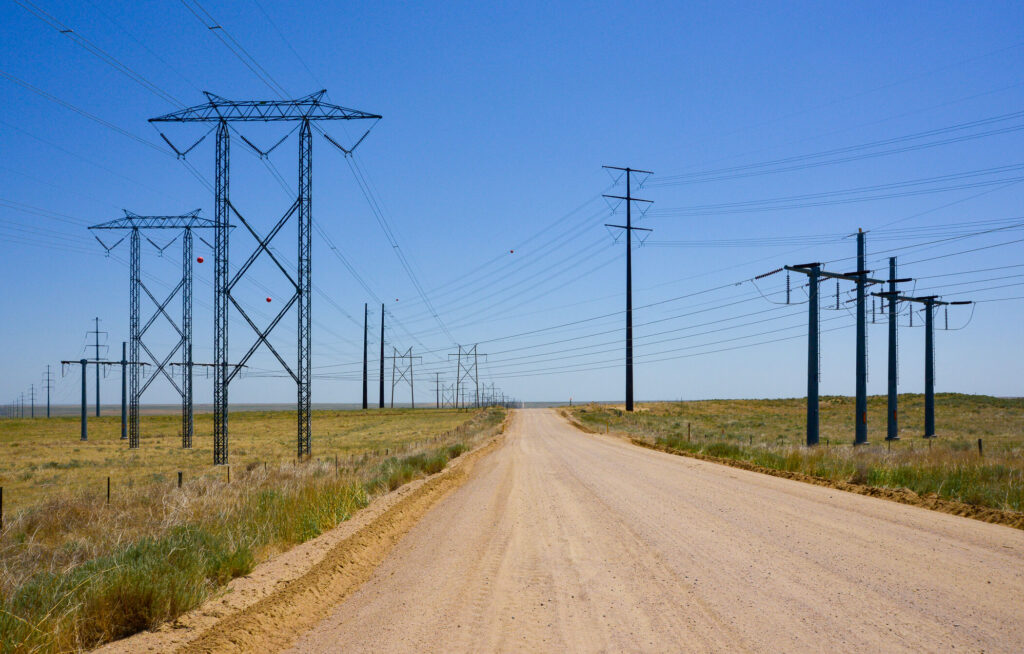
Normally, I appreciate the variety of perspectives published on Colorado Politics. But regarding Jon Caldara’s recent column on Xcel, he irresponsibly neglects key facts to the point of annihilating credibility (“Are our overlords normalizing power outages?” March 15). He neglects...

Fix the process before reauthorizing state PUC | OPINION
Sara Blackhurst
sara-blackhurst@gazette.com
Updated 2 hours ago
What needs to be fixed before reauthorizing the Public Utilities Commission? The answer is simple: the process. The last time the commission was reauthorized in 2021, lawmakers expanded its role in meaningful ways — particularly as Colorado accelerated its clean...
Farmworker overtime bill advances after lengthy debate in Colorado Senate
Marianne Goodland
marianne.goodland@coloradopolitics.com
Updated 9 hours ago
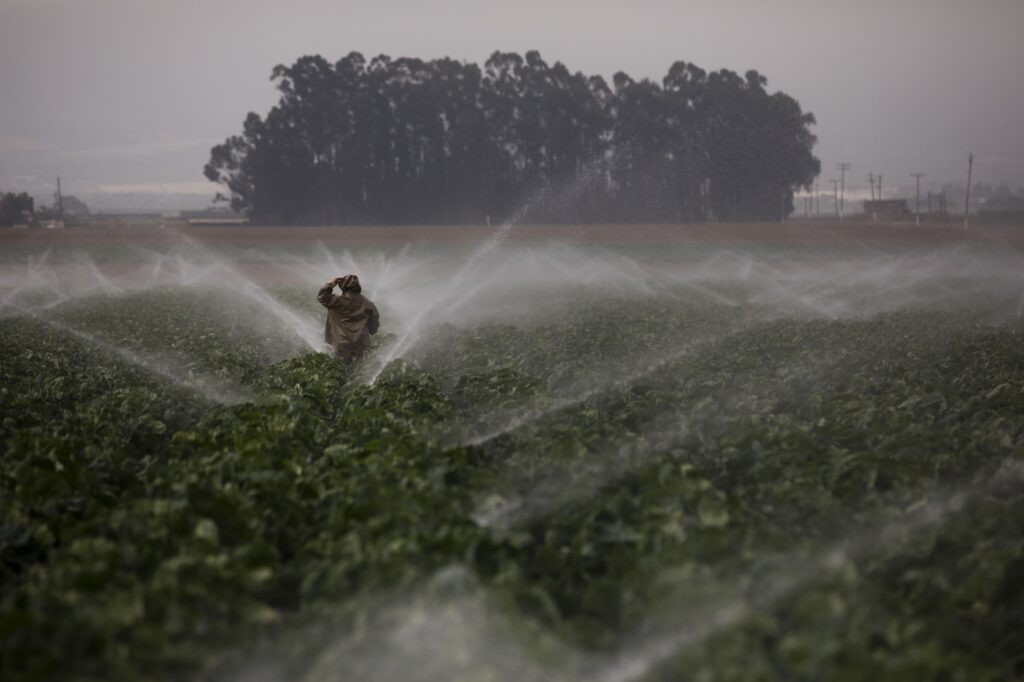
The Colorado Senate on Tuesday narrowly advanced a bill to raise the overtime threshold for agricultural workers, defeating more than a dozen amendments from its leading opponent aimed at rewriting the measure. As introduced, Senate Bill 121 would raise the threshold for...

Colorado Agriculture Day: A feast for the ears, eyes and stomachs
Marianne Goodland
marianne.goodland@coloradopolitics.com
Updated 8 hours ago
Gov. Jared Polis, legislators and friends of agriculture gathered at the state Capitol on Tuesday to celebrate Colorado Agriculture Day. The annual recognition of the contributions of Colorado farmers, ranchers and agribusiness drew hundreds to the Capitol’s west foyer, where...
Wildlife agency asks for $450,000 to bring more wolves to Colorado
Marianne Goodland
marianne.goodland@coloradopolitics.com
Updated 5 hours ago
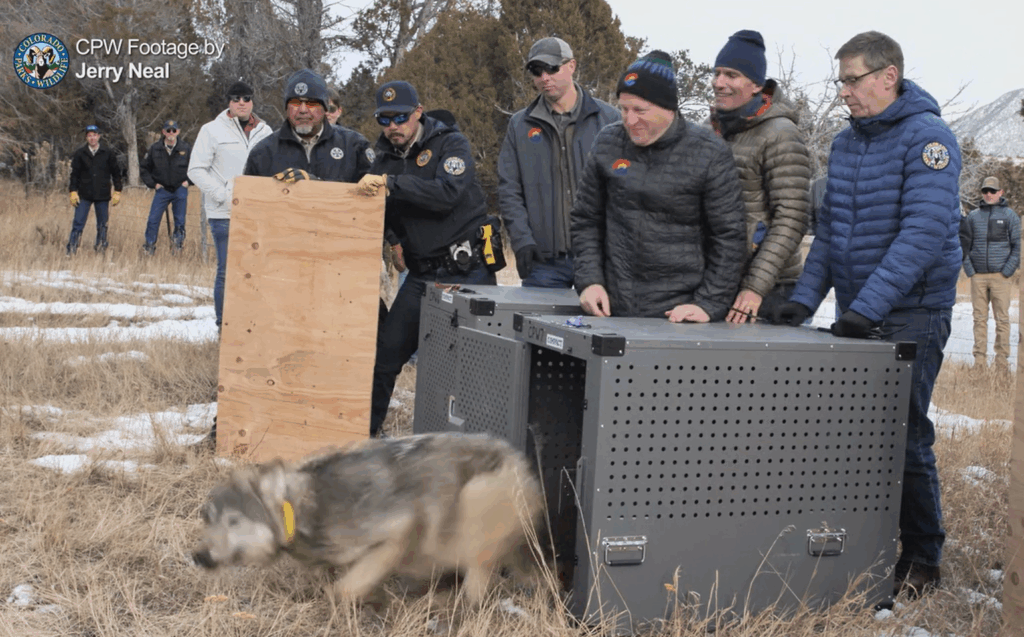
The panel of legislators charged with crafting the budget on Monday rejected a proposal that proponents said would increase transparency around how much Colorado Parks and Wildlife spends to bring additional wolves into the state. At the same time, the...
Hickenlooper primary challenger Julie Gonzales endorsed by national progressive group Indivisible
Ernest Luning
ernest.luning@coloradopolitics.com
Updated 6 hours ago
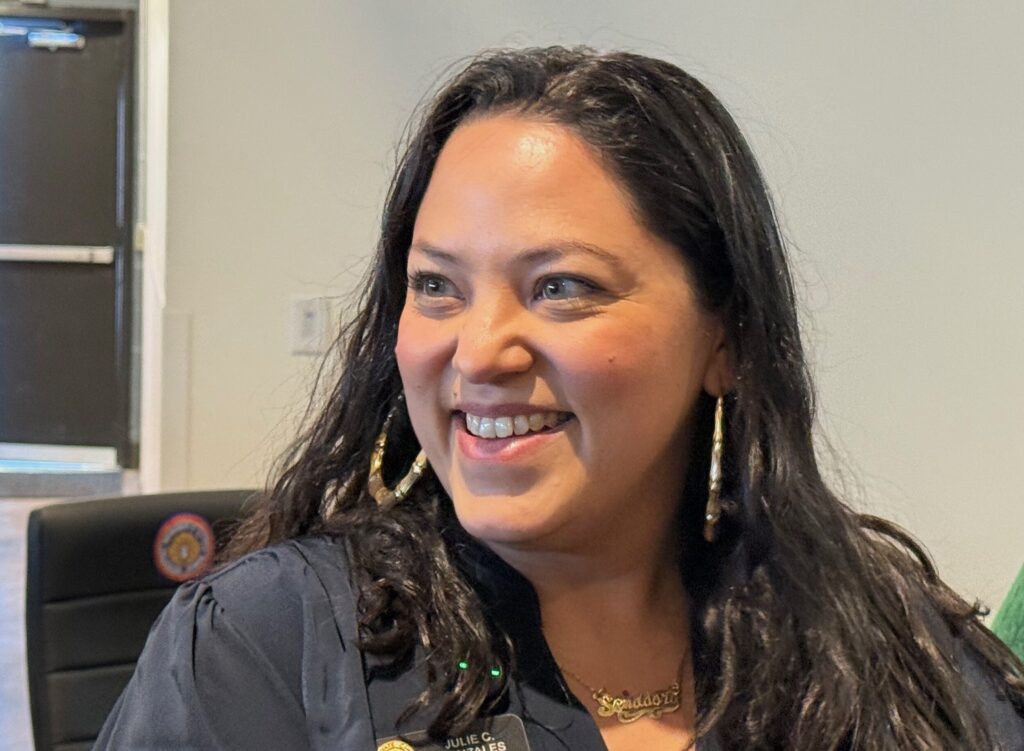
State Sen. Julie Gonzales’ bid to challenge U.S. Sen. John Hickenlooper in Colorado’s Democratic primary got a boost Tuesday from Indivisible when the national arm of the progressive grassroots group endorsed the Denver lawmaker. The national group’s endorsement comes less...

What exactly makes you a public figure? | Hal Bidlack
Hal Bidlack
hal-bidlack@coloradopolitics.com
Updated 1 day ago
Well, once again, this non-lawyer columnist is going to jump in the deep end of legal scholarship and will explore a recent Colorado Court of Appeals decision. Buckle up. In yet another terrific Colorado Politics Court Crawl article, we learned...
Congress needs to protect 340B for rural Colorado | PODIUM
Colorado Politics
colorado-politics@coloradopolitics.com
Updated 2 hours ago
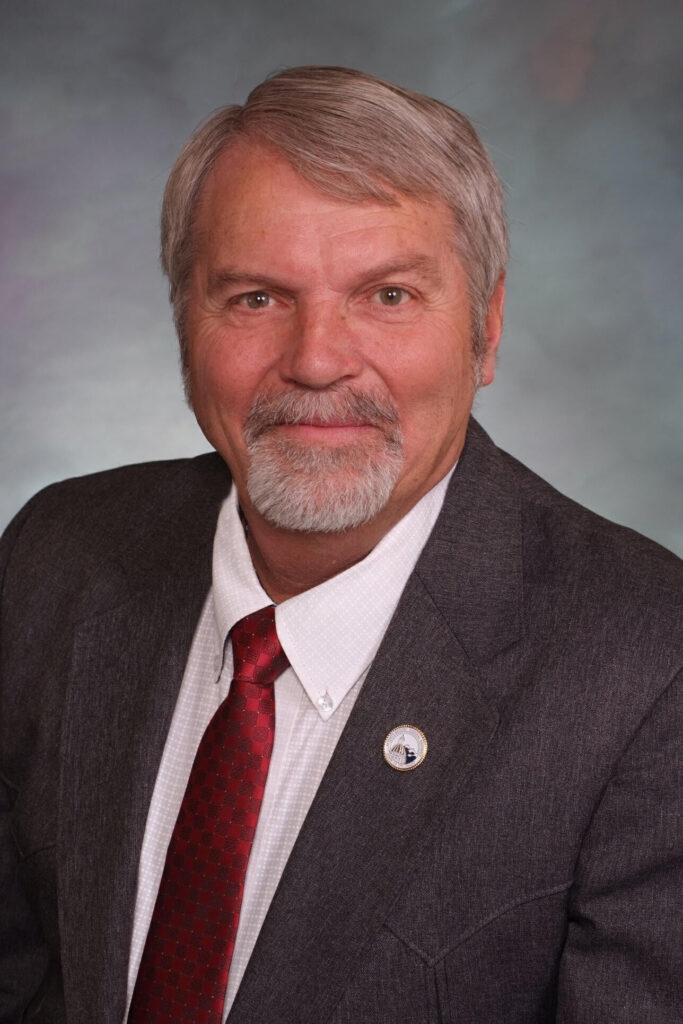
By Rod Pelton A lot of politicians talk about understanding what life is like for our rural communities, but not many really do. I’m a third-generation Cheyenne County farmer and rancher; I grew up on the eastern plains of Colorado, raised...

Modernizing Pinnacol is about its members, not politics | IN RESPONSE
Colorado Politics
colorado-politics@coloradopolitics.com
Updated 15 hours ago
By Akasha Absher While we share the passion for protecting Colorado’s workers expressed in a recent op-ed from the perspective of trial attorneys and union representatives, the piece paints a picture of Pinnacol Assurance that is more rooted in 1915...
Colorado lawmakers mull renaming César Chávez Day to Farm Workers Day
Marianne Goodland
marianne.goodland@coloradopolitics.com
Updated 15 hours ago
A Colorado House committee has voted to rename the March 31 state holiday from César Chávez Day to Farm Workers Day, following a national shift prompted by sexual abuse allegations against the labor leader. The State, Civic, Veterans, and Military...
PREV
PREVIOUS

Conservation Colorado proposes measures aimed at oil and gas companies
A group has introduced four ballot measures it says are meant to counter an initiative that aims to enshrine Colorado businesses and consumers’ right to purchase and sell natural gas in the state’s constitution. Filed with the Secretary of State’s Office today, Conservation Colorado’s measures would do the following: The first initiative is a statutory […]

Set appropriate state guidelines for critical surveillance technology | OPINION
I admit it: I’m worried. I’m hearing a lot about surveillance in the public arena. I hear cameras are capturing my car’s license plate wherever I drive, my face as I go in and out of stores and health facilities, and that it’s all used to compile detailed information about me. I read news articles […]